Stop Big Gas
Fossil Fuel Phase Out
Renewable Energy
Global Climate Talks
Stopping Big Gas
Gas is a dirty fossil fuel that pollutes our air, oceans and climate. Australia’s gas companies are ripping us off. It’s time to break free.
How you can help
-
Big Gas. Big Lies. Big Damage.
Will you help fund the fight to stop gas corporations from drilling our ocean?
-
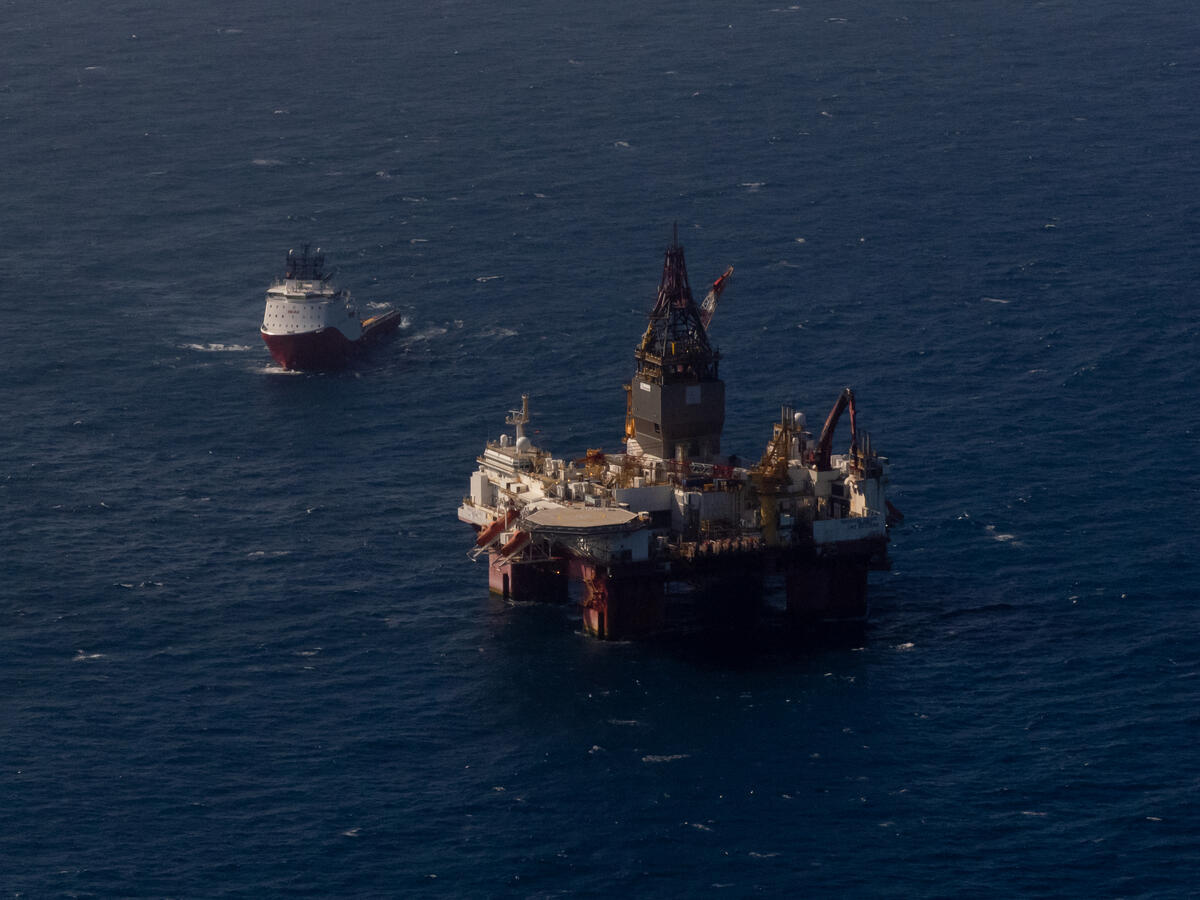
Big Gas is destroying our planet
Big Gas is holding Australia’s economy hostage for their own profit — and they’re destroying the nature and oceans we love in the process. Tell Prime Minister Albanese to stand up to Big Gas.
-
Call on Telstra to disconnect from Big Gas!
Communities across Australia are already facing the real impacts of climate change: extreme bushfires, record-breaking floods, and damaging storms, driven by the burning of fossil fuels like gas. They deserve to know when a company that claims to back climate action is actually doing the opposite.
-
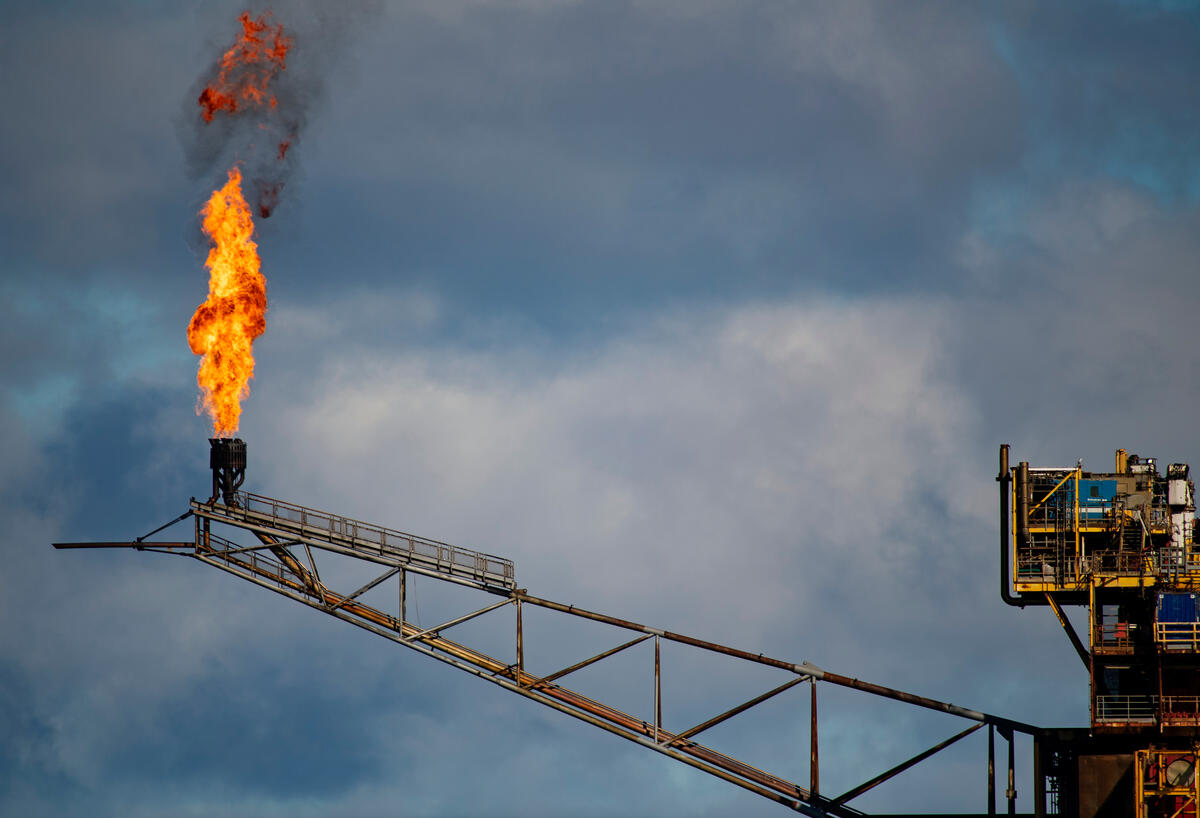
Email the CEOs of key companies in the BCA
Discover which major brands are doing the dirty work of Big Gas, and who is walking the talk on climate.
-
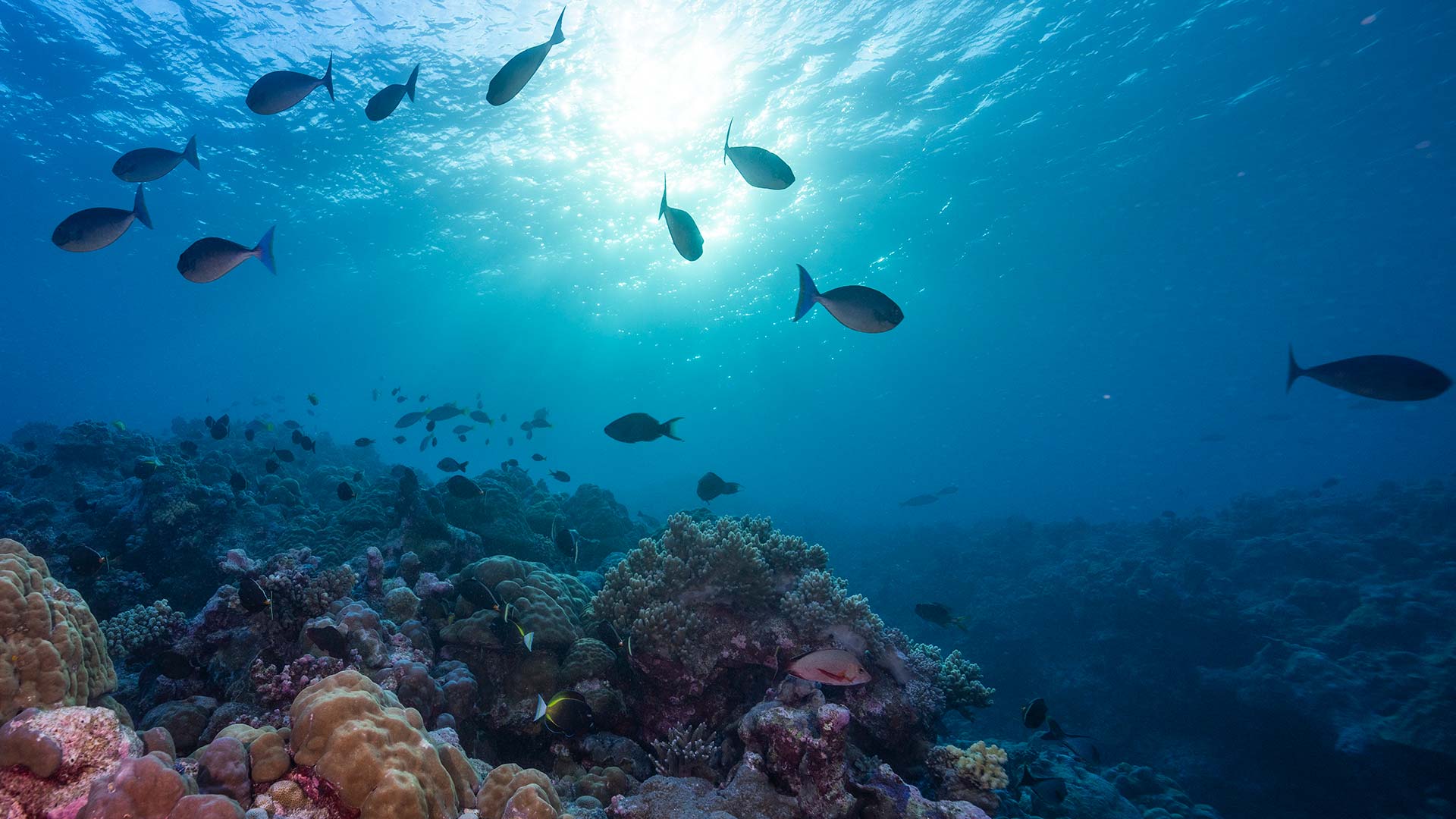
Australia’s best‑kept secret. Woodside’s next target!
You can help save Scott Reef from destructive gas drilling
-
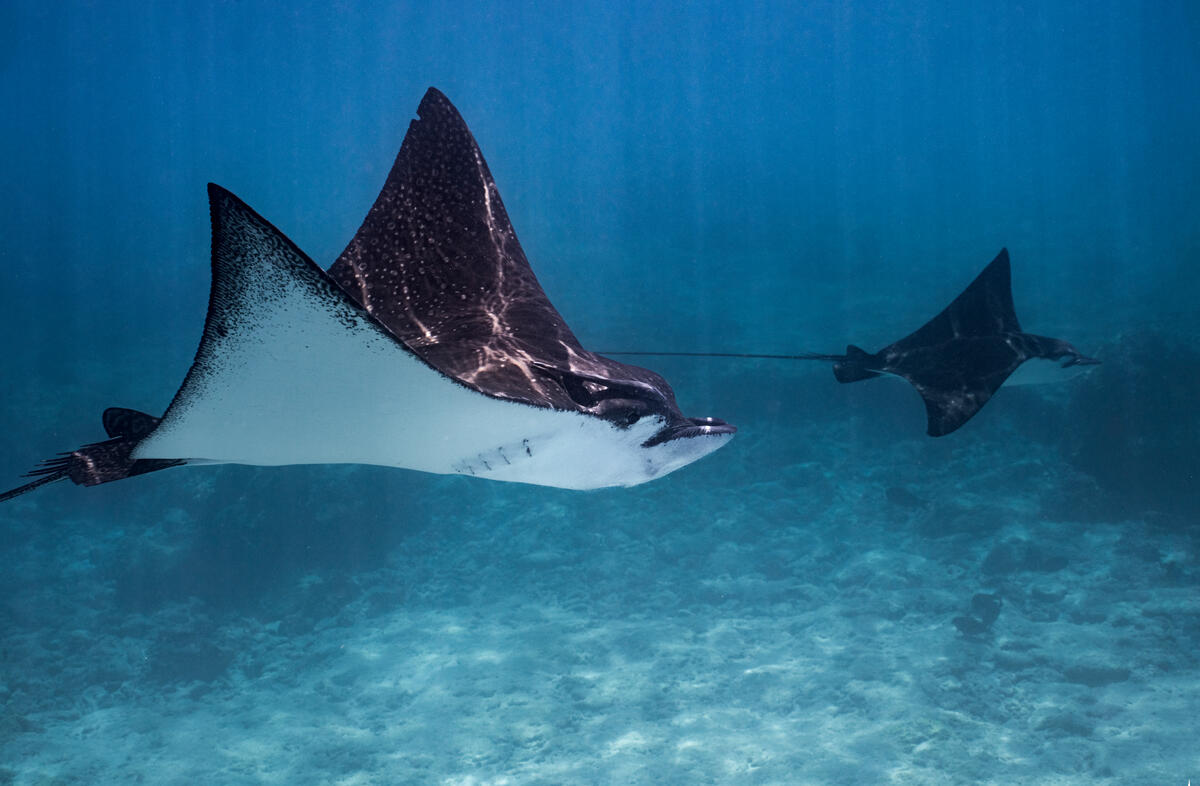
Save Scott Reef from Woodside’s toxic gas
The plans to drill for dirty gas from under the beautiful Scott Reef could have devastating impacts.
80%
The percentage of gas that is extracted in Australia but then exported overseas.
22%
The percentage of global greenhouse gas emissions that come from gas
2x
How much Australian electricity prices have risen since gas exports began in 2015.
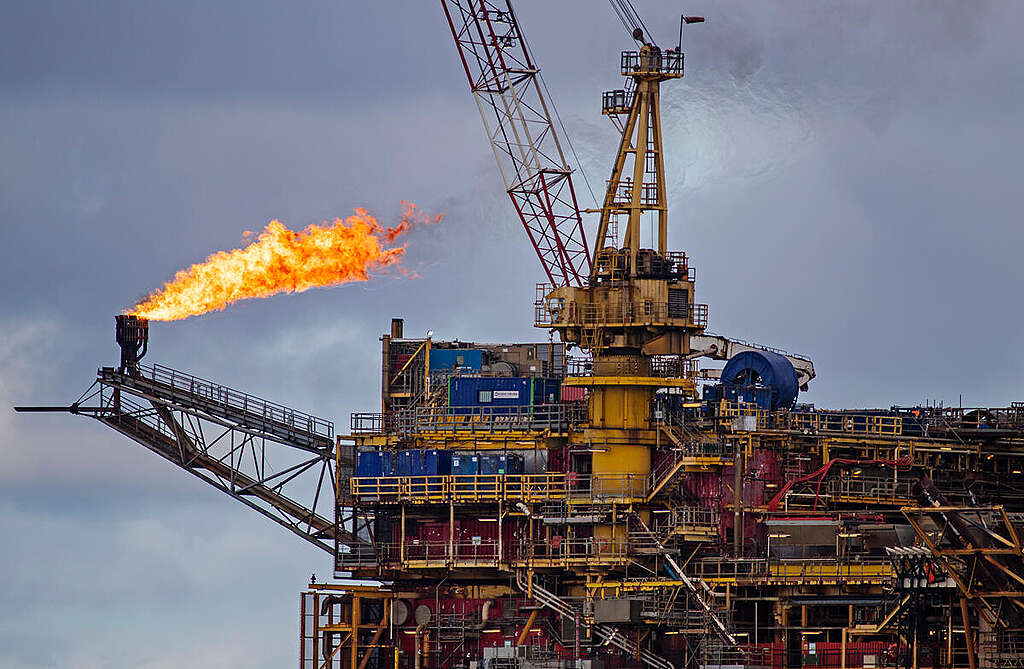
The problem- Australia’s dirty gas
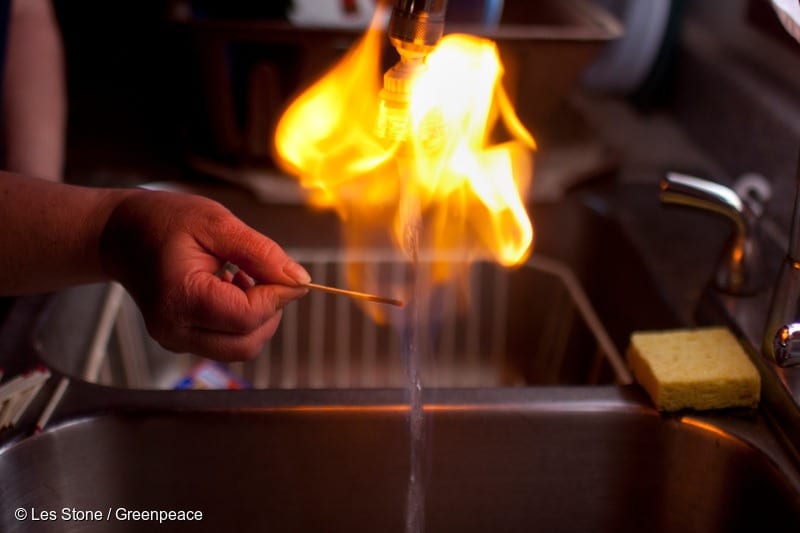
Gas is a dirty fossil fuel responsible for driving climate disasters, polluting our oceans, and putting our marine wildlife at risk. Australia already has enough gas to meet our needs. Multinational corporations are trying to force new gas projects onto our communities to then export overseas for their own profit. More gas extraction in Australia would mean:
- Seismic blasting and offshore drilling that will harm our marine ecosystems and wildlife. Wherever they drill, they spill.
- Burning gas further fuels climate change, with floods, fires, and heatwaves, which put our health, safety and economy at risk.
The gas lobby is spending millions to convince us that we need more gas projects, but the truth is that more gas projects means more climate destruction, higher energy bills and no safe future for Australia.
How is Greenpeace making it possible to break free from gas?
The science is clear: gas, like coal, is incompatible with a safe climate future. We are advocating for:
- An end to new gas projects and seismic blasting in Australian waters.
- A fair and fast phase out of dirty fossil fuels in Australia.
- Investment in renewable energies that create green jobs, will protect our oceans and will deliver reliable and affordable power.
We’re already nearly halfway to powering Australia with clean energy. The gas lobby keeps pushing a fake “shortage” to justify new projects, but Greenpeace research shows there’s plenty of supply. We don’t need new gas- we need investment in clean energy and green jobs.
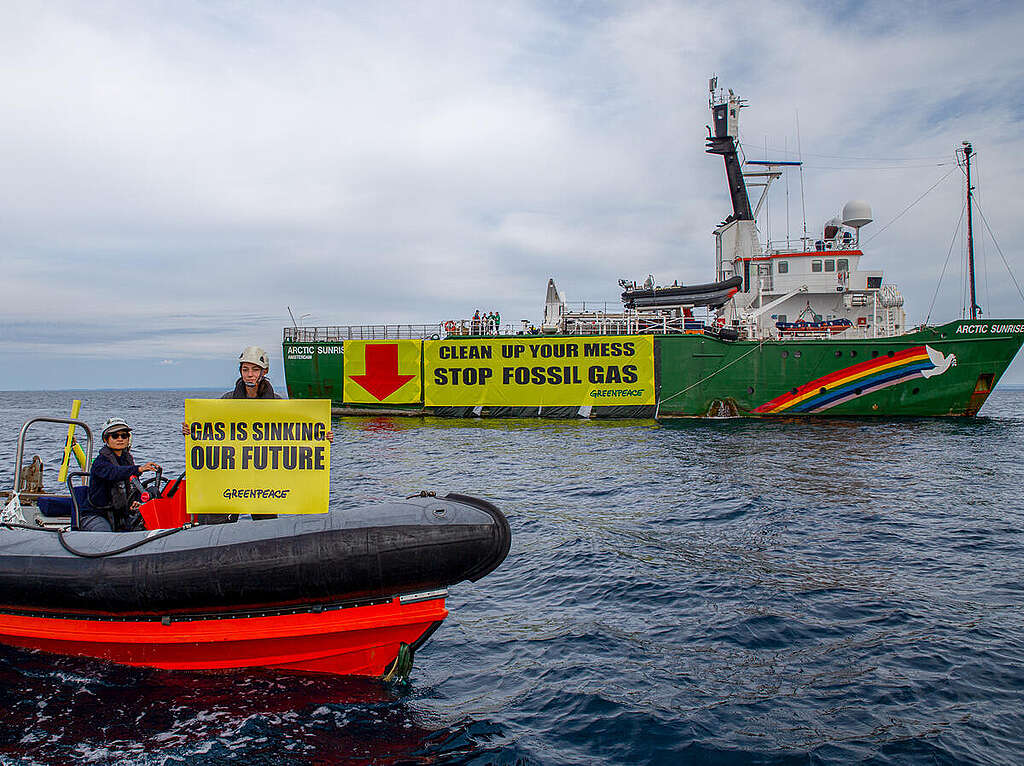
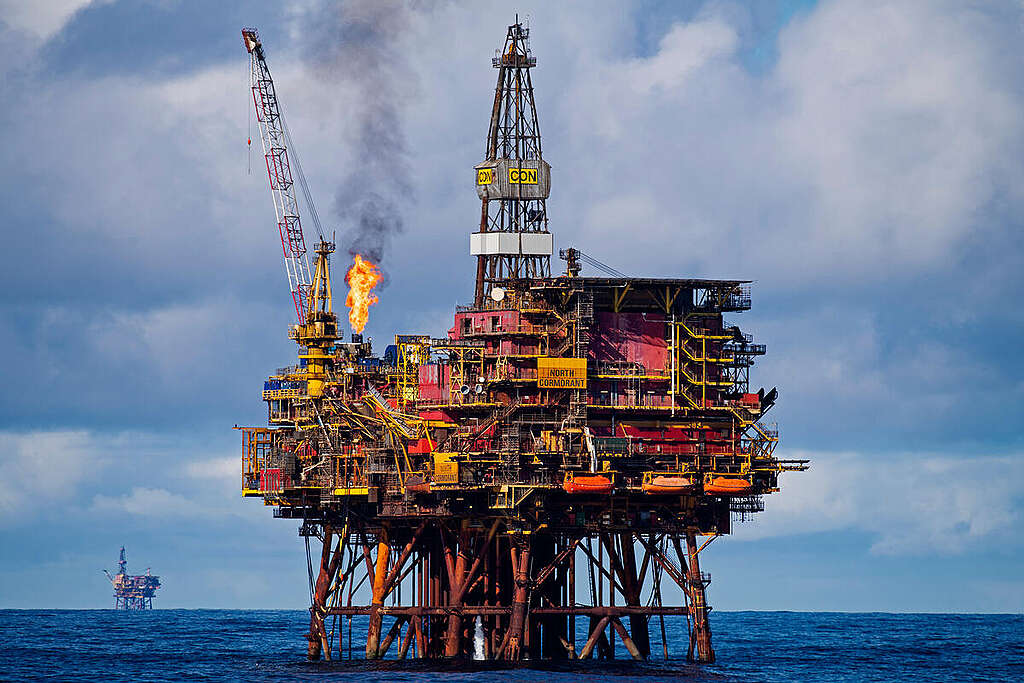
The impacts of gas in Australia
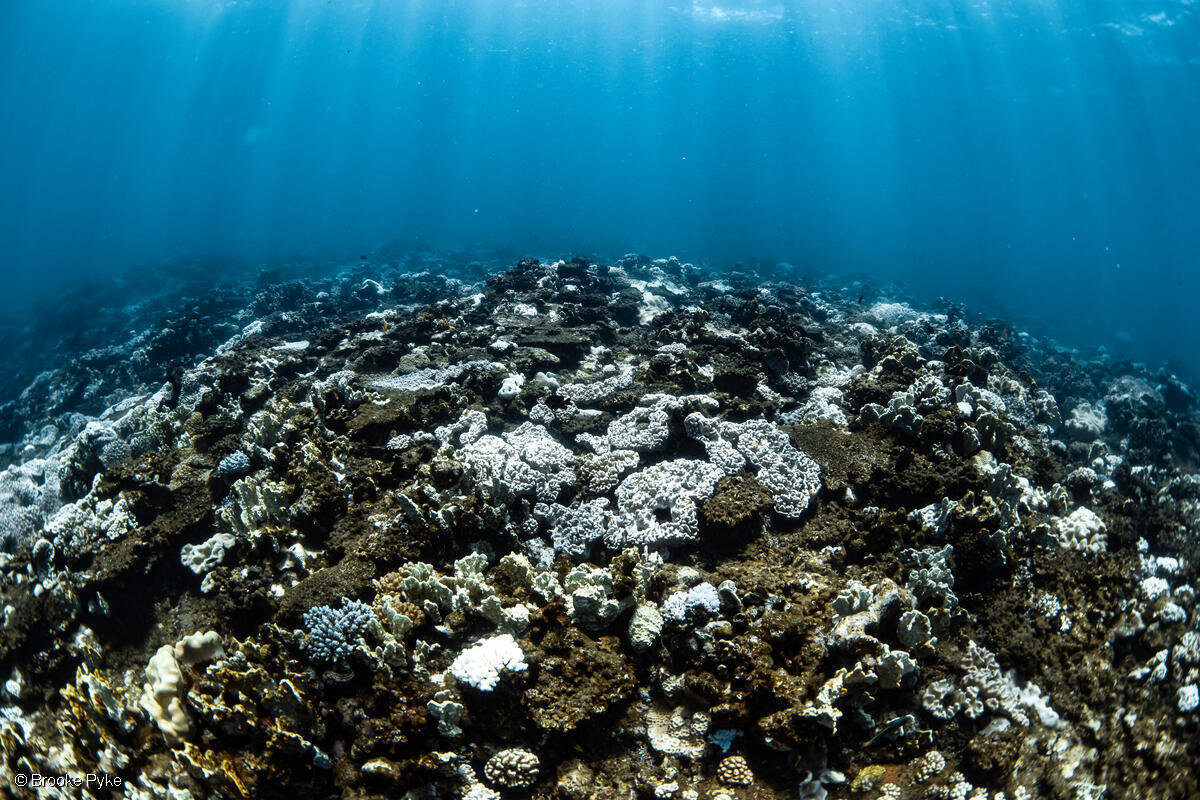
Gas isn’t just bad for the climate, it’s bad for Australians, our wildlife, our ecosystems and our future. From extreme heat and fires, to coral bleaching, and threatened marine life. The impacts are already here, and they will only get worse if we let Big Gas keep expanding.
Offshore drilling and seismic blasting threatens our marine ecosystems beyond repair.
Over 80% of gas extracted in Australia is shipped overseas, while we are left dealing with the pollution and higher energy costs.
If built, gas projects like Woodside’s Burrup Hub could become our country’s largest source of climate pollution.
Big Gas corporations in Australia are undermining the renewable transition for their own profits, while communities face the fallout.
Frequently asked questions about gas
Contrary to what you hear from the government and the gas industry, gas is a dirty fossil fuel, and is incompatible with the world’s goal to limit warming to 1.5 degrees. In Australia, at least 21% of carbon dioxide emissions come from gas. In order to reach net zero emissions by 2050, an essential step to limit global warming to 1.5C, we need no new investment in fossil fuels – including gas.
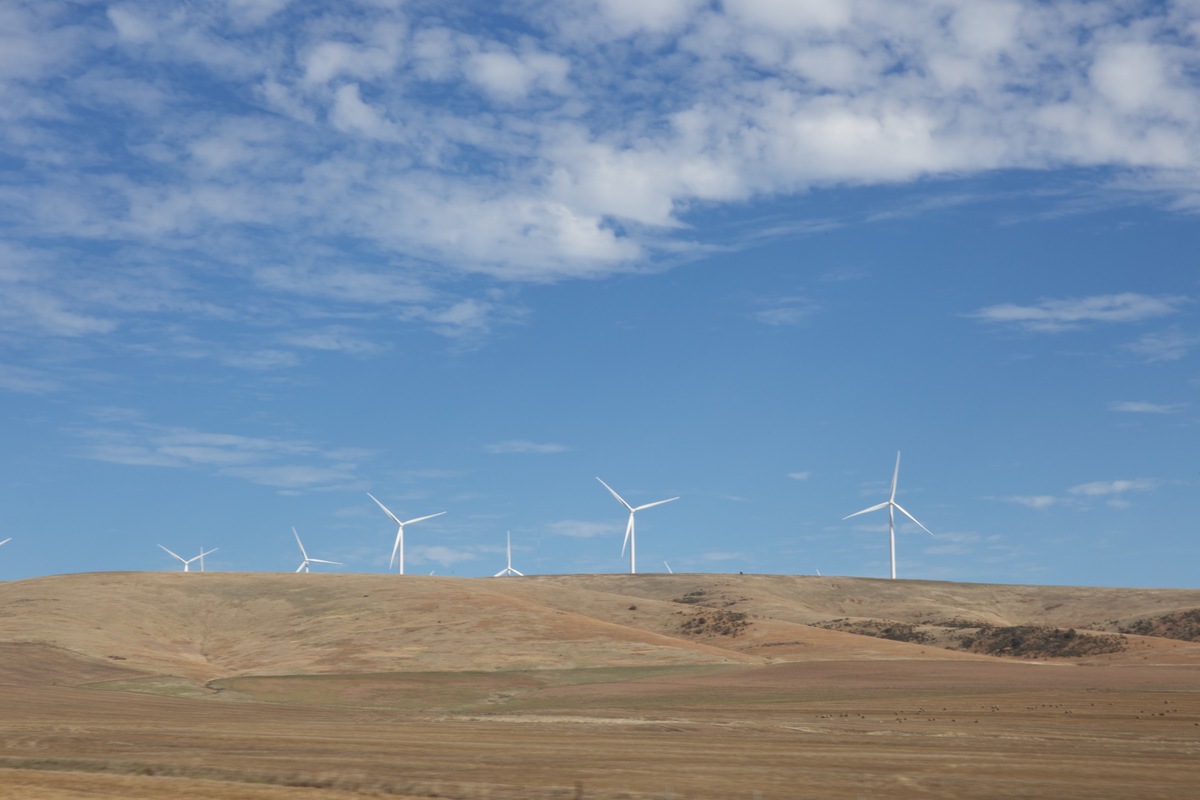
Australia is already almost halfway to powering our country with clean, affordable renewable energy, and gas usage is on the decline. Australia is one of the sunniest and windiest countries in the world – we could become a global leader in renewable energy and green industry exports. Australia has enough supply in existing gas fields to meet current domestic demand until 2032 – this gives us enough time to transition away from gas to renewables without any new projects.
Gas is a far more expensive energy source than renewables. In 2025, the average price of electricity from fossil fuels was almost twice the average price of electricity from renewables, putting pressure on households and businesses. This is partly because we pay international prices for gas that is extracted in Australia and collect barely any tax on it. Over half of the gas exported from Australia attracts zero royalty payments. Nurses pay more tax than the gas industry and students pay more in HECS than gas corporations contribute in petroleum tax. Gas is hardly a boon for Australia’s economy – we’re giving away tens of billions of dollars of it for free so multinational corporations can get richer.
The process of extracting gas poses a huge threat to Australia’s nature and wildlife. For example, the gas industry often uses dangerous seismic blasts to survey the ocean floor. These blasts are among the loudest human-made sounds in the ocean and can disrupt essential behaviours in marine life like whales, dolphins and fisheries. The gas industry also has a toxic reputation for spills, accidents, and abandoning its infrastructure in the ocean. Gas companies like Woodside are currently pushing to seismic blast along whale migration routes and drill near endangered turtle breeding grounds. If we want to protect precious, iconic species – some of which are found nowhere else in the world – we need to stop Big Gas from destroying wildlife’s homes.

Help end the age of fossil fuels
Right now, Greenpeace is working to take on the biggest polluters and stop new coal, oil and gas projects in Australia. We’re holding corporations and governments to account, taking direct action and investigating and exposing them.
We still have time. What happens next is in our hands.
-
The fossil fuel takeover of the Business Council of Australia
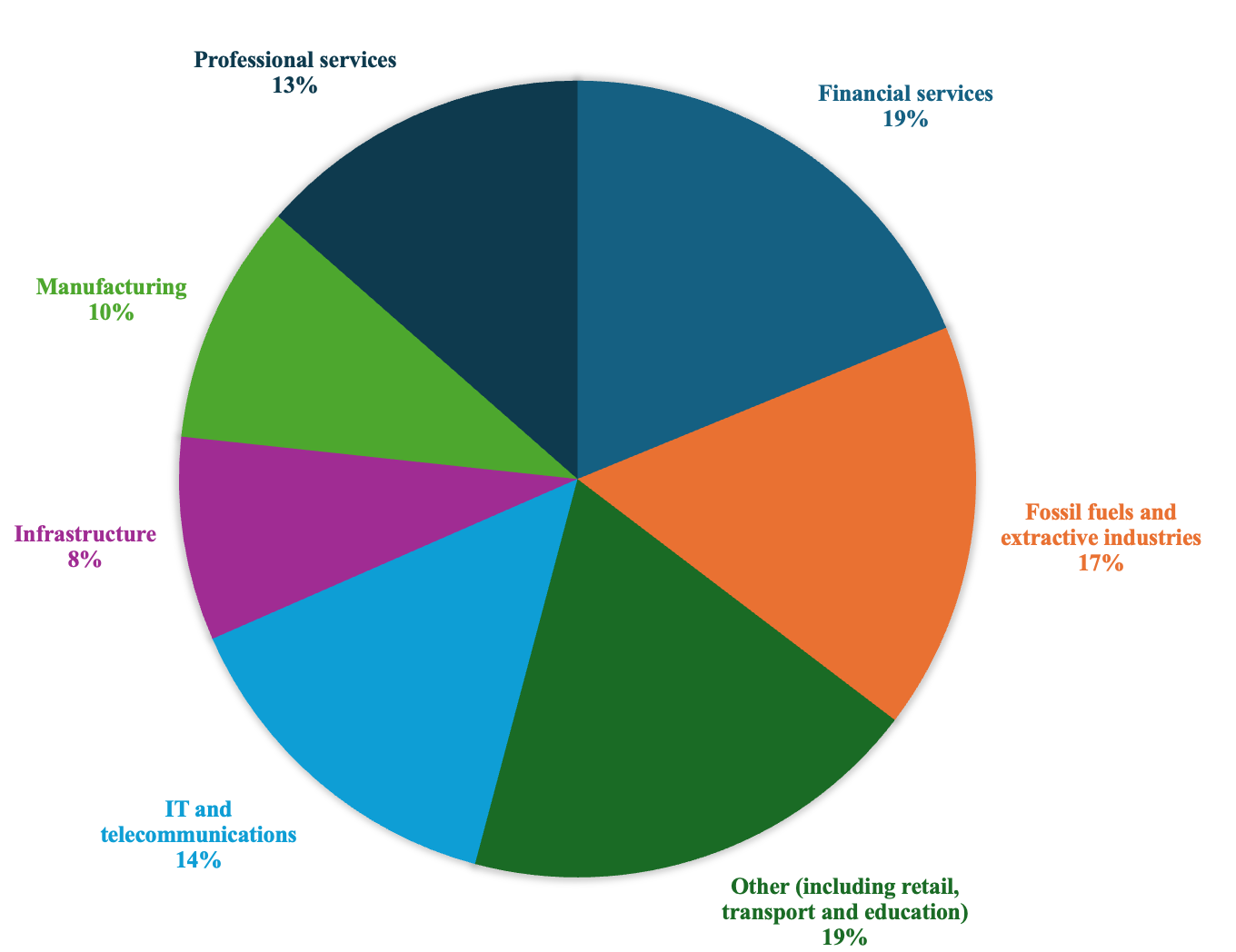
The Business Council of Australia claims to represent the whole business community, but who is really pulling the strings?
-
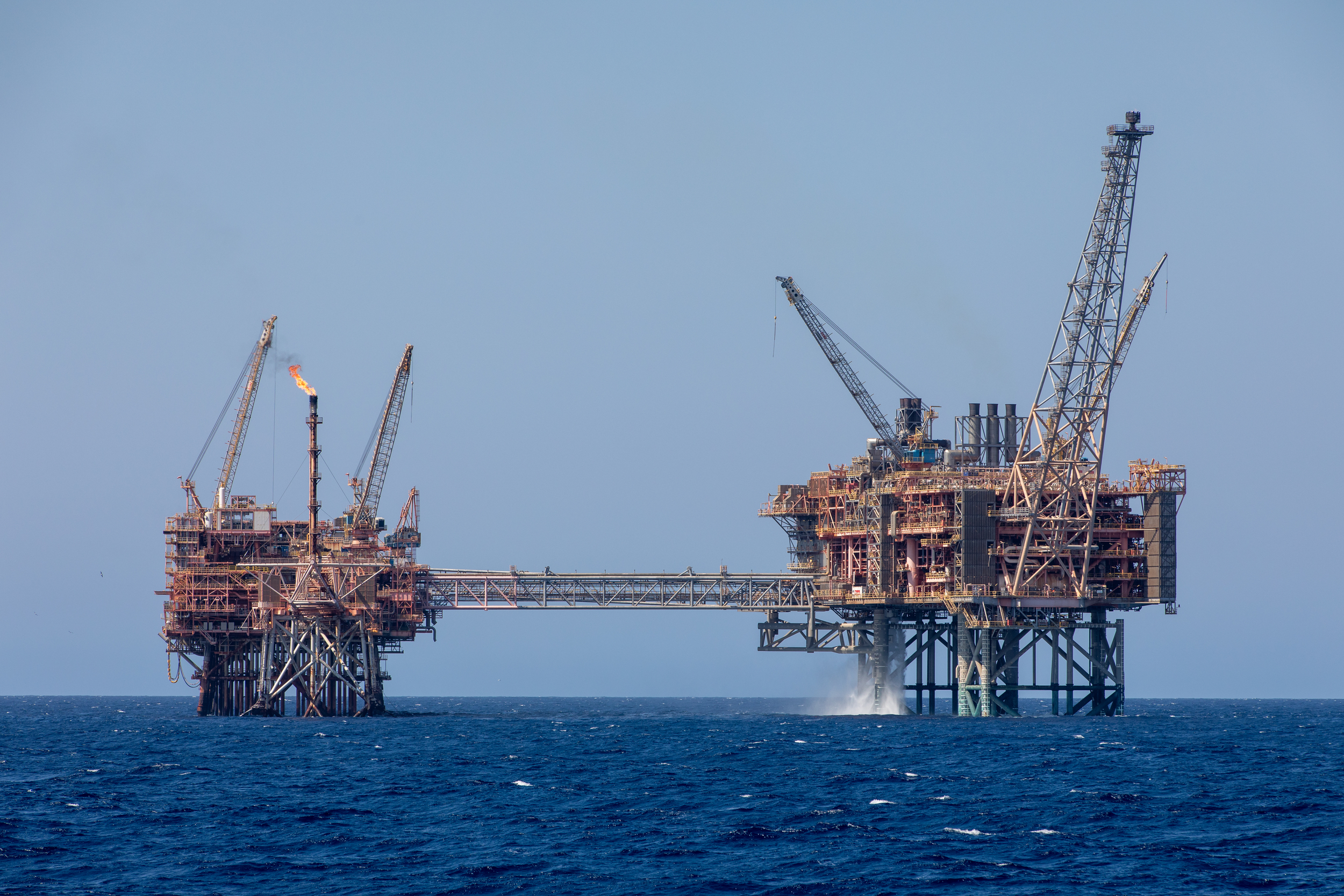
Turning Ocean Trash into Transition Treasure
Sitting off the North West Coast of Western Australia lies a strange abundance of material that could be a significant new industry for WA’s economy. No, it’s not more oil…
-
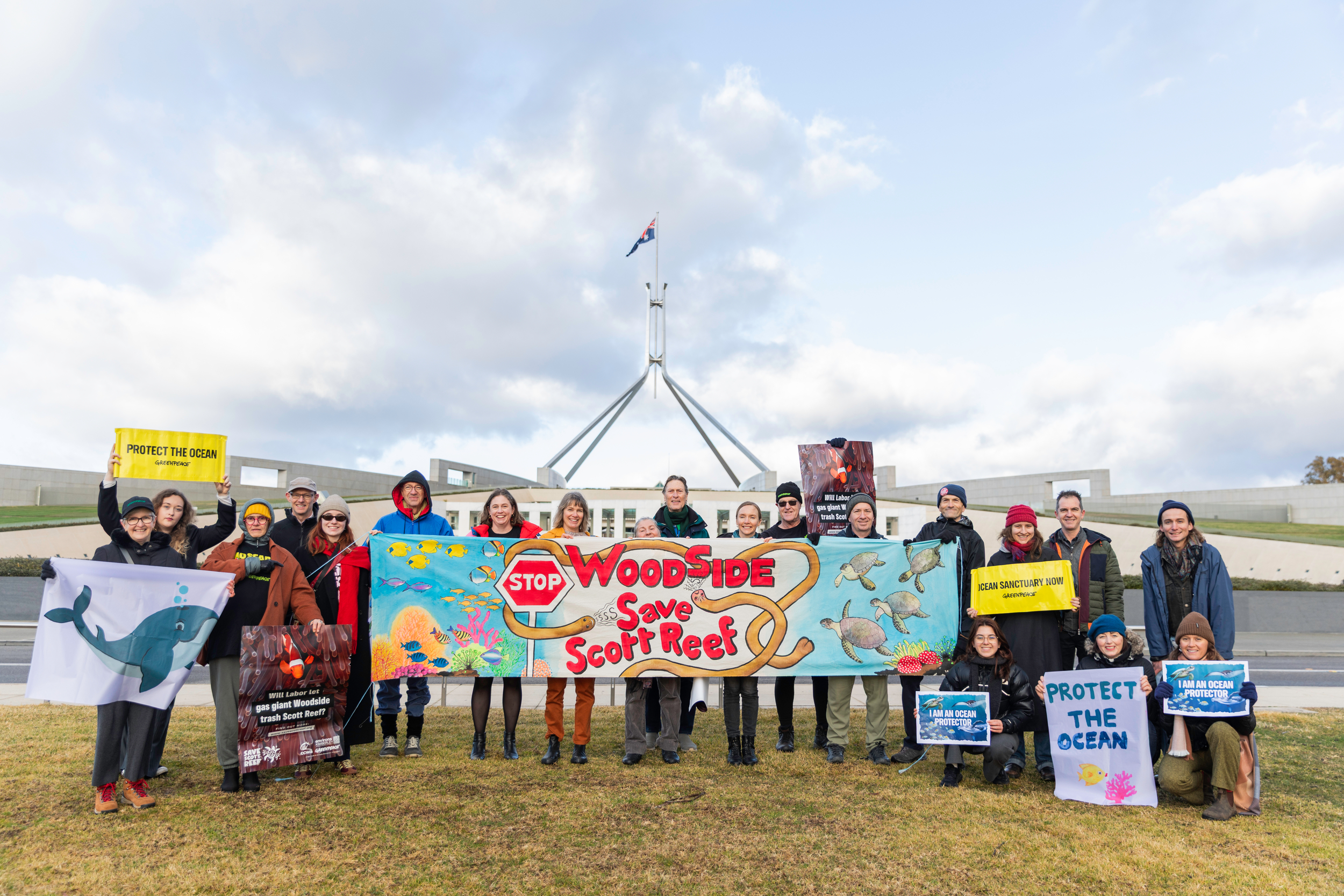
Ocean Protector Lobby Trip to Save Scott Reef
On Monday 28th July, 17 amazing volunteers and 10 staff came from across the country to meet with our elected representatives in parliament on the issue of Saving Scott Reef.
-
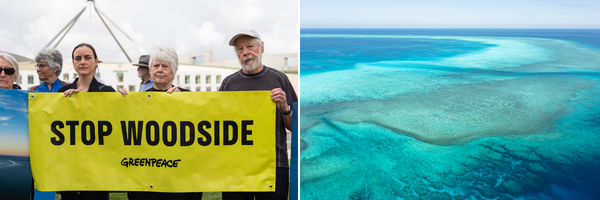
Ocean Protectors Lobby Day
On the 28th July Greenpeace staff and a dozen ocean protector volunteers will travel to Canberra to meet with Members of Parliament and Senators. Why? To call on the Government…
-
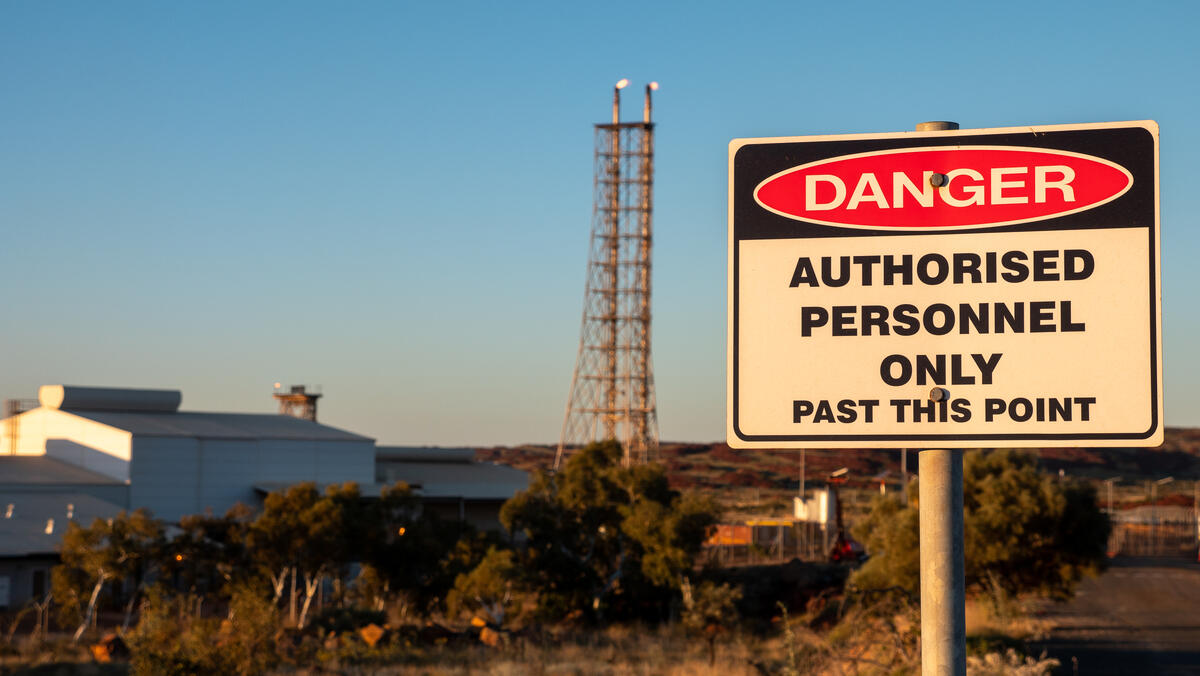
A License to Pollute: Woodside’s Dirty Deal Just Got a Federal Tick
The new Federal Environment Minister Murray Watt just made a decision that has left climate and ocean defenders across the country stunned and outraged.
-
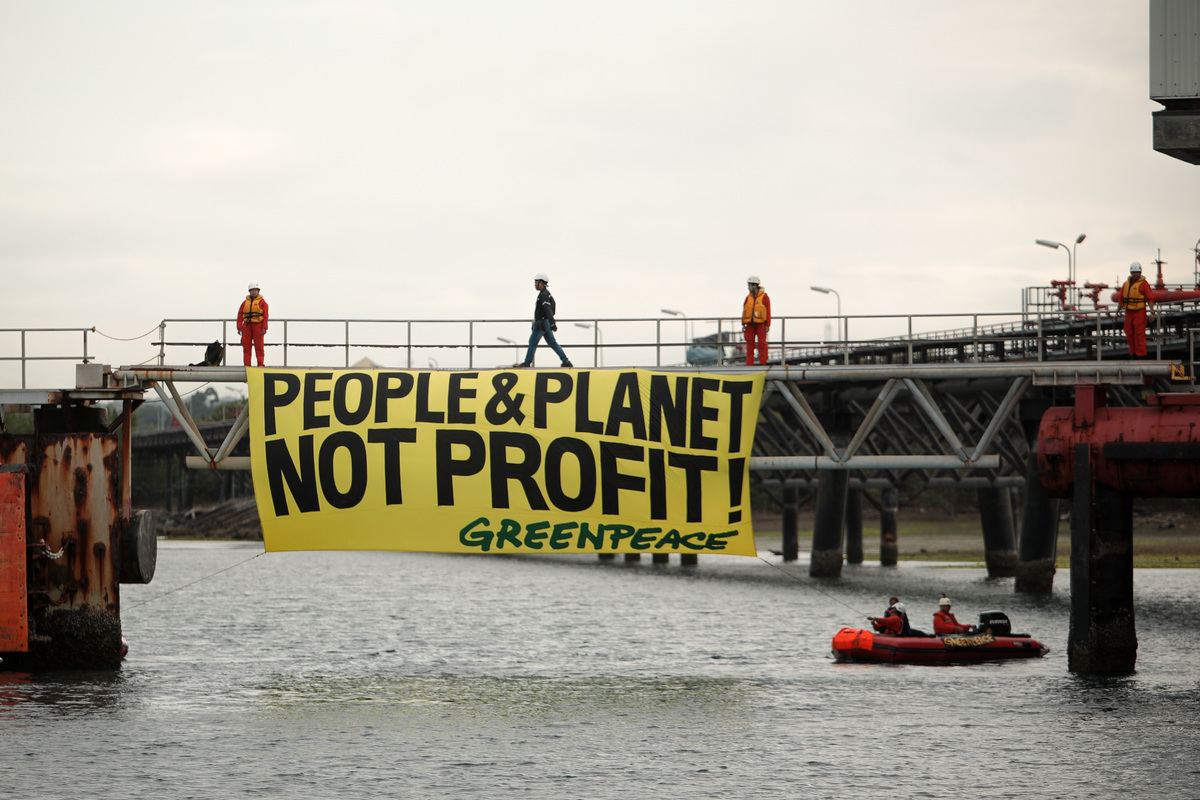
“They Profit, We Pay the Price”: Gas giants cash in while communities shoulder the costs of climate disasters
“They Profit, We Pay the Price”: Gas giants cash in while communities shoulder the costs of climate disastersSYDNEY, Wednesday 24 February 2026 — Greenpeace Australia Pacific has slammed multinational gas…
-
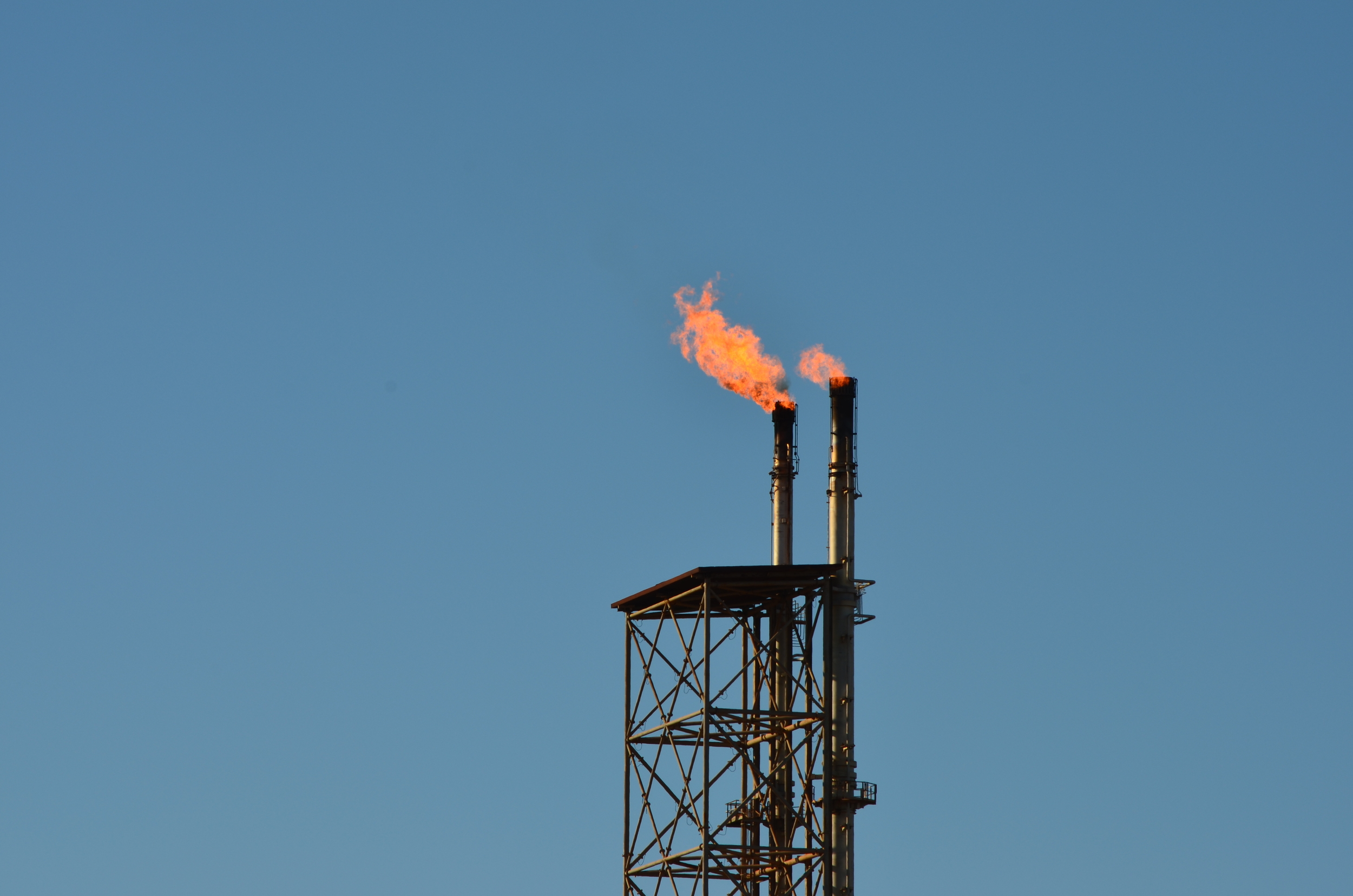
Woodside’s North West Shelf scandal a warning sign ahead of Browse approvals
PERTH, Monday 23 February 2026 — New information about one of Australia’s most polluting fossil fuel projects, Woodside’s North West Shelf gas extension, proves the fossil fuel multinational can’t be…
-
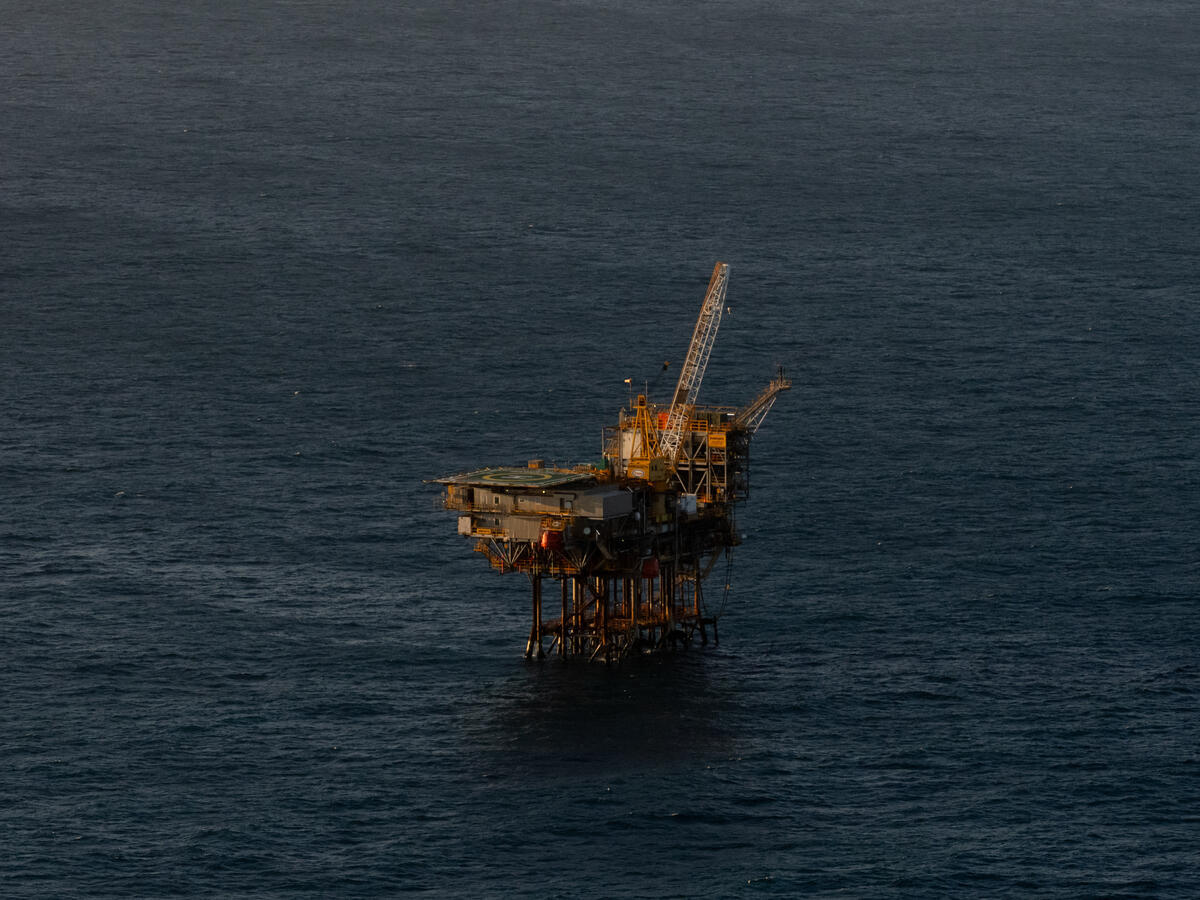
Two major incidents in six months: ConocoPhillips can’t be trusted to drill for gas off VIC coast
Melbourne, Monday 2 February 2026 — US multinational oil and gas corporation, ConocoPhillips, has been linked to its second major incident in just six months after an oil rig toppled…
-
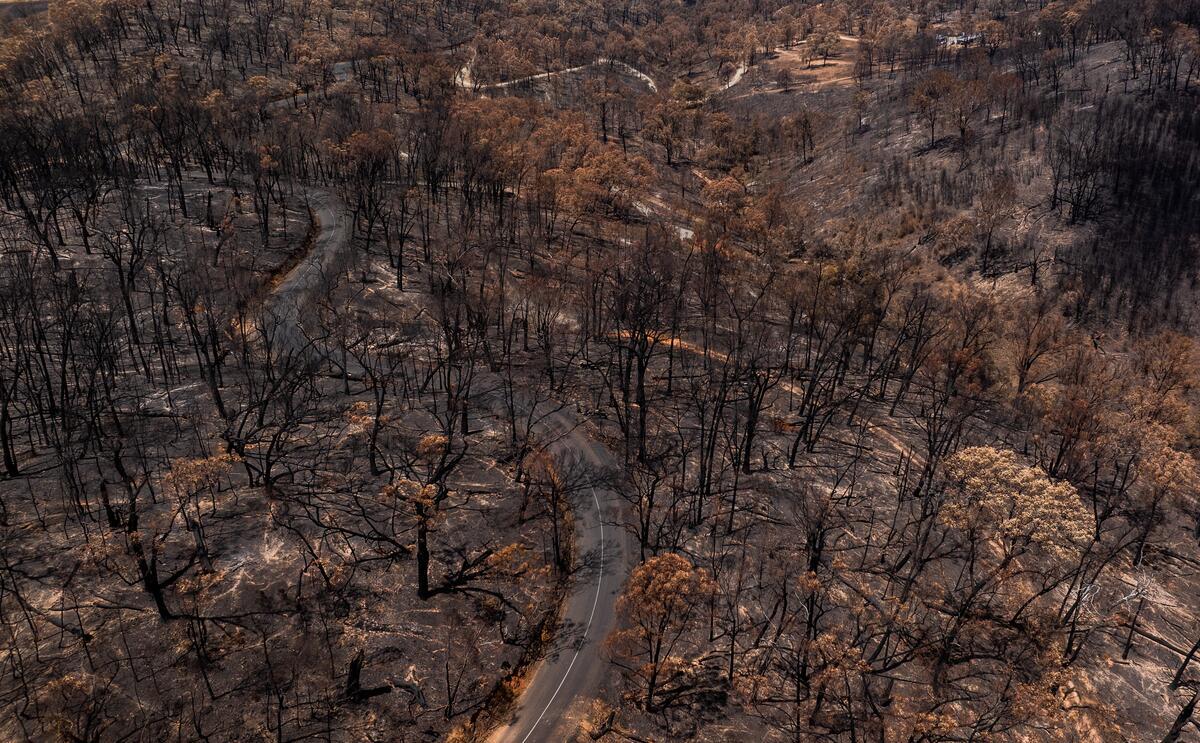
New images show bushfire devastation in Victoria as offshore gas drilling in Otway Basin continues
MELBOURNE, Tuesday 27 January 2026 — New images of bushfire impacts, and aerial footage captured exclusively by Greenpeace Australia Pacific, show gas exploration continuing off the coast of Victoria as…
-
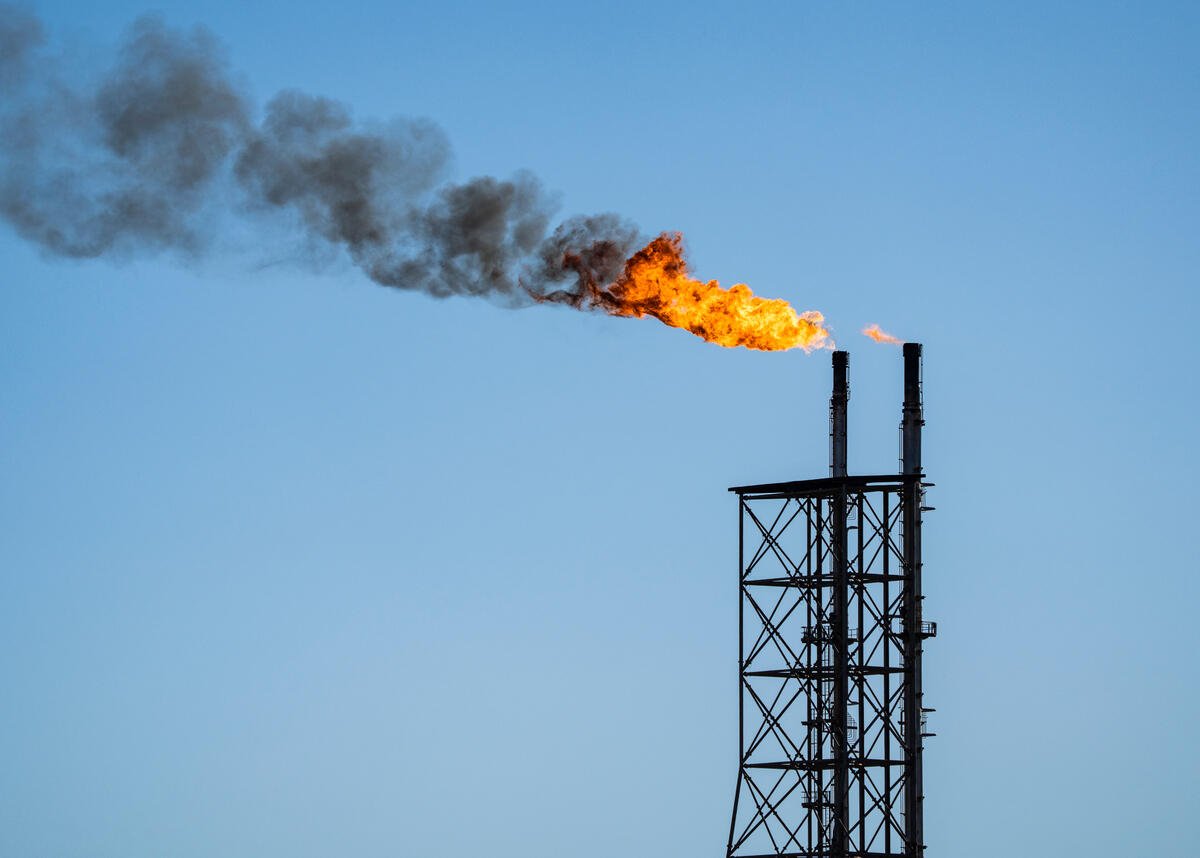
Albanese Government’s gas policy risks deepening fossil fuel dependence
SYDNEY, Monday 22 December 2025 — Greenpeace Australia Pacific has warned the government’s new gas reservation policy risks keeping us hooked on a polluting industry that only cares about its…
-
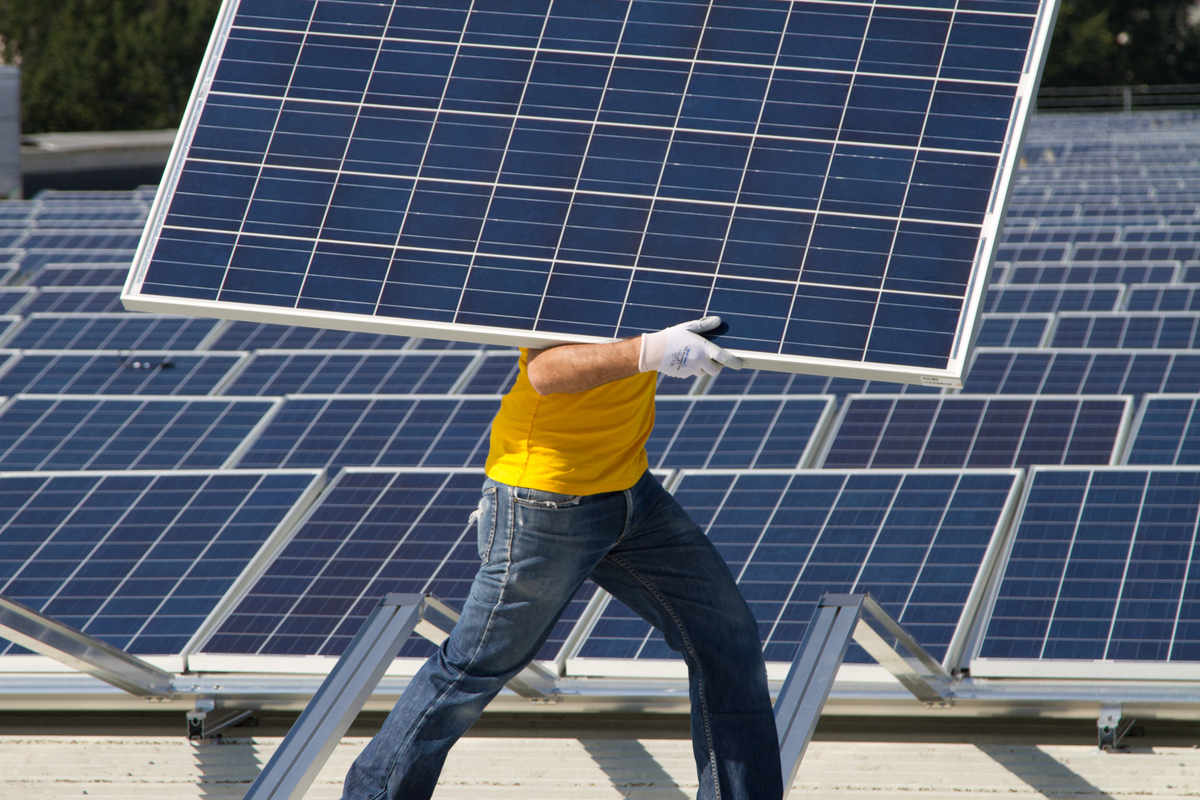
Cheaper, faster, cleaner: Cook government must phase out gas and ramp up renewable rollout
PERTH, Friday 19 December 2025 — Greenpeace Australia Pacific has called on the WA Cook Government to accelerate the electrification of the state’s key industries to address the projected shortages…
-
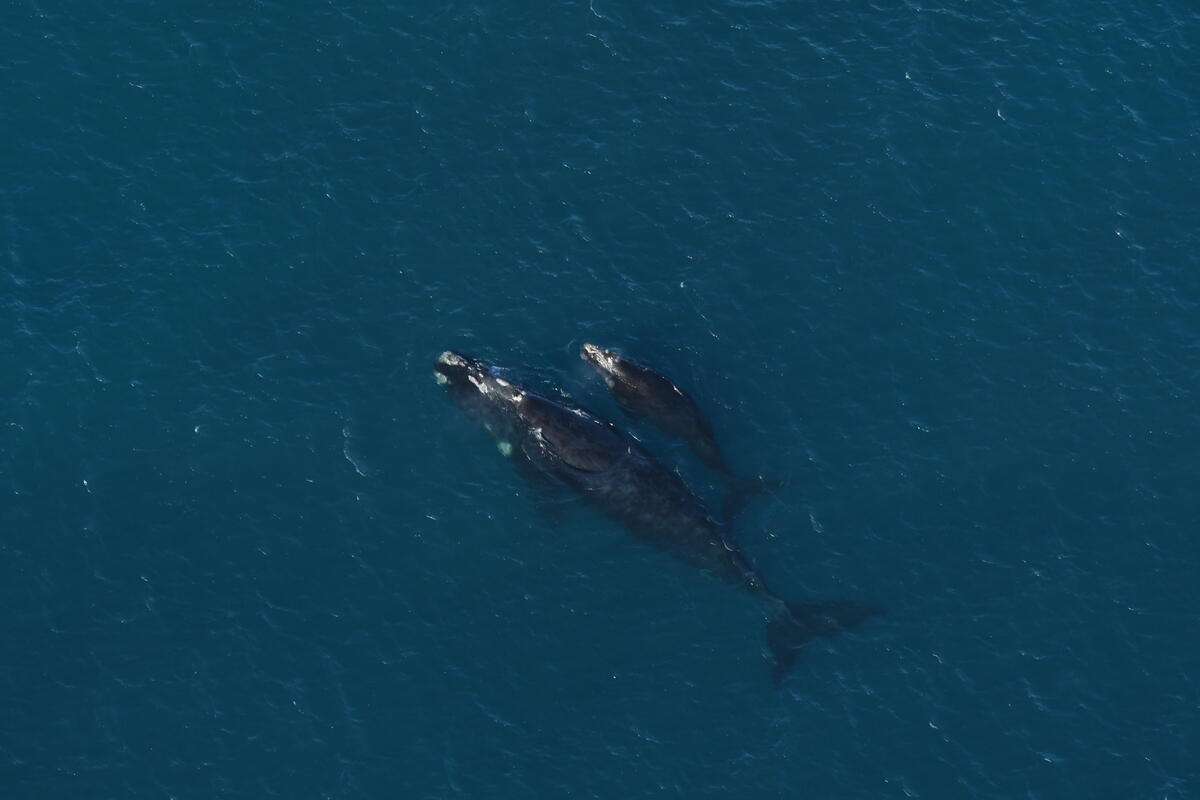
Victorian Government gas exploration tenders put corporate profits over communities and climate
SYDNEY, Wednesday 10 December 2025 — Greenpeace Australia Pacific has slammed the Victorian government’s decision to press ahead with two new gas exploration license tenders, saying it “flies in the…
-
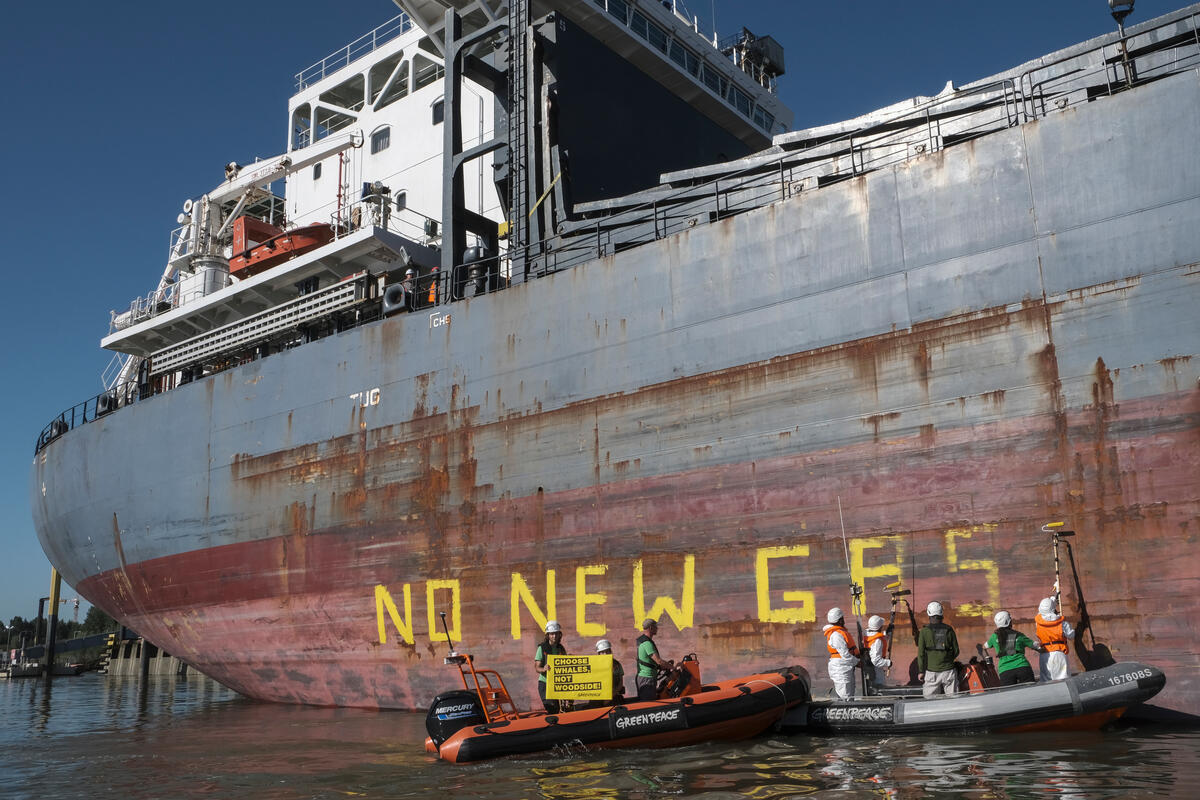
Labor must stop propping up dirty gas and support industry to decarbonise
SYDNEY, Monday 8 December 2025 — Greenpeace Australia Pacific has warned the Albanese government against plans to subsidise gas for industrial users, saying it should instead be supporting industry to…
For media requests including interviews, broadcast-ready video and high-resolution photos, visit the Greenpeace Media Centre.
-

REPORT: WA Can’t Wait
Australia can’t wait. WA must lead the way by building a large-scale decommissioning hub for our environment, for jobs, and for a green energy future.
-

REPORT: Forging our Future
Forging Our Future sets out the ten requirements needed to build a green iron industry in WA quickly.
-
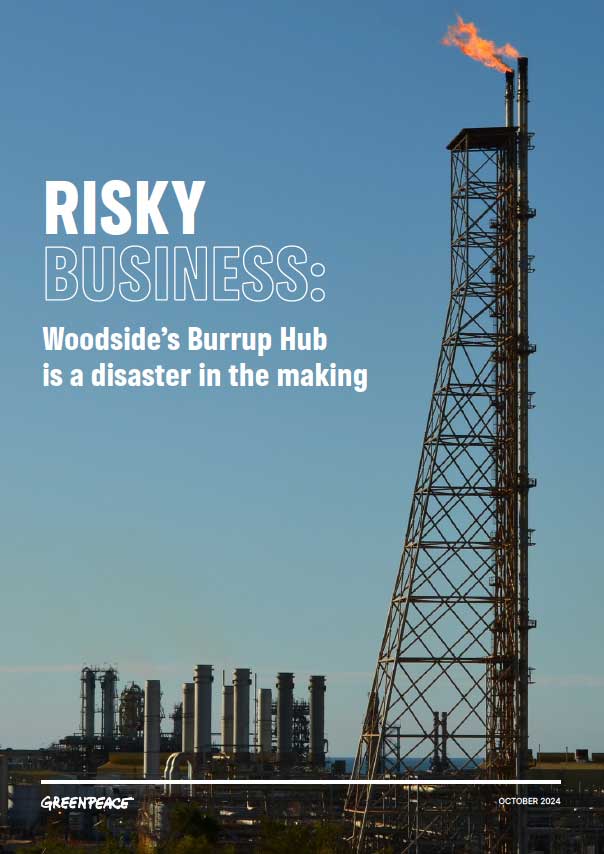
REPORT: Risky Business. Woodside’s Burrup Hub is a disaster in the making.
Woodside’s Burrup Hub gas project is the nation’s biggest fossil fuel threat. If approved, it will jeopardise 54 vulnerable species, spew out 6.1 billion tonnes of CO2 and generate 13 times Australia’s annual emissions. Our Environment Minister has the power to stop this dangerous project from going ahead and define Labor’s legacy on nature.
-

REPORT: “One Spill Will Kill”: A Disaster in the Making
Greenpeace Australia Pacific believes Woodside cannot be trusted when it comes to our oceans, reefs and marine life.
-
REPORT: Blasting our Ocean: Woodside’s Dangerous Seismic Plan
Woodside Energy aims to start risky seismic surveying for its Scarborough gas project. The process uses underwater airguns to blast powerful sound waves towards the seabed to assess fossil fuel…
-

BRIEFING: Woodside Investor Briefing
Woodside promotes itself heavily to the public and its investors as a positive contributor to the climate transition. However, its actions indicate otherwise, and expose the company and its investors to multiple risks. Greenpeace has significant concerns about how Woodside is managing this risk. Woodside’s actions also expose the company and its investors to short-term…
-
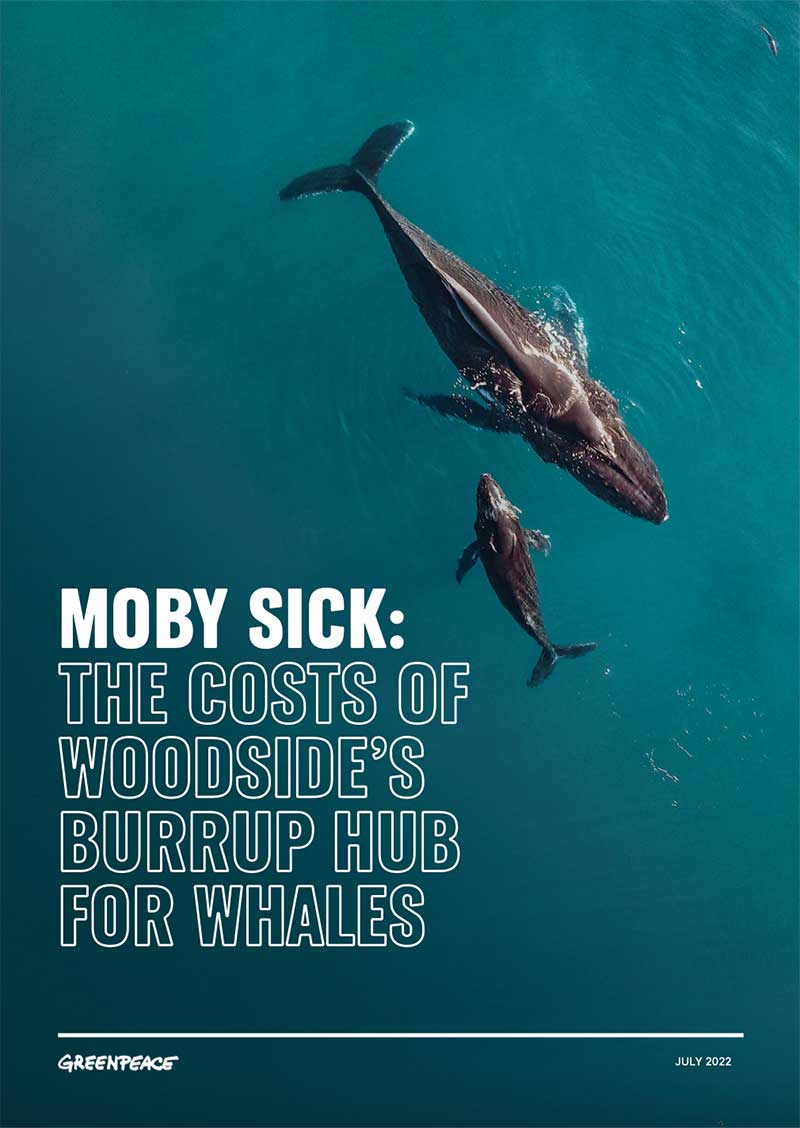
REPORT: Moby Sick: The Costs of Woodside’s Burrup Hub for Whales
Woodside Energy plans to build the ‘Burrup Hub’ within the known habitat of several threatened and migratory whale species in north west Australian waters.
-
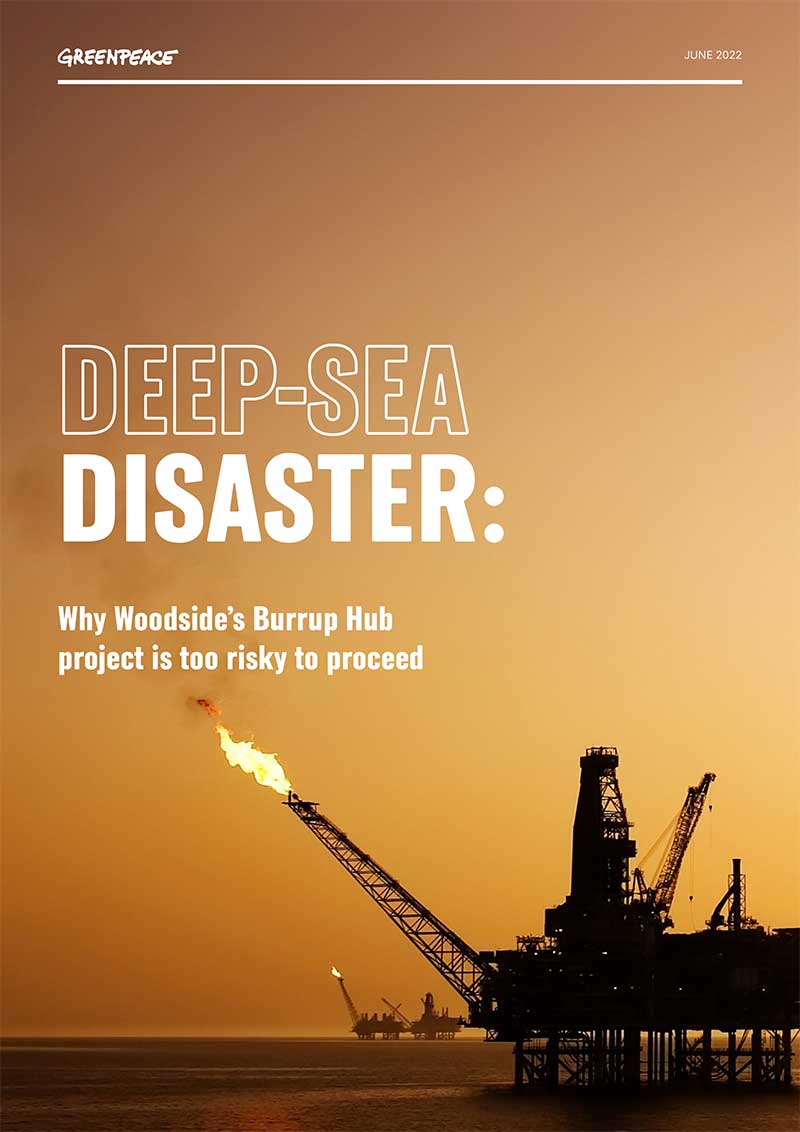
REPORT: Deep-Sea Disaster, Why Woodside’s Burrup Hub project is too risky to proceed
A spill or accident at Woodside’s Burrup Hub gas project could release toxic gas and condensate of a similar consistency to crude oil into World Heritage listed marine parks, with…
-
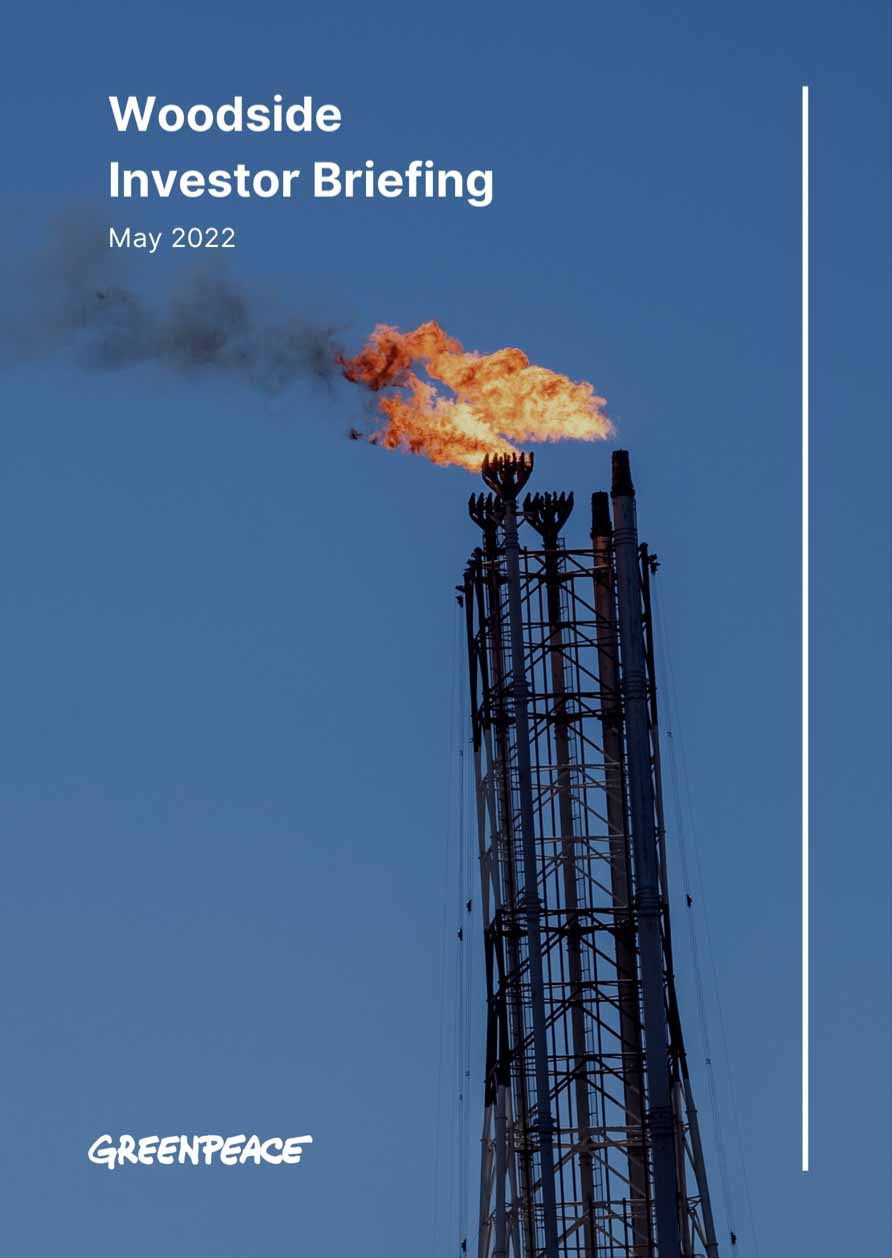
BRIEFING: Woodside Investor Briefing 2022
Greenpeace is concerned about Woodside’s current production plans and has identified 12 key risks associated with them.
Keep informed
Together we are part of a growing, global movement determined to bring about the changes our planet desperately needs. Sign up to receive updates on our campaigns.