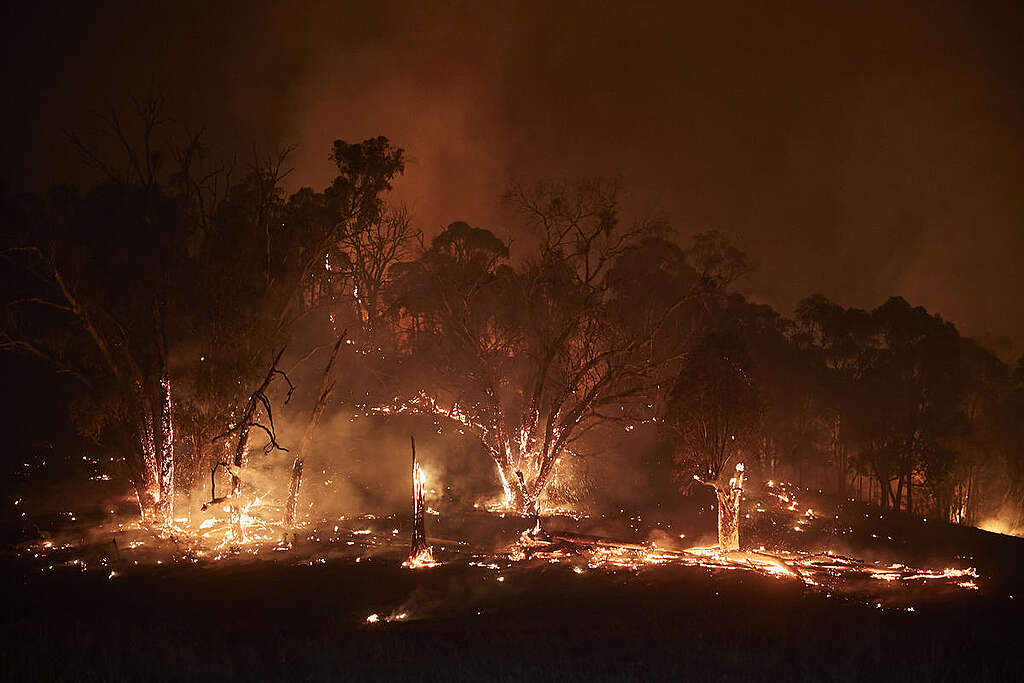
Make Polluters Pay
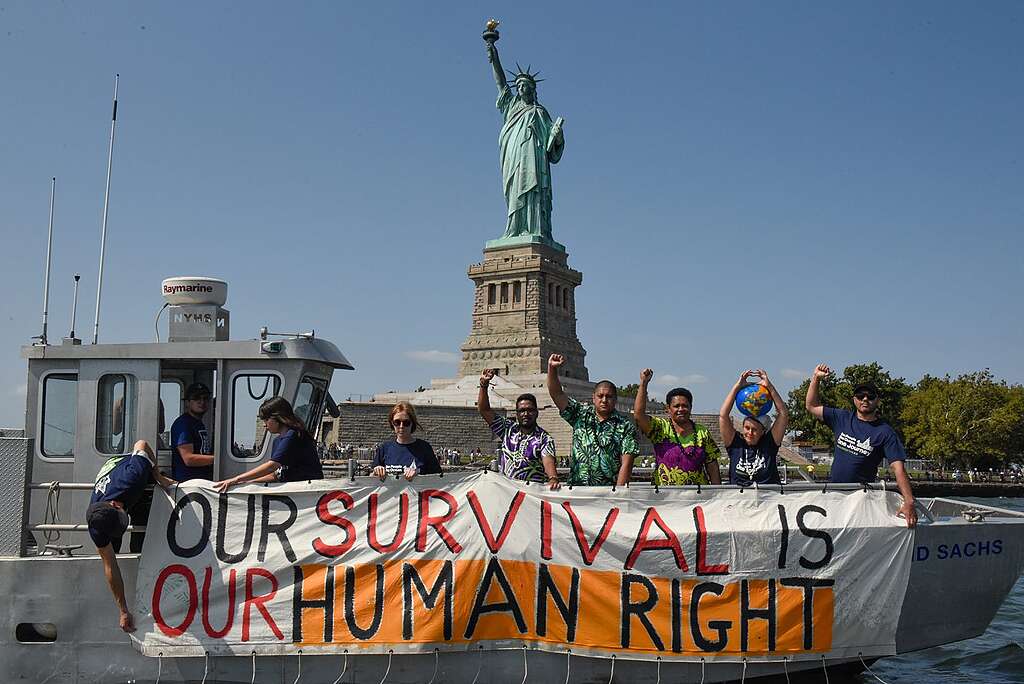
Global Climate Talks
Nuclear Justice
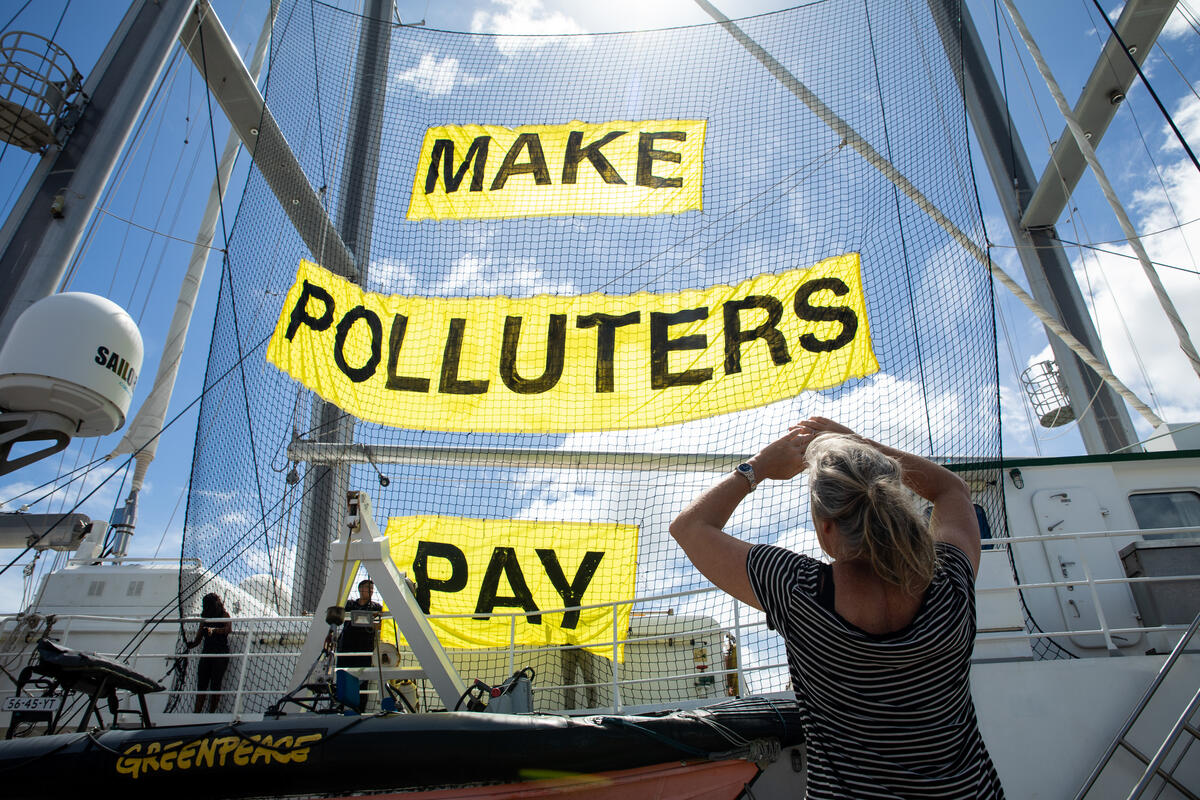
Make Polluters Pay for Climate Damage
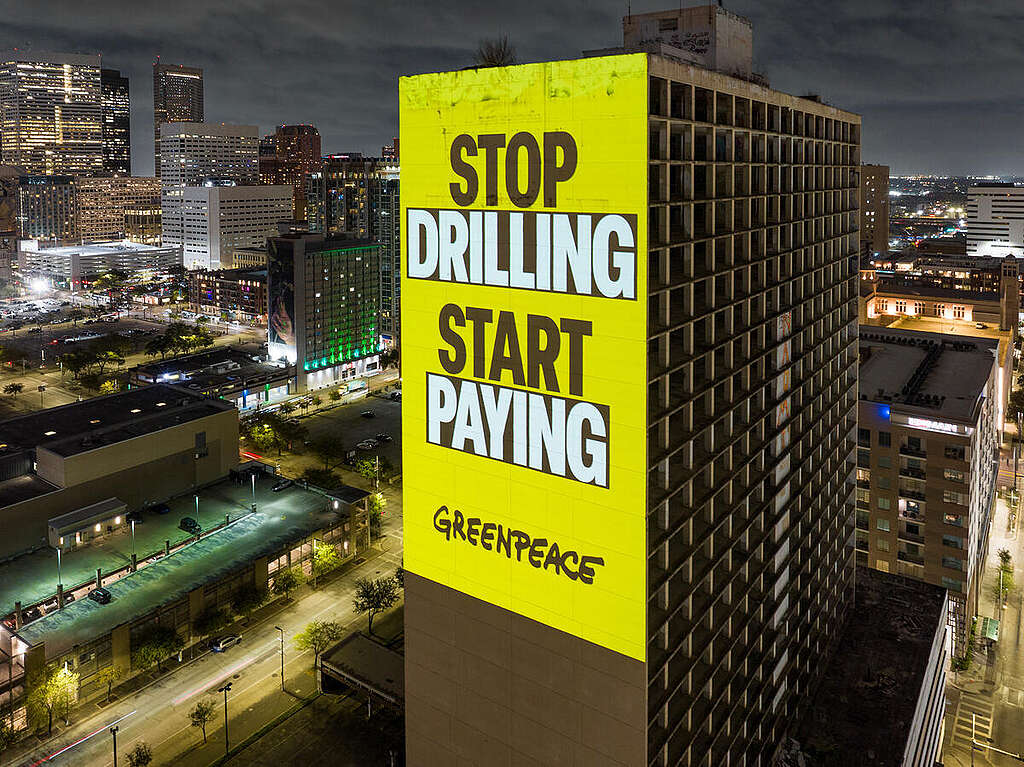
In Australia and across the Pacific, we’re facing the harsh realities of climate damage. But while ordinary families pay the price, big coal, oil, and gas corporations make billions in profits. This isn’t fair.
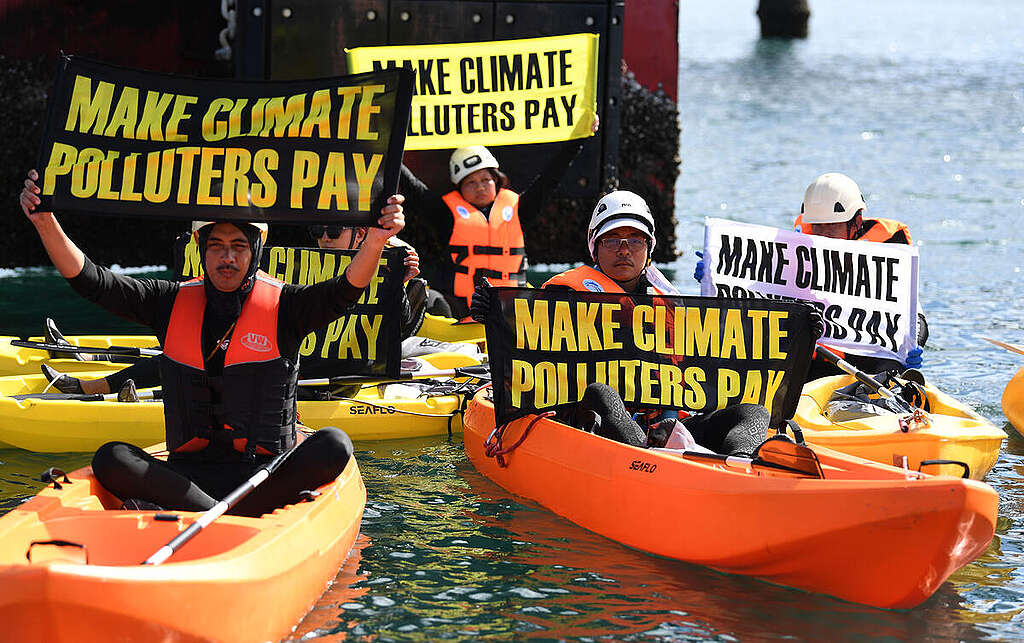
Ways to get involved
-
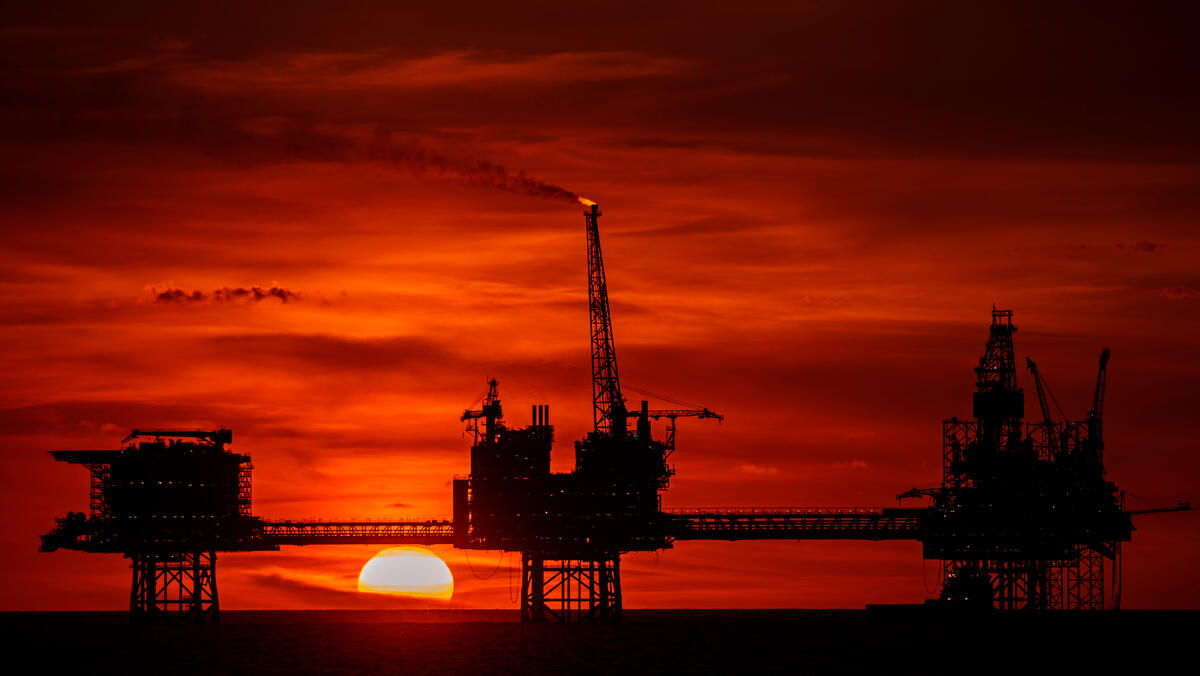
Big Gas. Big Lies. Big Damage.
Will you help fund the fight to stop gas corporations from drilling our ocean?
-
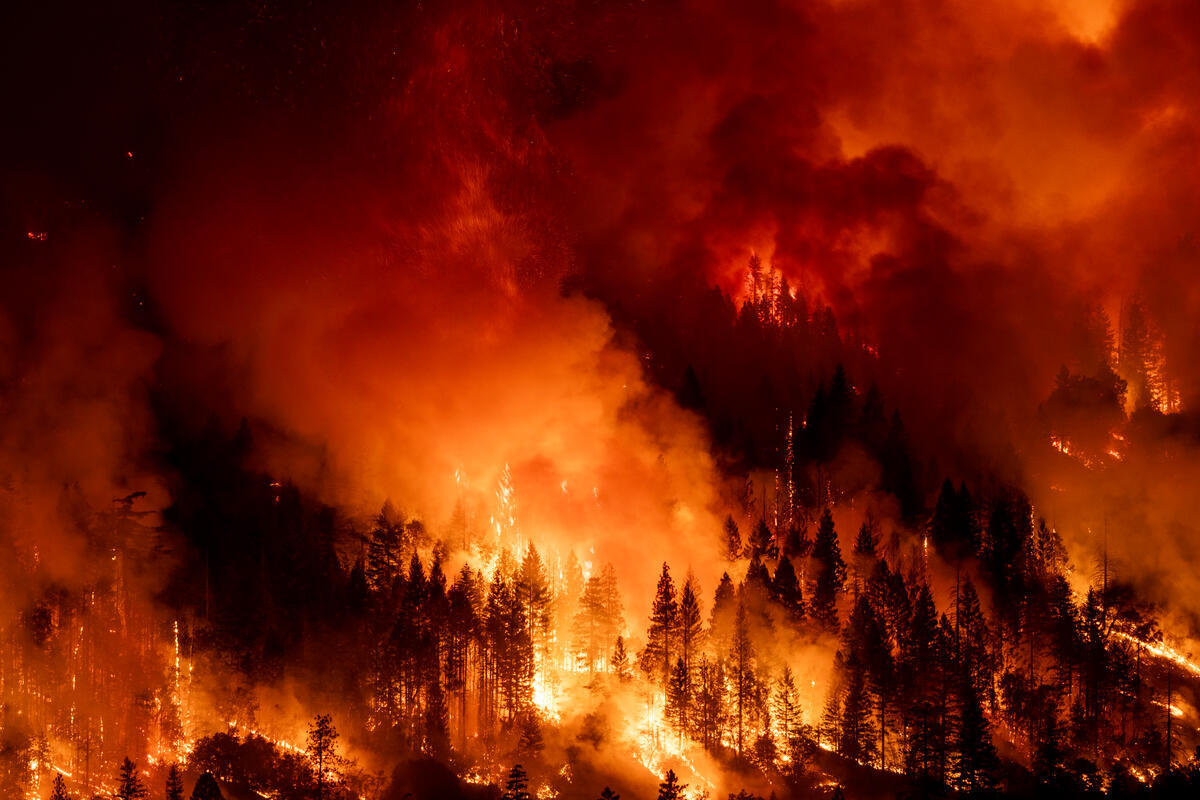
Make Polluters Pay
It’s time to make polluters pay. If corporations paid fair taxes on their profits and pollution we could support communities impacted by climate change while also transitioning away from fossil fuels.
-
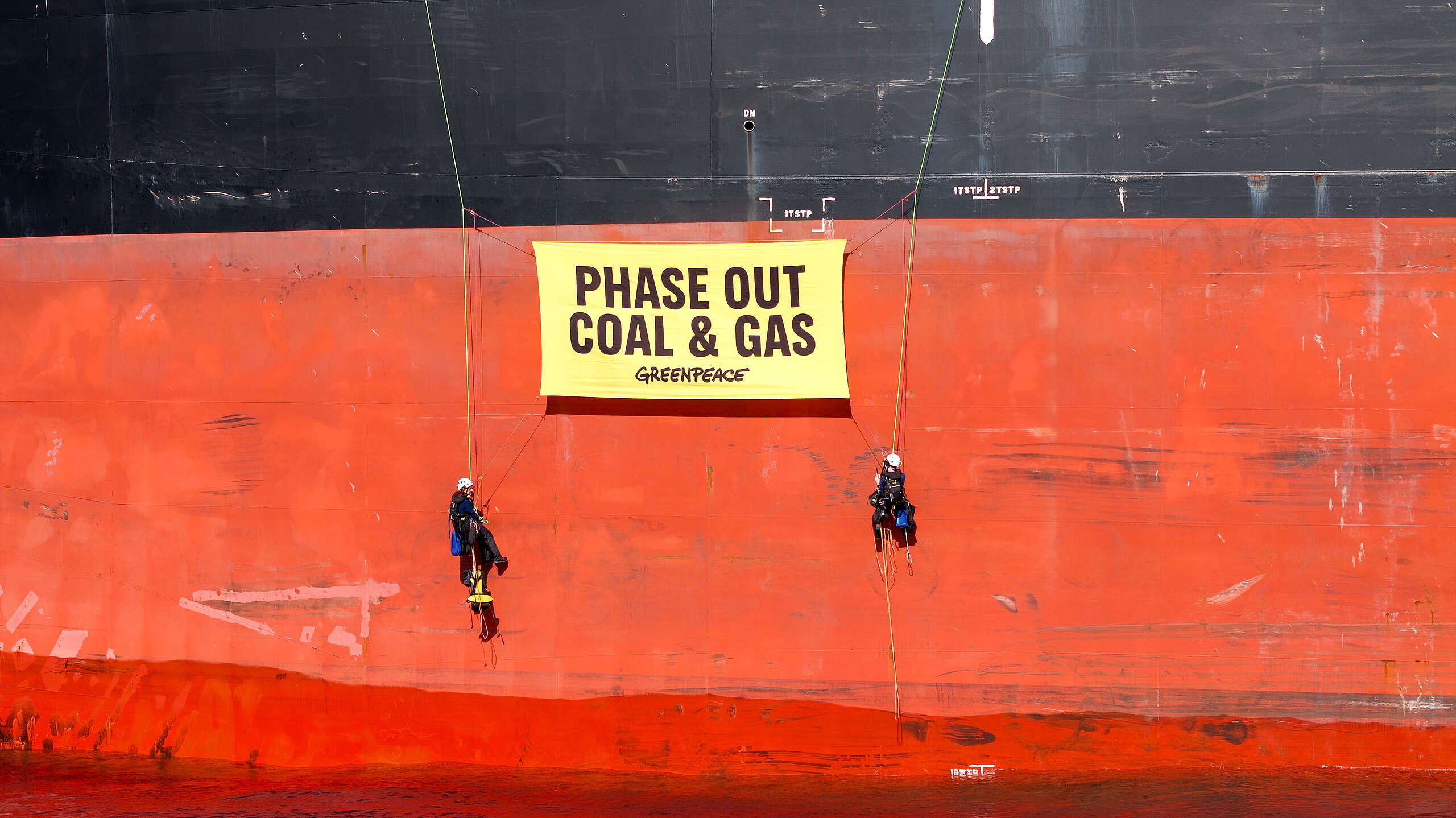
Stop New Coal, Oil and Gas Projects
Sign the petition to demand the Australian Government stop new coal, oil and gas projects now.
62%
The percentage of Australians who agree that coal, oil and gas corporations should pay for the damage caused by their climate pollution.
$38B
The economic cost of disasters each year in Australia, on average.
$370B
The approximate amount Australia’s coal, oil and gas corporations are making in revenue per year, while paying little or no tax.
The problem
Climate disasters are already costing Australia an average of $38 billion per year, which breaks down to about $3,800 per household. These costs could skyrocket to $94 billion by 2060.
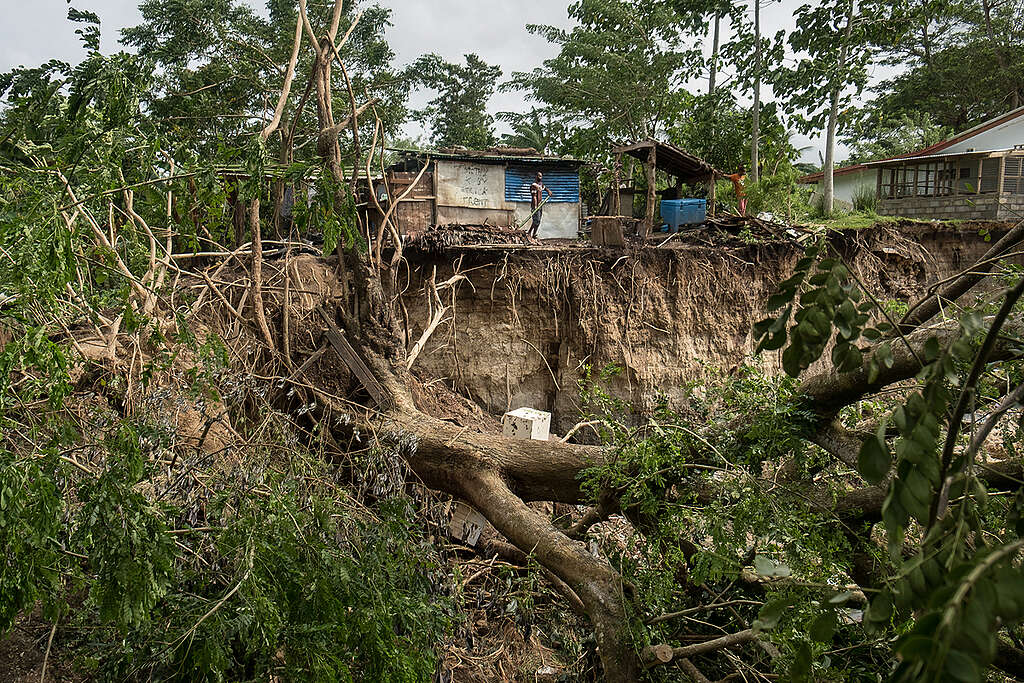
For the Pacific the cost of climate change – including for adaptation (adapting to climate impacts), loss and damage (Compensation for impacts already felt), and mitigation (transitioning away from fossil fuels) exceeds $2 billion each year. This is just a conservative estimate, and costs are predicted to increase dramatically in the coming years as the global climate continues to warm.
What is Greenpeace doing?
We’re calling for a Climate Pollution Levy to ensure coal, gas, and oil corporations pay the true cost of their product – instead of communities paying the price. This reflects the immense damage the industry causes to our homes and communities.
A $45 per tonne of CO2e levy could generate approximately $46 billion in 2030, aligning with carbon pricing mechanisms already in place around the world, like the EU carbon price and the EU Carbon Border Adjustment Mechanism.
Revenue from this levy would go entirely into a Climate Compensation Fund that could be spent on providing much-needed help to communities hit by climate disasters, shielding vulnerable households from rising climate costs, supporting workers as we move towards a greener economy, and Australia’s fair share towards global climate efforts.
We need this levy in place because our economy is rigged in favour of Big Polluters. Fossil fuel giants are making huge profits while paying barely any tax and receiving billions in government handouts.
Frequently asked questions
Money from the levy could be redistributed to the most climate-impacted communities, to those on the frontlines of the climate crisis, and towards a fair energy transition.
Specifically, we can use funds from a levy to:
• Protect people’s health: Fund emergency services to help people during climate disasters.
• Prioritise fairness: Ensure communities most impacted and least responsible for the climate crisis are supported and can self-determine how they prepare for and recover from impacts. This includes funds for First Nations and Pacific peoples.
• Equip first responders: Provide the tools and resources needed to respond to escalating bushfires, floods and heatwaves.
• Make homes and infrastructure resilient: Strengthen homes and city infrastructure – roads, rail and utilities – to better withstand extreme weather.
• Provide a financial safety net: Ensure disaster relief and rebuilding efforts are funded so families aren’t left paying the bill.
• Compensate for losses and damages related to extreme weather events – even though many losses cannot be replaced by money. Particularly, providing funds to Pacific communities who are most impacted and least responsible for climate change.
• Fund a just transition: Support the transition to renewable energy and ensure the communities and workers most impacted by this change have the support they need.
• Household energy efficiency initiatives: Support households to implement energy efficiency upgrades and move towards low emissions technology, e.g. small batteries for households and community facilities.
It is a core priority to ensure a Climate Pollution Levy would be designed with proper guardrails so that big polluters couldn’t do this.
Examples of safeguards that could be implemented include:
• Price controls to respond to increases in electricity prices to ensure costs aren’t passed on to everyday consumers.
• Governments could prohibit and apply sanctions to companies that pass on the cost of the levy onto consumers, as was done by Italy in implementing its windfall profits tax on banks in 2023.
• The government can redivert money from the compensation fund to ensure those most impacted by an increase in prices, e.g. low-income households, are given cost relief and compensated for any potential immediate rise in costs
At its core, climate change is a justice issue. We know that those least responsible for the crisis are the most impacted by it. For example, Pacific island nations are experiencing the worst of climate change while contributing less than 0.03% of historical greenhouse gas emissions (which is what’s driving climate change).
Australia has benefited from fossil fuel extraction for decades, and big polluting corporations have knowingly continued to worsen climate change. Australia is also one of the largest producers and exporters of fossil fuels in the world, and has a responsibility to support nations impacted by its actions. This is particularly true for our closest neighbours, who have close ties with Australia, and who cannot afford to tackle climate change alone.

Change the law. Change the world
Join the fight for climate justice and help make big polluting countries accountable to those who are most impacted by climate change, donate now.
-

From Palau to Türkiye: Powering up for climate and ocean justice
Pacific Island countries have long been at the forefront of climate, ocean and biodiversity protection. Last week our team headed to Palau, to meet with community and government leaders and to plan for another big year ahead. Here’s some of what we explored together, and what’s in store over the coming months.
-
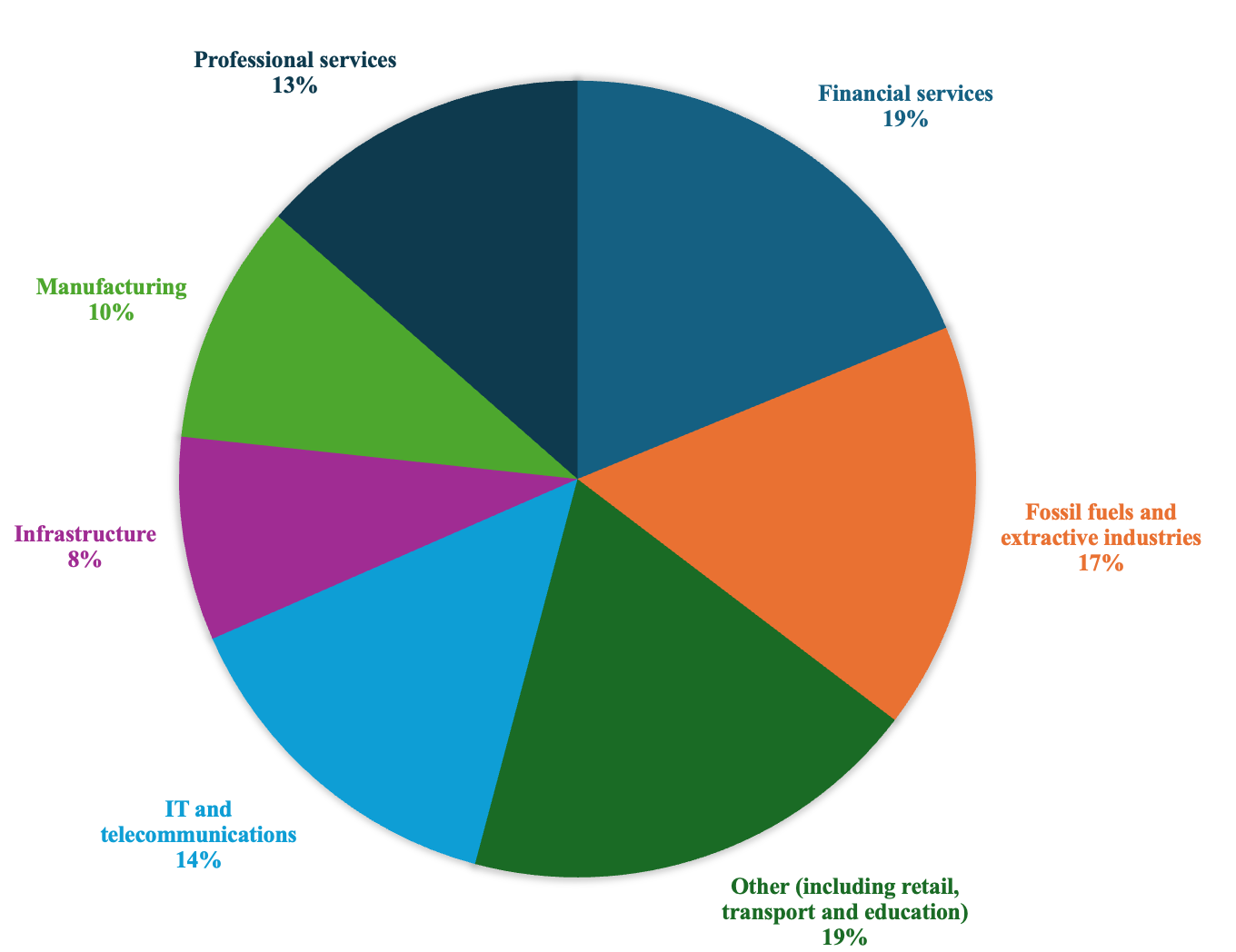
The fossil fuel takeover of the Business Council of Australia
The Business Council of Australia claims to represent the whole business community, but who is really pulling the strings?
-
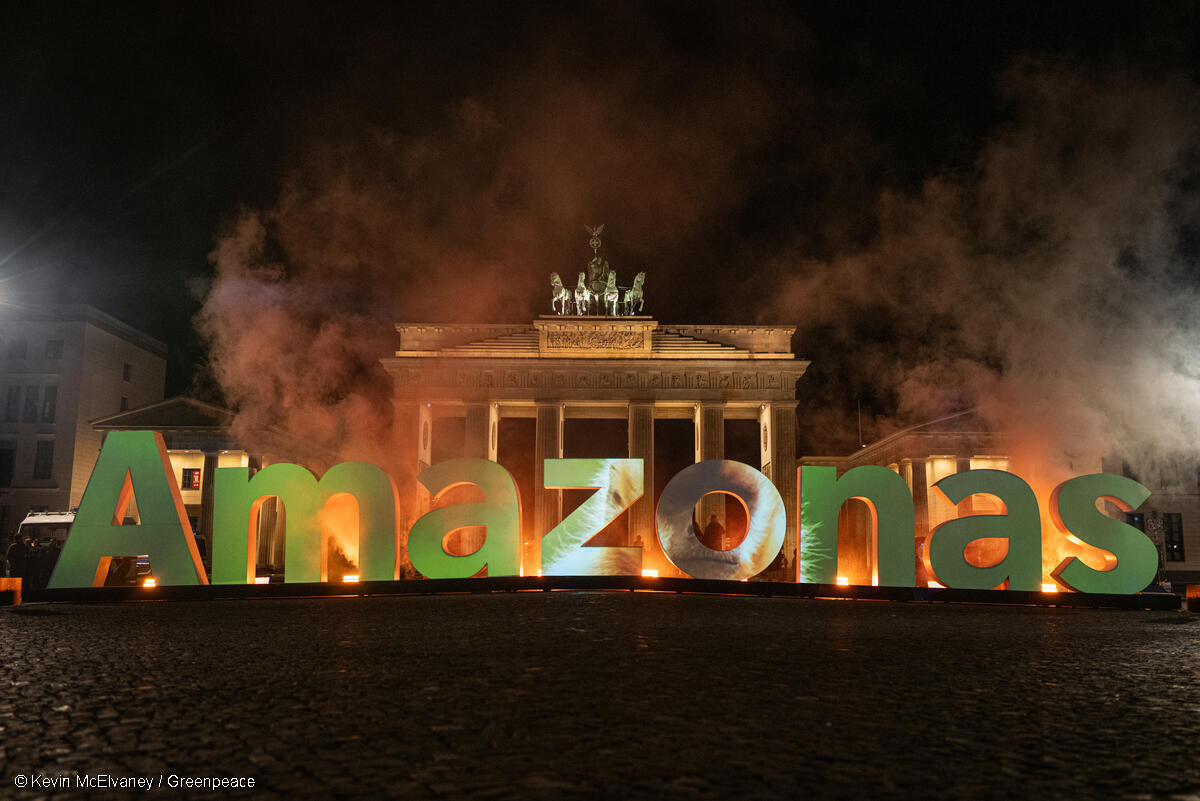
All eyes on Brazil: What to expect at COP30
We’ll be bringing you regular updates from the ground as the talks unfold – the wins, the losses, and the headaches – and will be putting the spotlight on Australia…
-
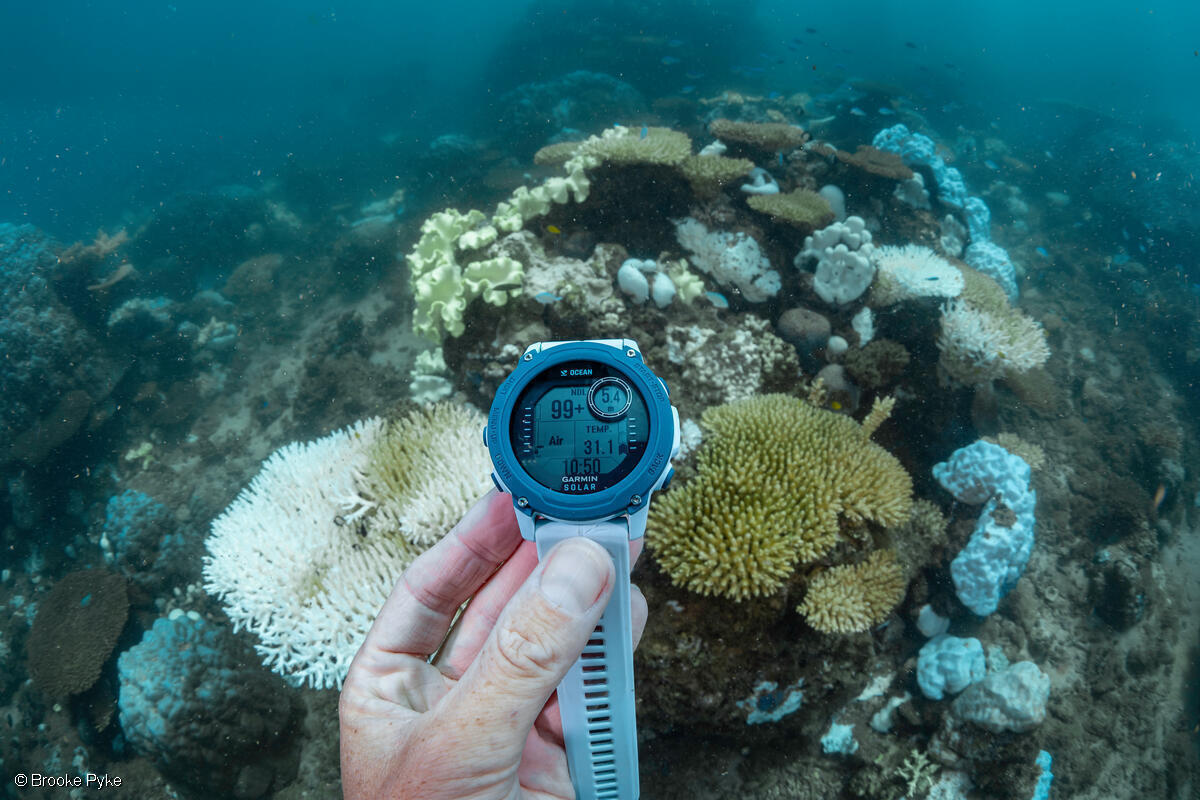
Soaring ocean temperatures: Australia’s iconic marine wonders are under attack
Ningaloo Reef on Australia’s west coast is an iconic marine ecosystem, home to breathtaking coral reefs, vibrant fish, and threatened species like whale sharks, green sea turtles and pygmy blue…
-
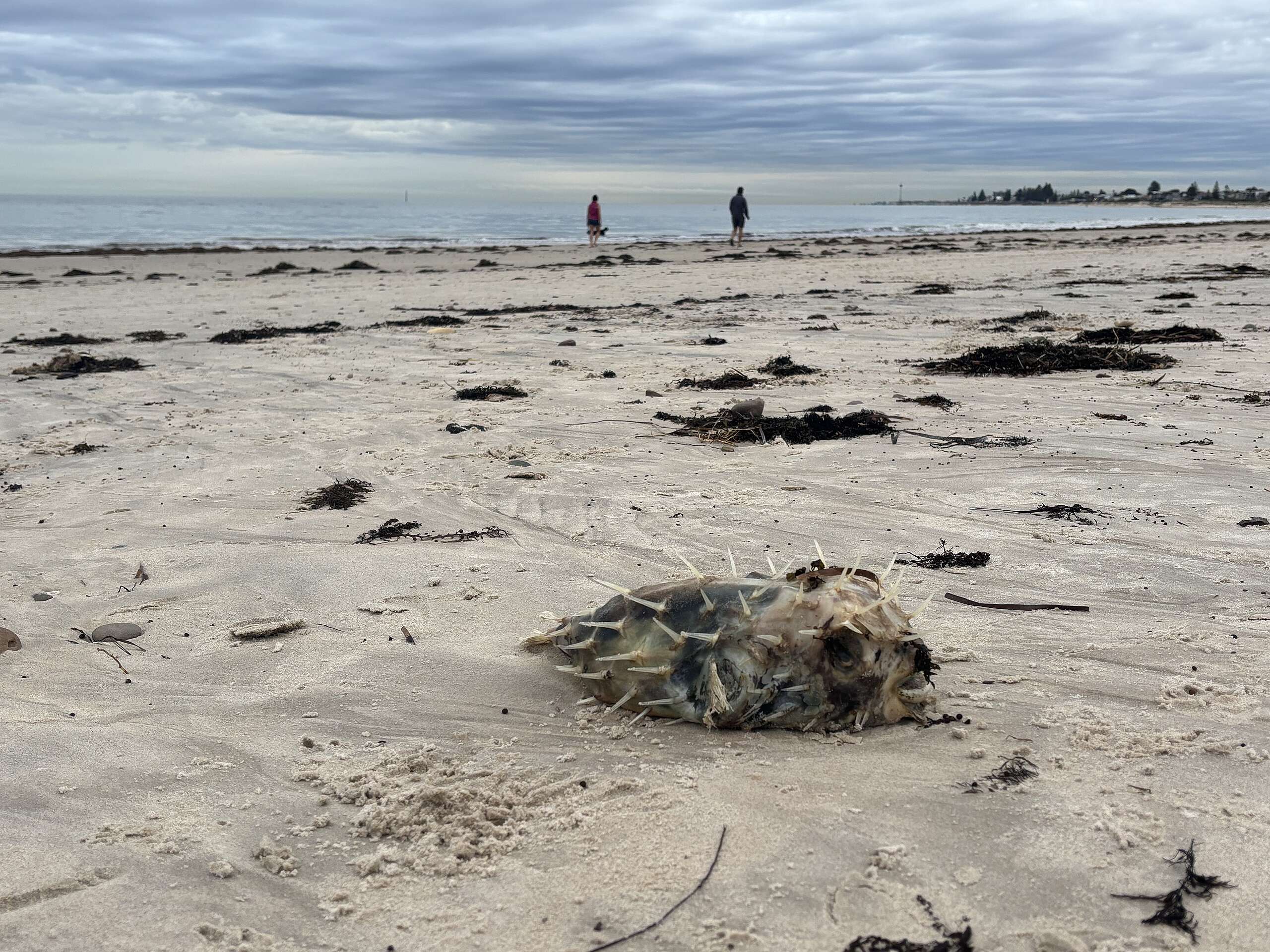
South Australia’s algal bloom is an unnatural disaster
Australia is currently facing an unprecedented marine disaster: a catastrophic harmful algal bloom stretching across 500 kilometres of South Australia’s coastline.
-
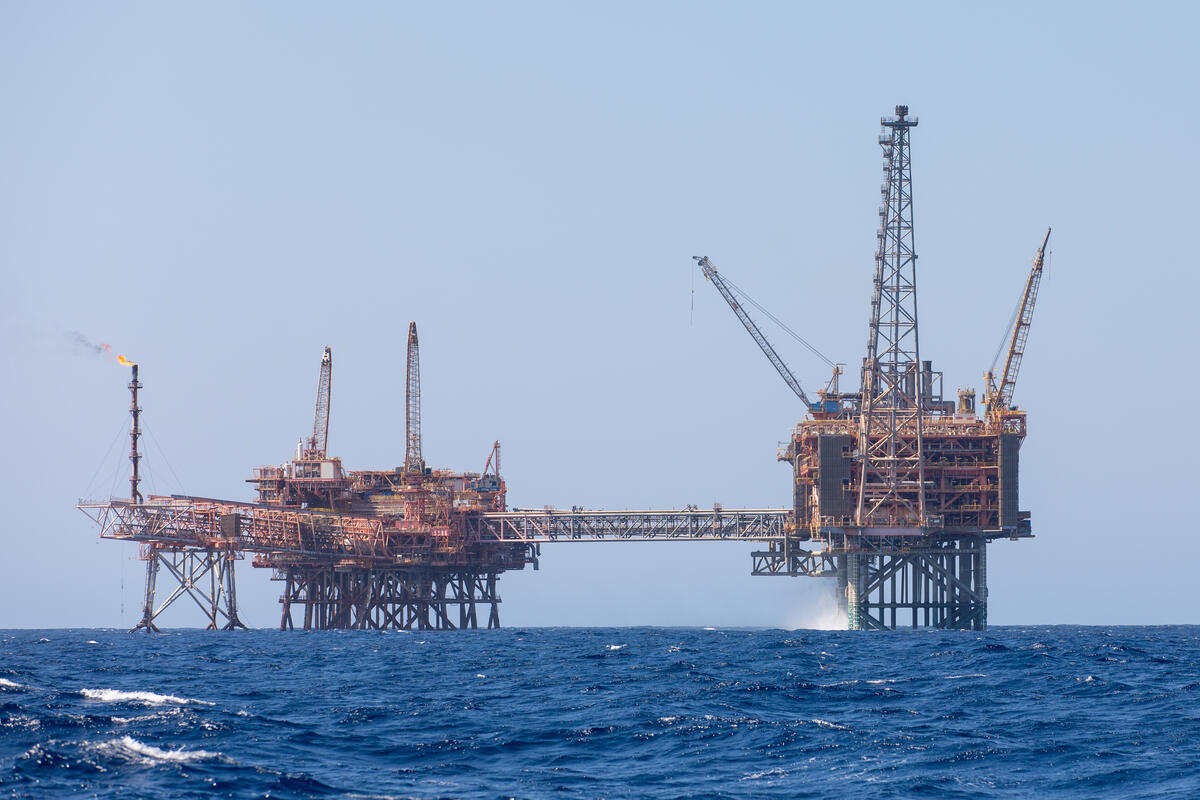
Woodside decommissioning “more like decomposing”: Greenpeace
PERTH, Friday 1 August 2025 — In response to reports fossil fuel giant Woodside has been hit with mandated orders over decommissioning by safety regulator NOPSEMA, the following statement can…
-
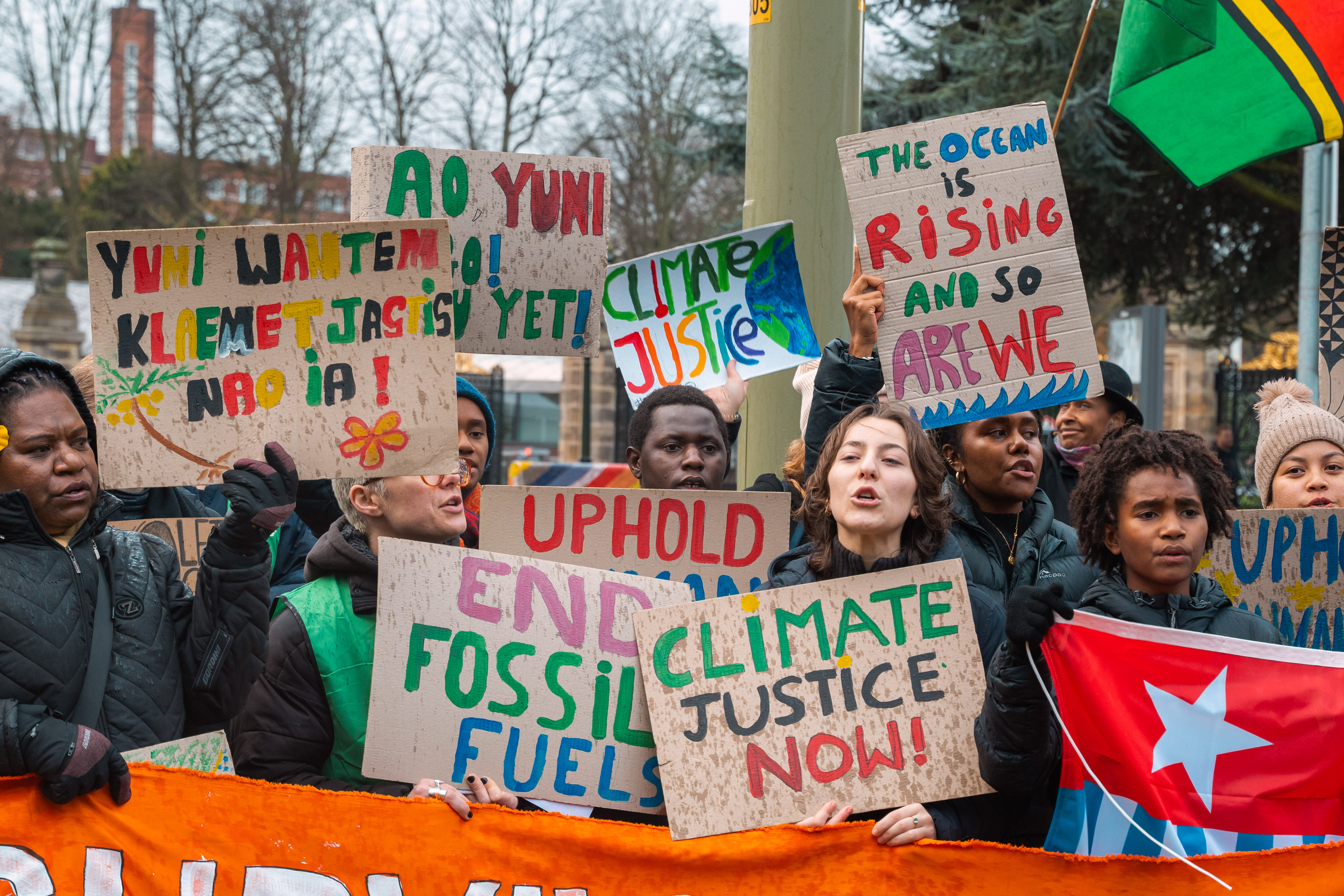
World’s highest court delivers historic protections for climate-impacted communities
SYDNEY, Thursday, 24 July 2025 – The historic Pacific-led campaign to hold countries accountable for the climate damage they have caused has been backed by the world’s highest court overnight,…
-
‘Drill Baby, Drill’: Report shows Woodside hell-bent on profit while people and nature pay the price
SYDNEY/PERTH, Tuesday 25 February 2025 — Greenpeace Australia Pacific has condemned gas corporation Woodside’s annual earnings announcement today, saying its billion dollar profits come at the expense of Australian communities…
-
Their Profits, Our Loss: International oil and gas companies’ 2024 profits
SYDNEY, Tuesday 28 January 2025 — Interested media are advised of the annual results announcements by some of the world’s largest oil and gas companies for 2024, which was confirmed…
-

‘We will fight’: Bitter disappointment in Baku must catalyse action on the road to COP30 in Belem
BAKU, Sunday 24 November 2024 — The COP29 climate talks have ended in disappointment today, with the most climate-impacted countries exasperated by what is widely seen as a grossly inadequate finance commitment and failure to progress commitments on fossil fuel phase out.
-
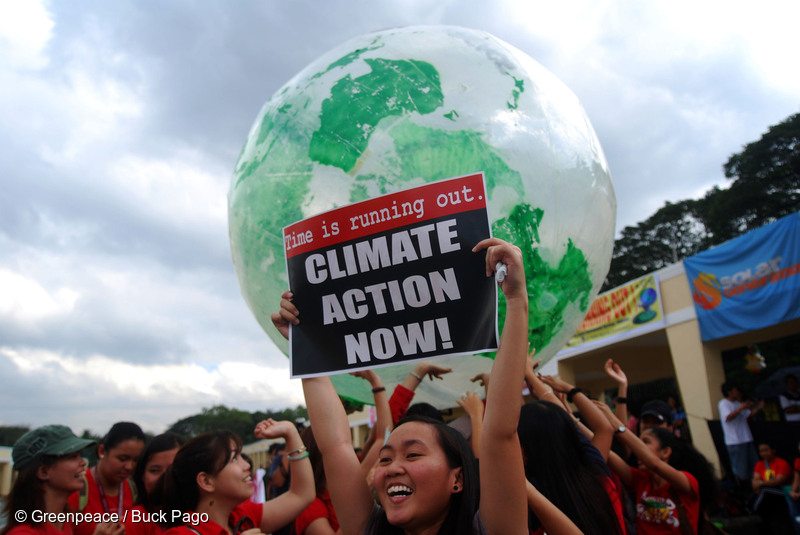
Two Questions For Chris Bowen Before He Leaves For COP28
The United Nations COP28 climate summit commences in Dubai, UAE on Thursday (30 Nov-12 Dec). This year’s conference comes against the backdrop of the hottest year on record, devastating extreme weather events, and an ongoing failure globally to align emissions targets with a 1.5 degree pathway. Minister Bowen will join the conference from the second week. Greenpeace has two questions we believe Minister Bowen should answer before he departs for the conference next week.
-
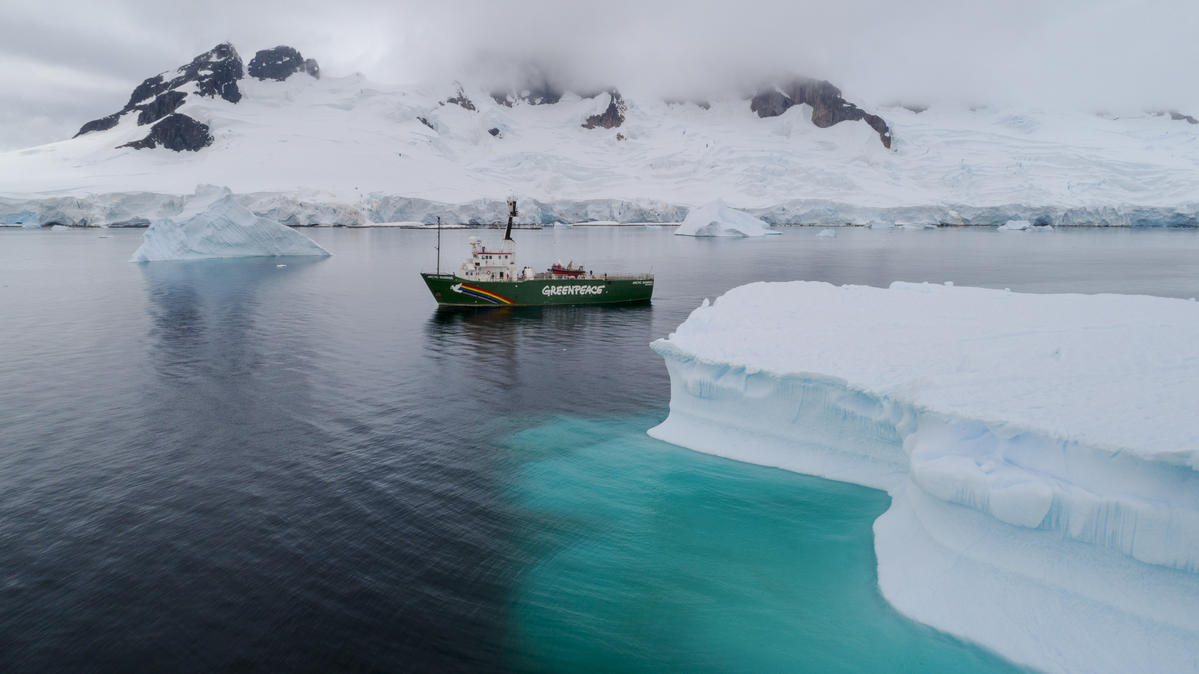
New Safeguard Mechanism Runs Risk Of Same Old Mistakes
The proposed revamp of the Safeguard Mechanism, Australia’s main policy to regulate corporate emissions, risks repeating past mistakes through loopholes that can be exploited by big polluters, says Greenpeace Australia Pacific. The details were announced by Climate and Energy Minister Chris Bowen in Gladstone today, following a consultation process beset by heavy-handed lobbying from the fossil fuel industry.
-
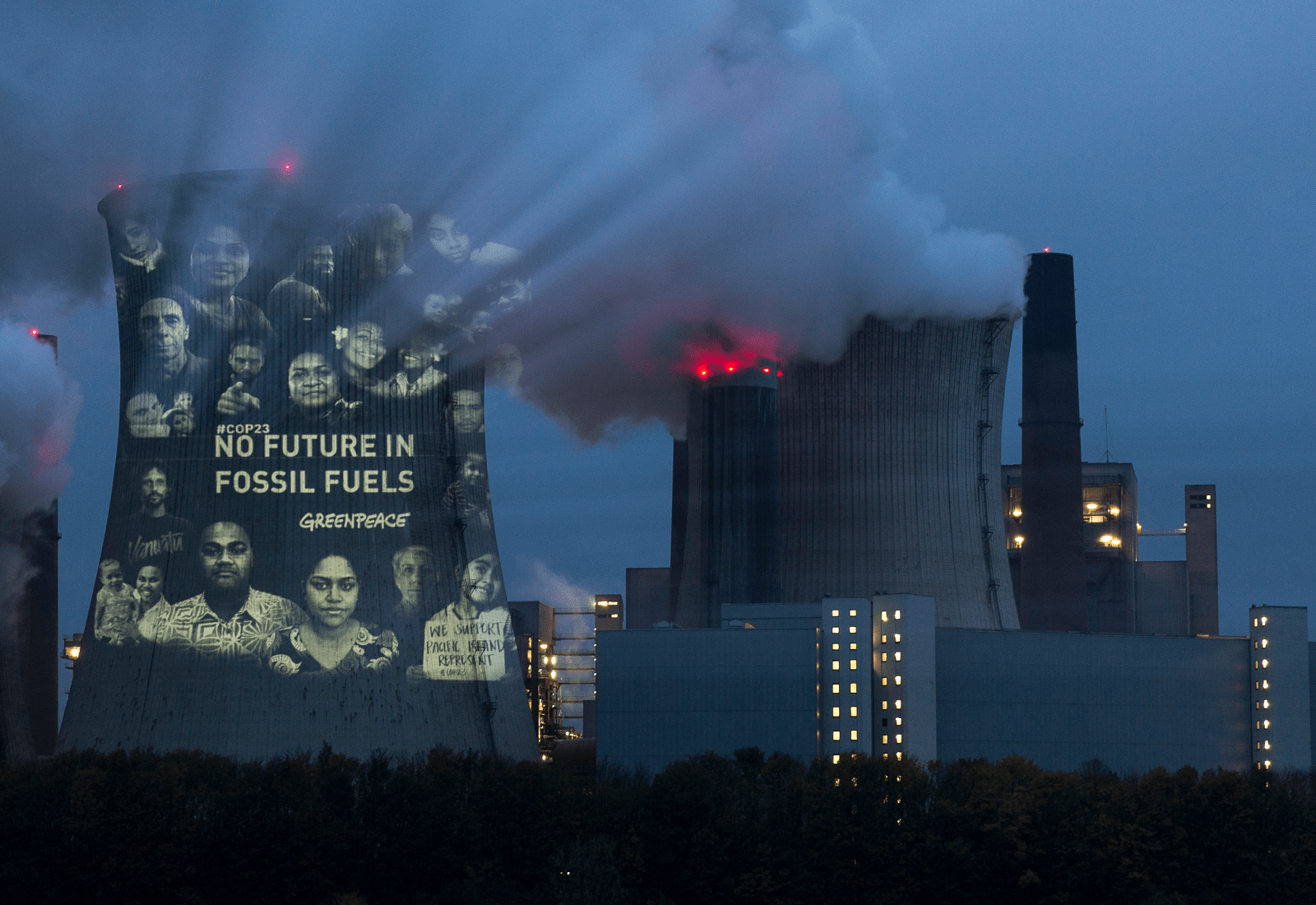
Australia Out Of Step With IPCC Call To End Fossil Fuels
The Intergovernmental Panel on Climate Change (IPCC) Working Group 3 report, released today, shows the pathway towards a cleaner, safer and cheaper world – but Australia must commit to a very swift exit from fossil fuels to realise it, says Greenpeace Australia Pacific. The IPCC report focuses on climate solutions, finding that renewable energy backed by batteries is the cheapest pathway for the world to tackle climate change. However, current government policies, including Australia’s, are setting the world up for climate disaster. The Australian Government was uncovered late last year attempting to water down the findings of the IPCC Working…
For media requests including interviews, broadcast-ready video and high-resolution photos, visit the Greenpeace Media Centre.
-
Report: Power Shift – WA’s Electrified Future
Written in collaboration with Springmount Advisory, this report clearly demonstrates that rapid emissions reduction is not only possible in WA but is in the economic interests of the West Australian…
-
REPORT: Making Coal, Oil and Gas Corporations in Australia pay their fair share for the costs of Climate Change
75% of Australians believe that climate change is increasing the cost of living, as new alliance calls on Government to take action ahead of Economic Reform Roundtable
-
REPORT: Lost Time and Damaged Reputations. What Australia must do to go from blocker to leader on loss and damage
EXECUTIVE SUMMARY: Lost Time and Damaged Reputations.
-
REPORT: Hero to Zero, uncovering the truth of corporate Australia’s climate action claims
The world is experiencing an unprecedented climate crisis. To stabilise global temperatures, and prevent the situation getting even worse, emissions must reach net zero as soon as possible.
-
REPORT: Australia – Pacific Bully And International Outcast
How Australia’s Climate Policies Isolate It from the Region and the World
-
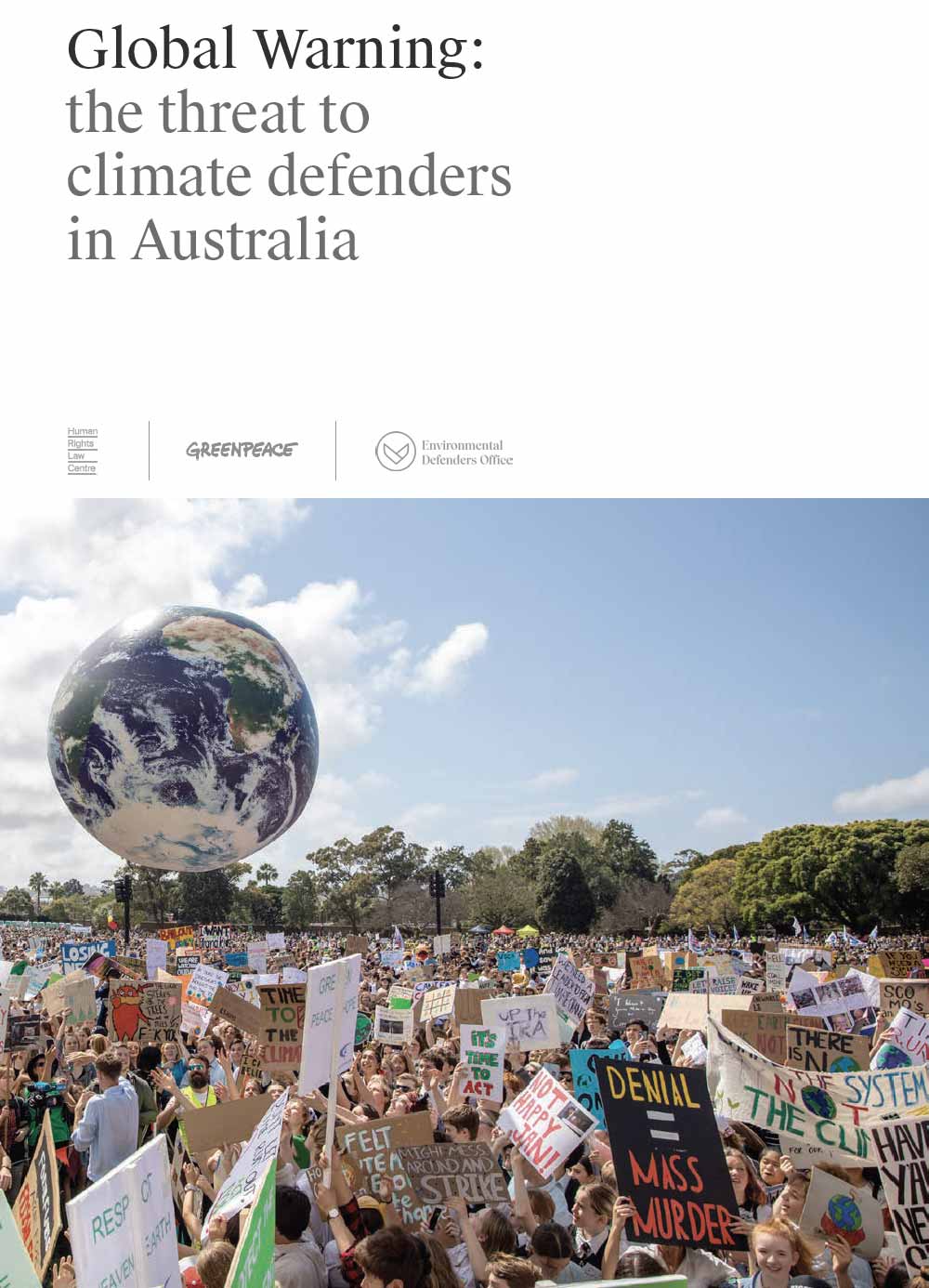
Report: Global Warning: the threat to climate defenders in Australia
COP26 reinforced that the Australian Government is dragging its feet on climate action. Strong democratic systems and climate advocacy are now more important than ever. A new report by Greenpeace Australia Pacific, the Human Rights Law Centre and the Environmental Defenders Office documents the importance of climate activism in Australia, maps the systemic repression faced…
-
-
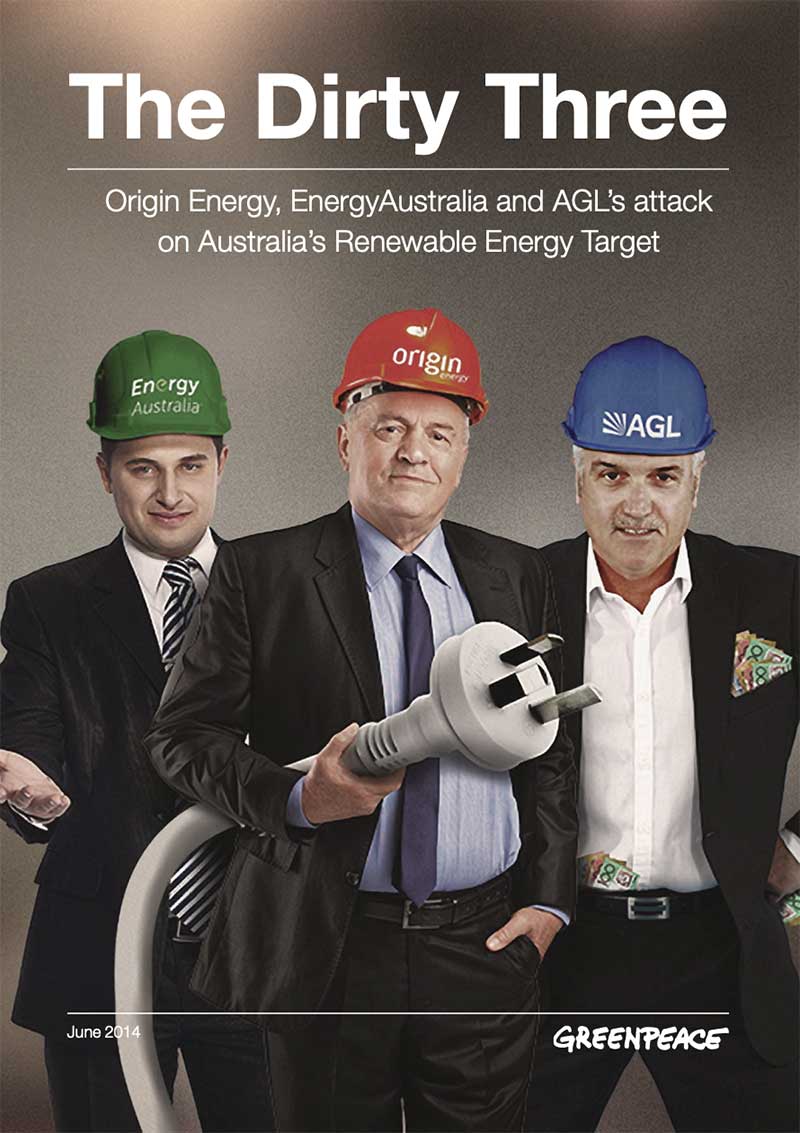
REPORT: The Dirty Three
Origin Energy, EnergyAustralia and AGL’s attack on Australia’s Renewable Energy Target
Keep informed
Together we are part of a growing, global movement determined to bring about the changes our planet desperately needs. Sign up to receive updates on our campaigns.