Protecting Australian Marine Parks
In 2026, Australia will begin the review of its Marine Parks Network. This is a rare and powerful moment to get industrial fishing out of Australia’s marine parks.
How you can help
-
Caught in Protected Waters
Donate now to help get industrial fishing out of our marine parks.
-
Get Industrial Fishing Out Of Australia’s Marine Parks
This June is a once-in-a decade chance for the Australian Government to turn our marine parks into fully protected sanctuaries for our ocean life. Sign the petition to demand full protection for Australia’s marine parks by removing loopholes that allow extractive industries like industrial fishing.
-
Save the Ocean. Save our World.
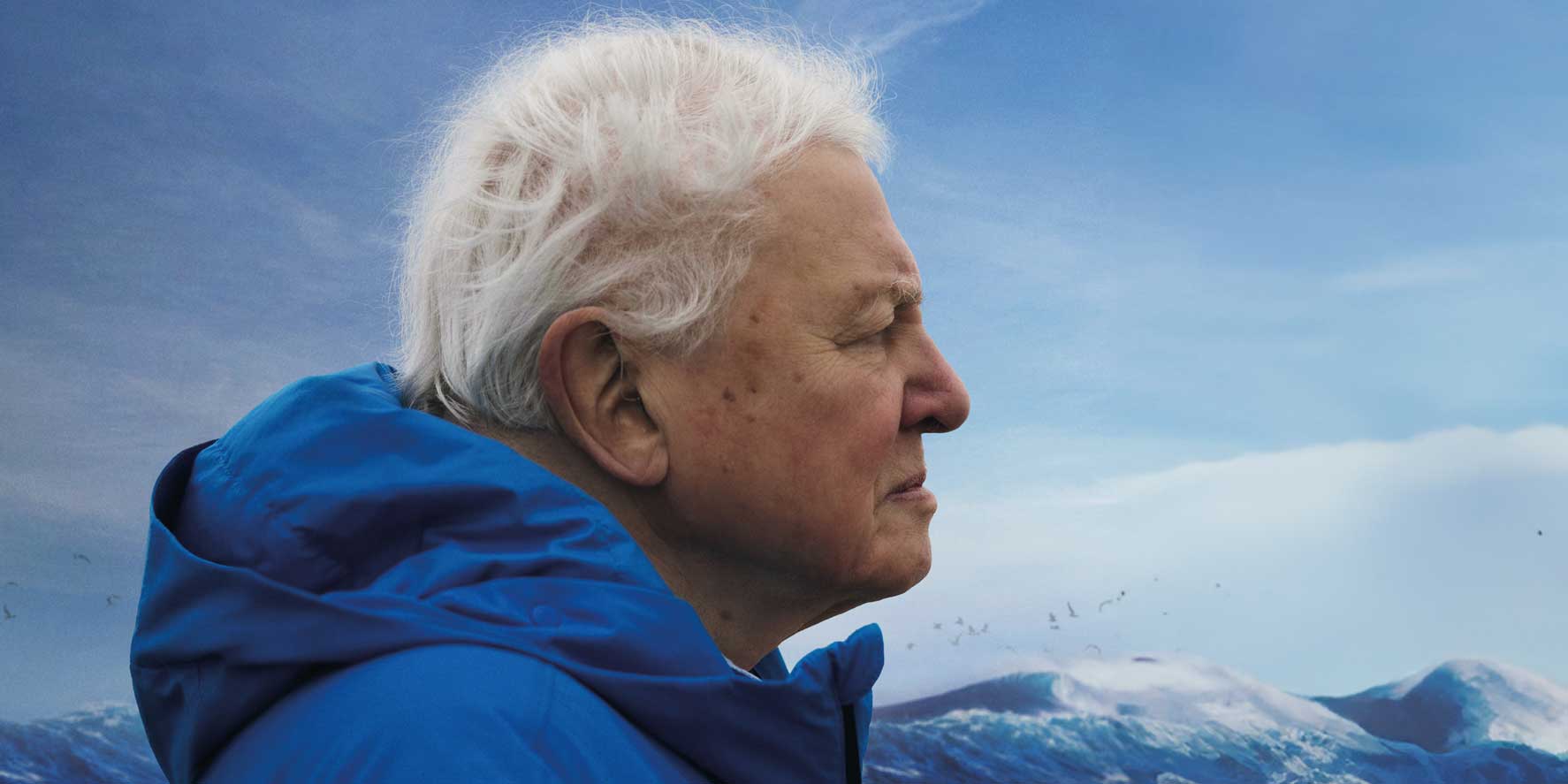
Ocean with David Attenborough is not just a visual spectacle but also an urgent call for action. Sign the petition to tell the Australian government to champion an ocean sanctuary in the Tasman Sea.
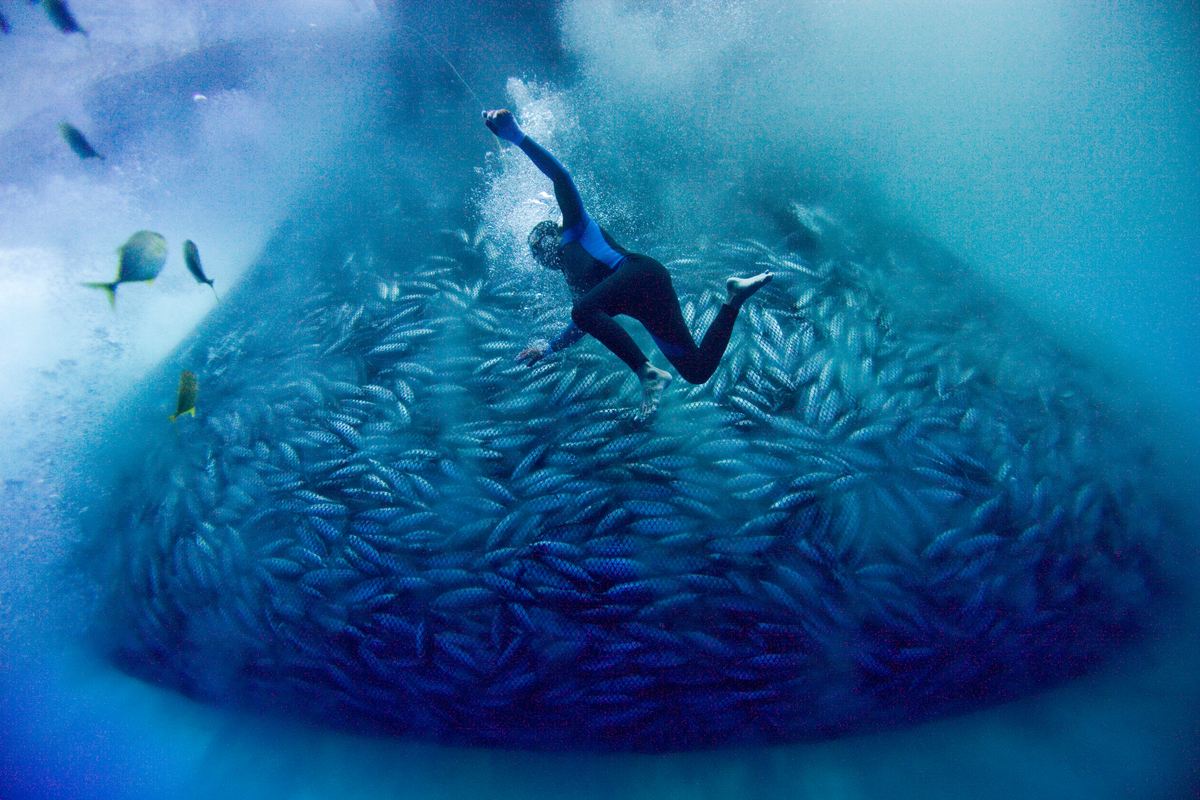
Australia’s ocean is worth protecting
We’re in a critical decade for ocean protection – and momentum has never been stronger. After decades of campaigning, the world secured the Global Ocean Treaty, opening the door to protect 30% of the ocean by 2030.
Now, Australia faces a once-in-a-generation opportunity to fix its own Marine Parks Network by getting industrial fishing out of so-called “protected” marine parks and help turn global ambition into real protection.
Our waters are some of the most unique and abundant places on earth
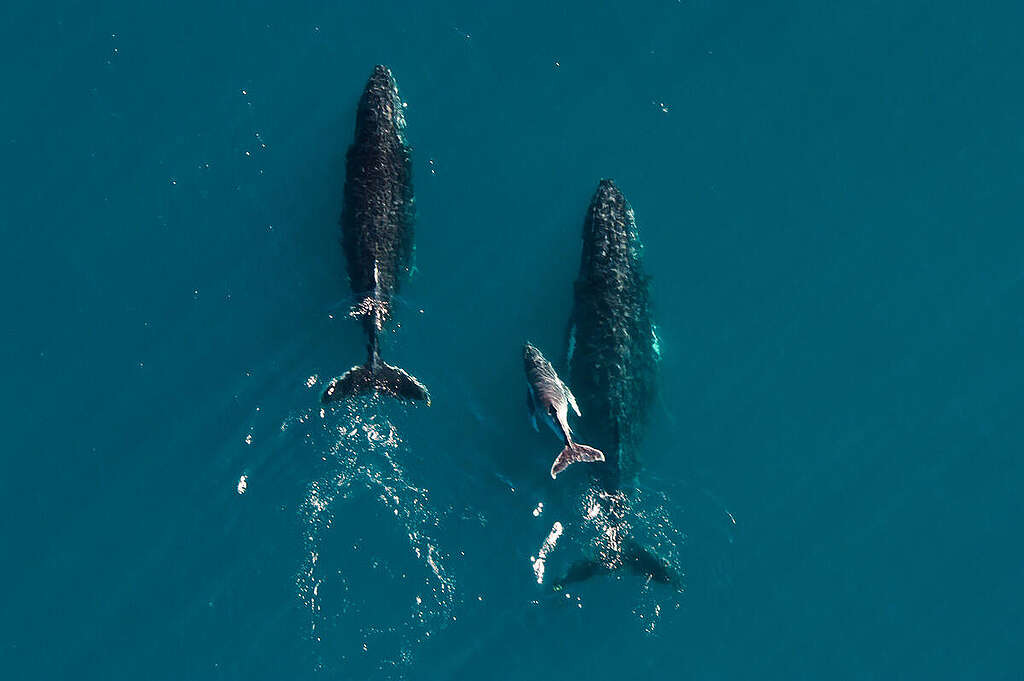
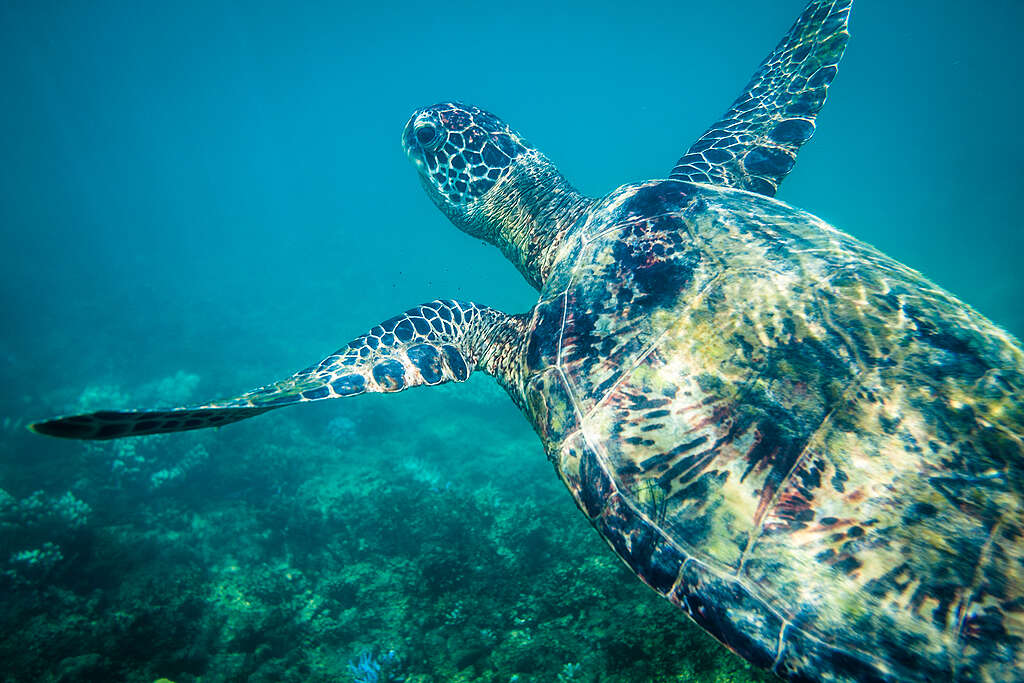
Australia’s waters are bursting with life and are a global hotspot of biodiversity. Vibrant coral reefs and wondrous wildlife like endangered turtles, dolphins, and whales, some found nowhere else on earth, call Australia’s waters home.
The ocean sustains life on this planet. It produces oxygen, regulates our climate, and supports communities. And for Australians, it’s part of who we are – more than 85% of us live near the coast.
The Australian Marine Parks Network was created to protect this – but right now, it’s falling short.
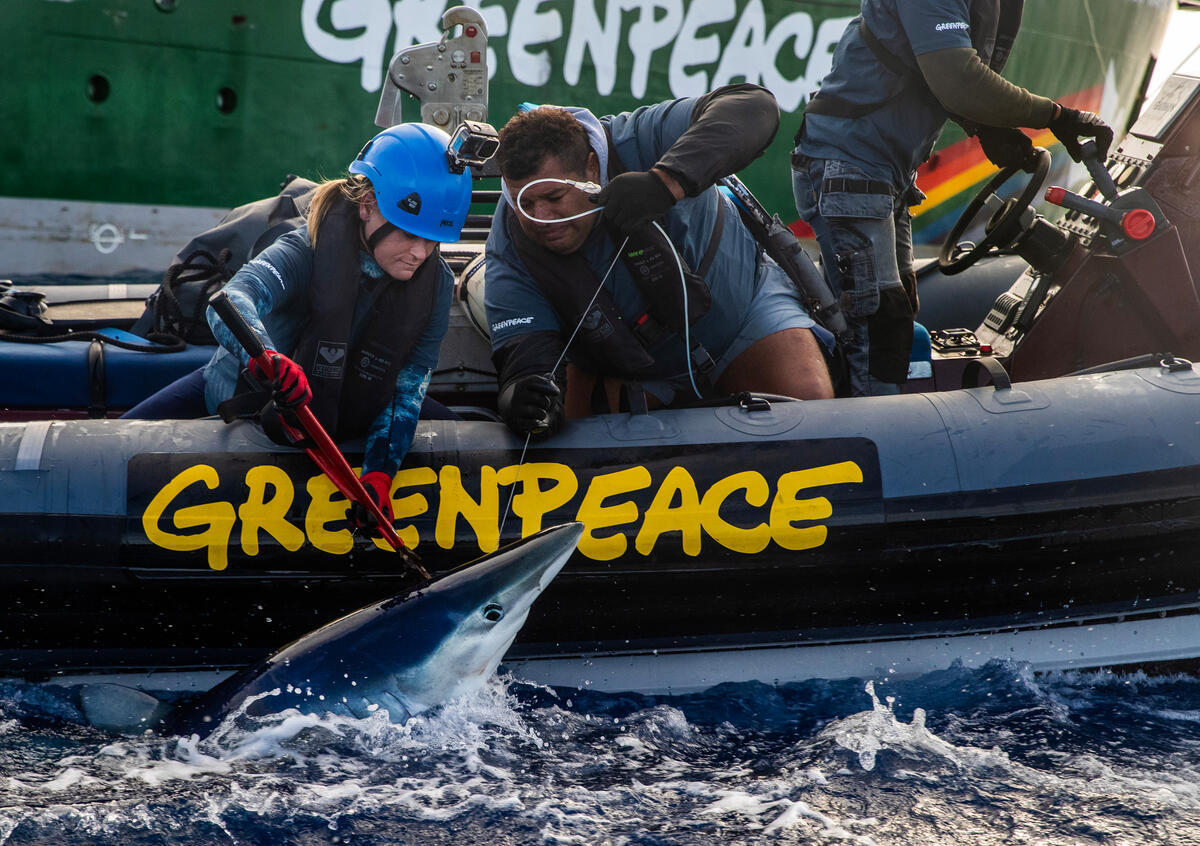
Protected marine parks aren’t living up to their name
Australia has the largest marine parks network in the world, covering 52% of our waters. But more than half of these areas allow destructive industries like industrial fishing and oil and gas mining.
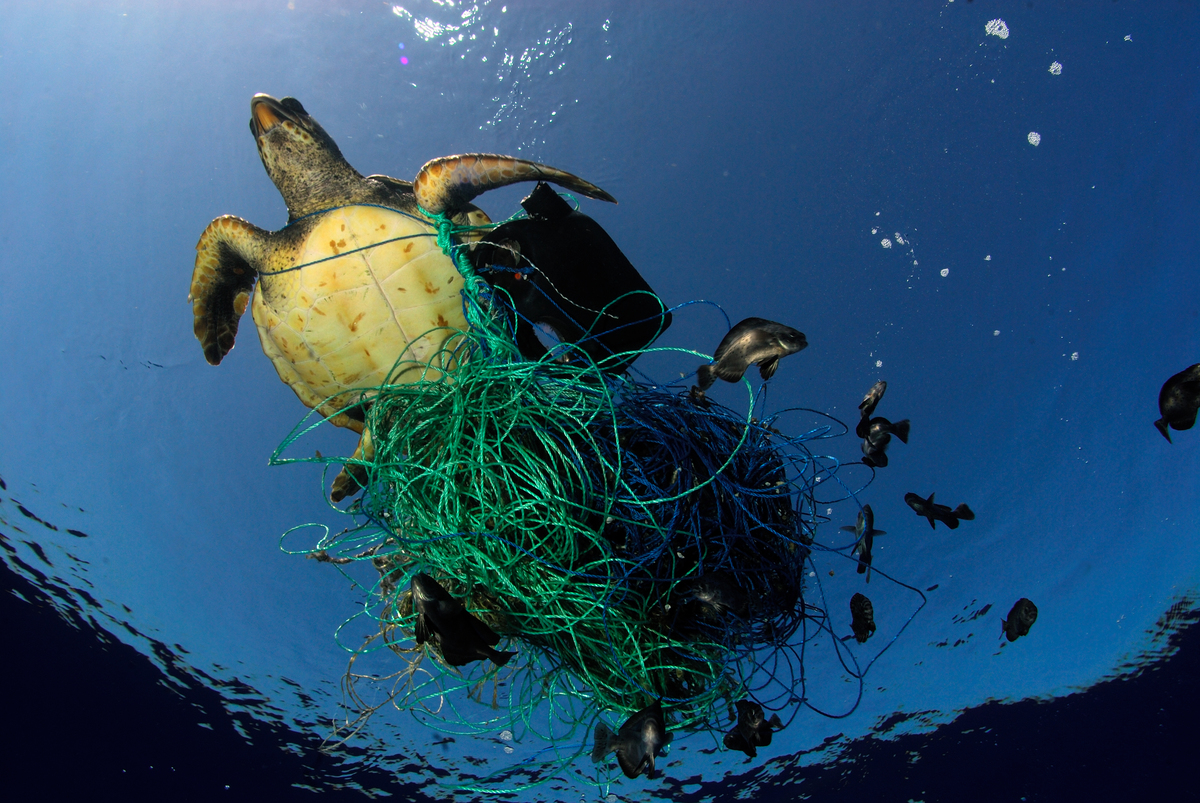
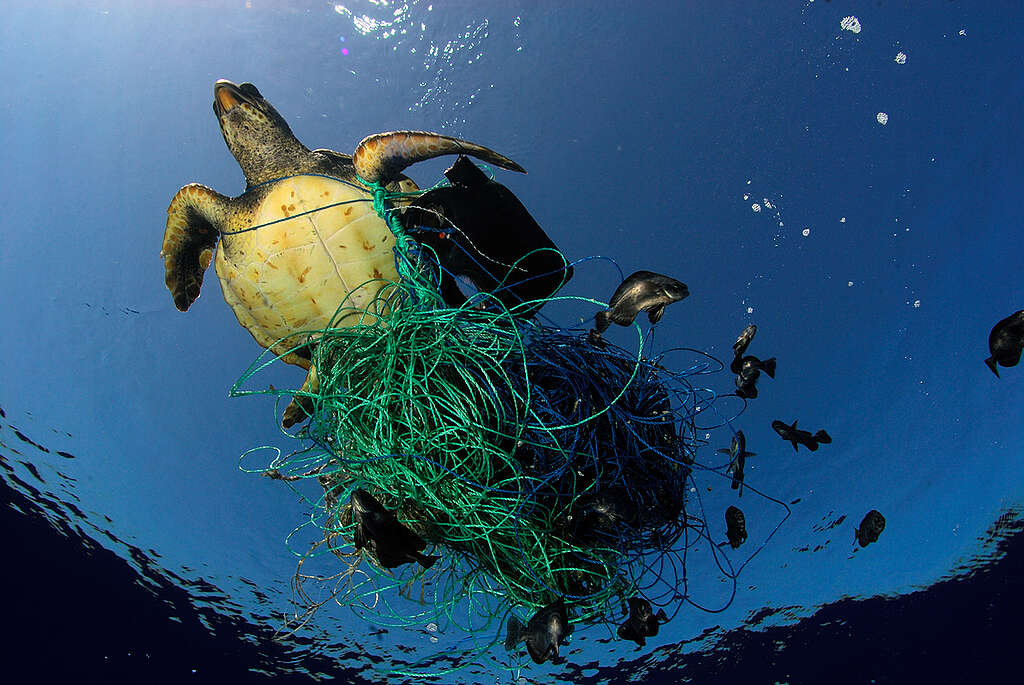
This means in many marine parks, longliners and bottom trawlers are allowed to pillage underwater wonderlands, rip up coral and indiscriminately and violently catch any animal in their path, including turtles, seals and dolphins, all within the areas designed to protect wildlife.
Within our marine parks, destructive industries are allowed to fish, trawl, dig and mine using barbaric and cruel methods.
Inside many Australian marine parks, bottom trawlers scrape the ocean floor with massive nets, bulldozing precious ecosystems and indiscriminately catching and killing wildlife like rays, sharks and seals.
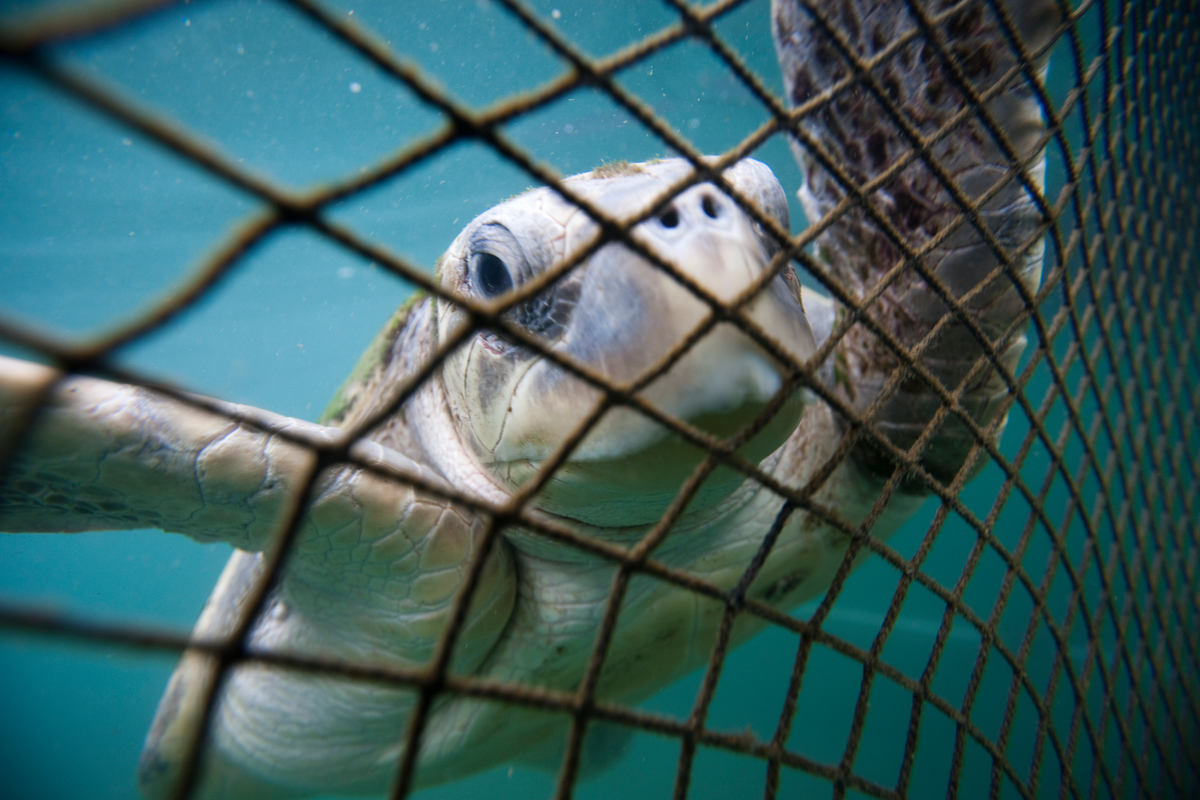
Endangered turtles are being fatally hooked by longliners, and seabirds are being baited and drowned. It’s happening inside “protected” areas.
The new opportunity to revamp Australia’s marine parks network starting in 2026, is a rare moment in time we must seize to get get industrial fishing out of our marine parks.
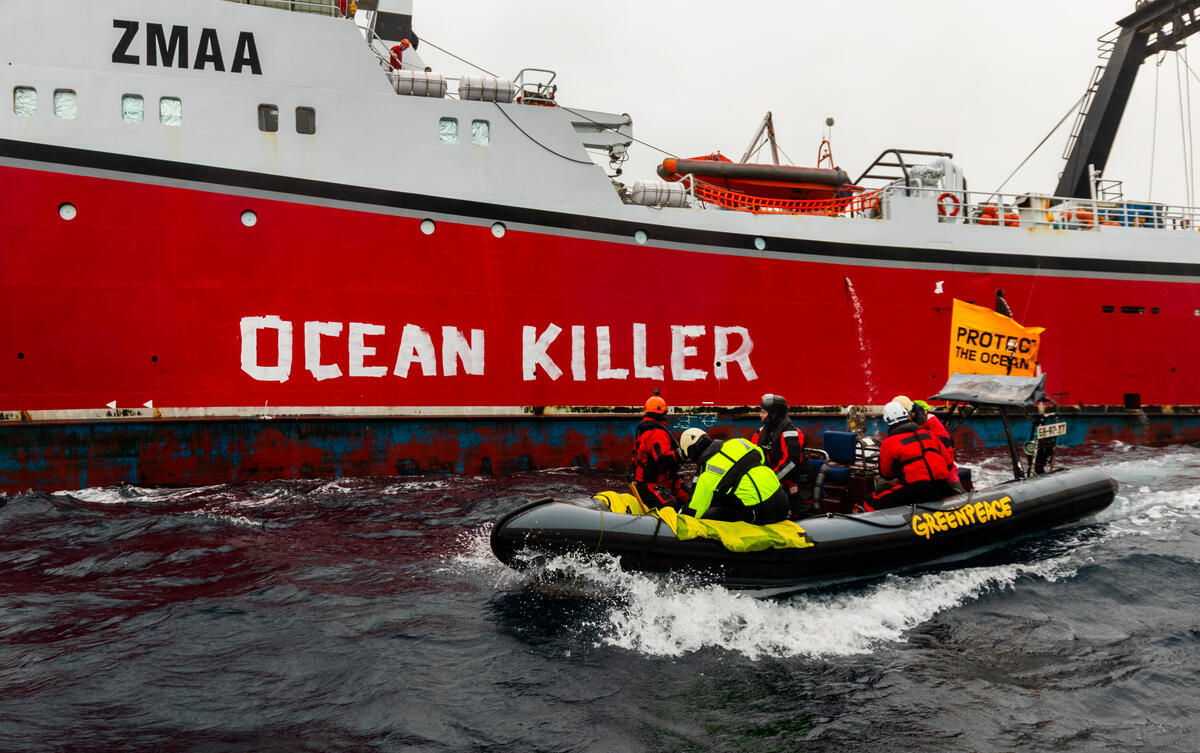
Oceania to set sail along the east coast of Australia
Join us as we set sail in our campaigning vessel Oceania through some of Australia’s most beautiful and threatened marine parks.
The team are hoping to show the contradiction at the heart of it all. These places are called “marine parks”, yet destructive practices like bottom trawling and longlining are still allowed and these methods indiscriminately and violently kill marine life and damage the ecosystems they depend on.
At the same time, they want to capture the beauty of these areas and the life they still support.
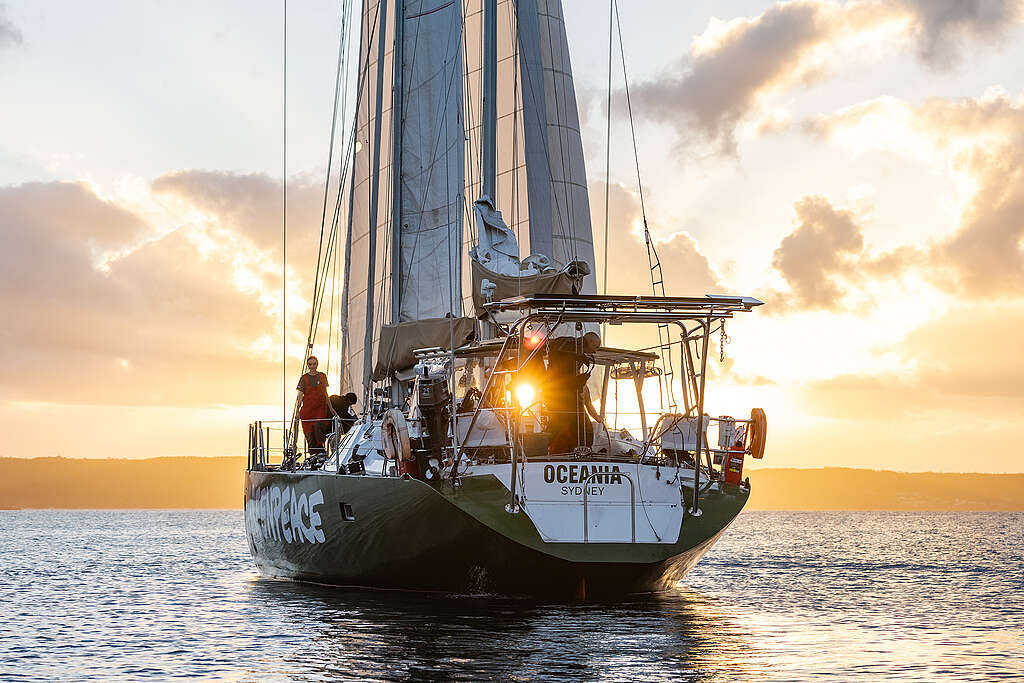
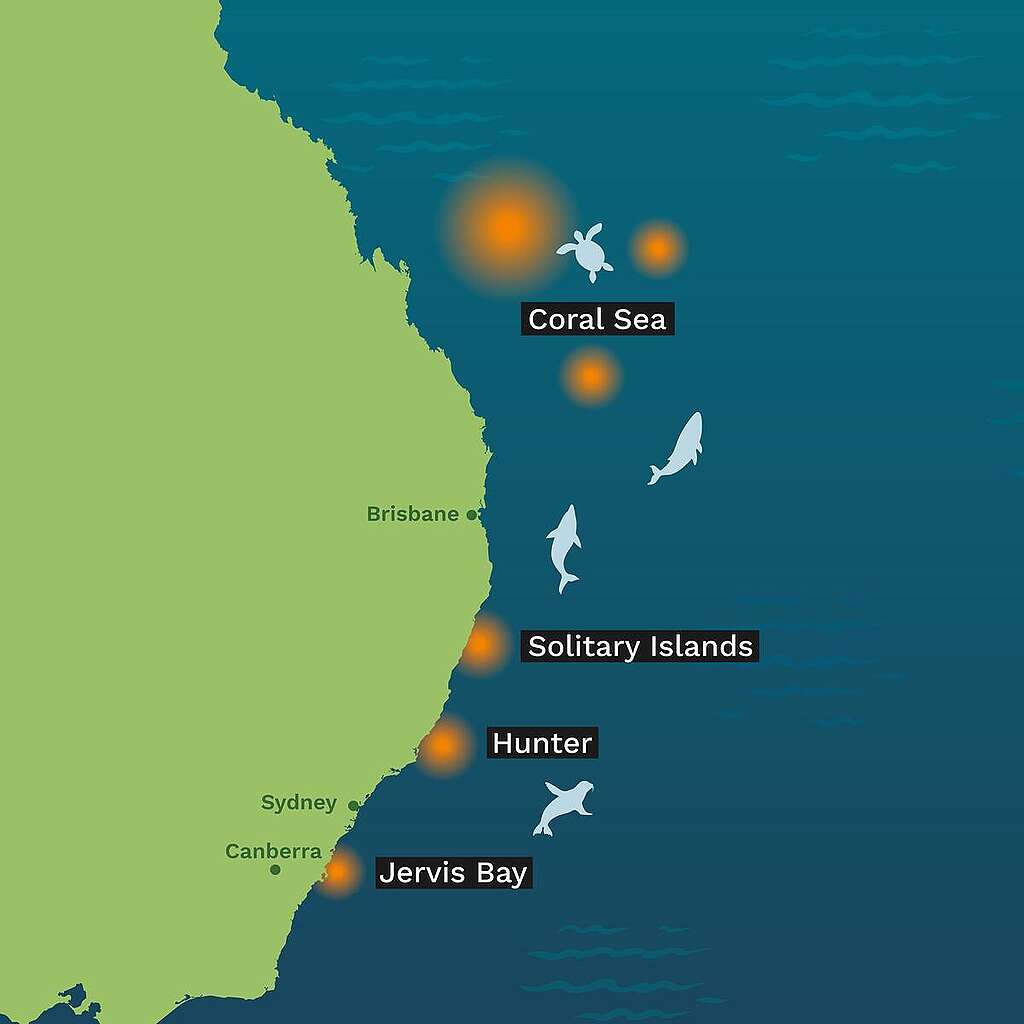
Our crew will visit Jervis Bay, Hunter, Solitary Islands and Central Eastern marine parks to document their beauty and aim to expose the industrial fishing activities in these “protected” waters.
Longliners and bottom trawlers frequent these marine parks, looking for fish but catching everything in their path.
Marine parks should be a safe haven for the incredible animals, corals and environments that call them home.

First Stop: Jervis Bay
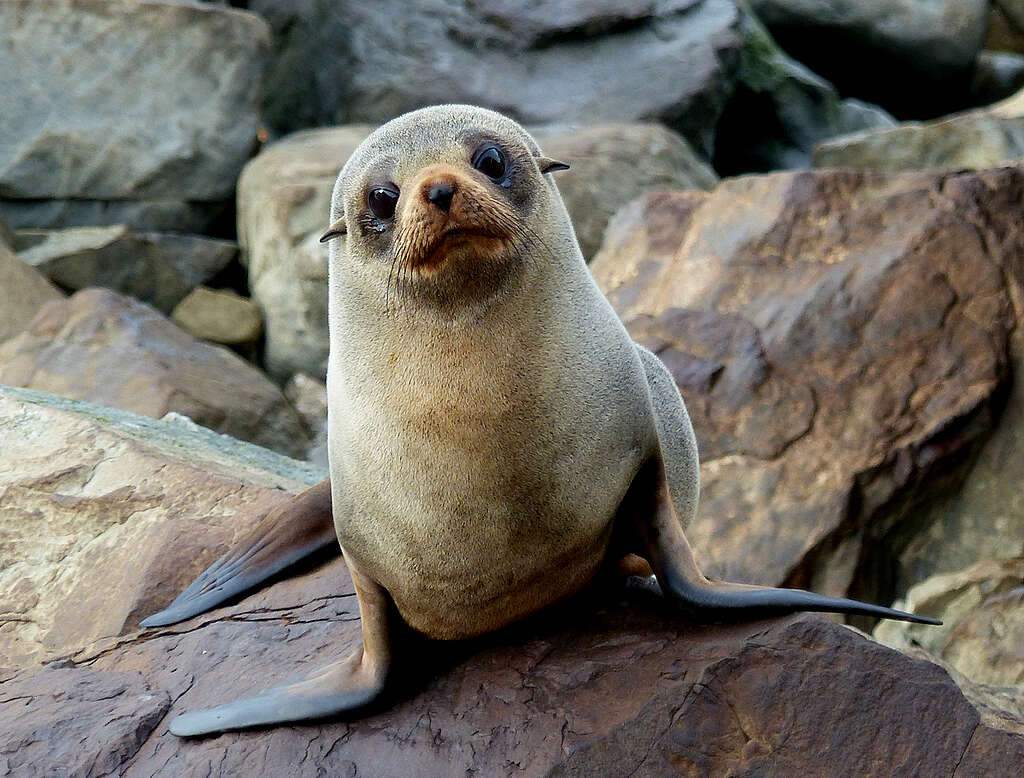
Famous for its abundant wildlife and clear waters, a vital refuge where deep ocean canyons and rich seagrass meadows teem with life. The area supports a variety of wildlife including critically endangered grey nurse sharks, Australian fur seals, seabirds and migratory humpback whales. As rich and productive feeding grounds, ocean wildlife rely on these waters for survival.
Bottom trawlers and longliners are allowed to pillage this underwater wonderland, leaving a trail of devastation.
Second Stop: Hunter Marine Park
Shaped by dynamic currents and seafloor features, providing vital habitat and feeding grounds for albatross, sharks, and 50 fish species found nowhere else on earth.
Bottom trawlers and longliners are allowed to operate in this marine park, indiscriminately and violently catching any animal in their path, including turtles, seals and dolphins, all within the areas designed to protect wildlife.
Third Stop: Solitary Islands Marine Park
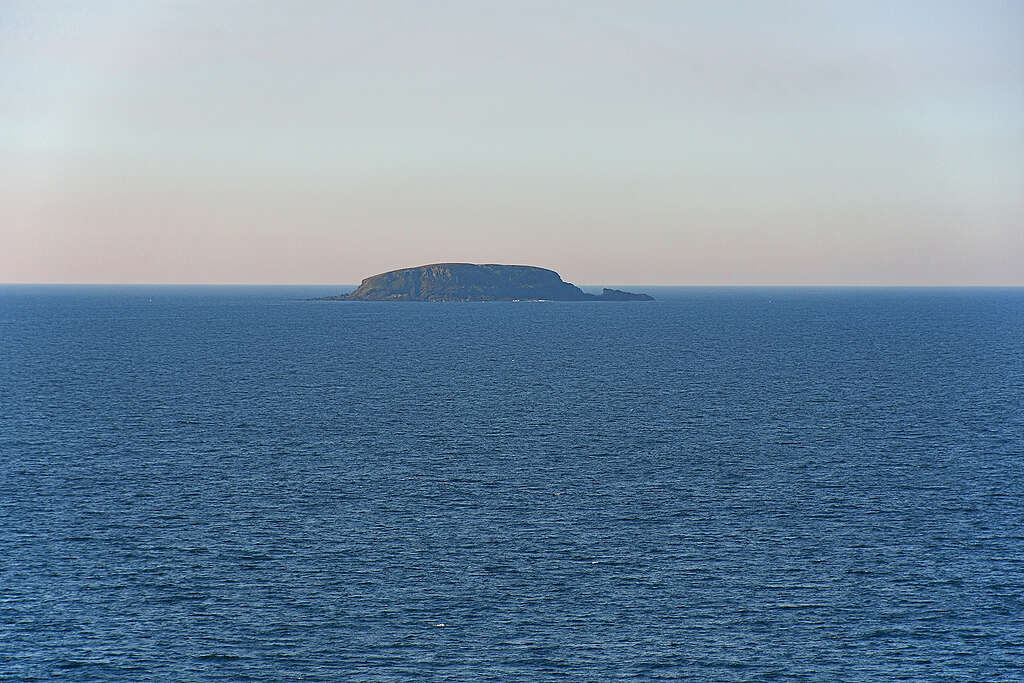
A vibrant ocean crossroads where tropical and temperate species meet, creating a wildlife hotspot of corals, turtles, rays and migrating giants along the mid-north coast of NSW.
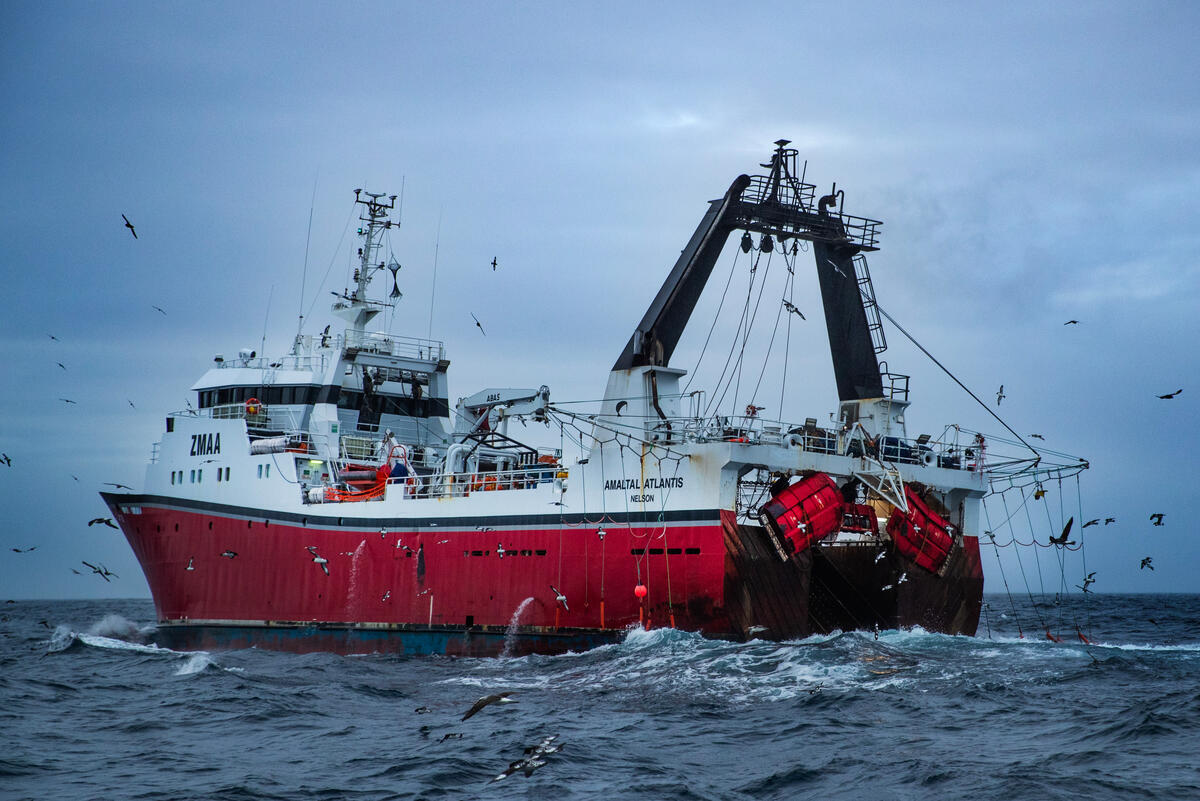
Bottom trawlers are allowed to scrape the ocean floor with massive nets, bulldozing precious ecosystems and indiscriminately catching and killing wildlife like turtles and seals.
Final Stop: Solitary Islands Marine Park
Spanning a vast stretch of ocean off the coasts of New South Wales and Queensland, encompassing crucial seamount chains that support a remarkable diversity of marine life. Seamounts act as underwater mountains that create biodiversity hotspots.
These waters provide important habitat for species such as sharks, tuna, seabirds and migrating whales, making it a key corridor for ocean wildlife along Australia’s east coast.
Meet the crew
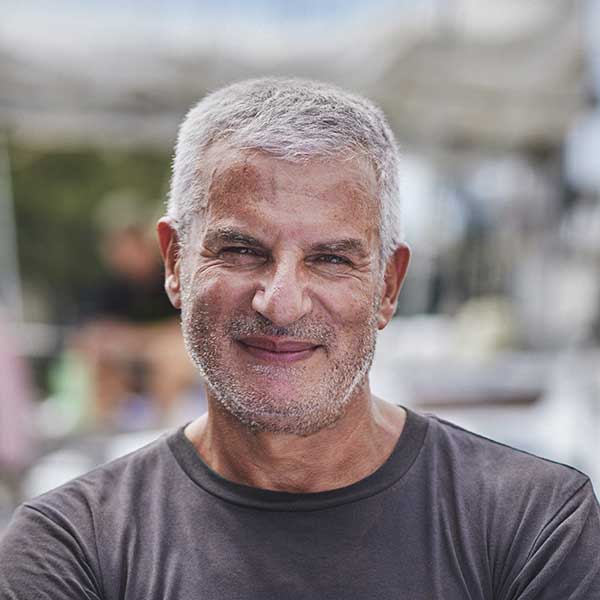
Daniel
Hi, I’m Daniel and I am the Chief Mate. Having worked at Greenpeace for over 31 years I often work as the Captain on all Greenpeace ships.
The oceans connect everyone. Our goal this trip is to turn visibility into accountability by documenting impacts, informing the public, and strengthening protections for Australia’s Commonwealth Marine Parks.
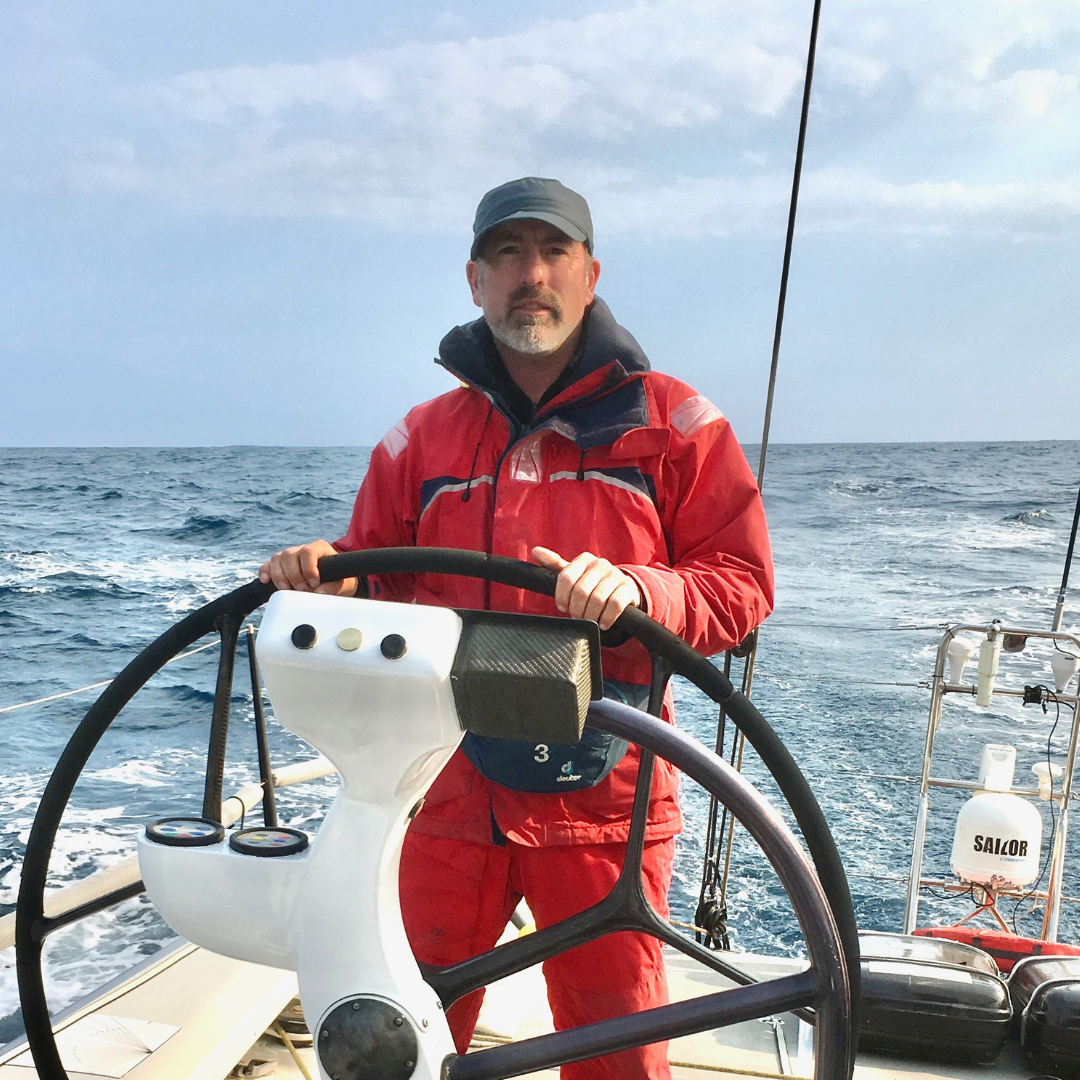
Jimmy
Hello, I am Jimmy and the Captain on this trip. I learnt to sail in my hometown of Hobart, Tasmania. I’ve spent years navigating Tasmania’s wildly spectacular coastline, and crossed Bass Strait many times, including the Sydney to Hobart yacht races. My first time sailing with Greenpeace was in 2017 as a volunteer on the Rainbow Warrior.
It is a privilege to be a part of the Oceania project, and I hope we can achieve many things with this beautiful ship.
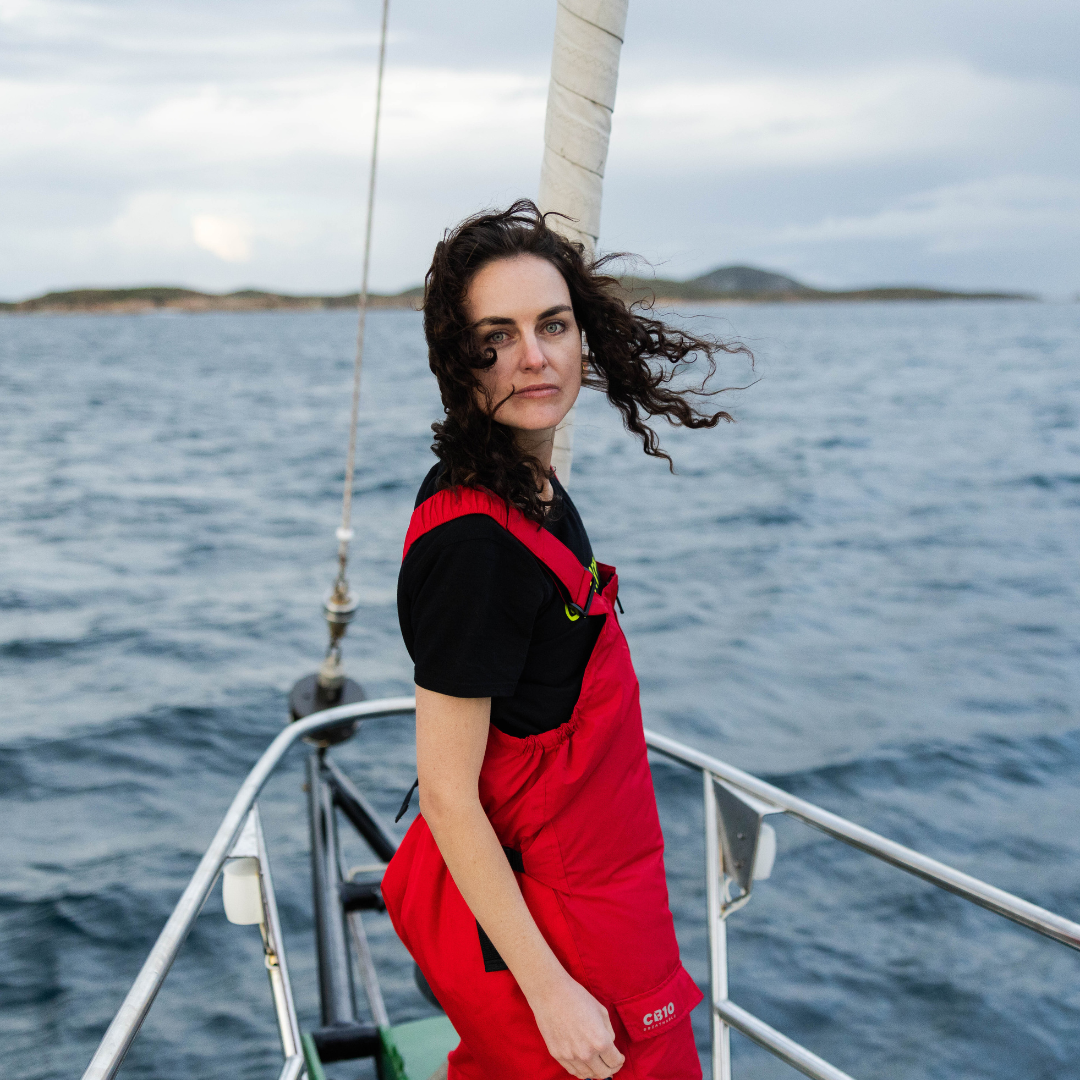
Elle
I am Greenpeace Australia Pacific’s Senior Nature Campaigner.
While on Oceania, I’m hoping to shine a spotlight on the destructive industrial fishing allowed to operate inside the Australian marine parks we are visiting, bringing that reality directly to decision-makers and building pressure for genuine fully protected ocean sanctuaries where wildlife can recover and thrive.
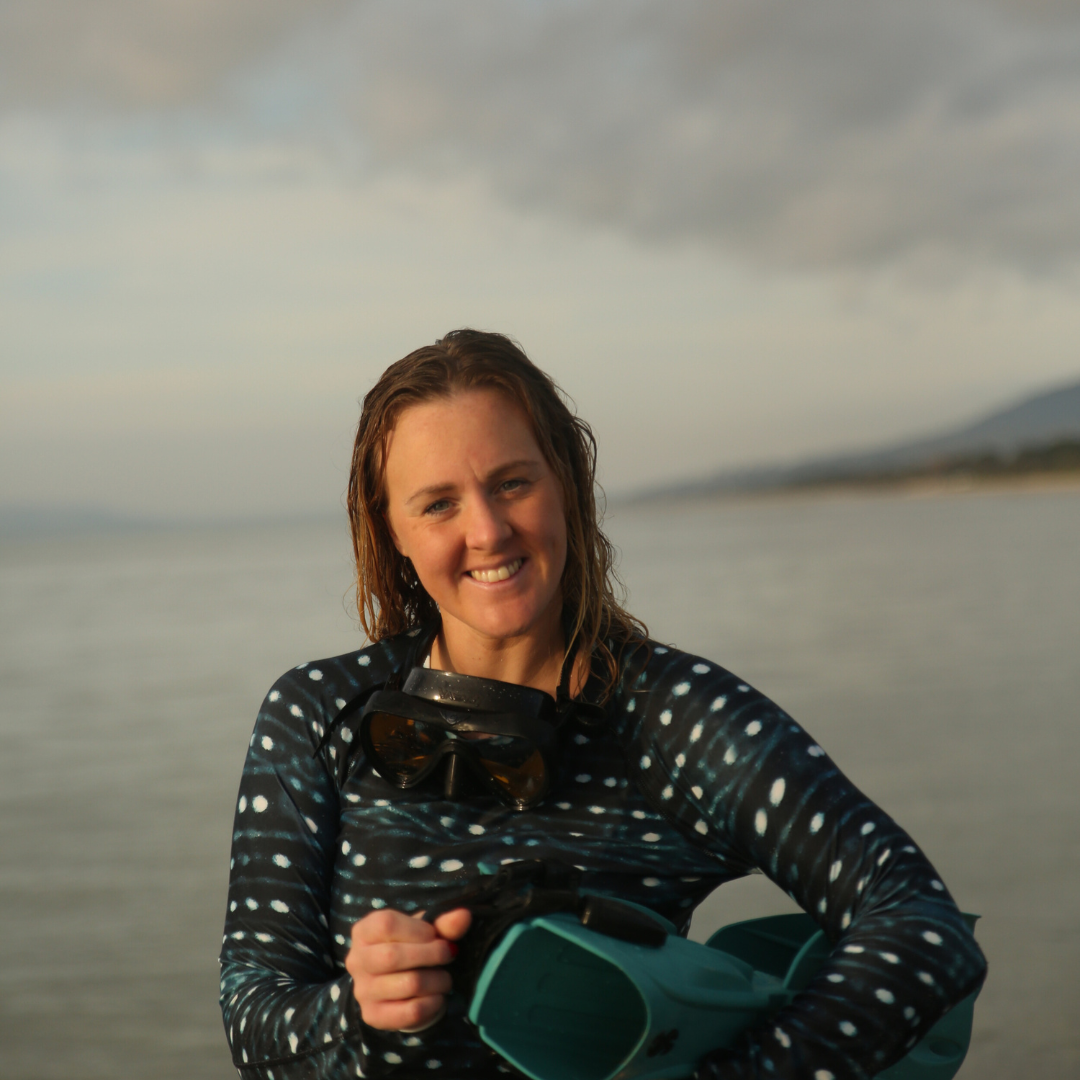
Emily
Hey, I’m Em, Engagement Lead and Dive Master. When you’re down in the water diving, there, you realise just how much life exists beneath the surface, how vital it is to our planet, and how quickly it can be lost.
While on Oceania, I’ll be documenting industrial fishing inside some of Australia’s marine parks, while also acting as Dive Master, planning dives and helping keep the team safe in the water.
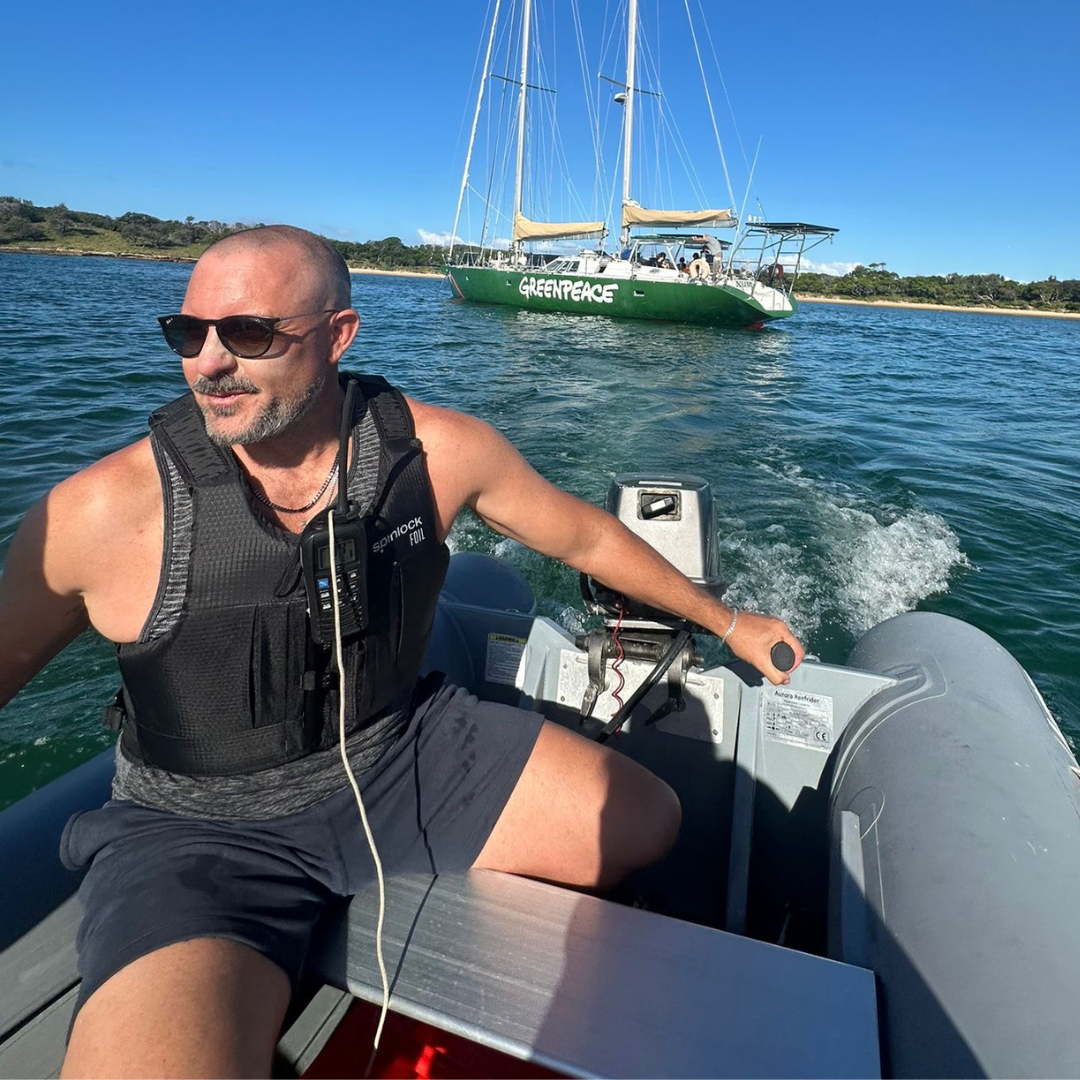
Steve
I’m Steve the Engineer onboard. My happy place is on or under the ocean – offshore sailing, Surf Life Saving, scuba diving and ocean swimming .
I love adventure, problem solving and getting my hands dirty.
I’m excited to see Oceania on the high seas and promote and defend our magnificent oceans.
As an engineer it’s my job to keep everything running from the engine to the water and the bathrooms, (make cups of tea) and help sail the boat
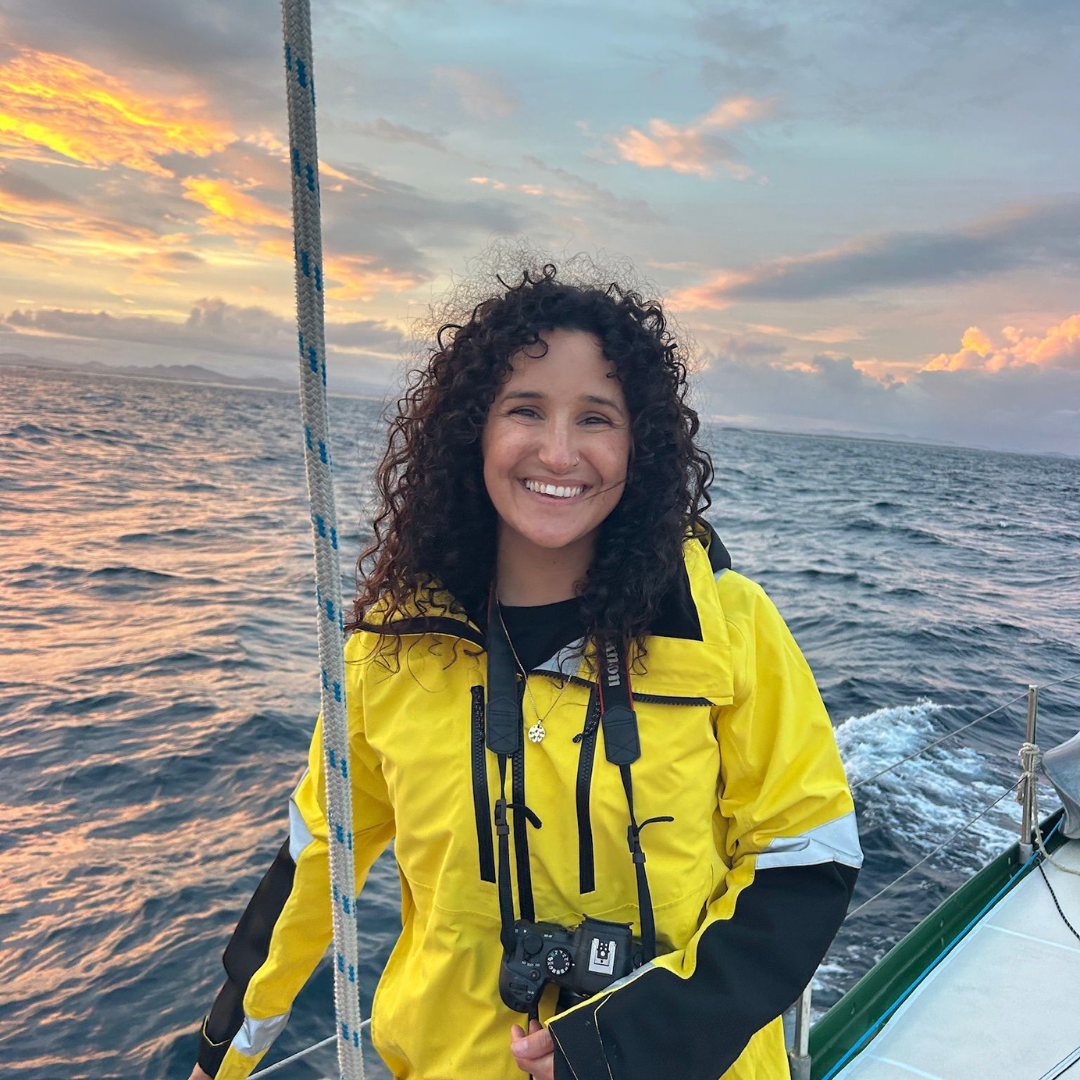
Bianca
Hi, I am the Creative Producer and have been working for Greenpeace for over 4 years. I have loved producing visuals that bring to life the creative ideas that underpin a lot of the critical work that Greenpeace does.
Now more then ever, I believe in adding beauty and joy to the world with projects that matter. I hope to inspire and make a lasting impact with striking visuals that tell a story. I strive to ensure that the wild places on our planet, stay wild.
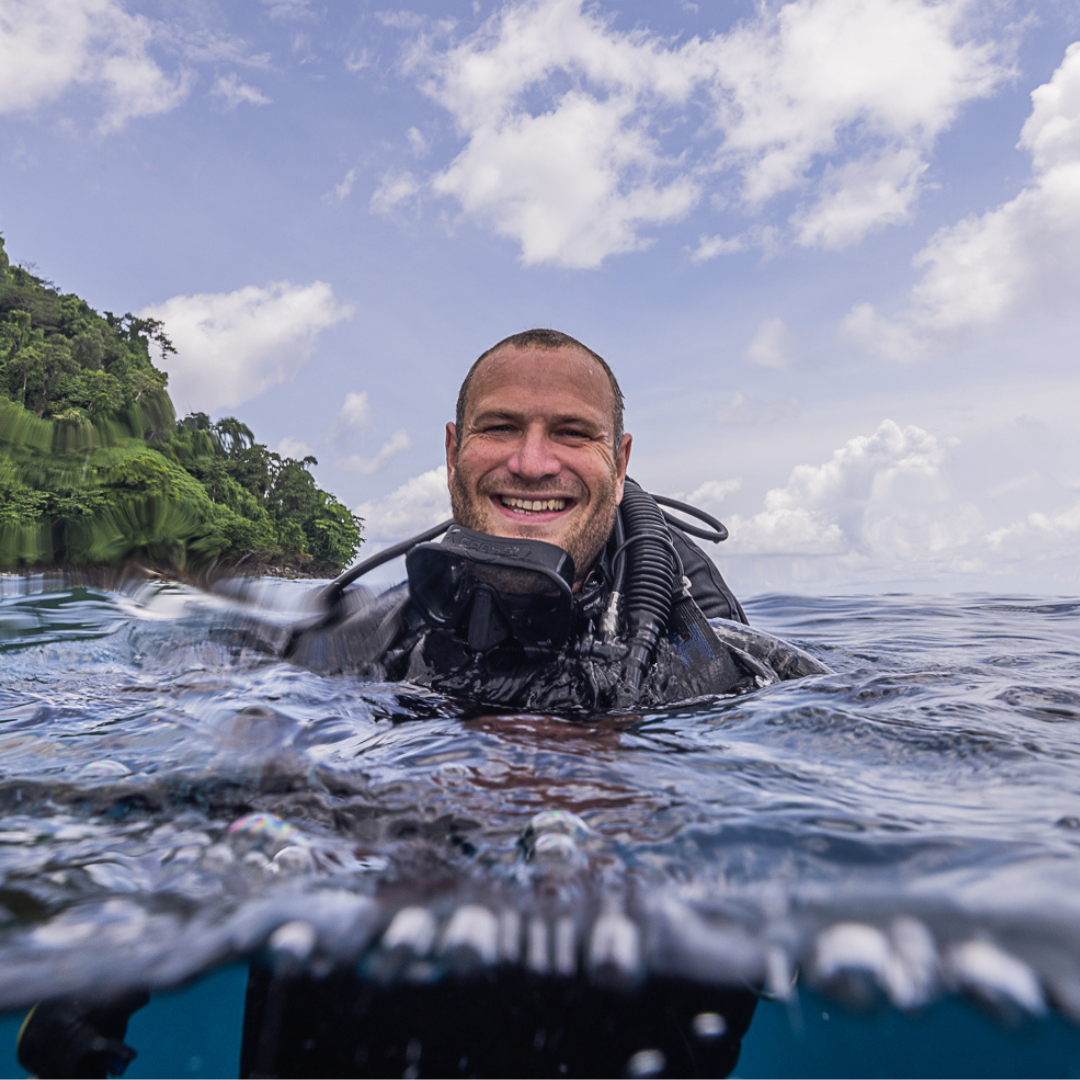
Woody
Woody is an award-winning underwater cinematographer with over a decade of experience in natural history and documentary production.
A multiple ACS Gold Award winner, Woody has worked on productions for National Geographic (Secrets of the Octopus), Netflix (All the Sharks), PBS, and Stan. With a background in electrical engineering and experience in rebreather diving, Woody brings unique technical expertise to underwater filming, shooting on RED, Sony, and Canon cinema systems, both topside and underwater.
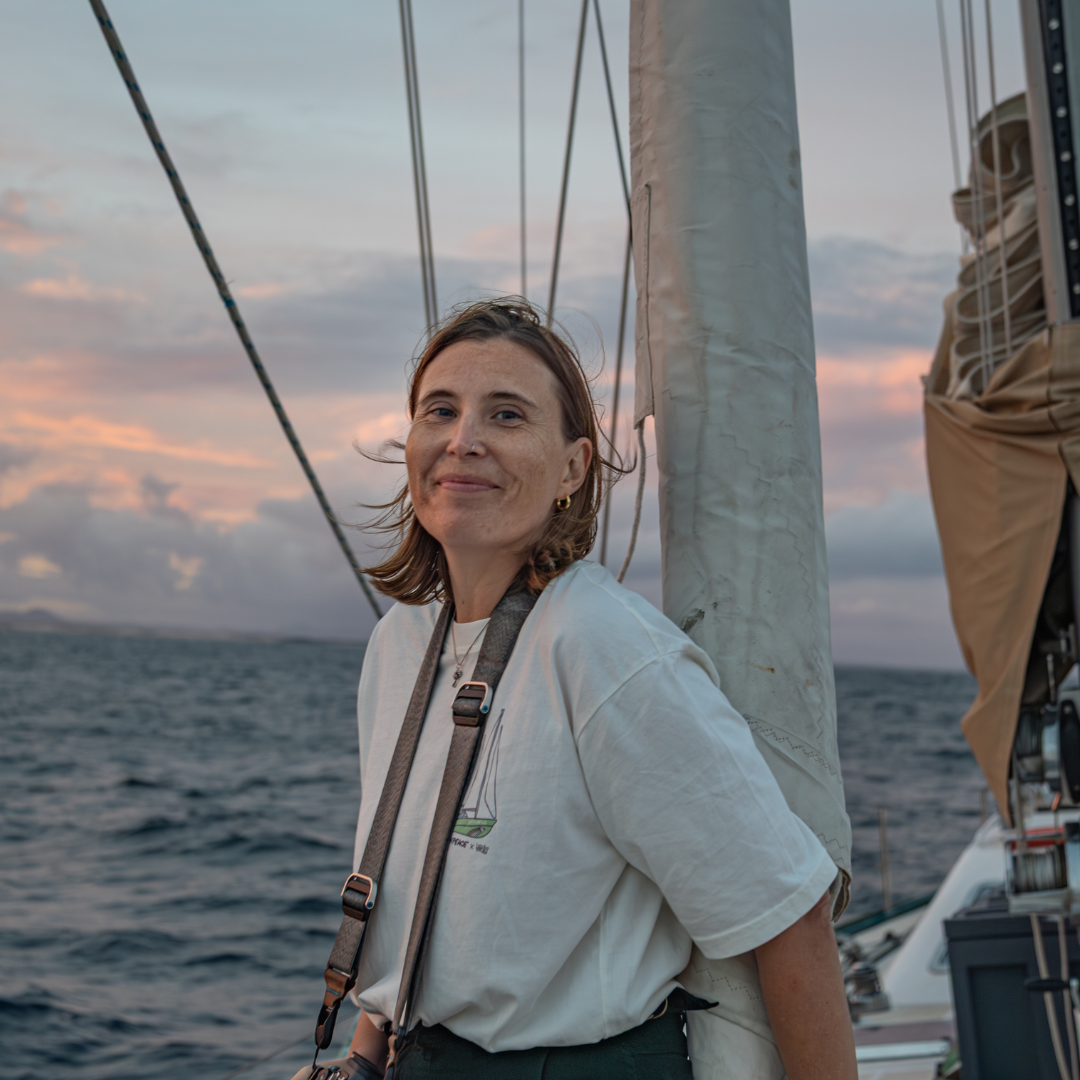
Harriet
Harriet is a documentary director and producer specialising in conservation storytelling. With broadcast credits including National Geographic (‘Secrets of the Octopus’), PBS Nature, and ABC, Harriet brings professional filmmaking expertise to GTF productions.
As an Emerging League Member of the International League of Conservation Photographers (iLCP), Harriet is committed to using documentary film to inspire conservation action.
She founded Grumpy Turtle Films to create impactful stories about the natural world.
A rare window for Australian Government to act
Greenpeace is calling on the Australian government to:
1. Ban industrial activities from Australia’s Marine Parks Network
Ban industrial activities, such as industrial fishing, seismic blasting and oil and gas mining, from Australia’s marine parks.
2. Create more ocean sanctuaries
Increase fully protected sanctuaries in Australia’s marine parks based on science principles.
3. Connect Australia’s Marine Parks Network to the High Seas
Create seascape connectivity by linking Australian marine parks to new high seas ocean sanctuaries.
Together, this would create a powerful, connected ocean sanctuary network – from our coastline all the way to the high seas.
This June is a once-in-a decade chance for the Australian Government to turn our marine parks into fully protected sanctuaries for our ocean life. Sign the petition to demand full protection for Australia’s marine parks by removing loopholes that allow extractive industries like industrial fishing.
Sign petition
Your donation can help secure the future of our oceans
Our work is 100% funded by people like you. A regular donation, every 4 weeks is the most effective way to ensure we can fight daily to ensure world leaders act urgently to secure the future of our oceans and all life on Earth.
-

Ocean Treaty passes Australian Parliament, a “historic moment” for nature protection
CANBERRA, Tuesday 31 March 2026 — Greenpeace Australia Pacific has welcomed the Parliament’s ratification of the Global Ocean Treaty, creating the opportunity for world-first high seas ocean sanctuaries.
-
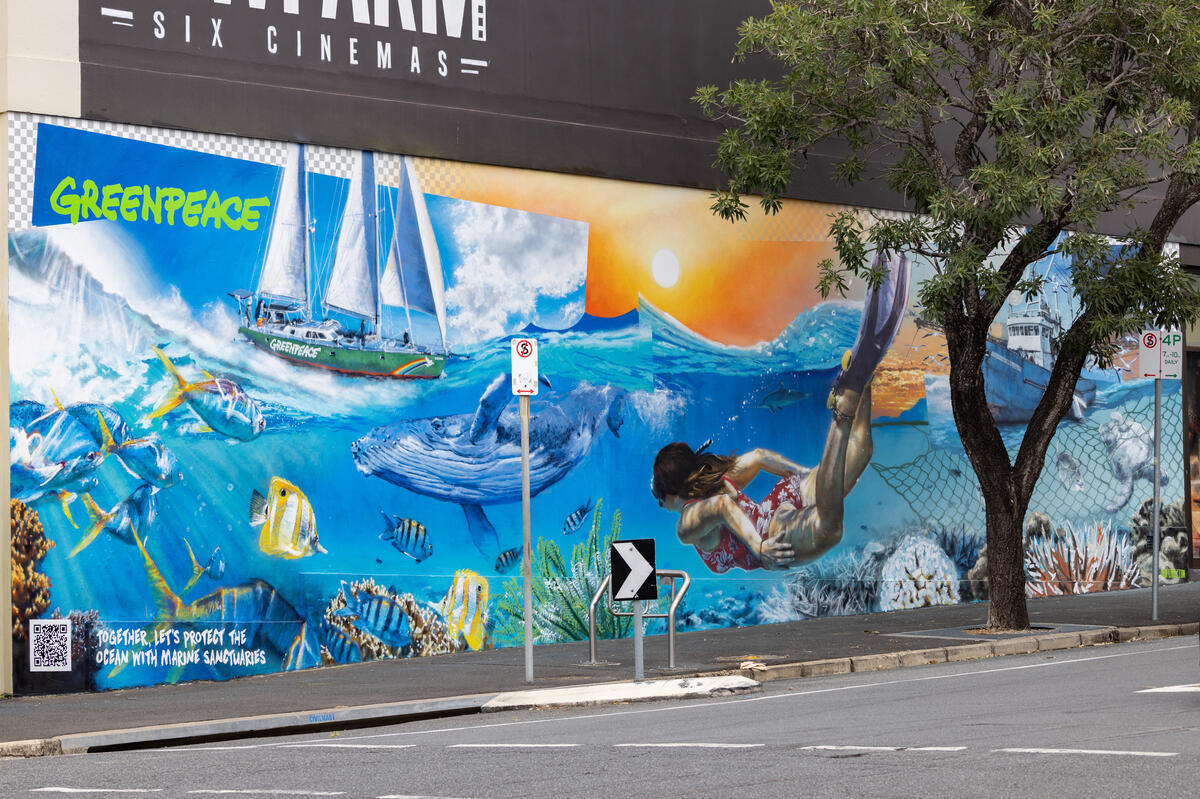
The Global Ocean Treaty Enters into force and we’re celebrating with a mural!!
Big news for our ocean, the Global Ocean Treaty enters into force today 17th January. Bringing this landmark treaty to life allows governments to create marine sanctuaries in international waters.…
-
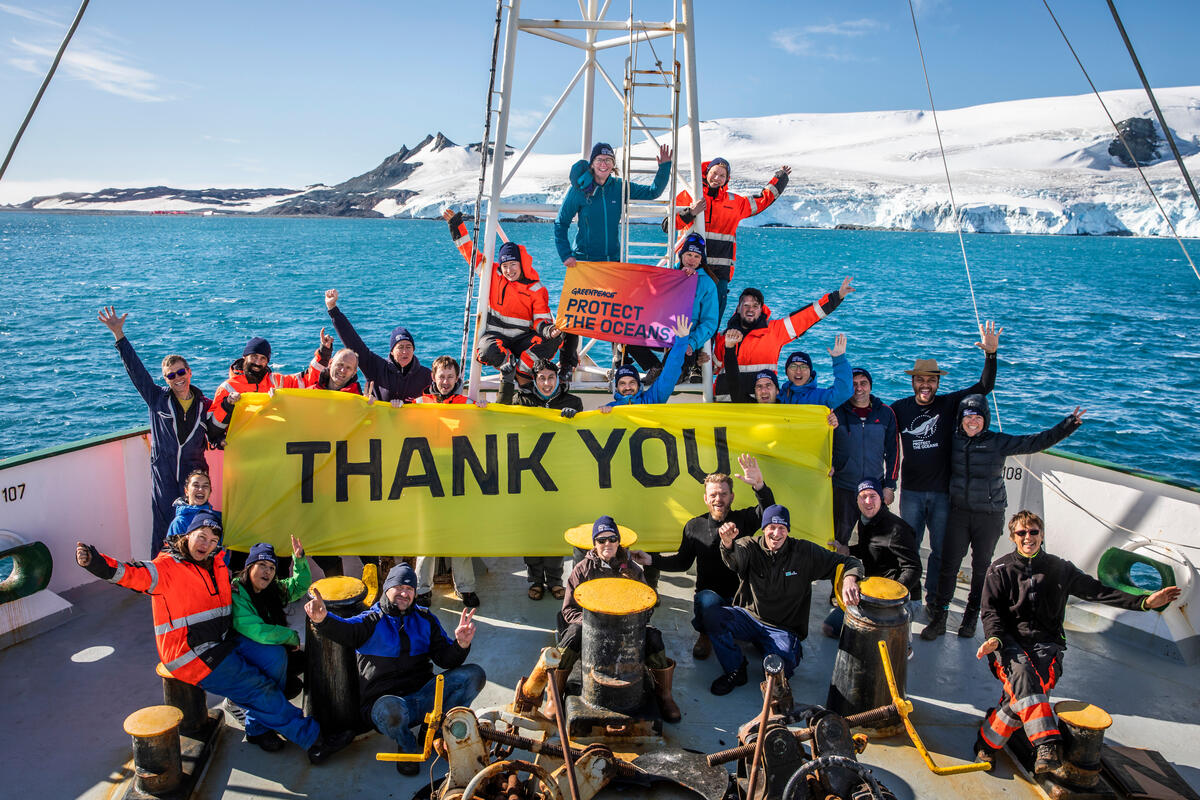
Historic Ocean Treaty kicks in as Australia warned: “no time to waste”
BRISBANE, Saturday 17 January 2026 — As one of the most significant nature protection agreements in history, the Global Ocean Treaty, comes into force today, Greenpeace Australia Pacific says there’s…
-
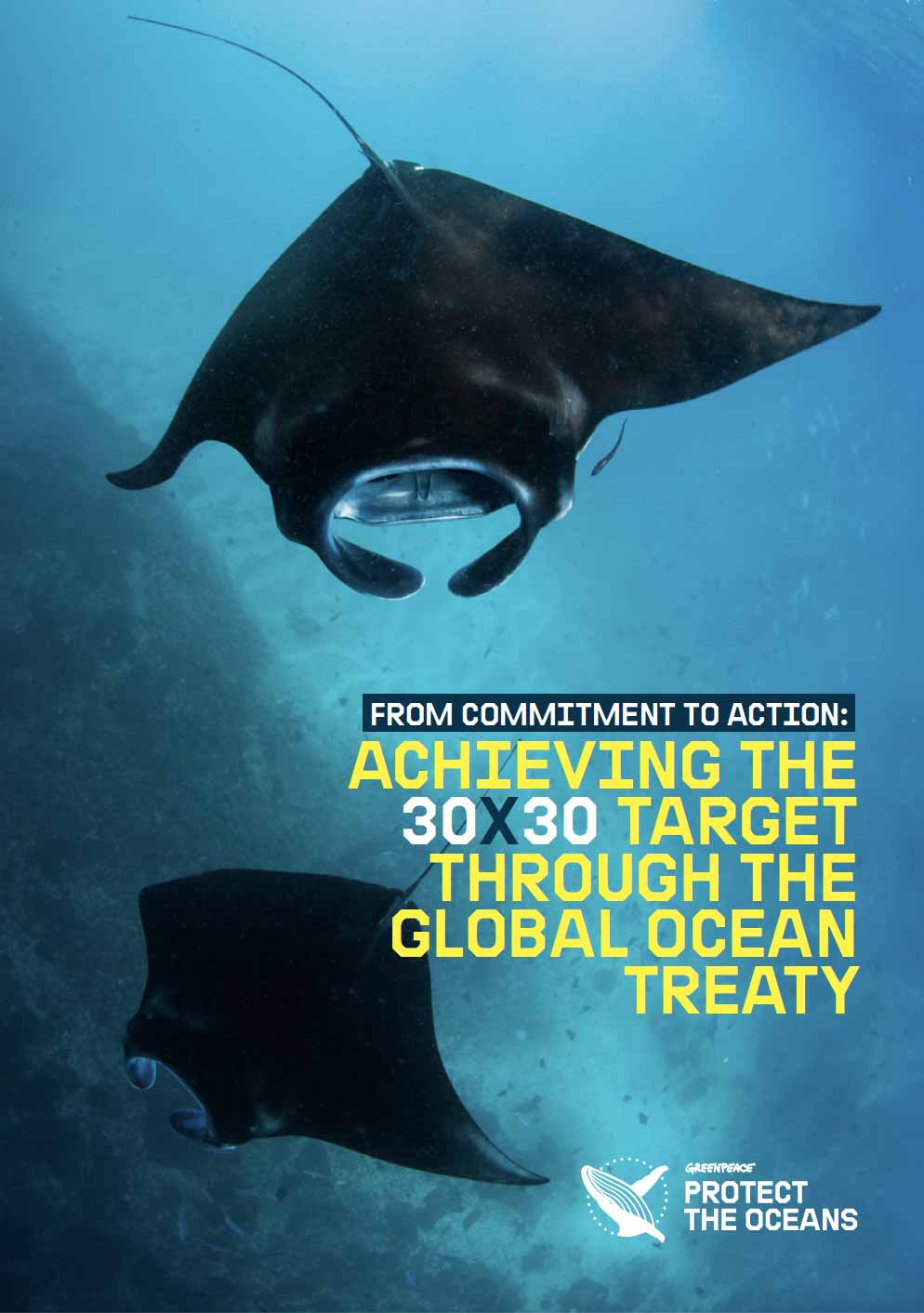
REPORT: From Commitment to Action – Achieving the 30×30 target through the Global Ocean Treaty
In 2022, the 15th Conference of the Parties to the Convention on Biological Diversity (CBD) adopted the Kunming-Montreal Global Biodiversity Framework (GBF), which aims to halt and reverse biodiversity loss.…
-
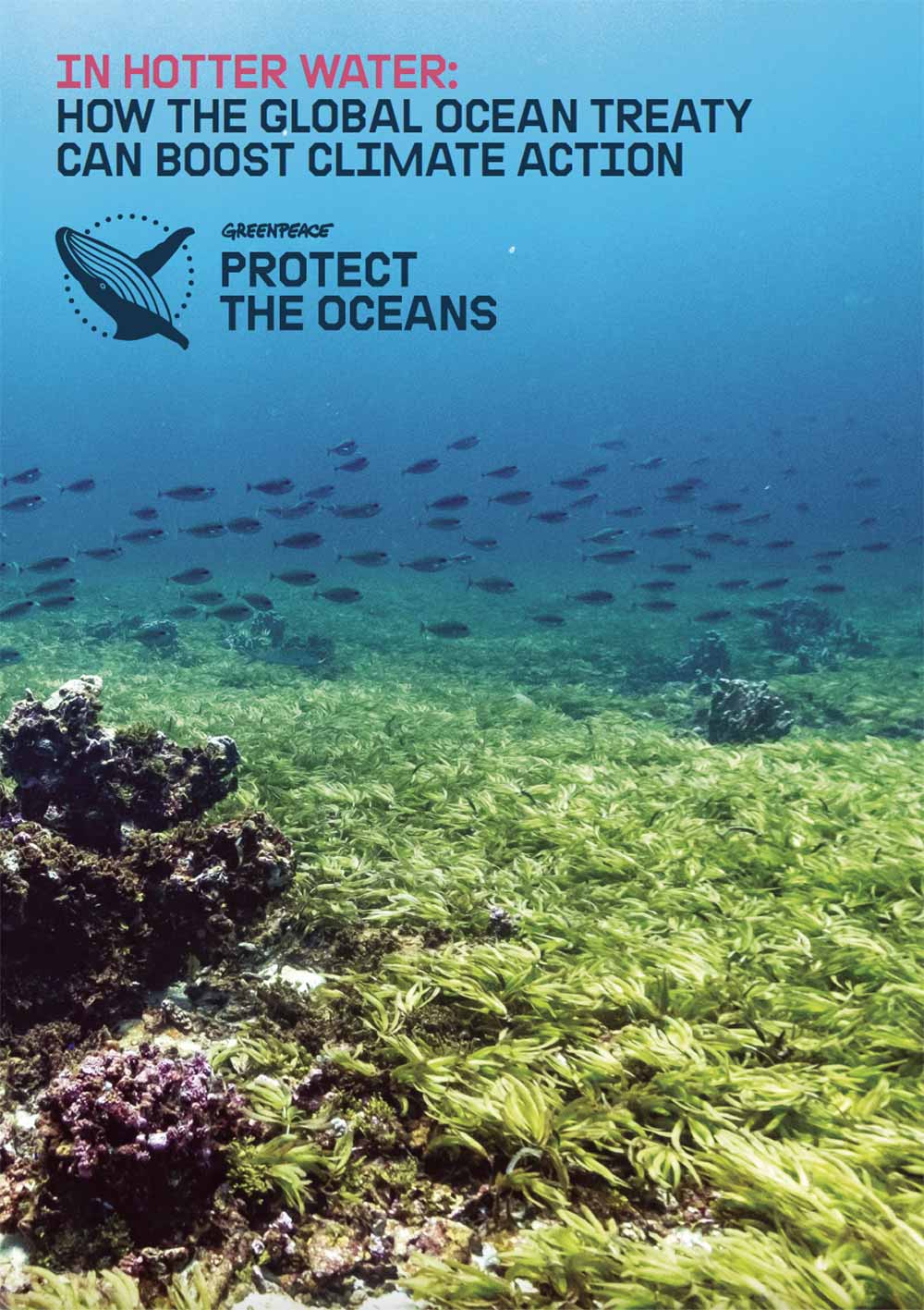
Report: In Hotter Water – How the Global Ocean Treaty can boost climate action
In December 2019, Greenpeace International released 30×30 In Hot Water: The climate crisis and the urgent need for ocean protection. This makes the scientific case for creating a network of marine sanctuaries covering at least 30% of the world’s ocean, both to increase marine life’s resilience to climate change and to help mitigate its effect…
-
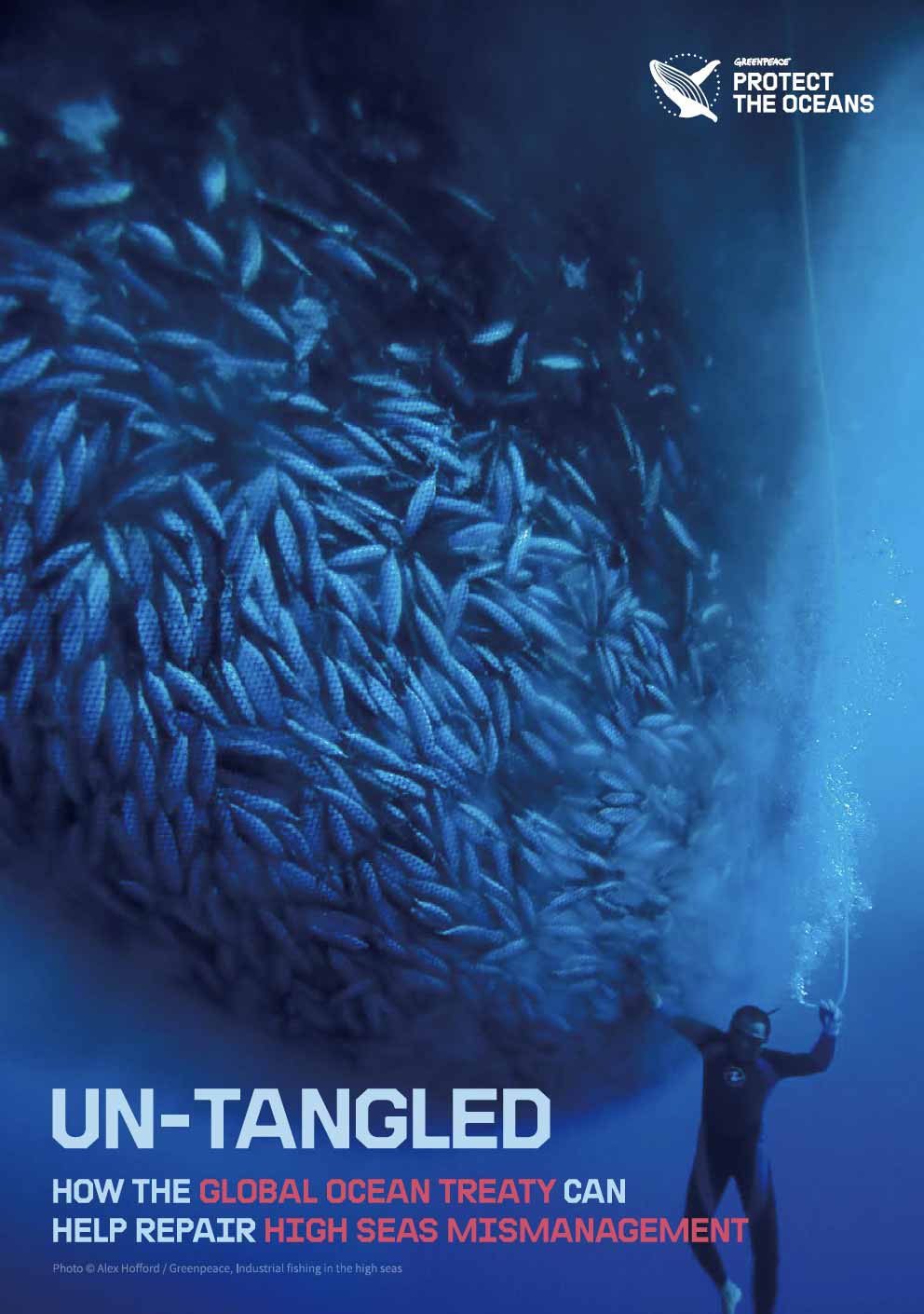
Report: How the Global Ocean Treaty can help repair high seas mismanagement
This report explores how Regional Fisheries Management Organisations (RFMOs) have not met their mandate for sustainably managing the impacts of fishing activity on biodiversity in international waters. It then sets out how the recently won Global Ocean Treaty (BBNJ Agreement) can remedy this systematic mismanagement of biodiversity on the high seas.
-
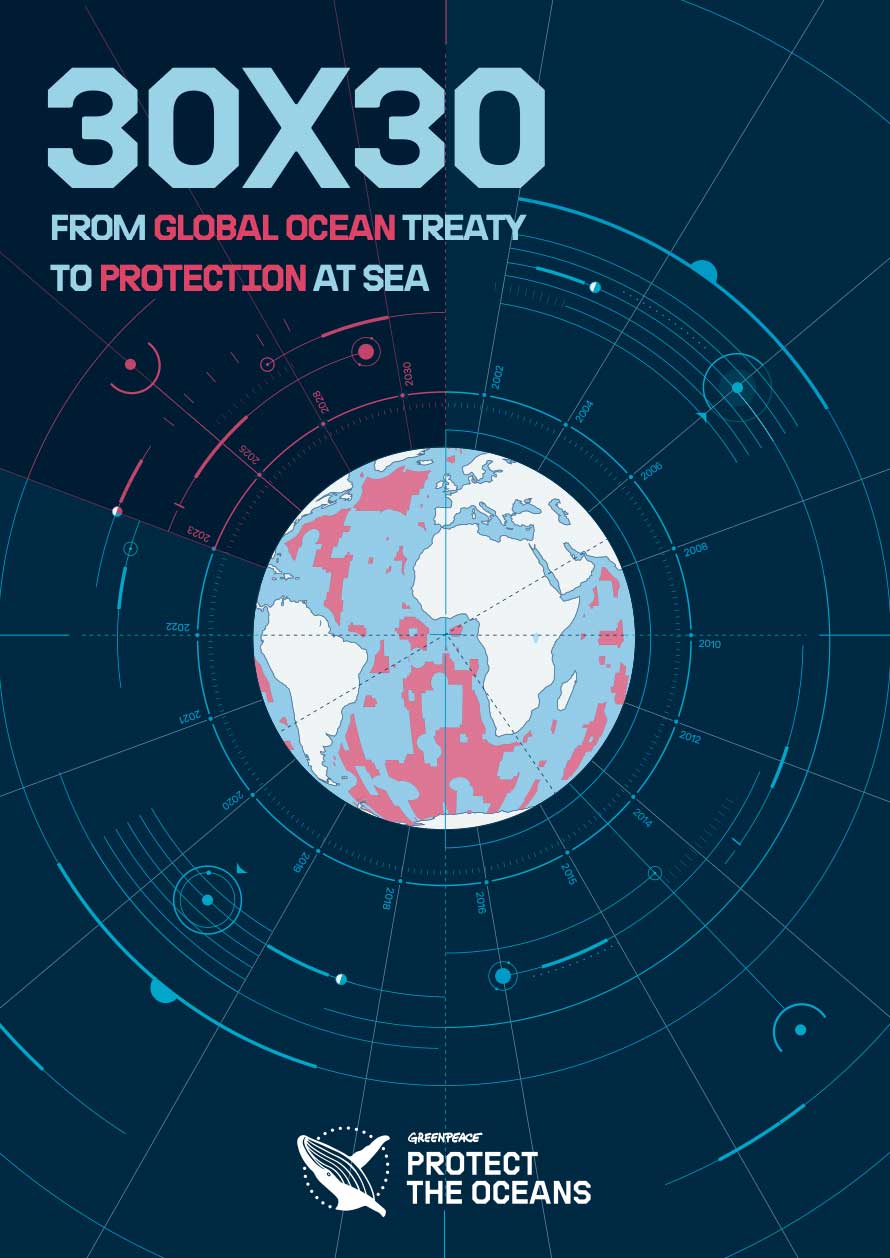
REPORT: 30×30 From Global Ocean Treaty to Protection at Sea
This report offers clear routes to action to get across the finishing line and help the oceans thrive again.
-
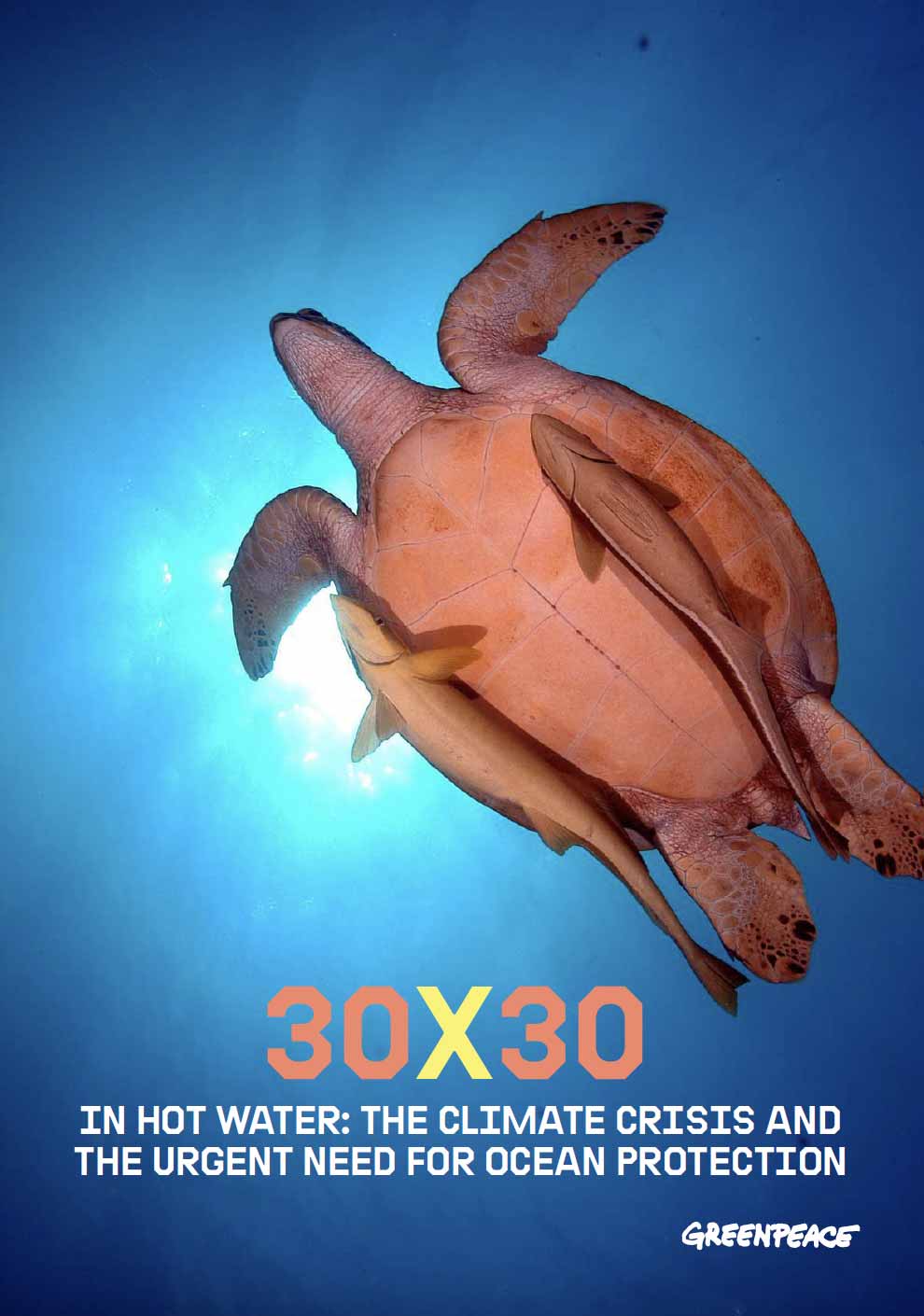
Report: In Hot Water – The Climate Crisis and the Urgent Need for Ocean Protection
We are standing at a pivotal moment in history. A global movement unlike anything we’ve seen before is demanding governments take action to address the climate emergency. Young people, inspired…
-
Report: Roadmap to Recovery – A global Network of Marine Reserves
In this report we present a design for a global network of high seas marine reserves. Marine reserves are highly protected areas that are off limits to all extractive and…
Keep informed
Together we are part of a growing, global movement determined to bring about the changes our planet desperately needs. Sign up to receive updates on our campaigns.