COP30 – UN Climate Change Conference
COP30 must meet the moment – with ambition, courage, and climate justice.
10 – 21 November 2025
Belém, Brazil
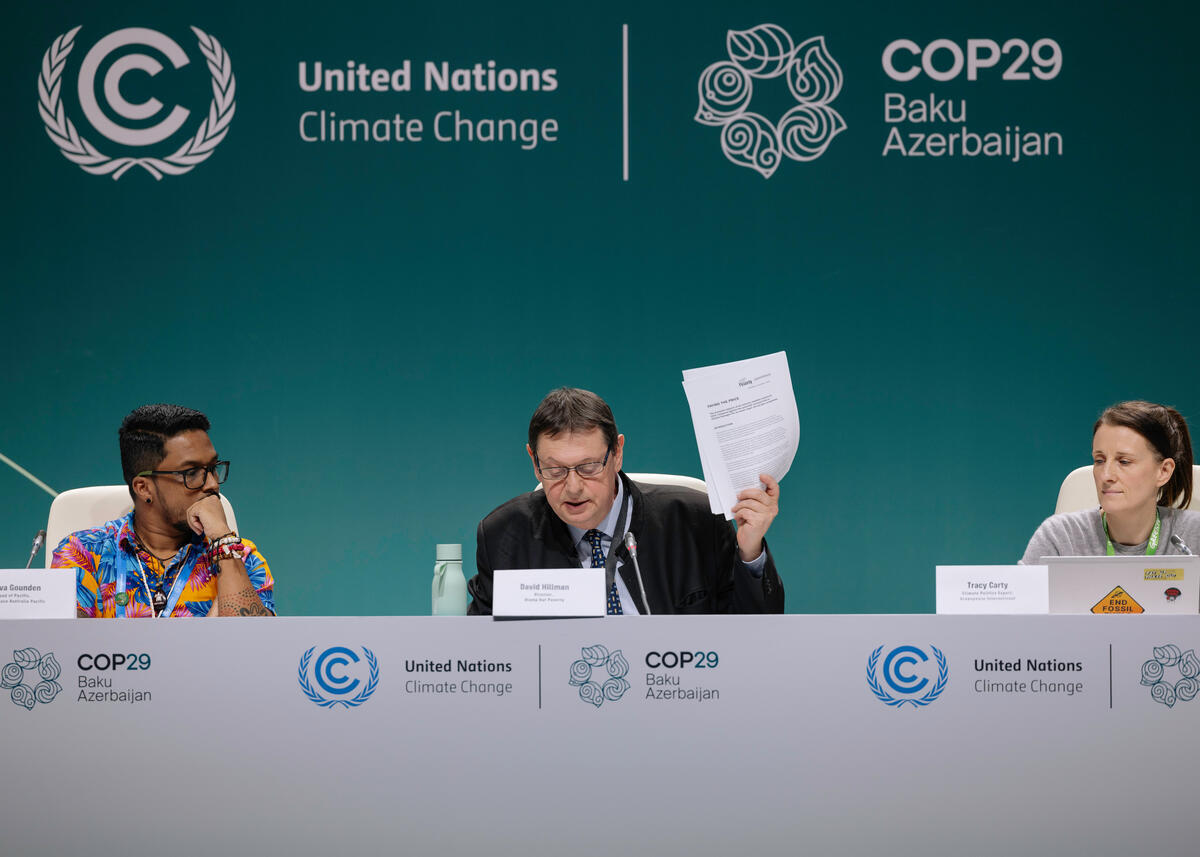
COP30’s missing words: coal, oil and gas
Guest: Greenpeace Australia Pacific chief executive David Ritter, on what really happened in Brazil – and whether COP is now just a cop out.
This year’s COP may be the most important for many years. We are 10 years since the landmark Paris Agreement and in the middle of the make-or-break decade for global climate action.
How you can help
-

You can help protect our homes before it’s too late
Animals are being pushed to extinction from the Amazon to Australia as greedy corporations destroy the world’s forests. Donate now to stop this destruction.
-

Call on PM Albanese to defend the Amazon
World leaders will soon be meeting to discuss the future of the Amazon…your voice can make a difference.
-
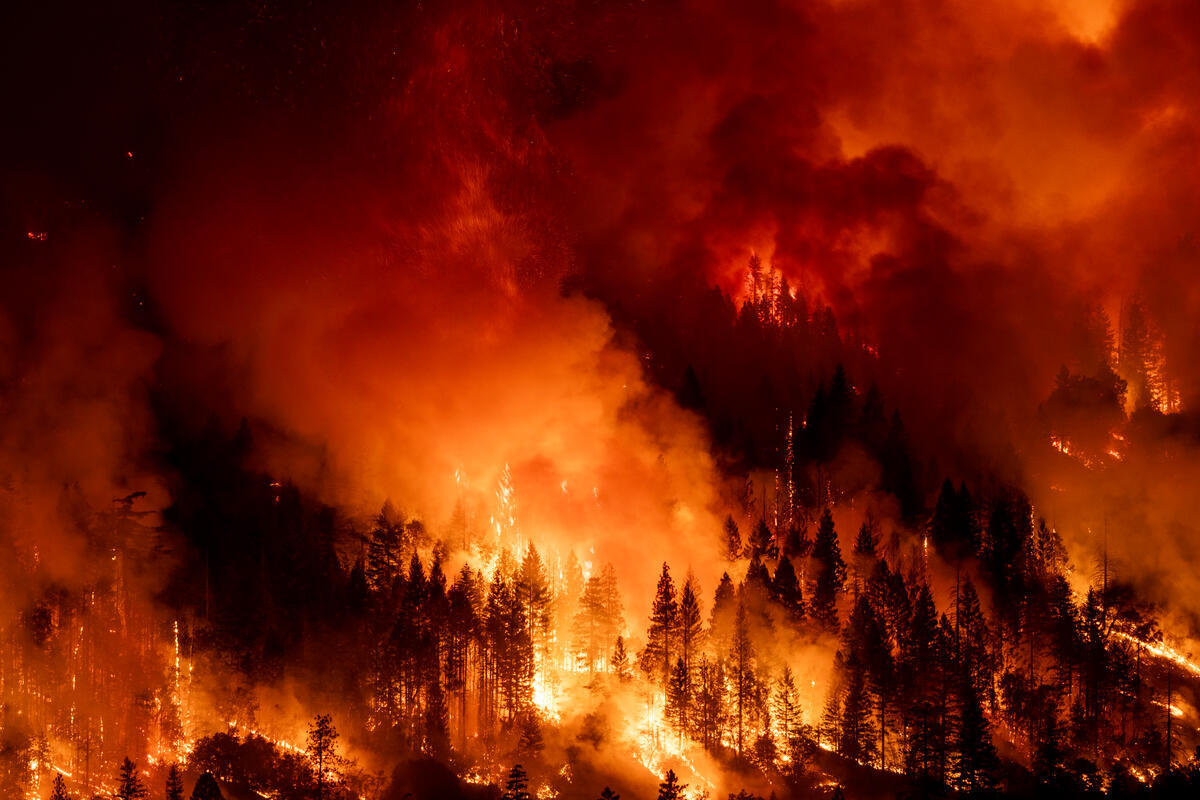
Make Polluters Pay
It’s time to make polluters pay. If corporations paid fair taxes on their profits and pollution we could support communities impacted by climate change while also transitioning away from fossil fuels.
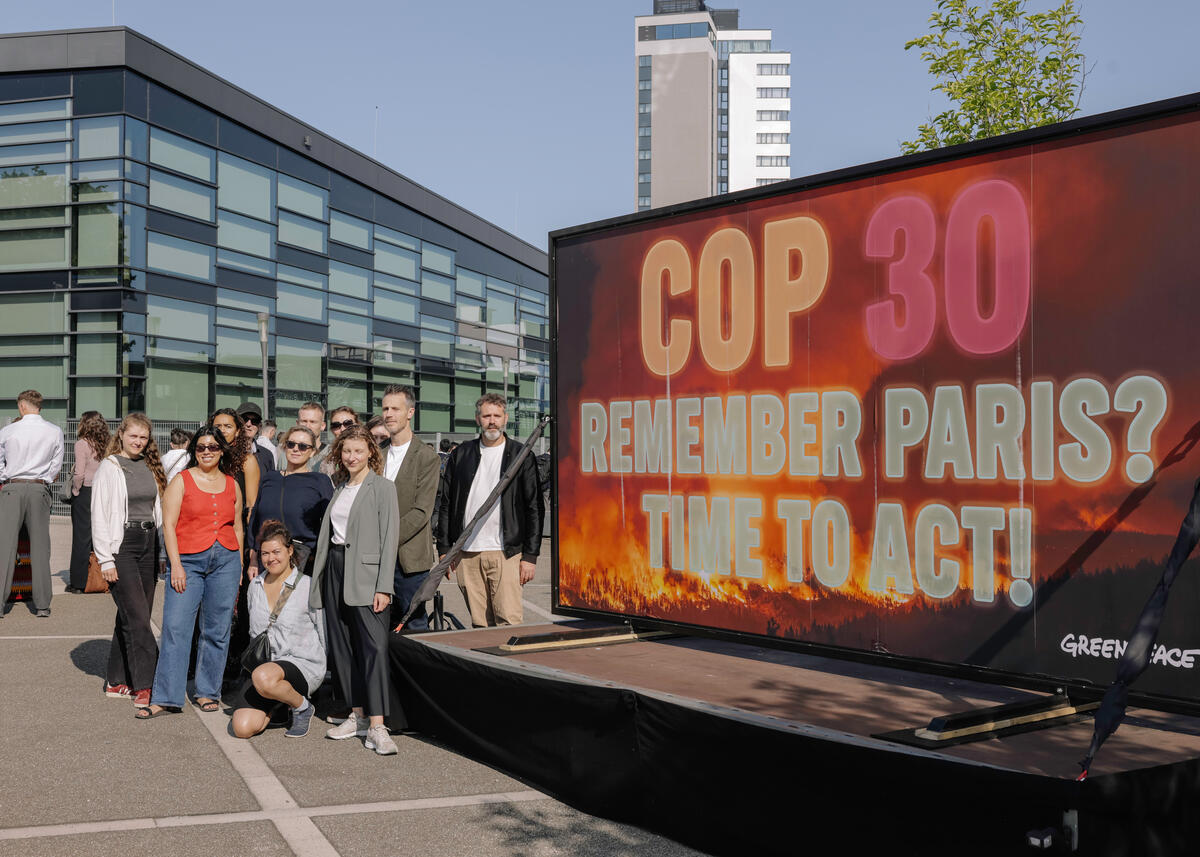
What is a COP?
COP stands for Conference of the Parties, the annual UN climate summit held under the United Nations Framework Convention on Climate Change (UNFCCC), the international treaty established in 1992.
Currently, 198 countries participate in the UNFCCC, making it one of the largest multilateral bodies in the United Nations system. These countries meet at COPs to negotiate how to limit global heating, cut greenhouse gas emissions, and support communities already affected by climate impacts.
Why does COP matter for global solutions?
Climate chaos knows no borders. As we near dangerous tipping points, COP30 must move decisively from talk to action — from promises to implementation, and from voluntary efforts to coordinated global solutions. Australia, still the world’s third-largest fossil fuel exporter and among the highest emitters, has a responsibility to lead, not lag. Meanwhile, the Pacific is already living the reality of rising seas and intensifying cyclone seasons.
This is precisely why COPs matter: they are the only global space where nations can come together to confront a crisis no country can solve alone. Multilateralism may sound technical, but at its heart, it simply means working together — and when it comes to the climate emergency, that’s the only way forward.
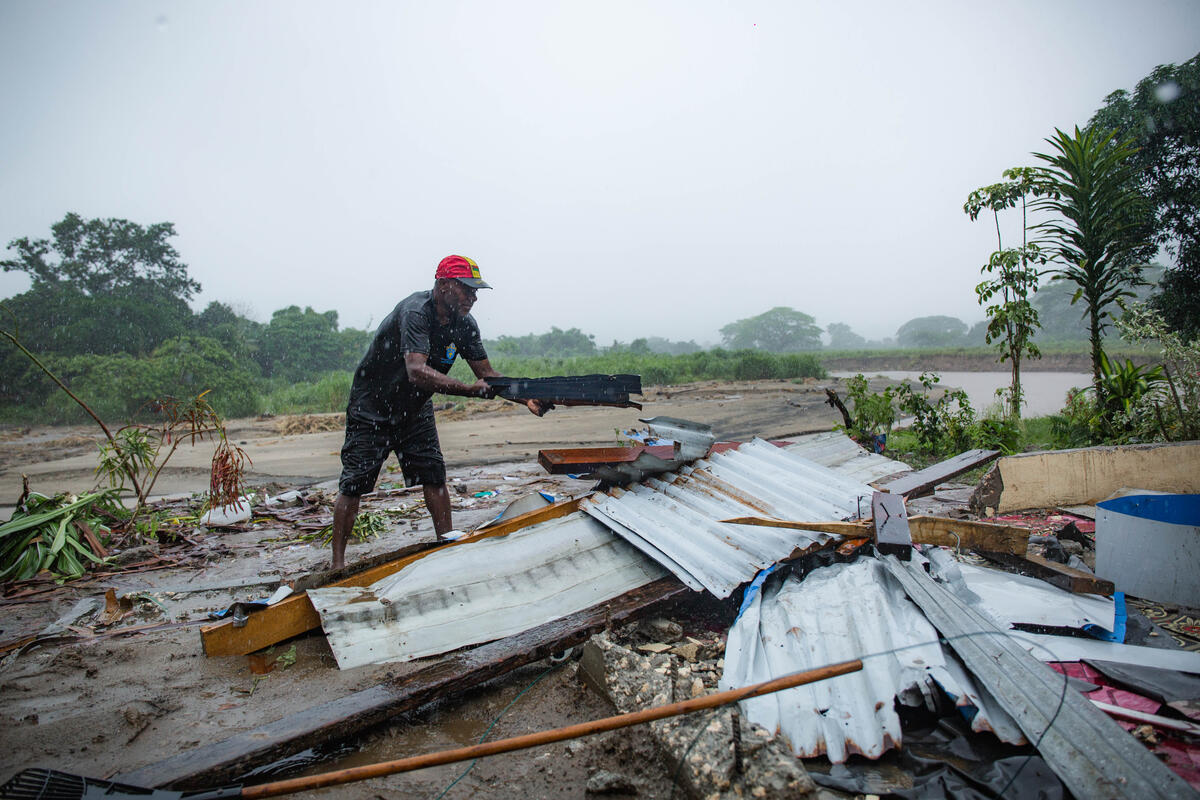
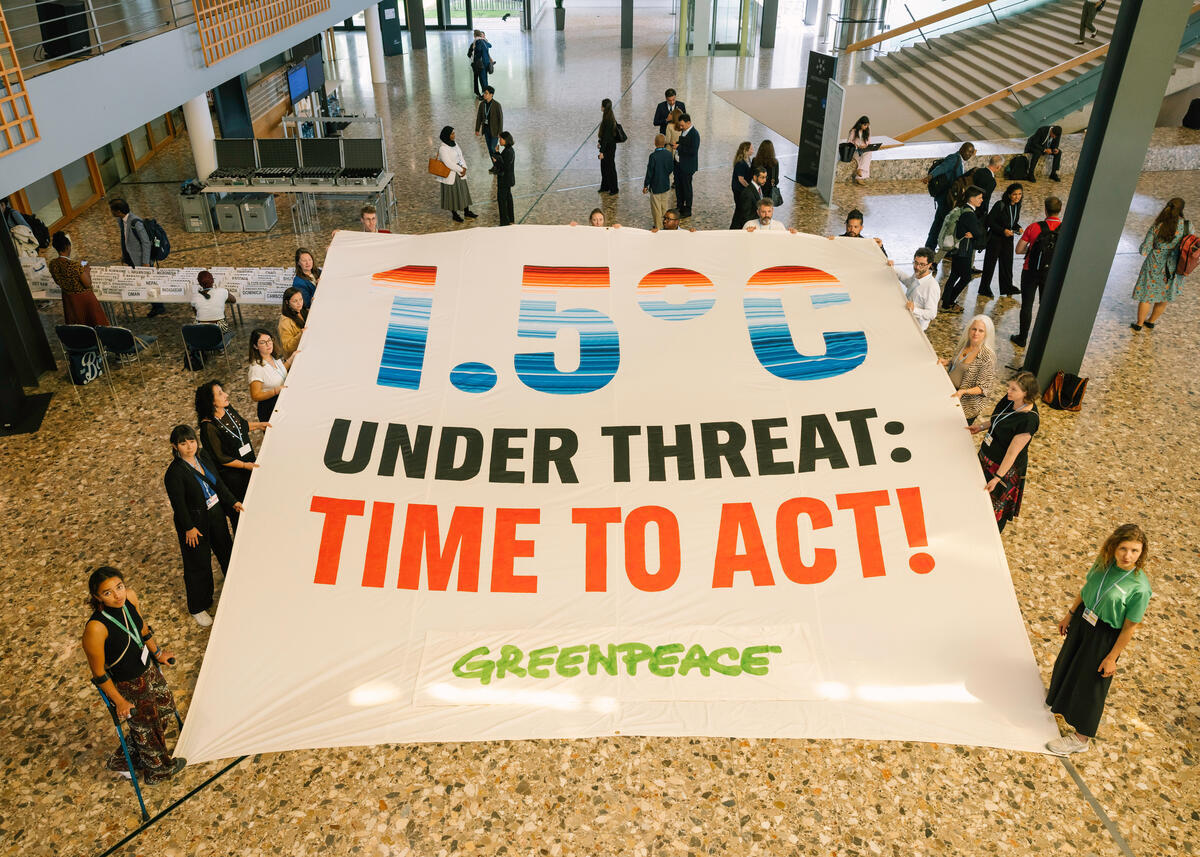
What COPs have achieved so far
While it’s easy to feel cynical, history shows that real progress at COPs happens when people power builds pressure. From the Paris Agreement at COP21 setting the 1.5°C goal, to the creation of the Loss and Damage fund at COP27, to COP28 finally naming fossil fuels as the cause of the crisis, and COP29’s focus on climate finance — each milestone, though imperfect, marked a step forward. None of these wins came easily; they were driven by relentless advocacy from Indigenous leaders, climate-vulnerable nations, campaigners, and millions of people demanding justice and action.
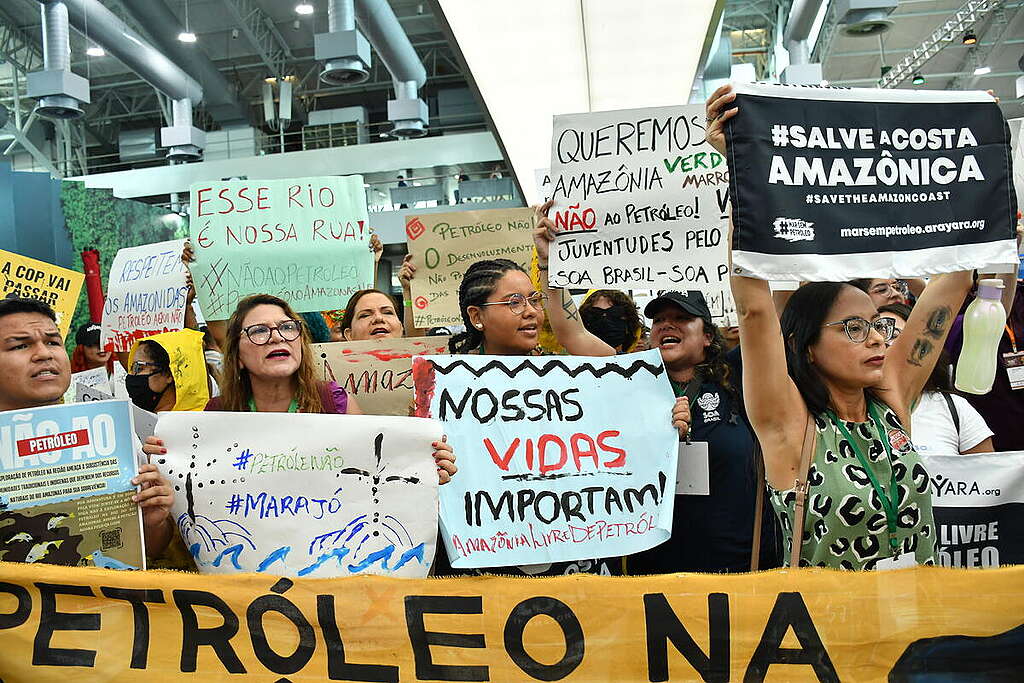
Every COP is different, with its own unique vibe. This year, the long shadow of Trumpism will inevitably be hanging over things, emboldening the fossil fuel producers and their enablers.
COPs, lobbyists and people power
COPs are often criticised as talkfests where corporate lobbyists outnumber the countries most affected by the climate crisis. At COP28, fossil fuel lobbyists outnumbered nearly every national delegation, while big meat and dairy corporations showed up to defend factory farming. That’s exactly why civil society, Indigenous Peoples, youth, and activists must be in the room — to hold governments accountable, expose greenwash, and make sure frontline voices are heard. Greenpeace doesn’t attend COPs because we believe politicians will fix everything, but because without public pressure, nothing changes. Real progress happens when people come together, demand justice, and turn talk into action.
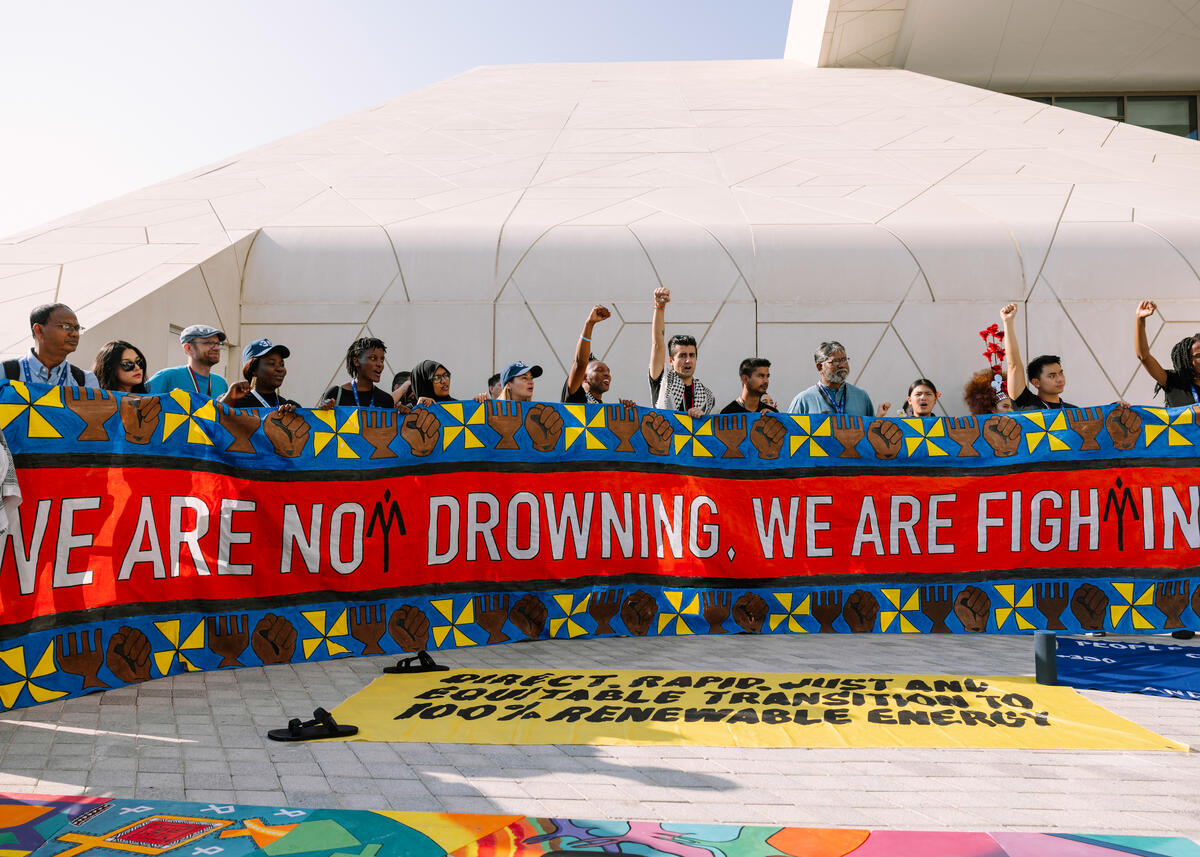
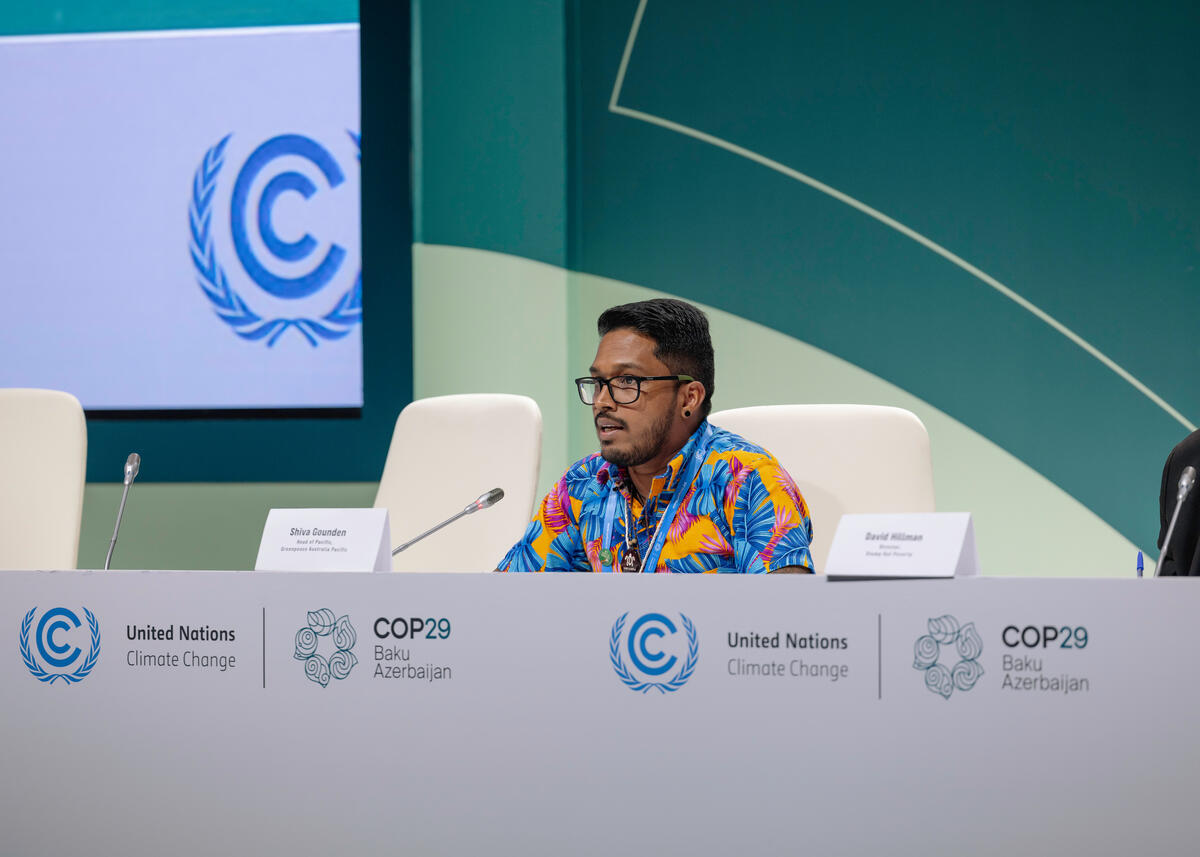
Why COPs Still Matter
According to the UN, the world is still heading toward up to 3.1°C of warming this century — far beyond the 1.5°C limit needed to avoid climate chaos. To stay within that limit, countries must not only deliver on their current pledges but strengthen them to cut emissions by around 43% by 2030 and go even further by 2035. This is the difference between ecological collapse and a fighting chance to stabilise our planet — and it’s why COPs still matter. The decisions made there can literally determine the fate of millions of people, ecosystems, and future generations.
At COP30 Greenpeace Australia Pacific is calling for:
- Champion a Global Response Plan to address the 1.5°C ambition gap. This should include revising and strengthening 2035 NDCs, to align with limiting warming to 1.5°C.
- Commit to no new fossil fuels and a clear plan and timeline for the fast, fair phase out of existing fossil fuel projects including exports
- Make new, fair and substantial contributions of climate finance, and support the mobilisation and provision of predictable, grant-based and non debt-creating finance — that does not place additional burdens on climate vulnerable countries — to reach the 1.3T annual goal agreed at COP29 as part of the Baku to Belem Roadmap.
- Support a polluters pay mechanism that would unlock climate finance, and ensure fossil fuel corporations pay their fair share for climate damage.
- Support action to protect forests and biodiversity, including a new 5-year Forest Action Plan to fulfil the goal of ending deforestation and forest degradation by 2030.
- Get squarely behind long-term Pacific priorities, including closing the 1.5°C emissions gap, phasing our fossil fuels and ensuring vulnerable communities can access the finance and support they need.
- Ensure that Pacific leadership and the phase out of fossil fuels are at the heart of Australia’s bid to host COP31

Change the law. Change the world
Join the fight for climate justice and help make big polluting countries accountable to those who are most impacted by climate change, donate now.
Learn more about COP
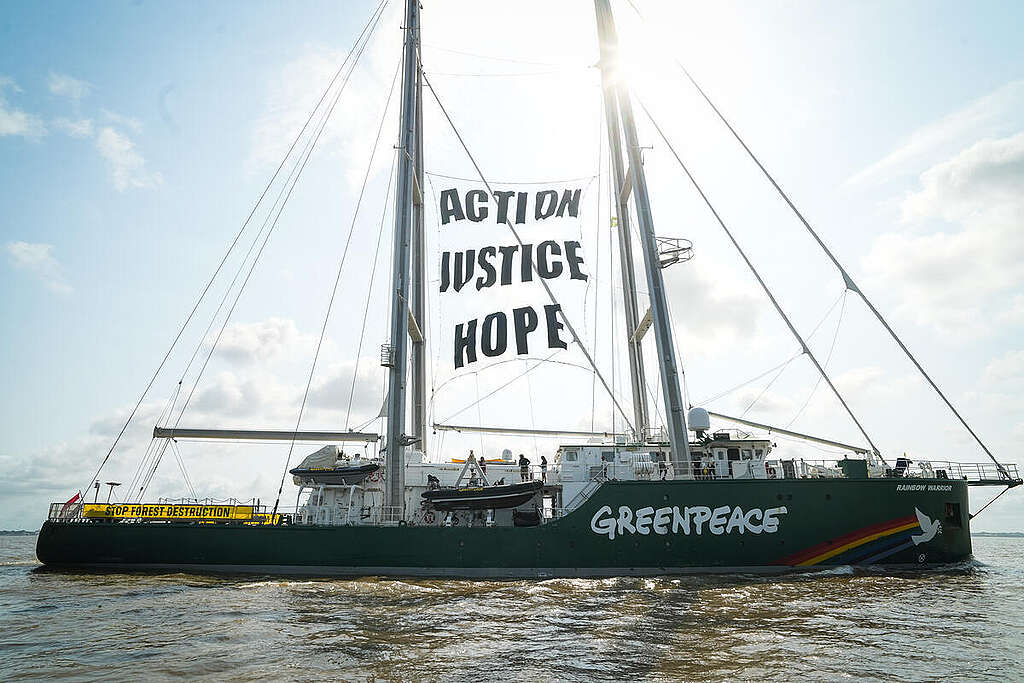
A Pacific COP is a historic opportunity for bold climate leadership. Australia must ensure Pacific voices shape every decision — from closing the 1.5°C gap to phasing out fossil fuels and securing fair finance.
Read more-

From Palau to Türkiye: Powering up for climate and ocean justice
Pacific Island countries have long been at the forefront of climate, ocean and biodiversity protection. Last week our team headed to Palau, to meet with community and government leaders and to plan for another big year ahead. Here’s some of what we explored together, and what’s in store over the coming months.
-
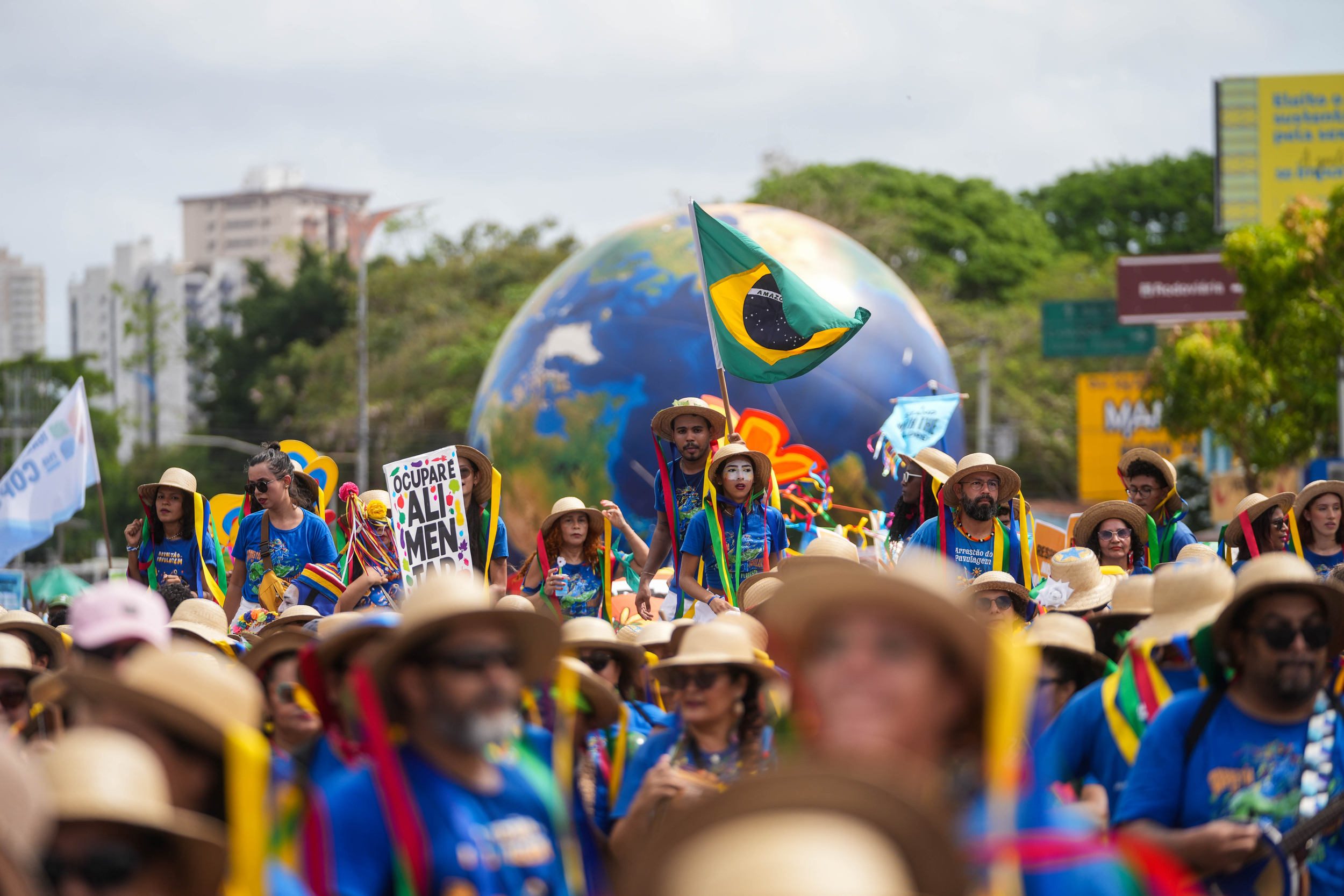
COP30 falls short, but momentum builds behind a fossil fuel phase out
BELÉM, BRAZIL, Saturday 22 November 2025 — The UN COP30 summit has ended without actionable roadmaps to transition from fossil fuels and end forest destruction, but a new coalition of…
-
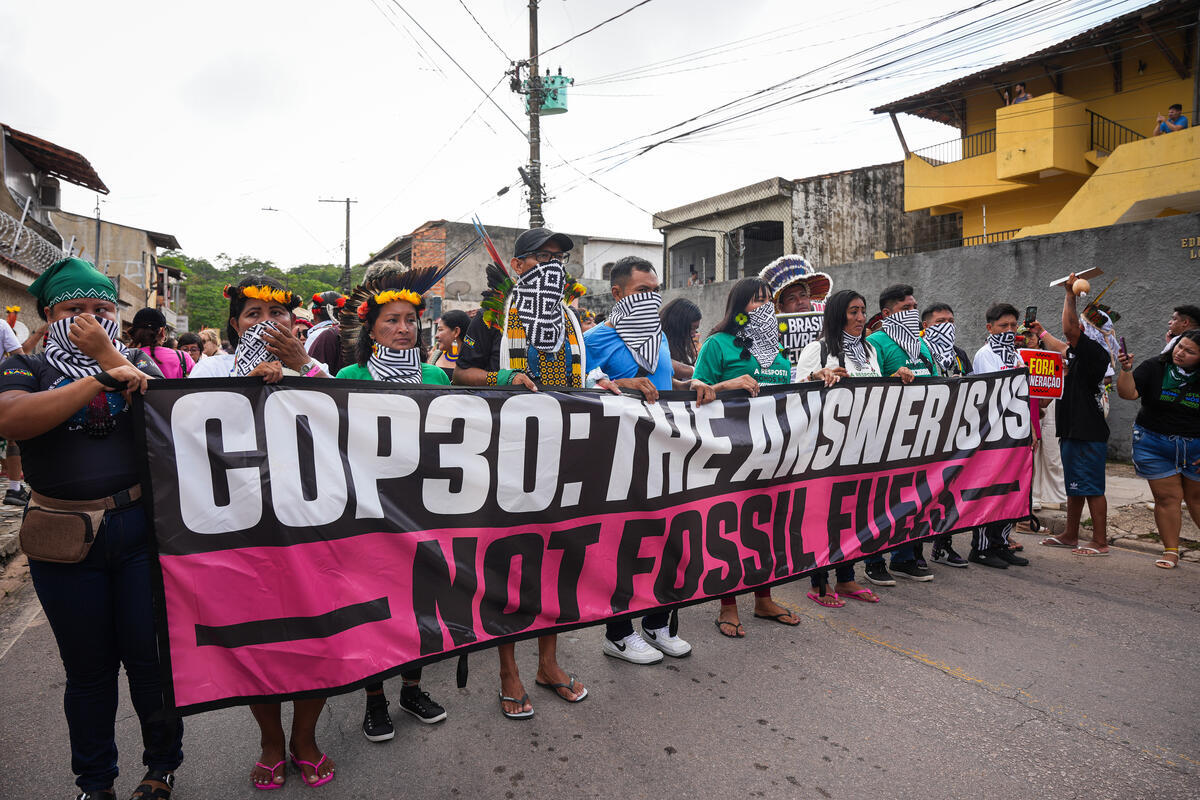
Australia’s silence becoming deafening, as momentum builds for COP30 roadmap away from fossil fuels
BELÉM, BRAZIL, Tuesday 18 November 2025 — In response to the COP30 ministerial level press conference on a ‘Mutirão Call for a Fossil Fuel Roadmap’ Dr Simon Bradshaw, COP31 Lead…
-
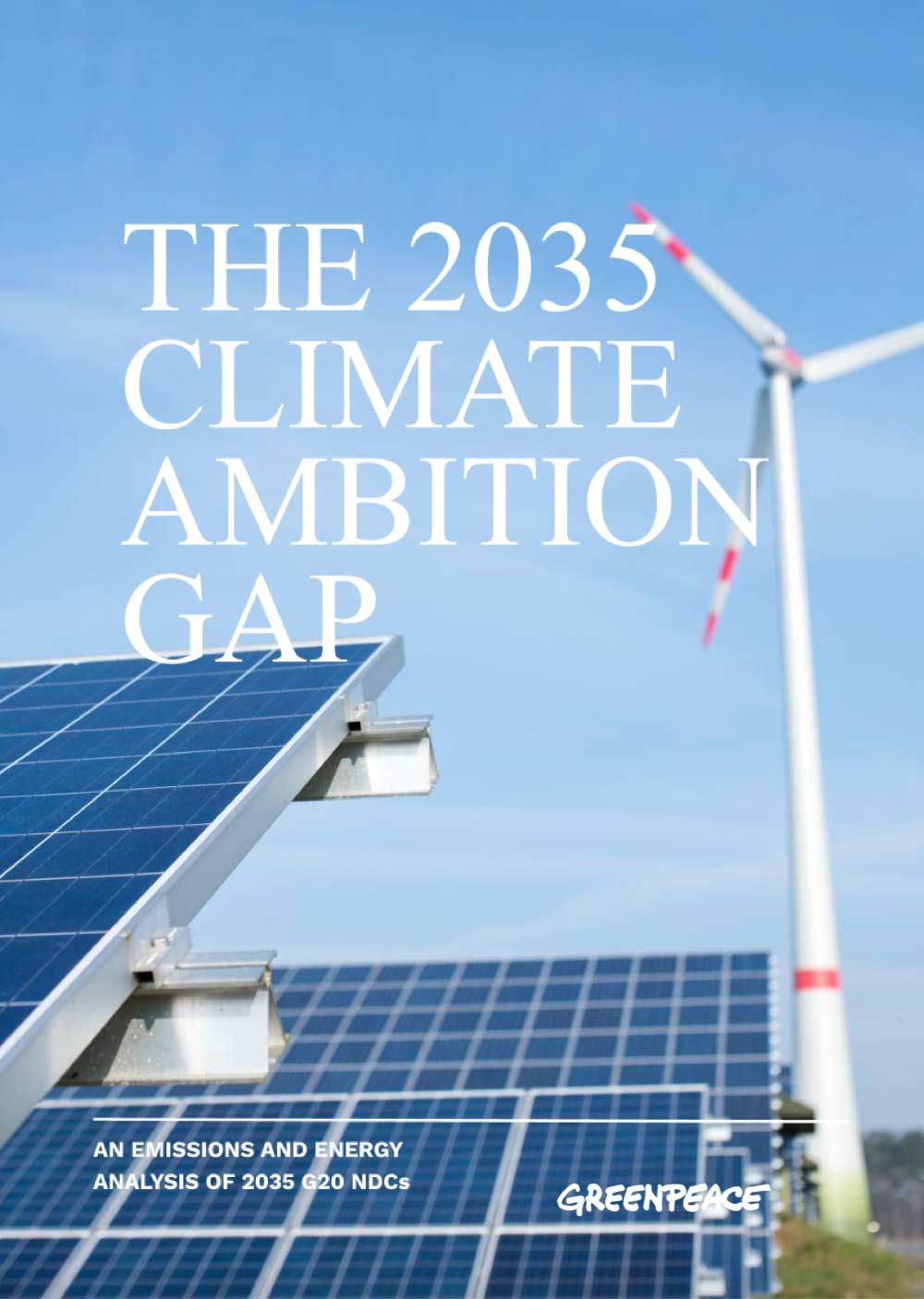
The 2023 Climate Ambition Gap
Ten years after the Paris Agreement, taking stock of 2035 climate action plans on the road to achieving the 1.5°C limit.
-
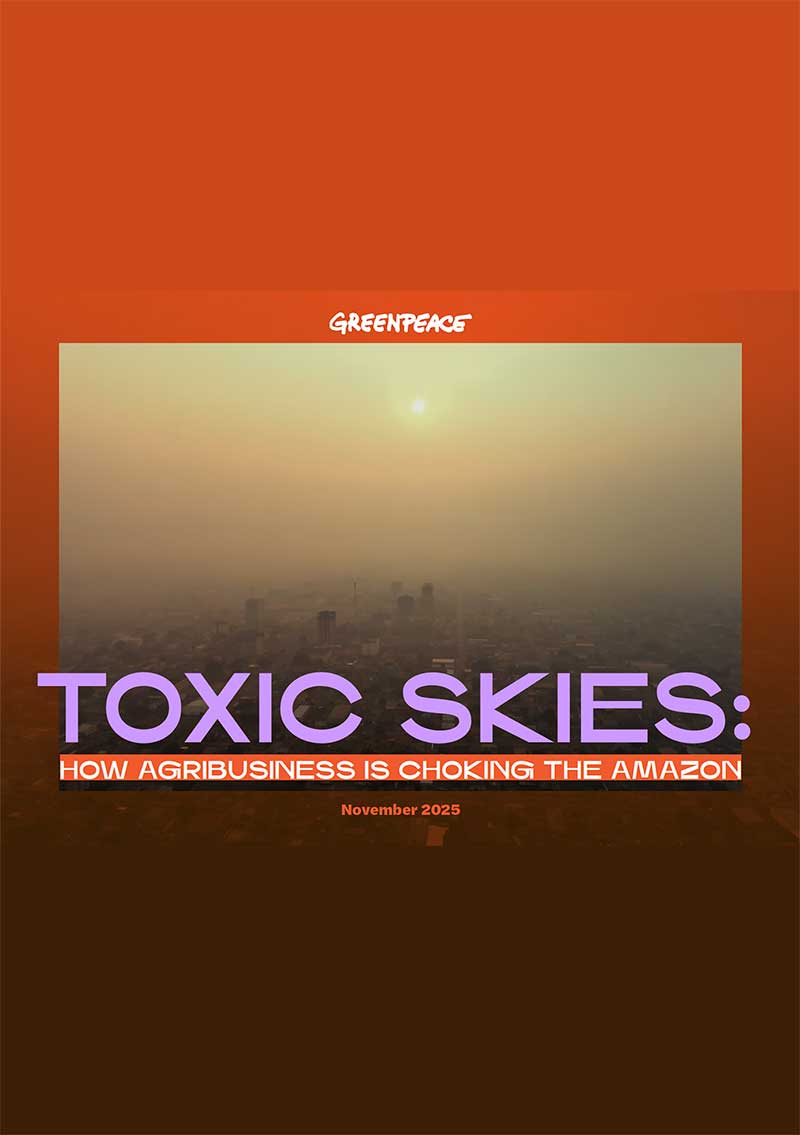
Report: Toxic Skies – How Agribusiness is Choking the Amazon
This report tracks air pollution across key regions of the Amazon, revealing how fires related to agricultural activity, in particular cattle pastures and deforestation, are degrading air quality, threatening public health, and accelerating climate and biodiversity crises.
-
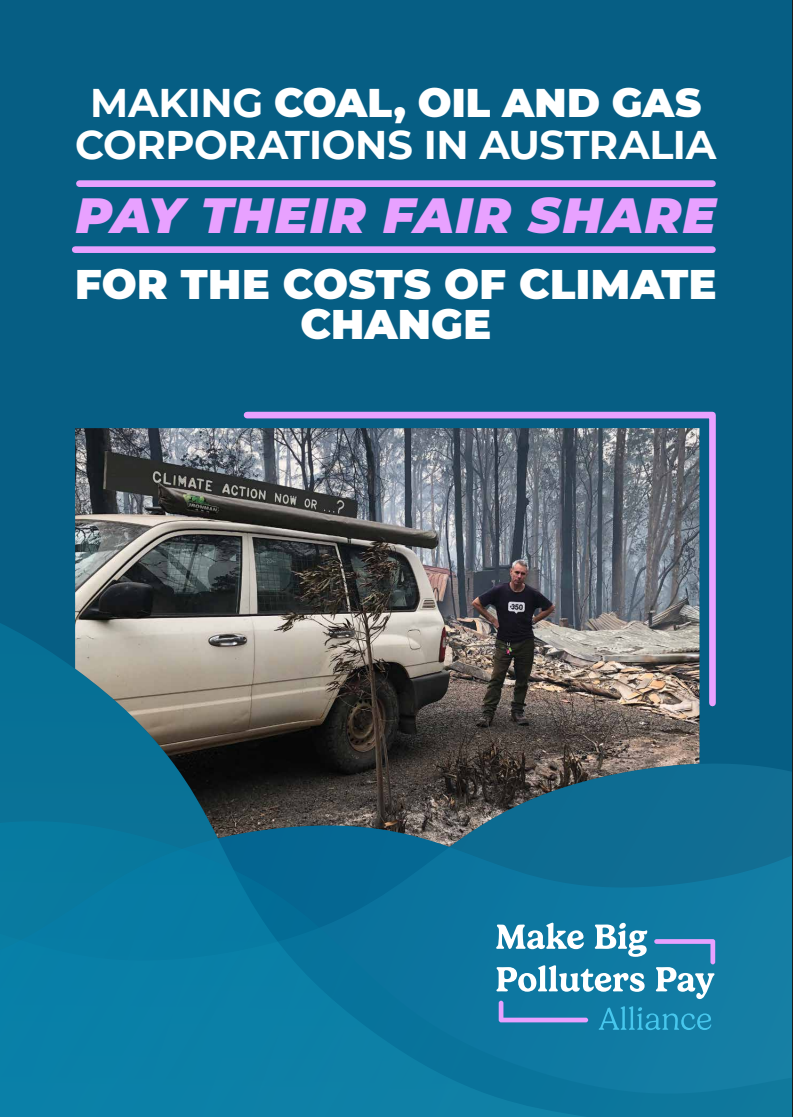
REPORT: Making Coal, Oil and Gas Corporations in Australia pay their fair share for the costs of Climate Change
75% of Australians believe that climate change is increasing the cost of living, as new alliance calls on Government to take action ahead of Economic Reform Roundtable
Keep informed
Together we are part of a growing, global movement determined to bring about the changes our planet desperately needs. Sign up to receive updates on our campaigns.