-

REPORT: “One Spill Will Kill”: A Disaster in the Making
Greenpeace Australia Pacific believes Woodside cannot be trusted when it comes to our oceans, reefs and marine life.
-
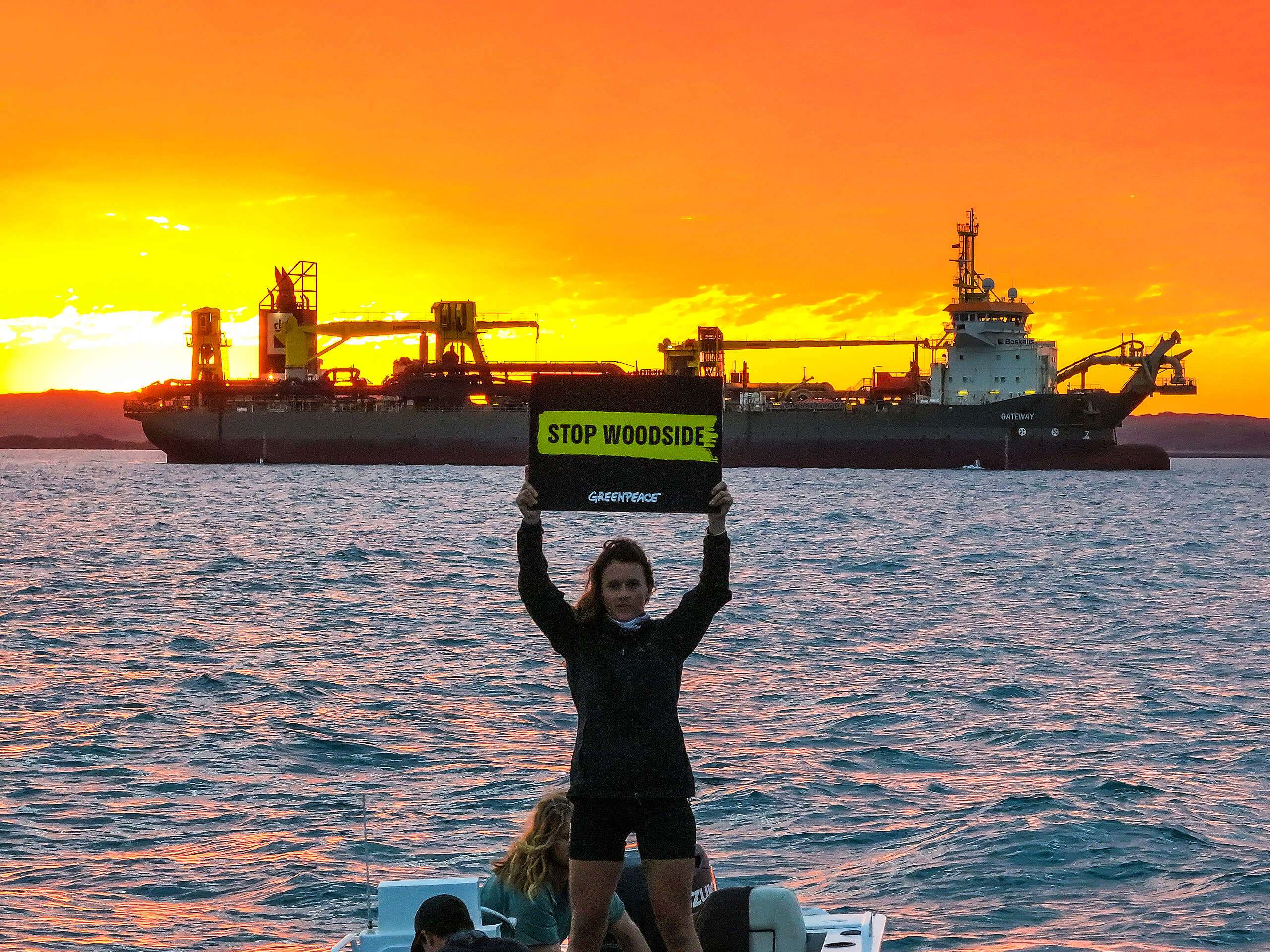
“No, it certainly shouldn’t”: Greenpeace welcomes WA Premier Cook’s commitment to follow the evidence on Woodside’s risky Browse
Greenpeace Australia Pacific today welcomed a commitment from WA Premier Roger Cook indicating he would respect potential findings from the state’s EPA ruling out Woodside’s Browse project, if the EPA deems it poses an unacceptable risk of an oil spill or harm to whales and turtles.
-
An update on our campaign against Woodside
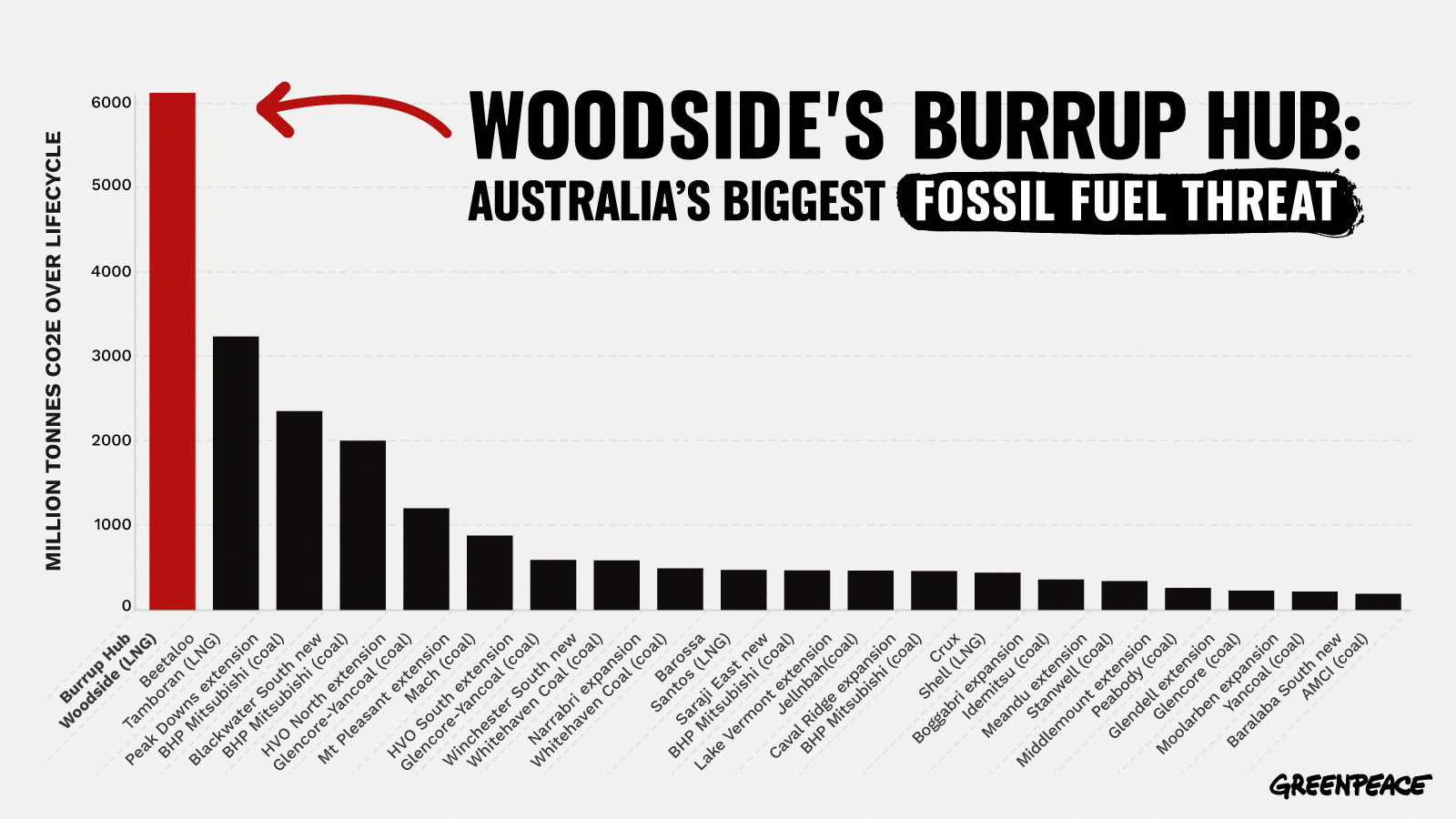
Woodside’s Burrup Hub an irredeemable threat to WA’s oceans and marine life. It’s also the biggest fossil fuel threat in Australia and the fifth most polluting gas project in the…
-
WA EPA says Woodside’s Browse Project Too Dangerous to Proceed
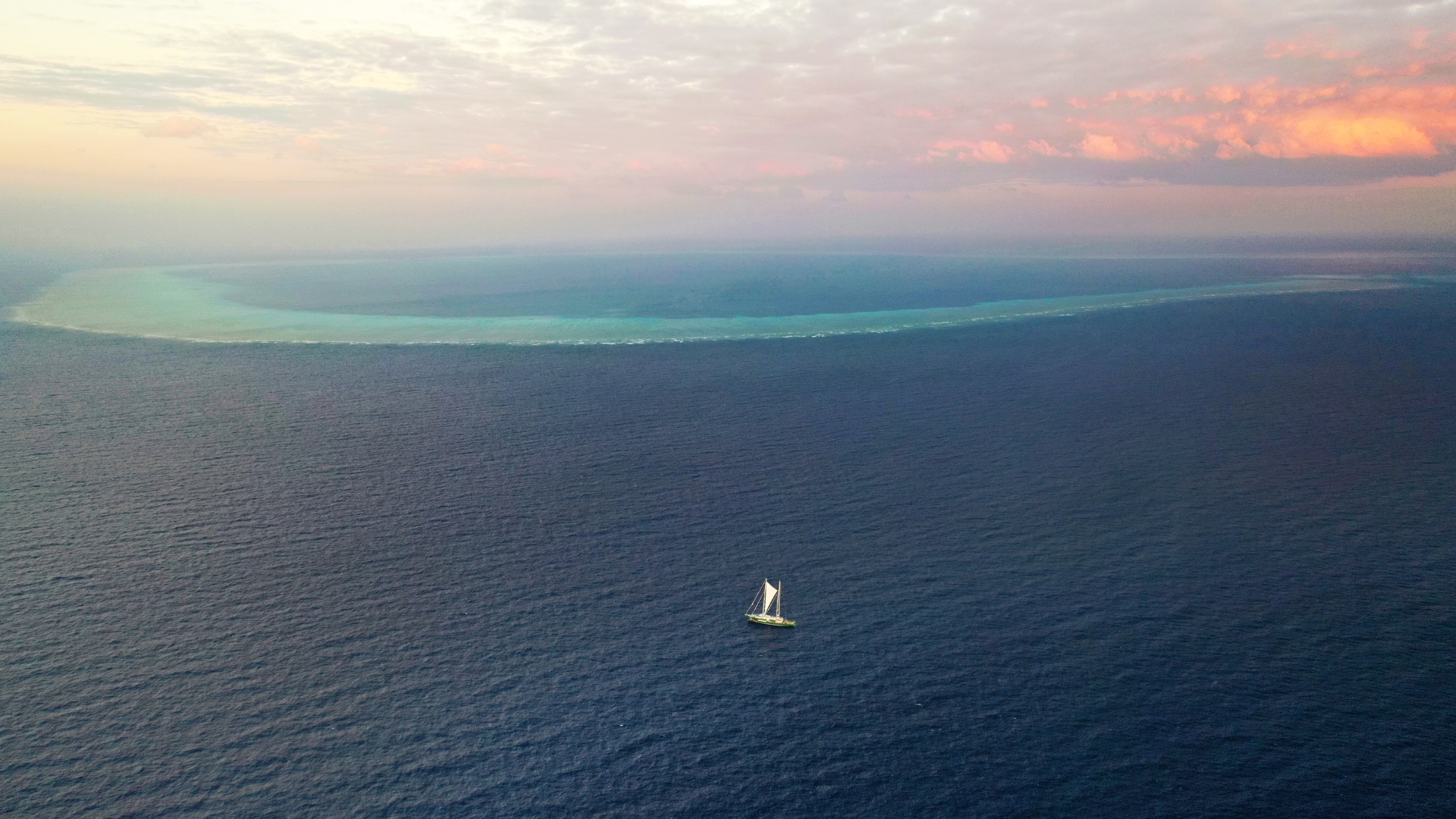
Greenpeace Australia Pacific has welcomed explosive revelations that the Western Australia Environmental Protection Authority (EPA) has essentially written off the company’s Browse project as too dangerous to proceed.
-

Environmental Protection Authority finds Woodside’s Browse project too dangerous to proceed, must now be ruled out
Following explosive revelations that the WA Environmental Protection Authority (EPA) has effectively deemed Woodside’s Browse project as too dangerous to go ahead, Greenpeace Australia Pacific today urged state and Federal Environment Ministers to urgently heed this advice and rule out this destructive fossil fuel project.
-

The tide has turned: new Secretary General voted in at ISA
SYDNEY/KINGSTON, 2 AUGUST 2024 – Today the International Seabed Authority’s Assembly voted in secret ballot for the new Secretary General. In reaction to Leticia Carvalho winning the election for Secretary…
-
Tuvalu joins growing chorus of nations seeking deep sea mining pause
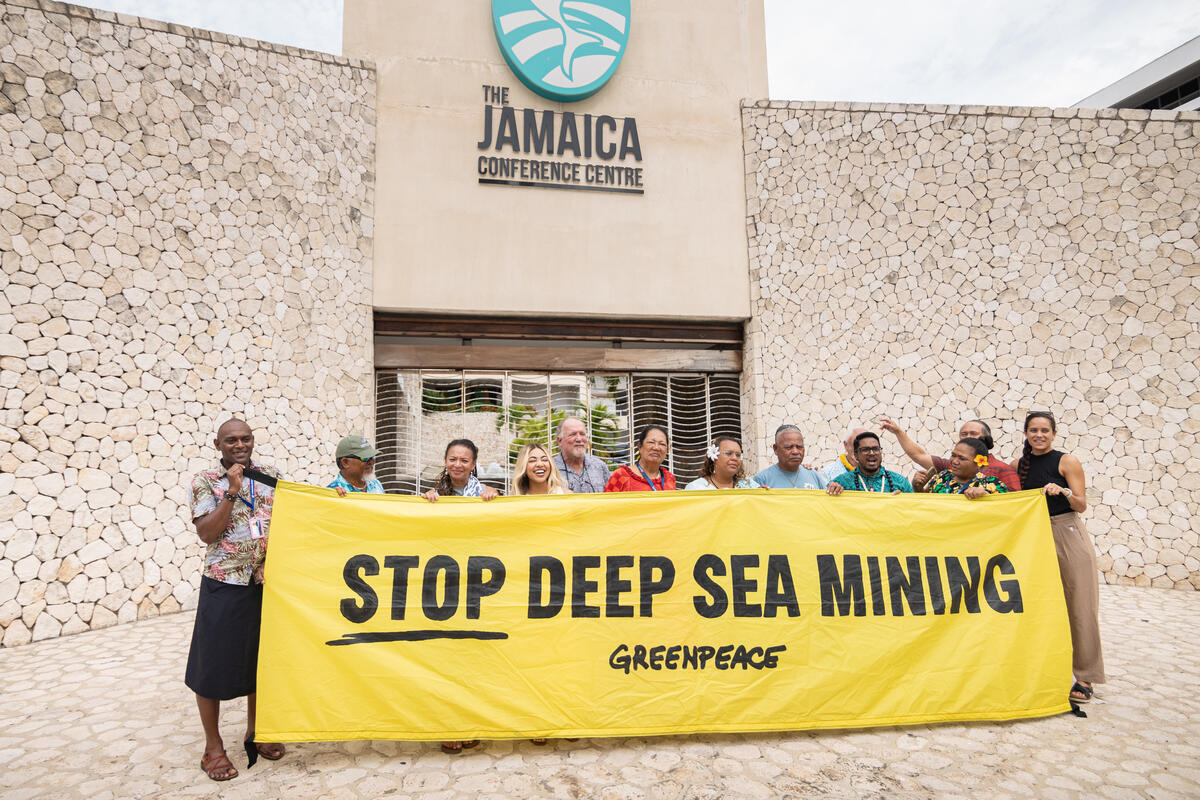
SYDNEY / KINGSTON, Wednesday 31 July 2024 — In response to the Government of Tuvalu’s call for a precautionary pause on deep sea mining at the 29th session of the International Seabed Authority (ISA), currently underway in Kingston, Jamaica, the following quotes can be attributed to Greenpeace Head of Pacific Shiva Gounden:
-
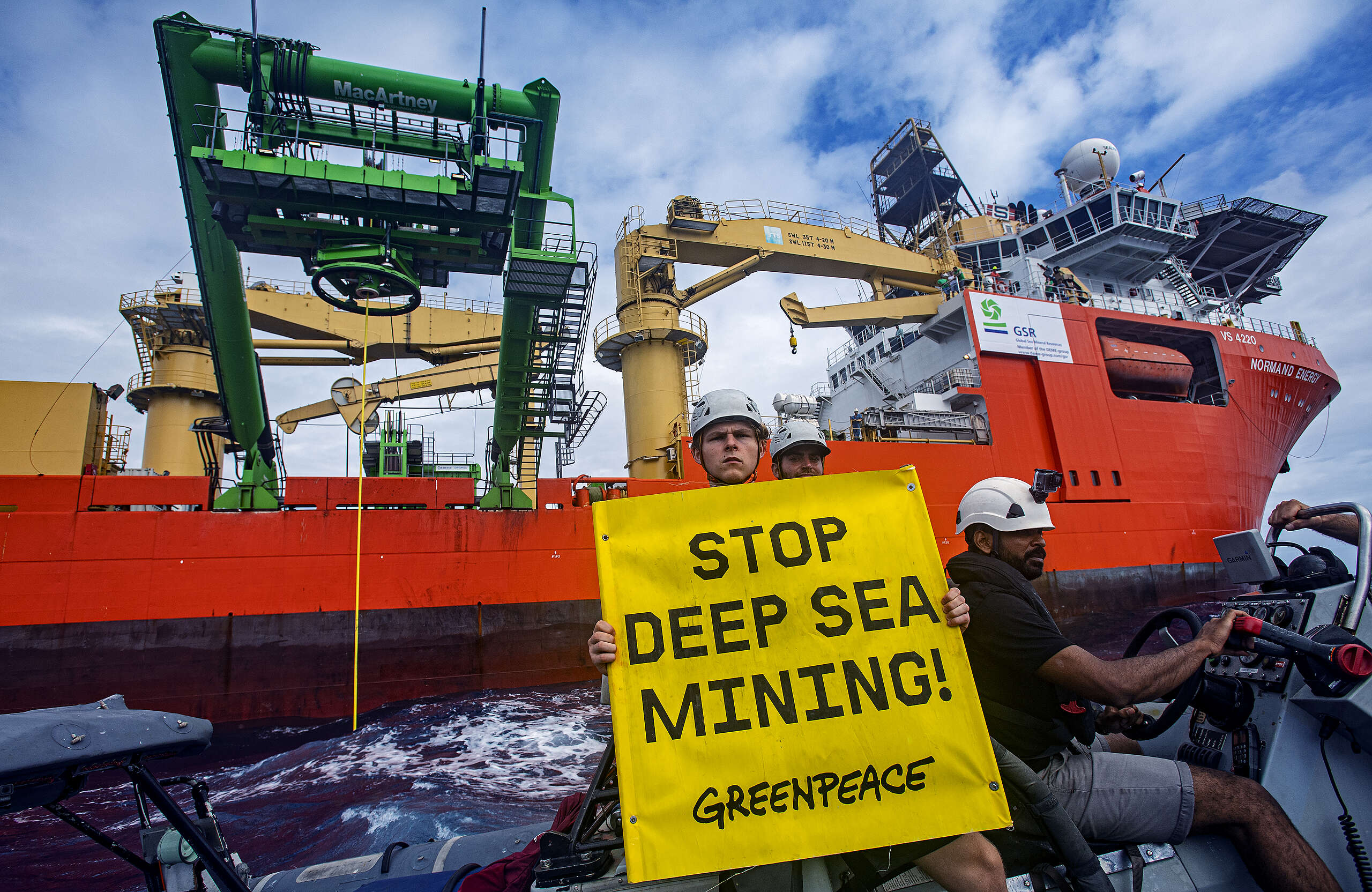
Dark Oxygen Discovery in the Pacific Ocean: What Lies Beneath?
As world leaders and policymakers, including the Australian government, converge at the International Seabed Authority this month to deliberate on the future of our oceans, a ground breaking discovery has emerged from the depths of the Pacific.
-

100 million animals killed, injured or displaced every year
New research from RSPCA Queensland and Greenpeace Australia Pacific paints a dire reality on the impact that deforestation is having on native wildlife.
-
‘100 million killed, harmed’: Joint report sounds alarm on scale of native wildlife deaths from deforestation
BRISBANE/SYDNEY, Tuesday 30 July 2024 — A joint report from two of Australia’s leading advocacy organisations, Greenpeace Australia Pacific and RSPCA Queensland, has exposed the shocking scale of wildlife being killed every year in Australia from deforestation.
