
Filter posts
Filtered results
-

“Stunning dedication”: first ocean sanctuary in Marshall Islands announced
FRIDAY 31 JANUARY 2025 — The Republic of the Marshall Islands has announced its first marine protected area in the Pacific Ocean, a “stunning dedication to ocean protection for Pacific…
-
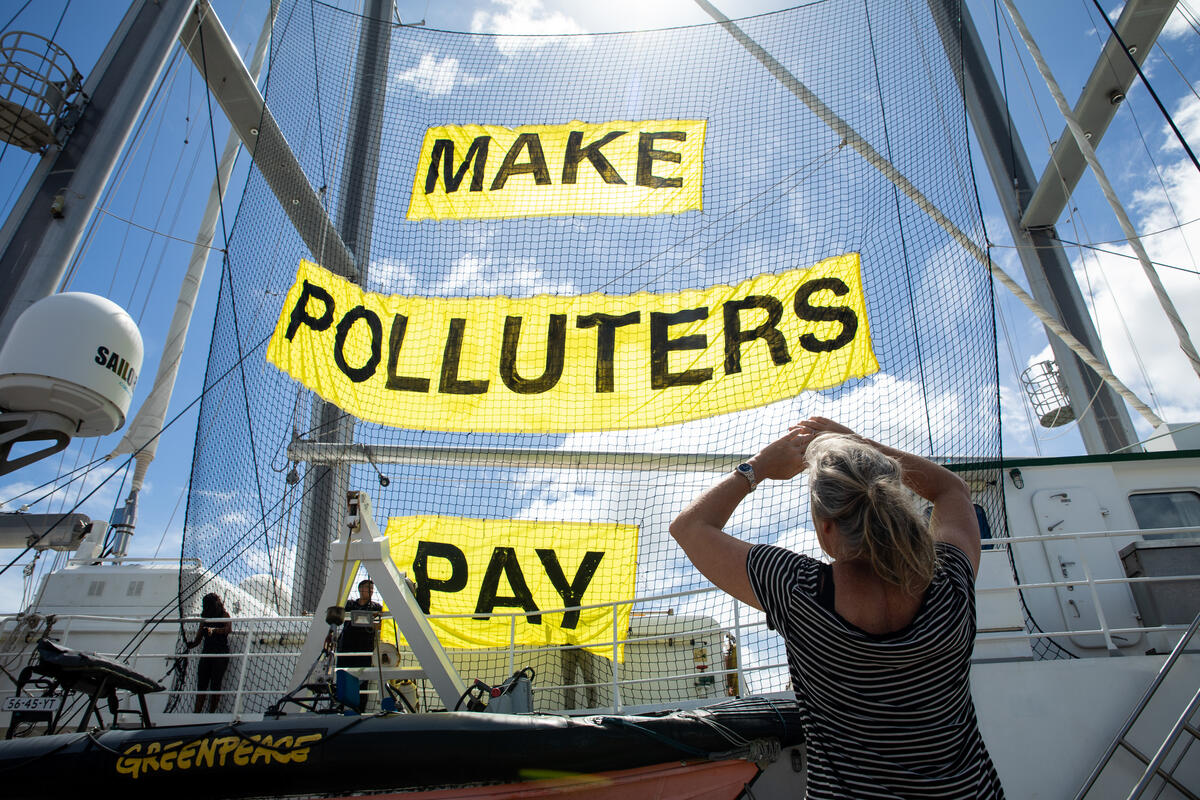
Their Profits, Our Loss: International oil and gas companies’ 2024 profits
SYDNEY, Tuesday 28 January 2025 — Interested media are advised of the annual results announcements by some of the world’s largest oil and gas companies for 2024, which was confirmed…
-
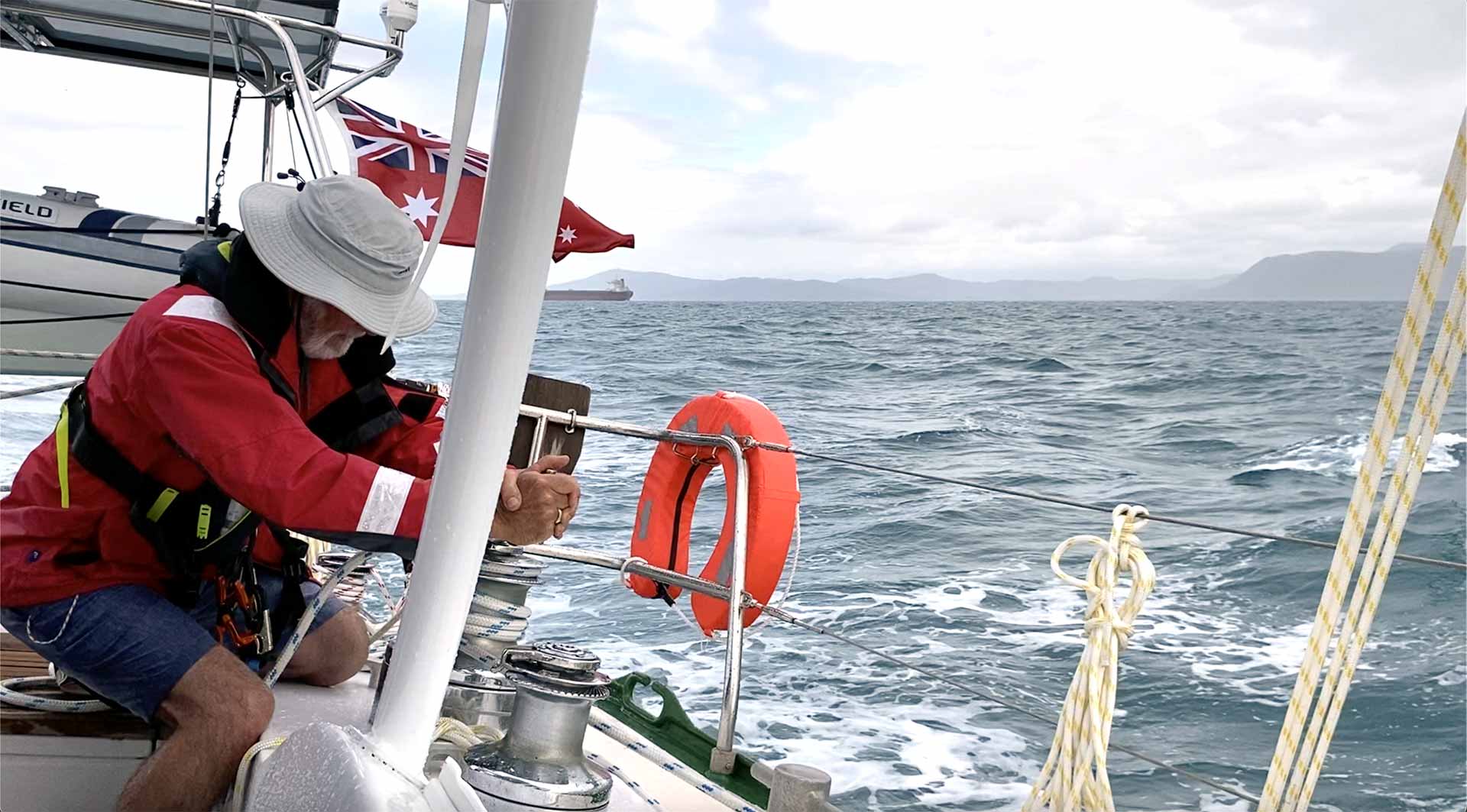
An Ode to Oceania; Greenpeace Australia Pacific’s Campaigning Vessel
Oceania welcomes us all, a bump on the head, a stub on the toe, you’re on a ship now!
-
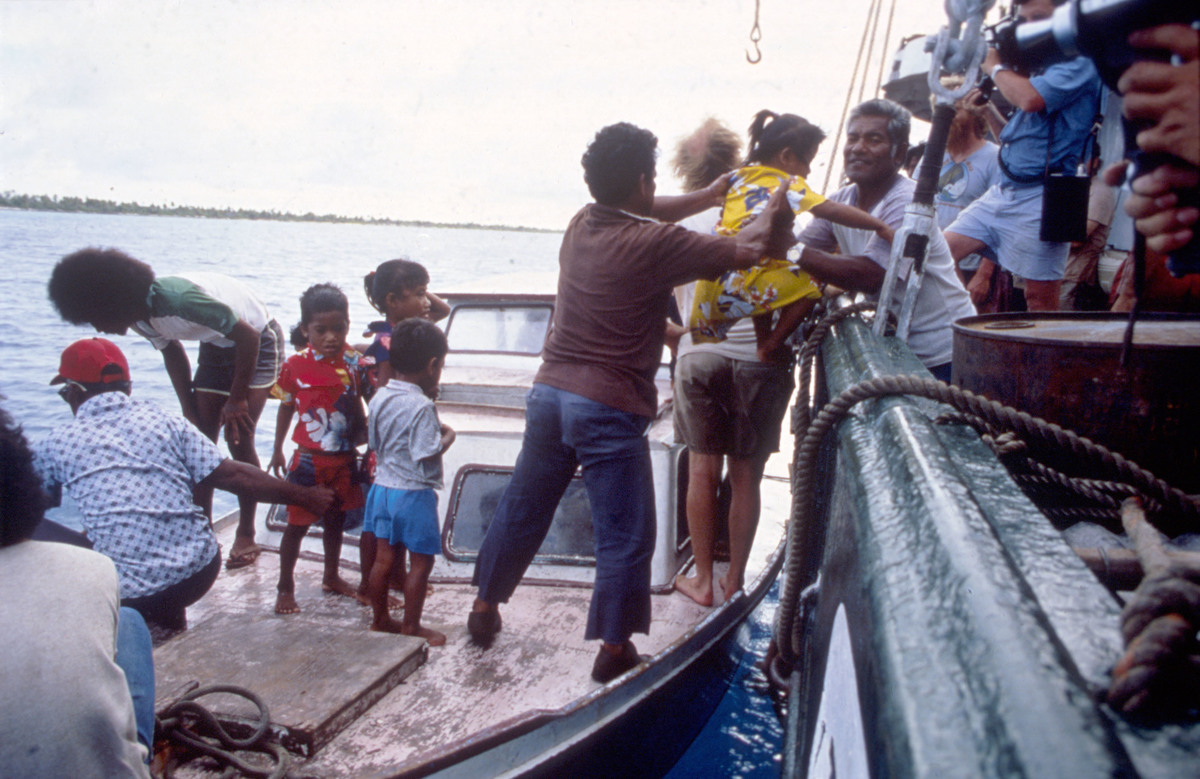
Evacuation of Rongelap, Marshall Islands
In 1985 the Rongelap people turned to Greenpeace for help. They asked that Greenpeace send a vessel to evacuate them from their home and move them to nearby Mejatto Island. Greenpeace sent the Rainbow Warrior to Rongelap at the request of its people and in May 1985 moved them to Mejatto Island.
-
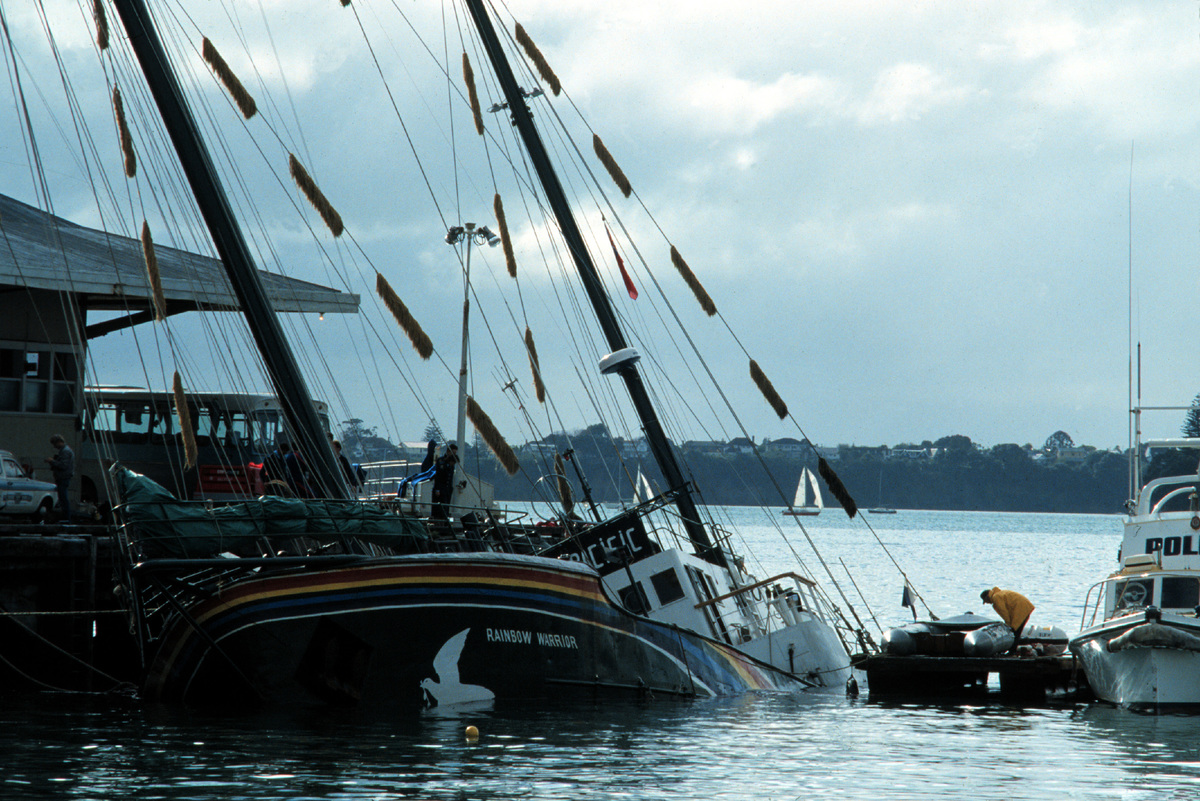
The Bombing of the Rainbow Warrior
In 1985, French secret service agents were sent to plant two bombs on our flagship, the Rainbow Warrior, ahead of its journey leading a peaceful anti-nuclear protest.
-
Santos Tour Down Under: Why fossil fuel companies should be best known for their pollution, not their sponsorships
What’s the first thing that comes to mind when you think of Santos? If you’re a cycling fan or an Adelaide local, it might be the Tour Down Under –…
-
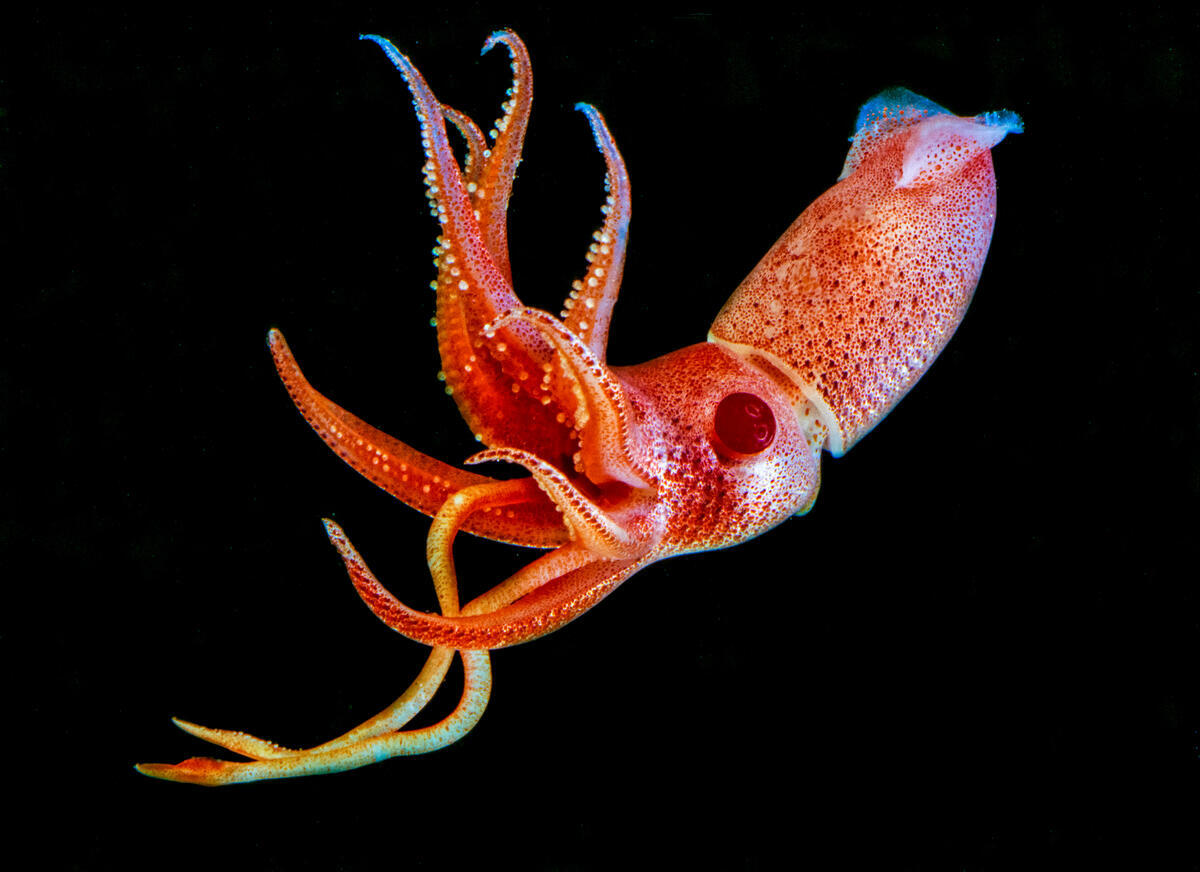
Why we need to stop Deep Sea Mining
Deep sea mining is the practice of removing metals and minerals from the ocean’s seabed. Thousands of metres below the surface, deposits of these metals and minerals like manganese, nickel…
-
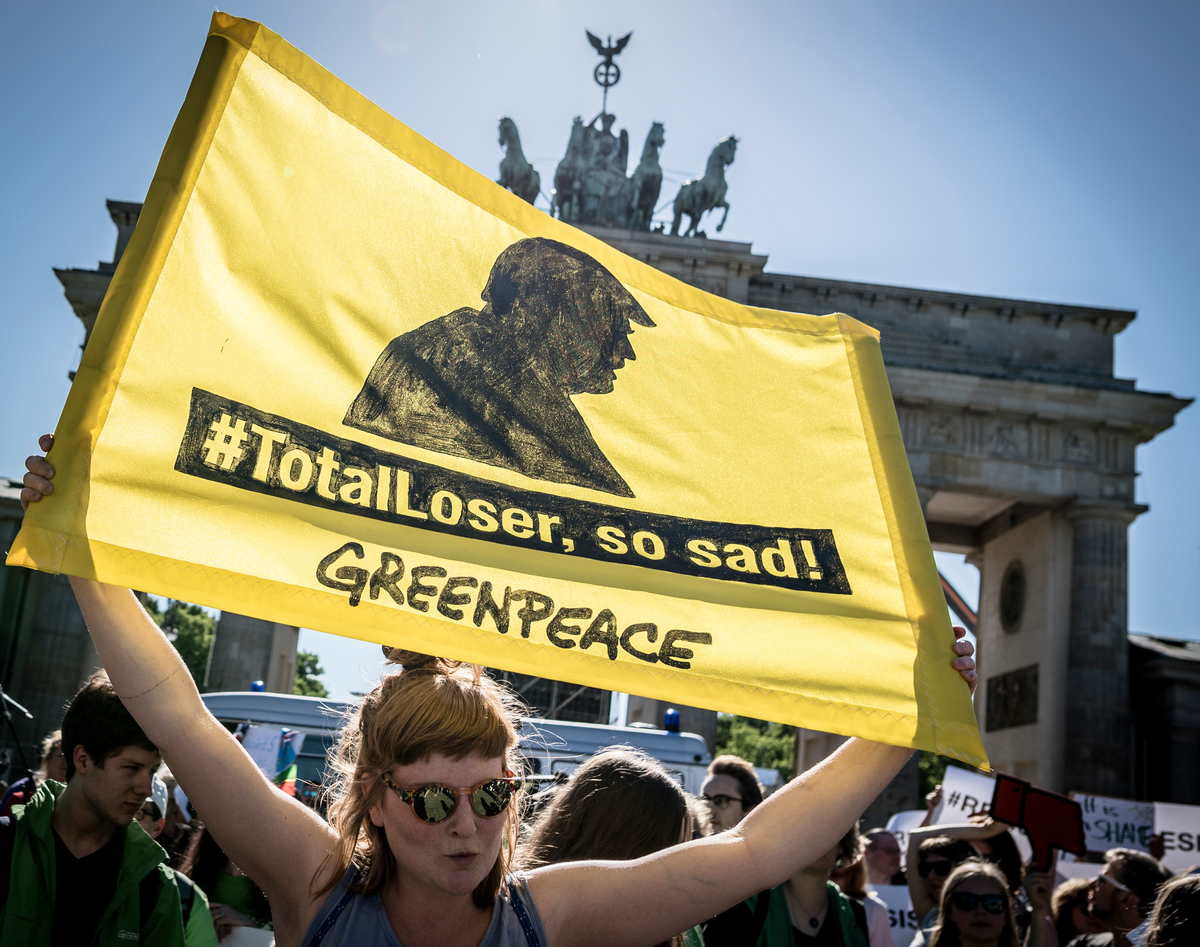
Greenpeace condemns Trump intention to withdraw US from Paris Agreement
US President Donald Trump has announced his intention to withdraw the United States from the Paris Agreement.
-
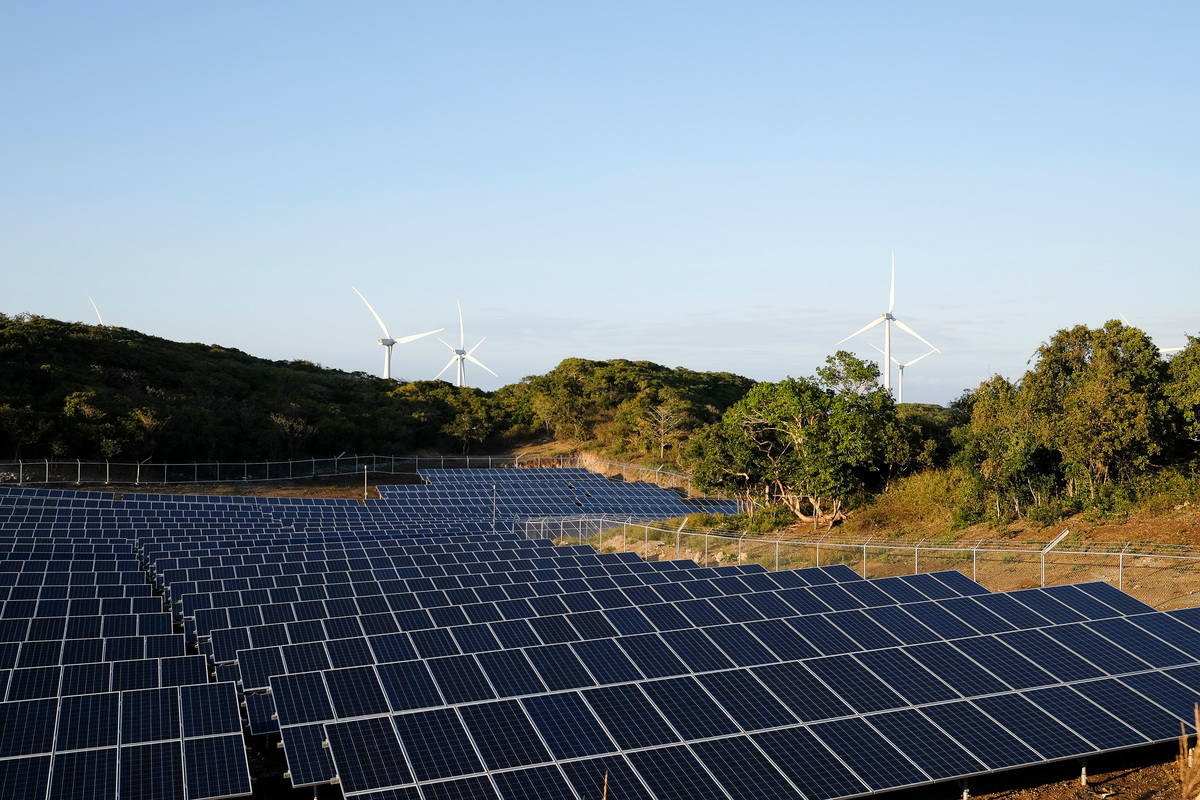
Why is Greenpeace into Green Iron?
We’ve been working on a very exciting report with our colleges across the environmental, union and industry sectors. The resulting report - Forging Our Future - outlines a path forward for Australia to build a Green Iron industry.
-
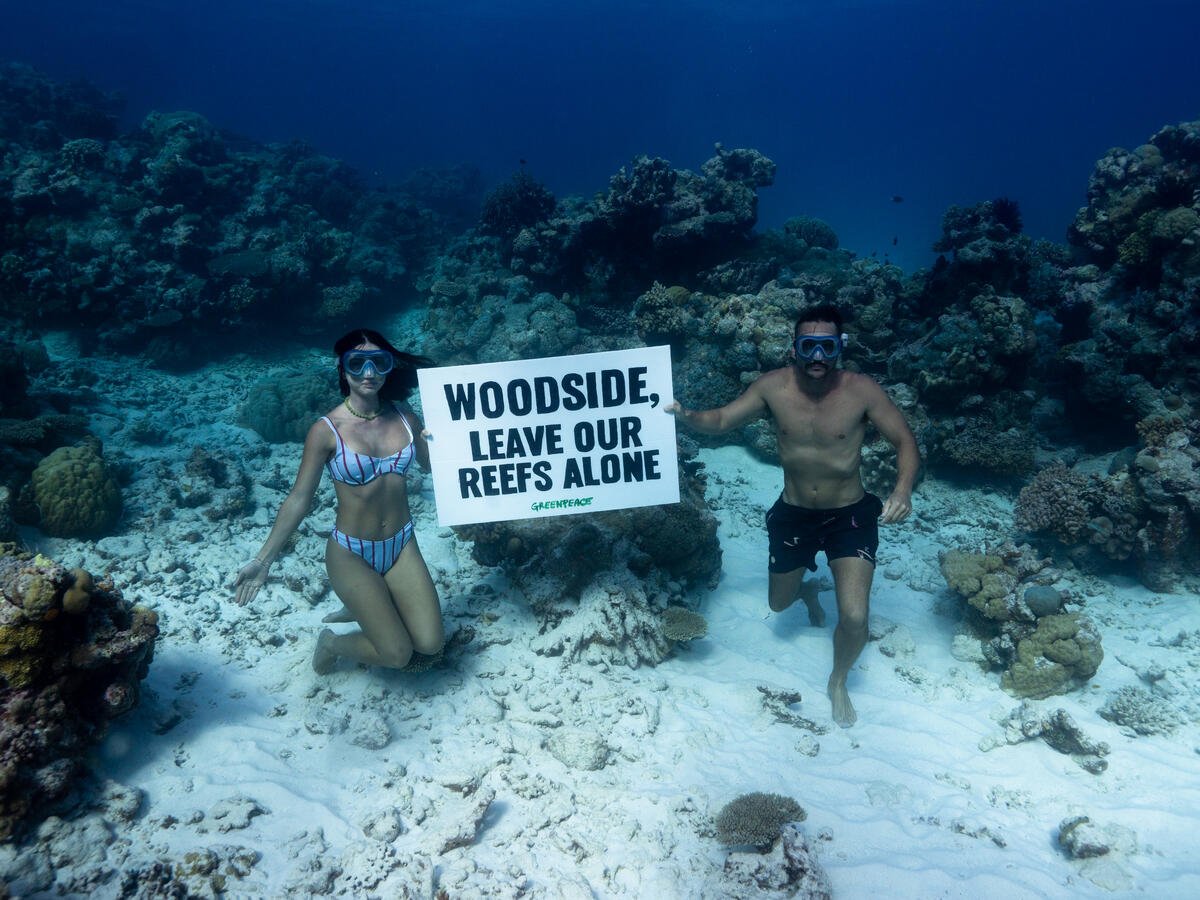
Why dumping carbon pollution in our oceans is a dangerous experiment
Have you heard the latest plans from Woodside? They’ve added carbon dumping to their plans for their proposed Browse offshore gas project in the North West of Western Australia. They call it carbon capture and storage, but in reality it’s risky carbon dumping.