• Skip to Navigation
  • Skip to Content
  • Skip to Footer
Greenpeace
  • About us
    • History
    • Greenpeace Ships
    • Governance
    • Our Team
    • FAQs
    • Contact us
  • Our Work
    • Justice
    • Climate
    • Oceans
    • Forests
    • Plastic
    • Greenpeace Victories
  • Your Impact
  • Get Involved
    • Take Action 
    • Work with us
    • Volunteer with us
    • Fundraise for us
    • Community Resources
  • News
    • Media Centre
    • Articles & Stories
    • With Love Newsletter
    • Podcasts
    • Research and Reports
    • Make a Tax Deductible Donation
    • Become a regular giver
    • Leave a gift in your Will
  • About us
  • Our Work
  • Your Impact
  • Get Involved
  • News
Greenpeace
  • Home
  • About us
    • History
    • Greenpeace Ships
    • Governance
    • Our Team
    • FAQs
    • Contact us
  • Our Work
    • Justice
    • Climate
    • Oceans
    • Forests
    • Plastic
    • Greenpeace Victories
  • Your Impact
  • Get Involved
    • Take Action 
    • Work with us
    • Volunteer with us
    • Fundraise for us
    • Community Resources
  • News
    • Media Centre
    • Articles & Stories
    • With Love Newsletter
    • Podcasts
    • Research and Reports
  • Donate
    • Make a Tax Deductible Donation
    • Become a regular giver
    • Leave a gift in your Will

News and updates

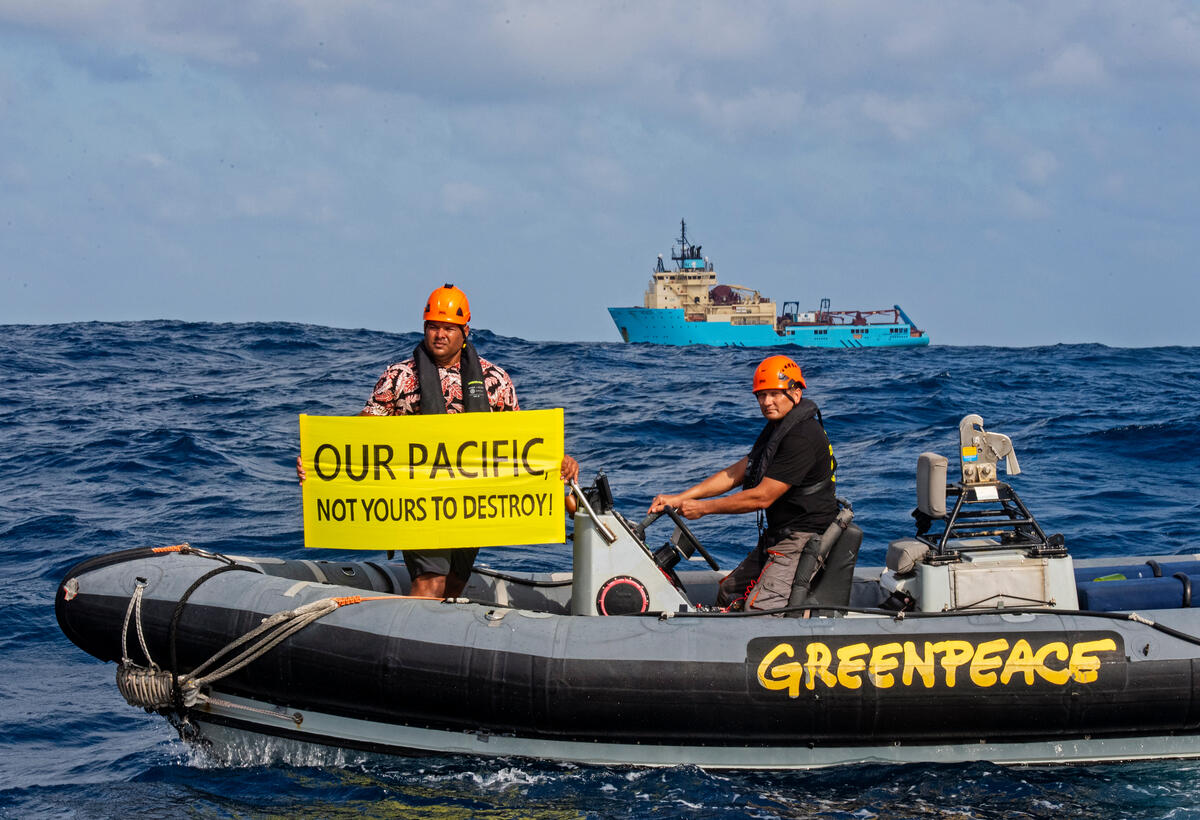
  • Action against the Biggest Tuna Fishing Vessel in the Pacific
    Sustainable Fishing
    Sustainable Fishing

    How can I tell if my tuna is sustainable?

    For a particular seafood to be sustainable it needs to at least meet these requirements.

    Greenpeace Australia Pacific
    May 5, 2024
  • Sargassum seaweed found in the Sargasso Sea with the Greenpeace ship Arctic Sunrise in the background. Sargassum provides a haven for all sorts of wildlife and is an important carbon sink.’
    Global Oceans Treaty
    Global Ocean Treaty

    Why the Sargasso Sea Needs the Global Ocean Treaty

    You might be familiar with the legend of the Bermuda Triangle, known for the mysterious disappearances of ships and planes. However, beyond the myth lies the Sargasso Sea, a real and ecologically vital part of the ocean that deserves attention. 

    Greenpeace Australia Pacific
    May 1, 2024
  • Great Barrier Reef Mass Coral Bleaching Event. © Dean Miller / Greenpeace
    Great Barrier Reef
    Great Barrier Reef Climate Impacts Safeguard our oceans

    Why Australia must protect the Great Barrier Reef from coral bleaching

    Stretching over 2,300km and comprising approximately 3,000 individual reefs, the Great Barrier Reef stands as the largest coral system on our planet. Yet, despite its grandeur, it has relentlessly battled bleaching events in 1998, 2002, 2016, 2017, 2020, 2022 and now in 2024.

    Greenpeace Australia Pacific
    April 1, 2024
  • Bottom Trawl damage on Emperor Seamount in the Pacific Ocean
    Global Oceans Treaty
    Global Ocean Treaty Sustainable Fishing

    How Can the Global Ocean Treaty Protect the Emperor Seamounts?

    Deep beneath the northern Pacific Ocean lies a remote chain of more than 800 seamounts. These oases of life, known as the Emperor Seamounts, are home to a rich variety of cold-water corals and sponges, as well as smaller creatures like crustaceans and sea stars.

    Greenpeace Australia Pacific
    March 21, 2024
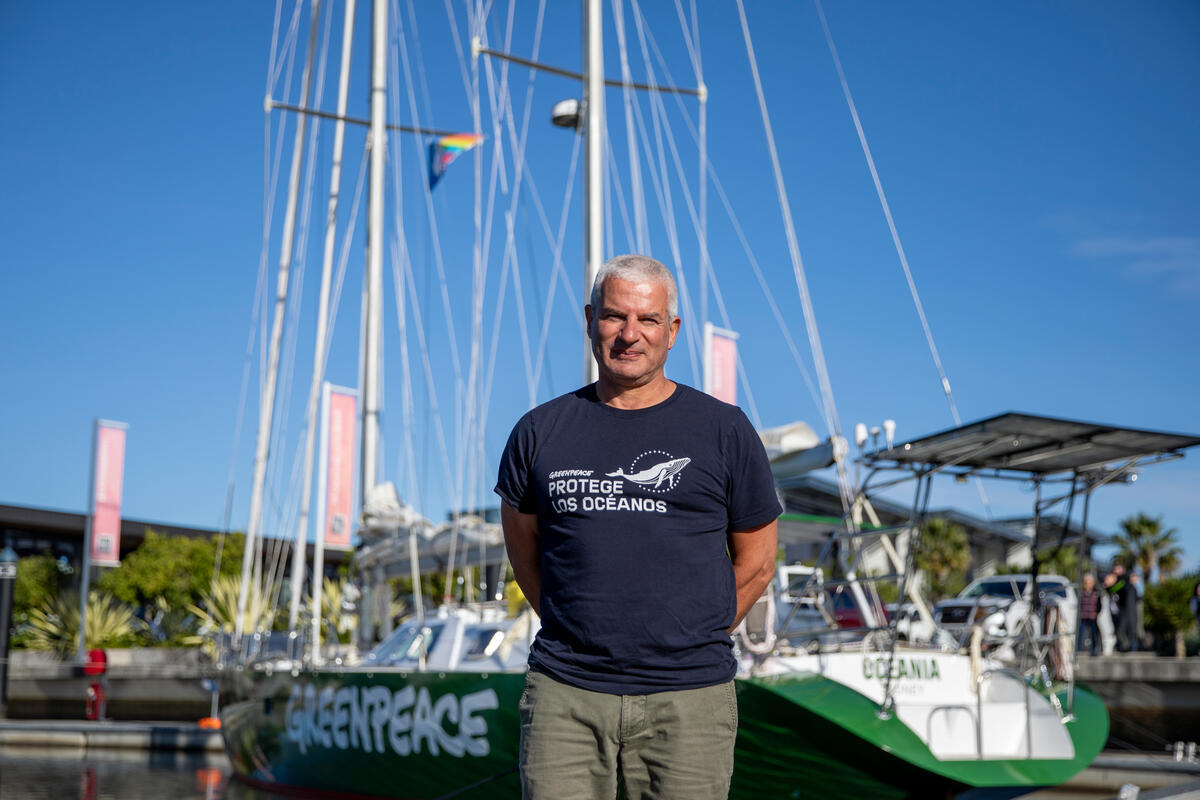
  • Greenpeace Australia Pacific’s first-ever dedicated campaign vessel ready to protect our oceans. 
    Oceania
    Greenpeace Ships Safeguard our oceans Greenpeace History Oceania Deep Sea Mining Global Ocean Treaty

    Our new campaigning vessel

    With the help of an incredibly generous donor, we’ve purchased a 68ft blue water sailing boat. It’s no leisure cruiser. It’s built for speed, for the open water, to take on those who threaten the future of our blue planet.

    Greenpeace Australia Pacific
    March 13, 2024
  • A green turtle off Isabela Island, Galápagos, Ecuador.
    Global Oceans Treaty
    Arctic Sunrise Global Ocean Treaty

    Protecting the Galapagos and Beyond: The Role of the Global Ocean Treaty

    The Galapagos Islands are renowned for their extraordinary biodiversity and unique ecosystems. Home to species like giant tortoises, marine iguanas, and hammerhead sharks, the Galapagos Islands serve as a living testament to the importance of marine conservation. The Galapagos Marine Reserve is one of the world’s most successful examples of ocean protection, safeguarding countless species…

    Greenpeace Australia Pacific
    February 21, 2024
  • Malaysia's Broken Global Recycling System. © Nandakumar S. Haridas / Greenpeace
    Plastics
    Plastic Global Ocean Treaty

    10 Eye-Opening Facts About Plastic

    The world has produced an astonishing amount of plastic since the 1950s—roughly the same weight as 88 million blue whales. Despite its detrimental impacts on health, communities, biodiversity, and climate, global plastic production continues to rise. Here are some crucial facts about plastic production, waste, and the urgent need for effective solutions.

    Greenpeace Australia Pacific
    January 19, 2024
  • Plastic Waste Collection in Johannesburg. © Philip Schedler / Greenpeace
    Plastics
    Plastic Global Ocean Treaty

    False Solutions to the Plastics Crisis: The Truth About Plastic Recycling

    The concept of plastic recycling has been heavily promoted by the plastics industry, particularly by major oil companies, as a solution to the plastic crisis. By perpetuating the myth that recycling can solve the plastics problem, these companies divert attention from the more significant issue: the continued production of virgin plastics.

    Greenpeace Australia Pacific
    January 19, 2024
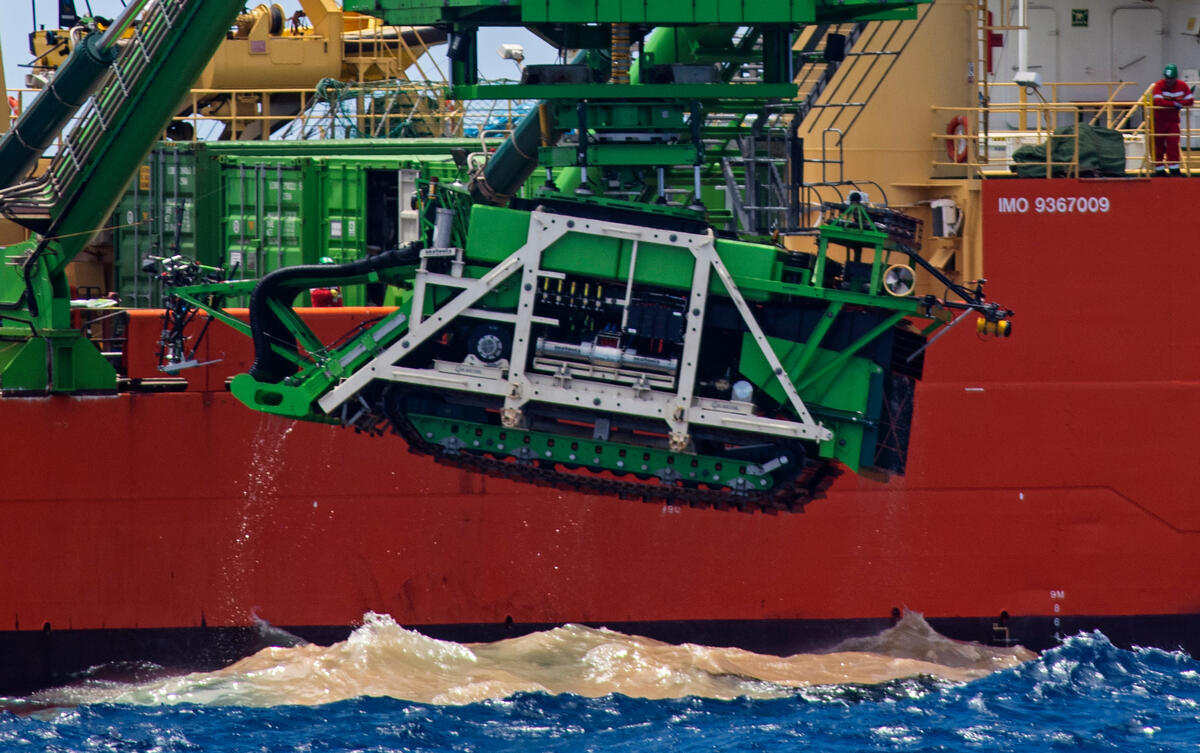
  • Deep Sea Mining
    Deep Sea Mining

    The Threat of Mining on Deep Sea Ecosystems

    Our deep sea ecosystems are places of mystery and beauty. But deep sea mining could ruin that for everyone.

    Greenpeace Australia Pacific
    November 7, 2023
  • Oceans
    Antarctica NSW Tasmania Global Ocean Treaty

    What Is The CCAMLR, And Why Should We Care?

    Learn how the Convention for the Conservation of Antarctic Marine Living Resources (CCAMLR) works, and about its continued failure to protect the Southern Ocean.

    Greenpeace Australia Pacific
    October 24, 2023
Prev
1 2 3 4 5
Next
Greenpeace
  • Get Involved
  • Jobs at Greenpeace
  • Volunteer with Greenpeace
  • Leave a gift in your Will
  • Media Centre
  • Research and Reports
  • Annual Reports
  • Polices and Guidelines
  • Contact

Acknowledgement of Country

Greenpeace’s mission is to secure an earth capable of nurturing life in all of its magnificent diversity. We acknowledge the nurturing of land and waters by Indigenous peoples since time immemorial. We acknowledge the enduring sovereignty of Indigenous peoples of Australia and the Pacific. We acknowledge we stand on the traditional lands of Indigenous peoples and pay respect to elders past and present.

Commitment to Diversity

Climate change impacts certain people disproportionately and we work towards our commitment to equity and inclusion across race, gender, age, religion, identity, and experience every day, so that everyone can live a brighter future.

2C Hayes Road, Rosebery NSW, 2018, Australia

Phone: 1800 815 151

ABN: 61 002 643 852

Charity Number: 002 643 852

Copyright © Greenpeace Australia Pacific 2025

  • Facebook
  • Twitter
  • YouTube
  • Instagram
  • Linkedin
All content authorised by Kate Smolski, Greenpeace Australia Pacific, Sydney. 2025

Manage your cookies preferences

Please select which cookies you are willing to store.

Necessary cookies Always enabled

These cookies will provide you a better experience of our website and help us to improve the performance of Greenpeace.org. You will be able to hide the cookies acceptance banner and use the website features better. We will also use these cookies to collect statistical and anonymised data such as how long users stay on a page or which links are clicked.

In addition to the cookies and technologies described above, we also use other services that will help us to enhance your experience on this website. We also may permit certain third party companies (e.g. Facebook, Google) cookies to help us understand more about our users specific behavior, demographic, and interest data. Those cookies help us to understand how visitors interact with our website (e.g. pages visited) in order to improve visitors experience, operation effectiveness of this platform and our communication strategies.

By clicking "Accept" you agree to our Cookies Policy