In 1985, French secret service agents were sent to plant two bombs on the Greenpeace flagship, the Rainbow Warrior, ahead of its journey leading a peaceful anti-nuclear protest. One crew member was killed in the expolsion.
10 July 1985. The day of the bombing.
The Greenpeace ship the Rainbow Warrior was moored in Auckland, New Zealand – ready to confront French nuclear testing in the Moruroa Atoll.
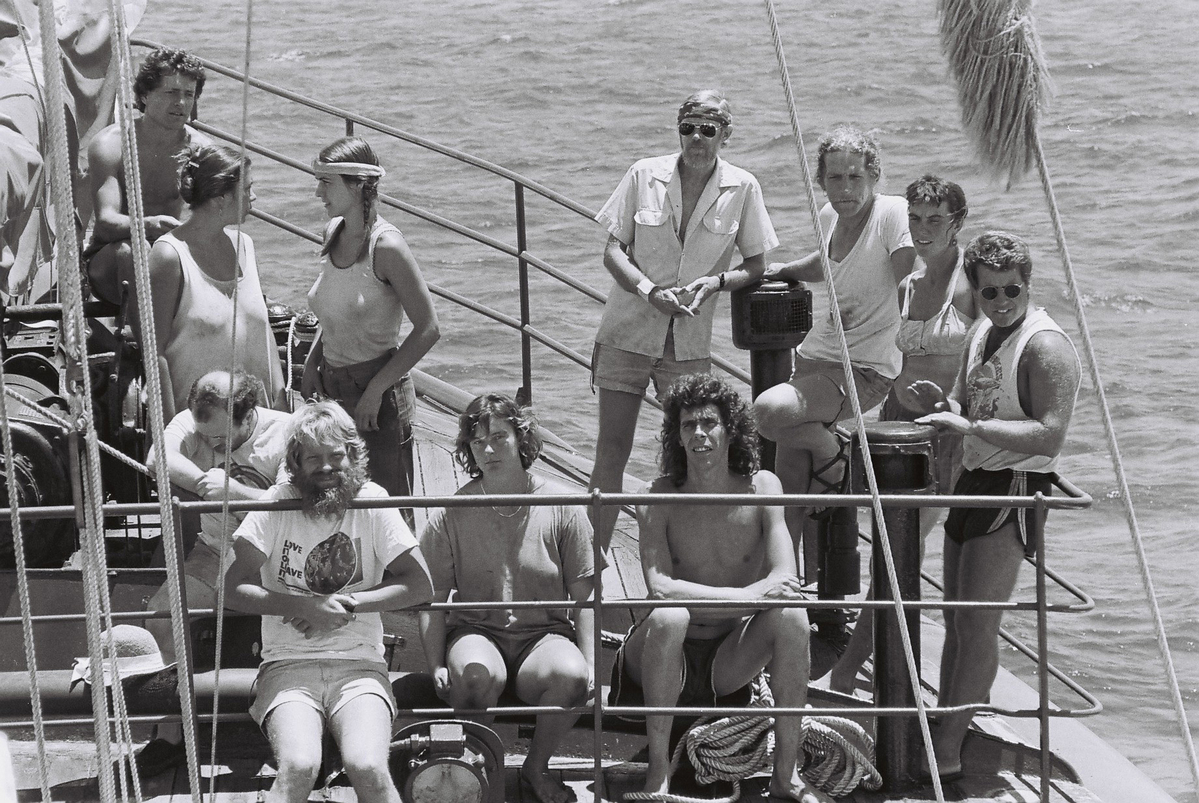
There was a lively atmosphere aboard as the crew and guests celebrated Steve Sawyer’s birthday. Margaret Mills, another crew member, had baked a birthday cake decorated with a jelly bean rainbow. People mingled and enjoyed drinks and slices of cake.
Little did they know that one of the guests was a French spy, observing all that was taking place to feed back to his colleagues. The spy departed just after 8pm, and at about 8.15pm, the skippers of all the protest yachts going to Moruroa descended into the hold of the Rainbow Warrior for a planning meeting.
Outside, French combat divers were attaching two bombs to the ship’s hull below the water line. The divers had motored across the harbour in an inflatable zodiac dinghy from a secluded launching ramp at Stanley Point, Devonport.
After planting the bombs, the pair escaped by swimming west towards the Auckland Harbour Bridge to be picked up. The pilot of the zodiac motored towards Mechanics Bay to be picked up by a campervan.
Close to midnight, with their guests gone, the Rainbow Warrior’s skipper Peter Willcox and some of the crew went off to bed. The remainder sat around the mess room table, chatting and enjoying the last bottles of beer.
The French agents in a zodiac dinghy motored across from Stanley Point (red) to Marsden Wharf (purple) where the Rainbow Warrior lay. The two divers escaped by swimming towards Auckland Harbour Bridge while the zodiac pilot motored towards Mechanics Bay (blue) to be picked up by a campervan.
The bomb
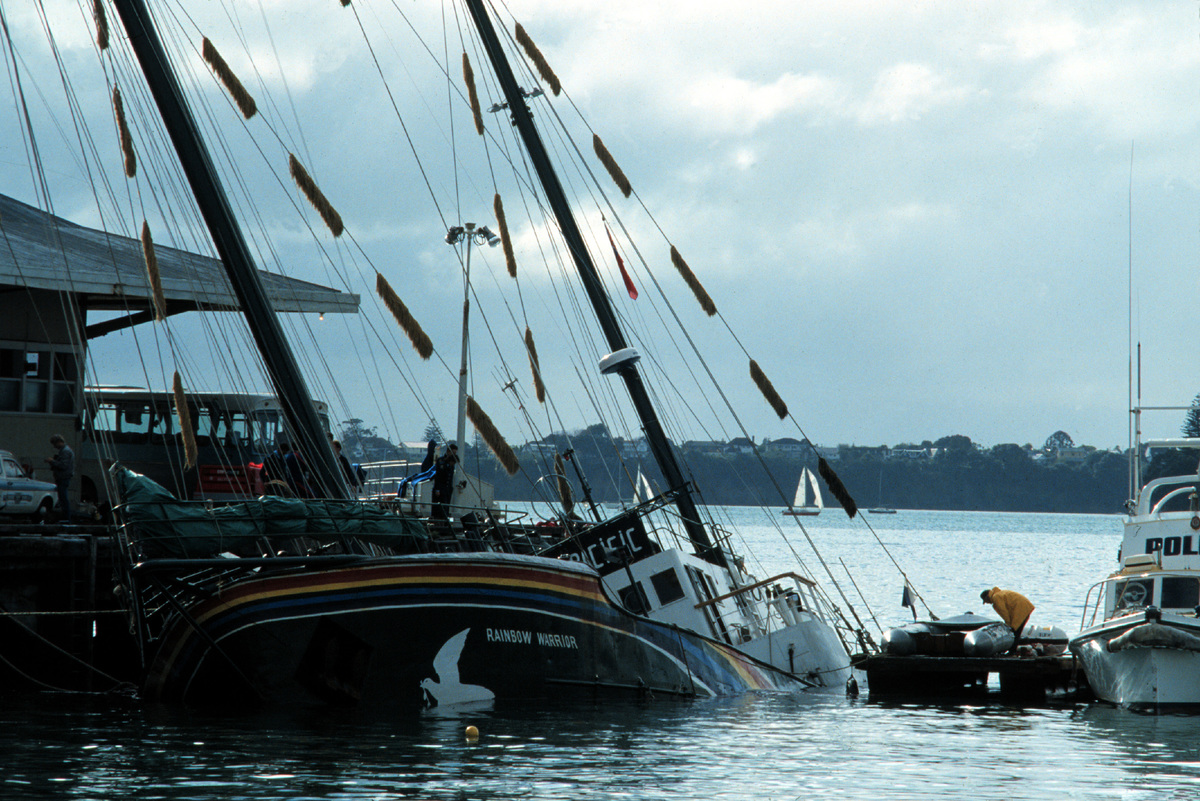
Suddenly, a big thud rocked the ship. The lights went out. There was the sharp crack of breaking glass. Then a sudden roar of water. The crew’s first thought was that they had been hit by a tugboat.
Then, there was a second explosion. Within minutes the ship was sunk.
Greenpeace photographer Fernando Pereira drowned. He had recently celebrated his 35th birthday.
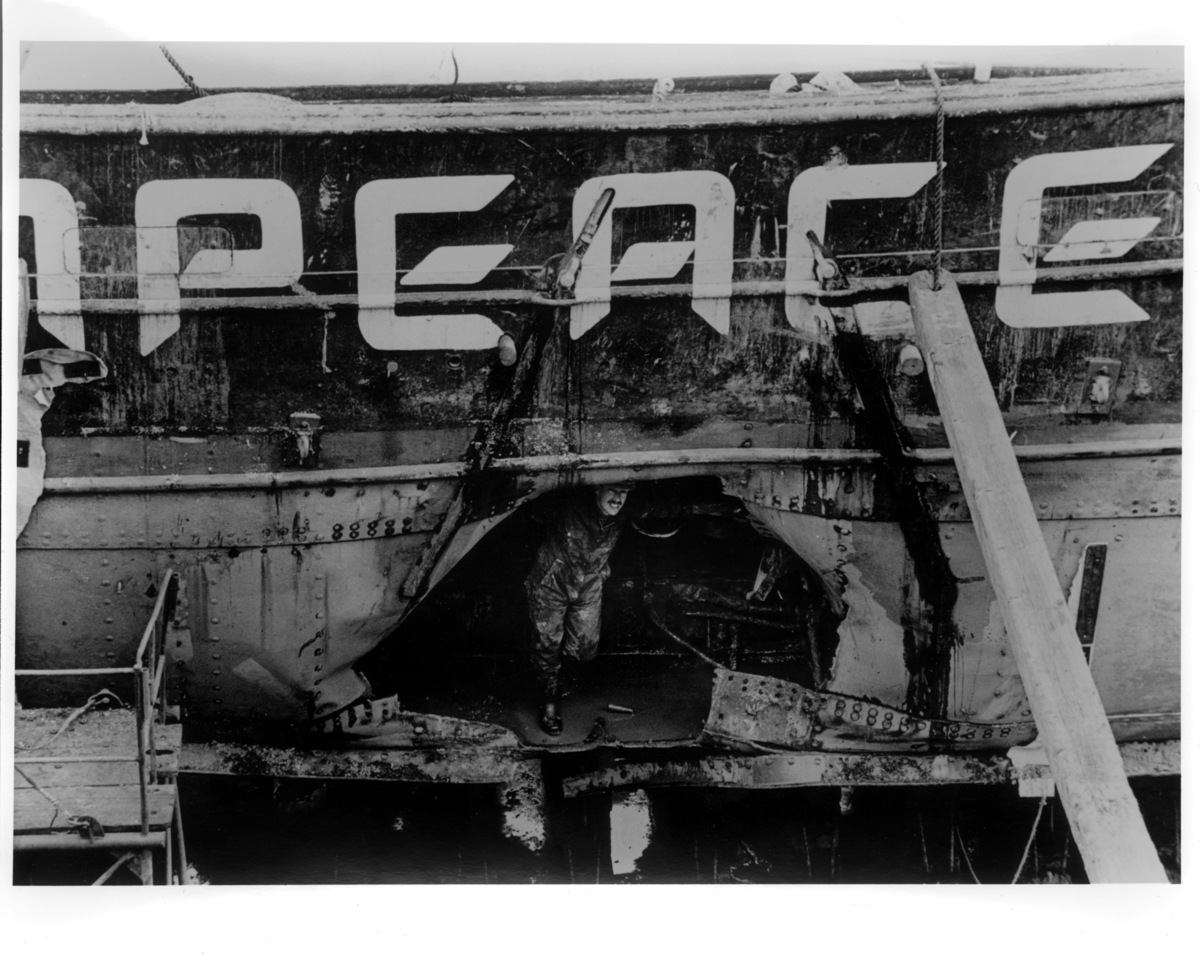
The first bomb made a massive hole two metres by three metres wide into the engine room. The second bomb severely damaged the propeller shaft. There may have been more deaths if everyone had been in bed, as metal from the first explosion had penetrated many of the empty cabins.
Why was the Rainbow Warrior bombed?
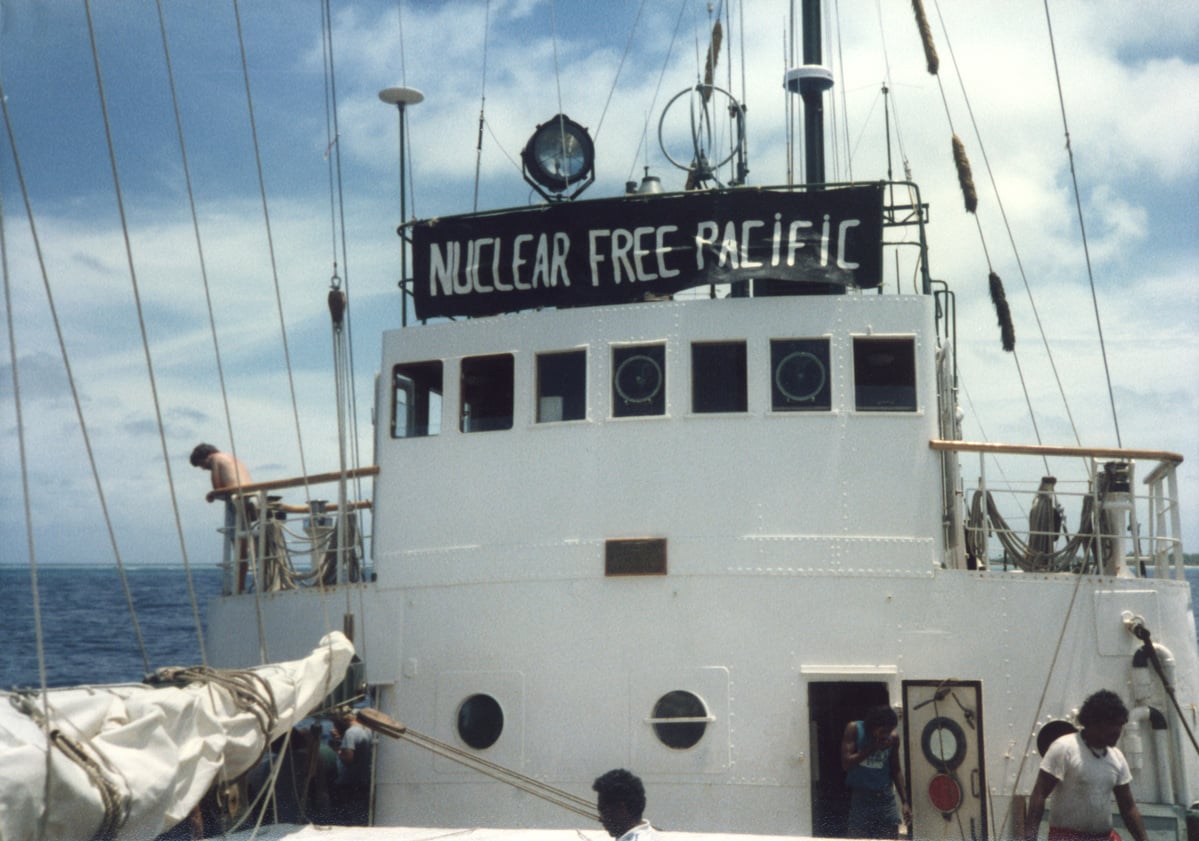
At the time of the bombing, the Rainbow Warrior was about to lead a group of anti-nuclear testing vessels to Moruroa Atoll in French Polynesia.
In an attempt to “neutralise” the Rainbow Warrior ahead of its planned protest, French secret service agents in diving gear had attached two packets of plastic-wrapped explosives to it, one by the propeller, one to the outer wall of the engine room.
Initially, the French government denied all knowledge of the operation, but it soon became obvious that they were involved. Eventually, Prime Minister Laurent Fabius appeared on television and told a shocked public: “Agents of the DGSE (Secret Service) sank this boat. They acted on orders.”
Only two agents ever stood trial. Dominique Prieur and Alain Mafart, who had posed as Swiss tourists, pleaded guilty to charges of manslaughter and wilful damage, attracting sentences of 10 and 7 years. A UN-negotiated settlement meant that they were transferred to Hao Atoll, a French military base in French Polynesia.
They were both released within less than two years.
The spy who infiltrated the Greenpeace New Zealand office ahead of the bombing, Christine Cabon, evaded arrest in Israel. She hasn’t been seen since. The whereabouts of the combat frogman with the alias Jean-Michel Berthelot – one of the two divers believed to have planted the bombs – are unknown.
The impact of the Rainbow Warrior bombing
The sinking of the Rainbow Warrior failed to stop the protests at Moruroa Atoll. Greenpeace gained a huge amount of sympathy in New Zealand and around the world following the bombing, and if anything it had the opposite effect to what the French wanted. Fernando Pereira’s death made many protesters more determined to go and protest at Moruroa. Donations and offers of help continued to flood in. Greenpeace International was able to send its other large ship, The Greenpeace, to lead the protest at Moruroa Atoll.
The international attention gained from the bombing raised a much deeper awareness around the issue of nuclear testing amongst governments and people around the world. Indeed, the bombing of the Rainbow Warrior and the resulting international outrage would play a part in the decision by France to end nuclear testing on Moruroa Atoll in 1996.

On 2 October 1987, an international arbitration tribunal sitting in Geneva, Switzerland ordered France to pay Greenpeace US$8.1 million in damages for deliberately sinking the Rainbow Warrior. France agreed to the arbitration after Greenpeace threatened to take France to court in New Zealand. This arbitration settlement was a very significant victory for Greenpeace, as it recognised the organisation’s rights under international law.
Greenpeace then had the funds to replace the Rainbow Warrior with the ship Rainbow Warrior 2, which would continue the campaign to protect the environment and raise awareness of critical environmental issues around the globe.
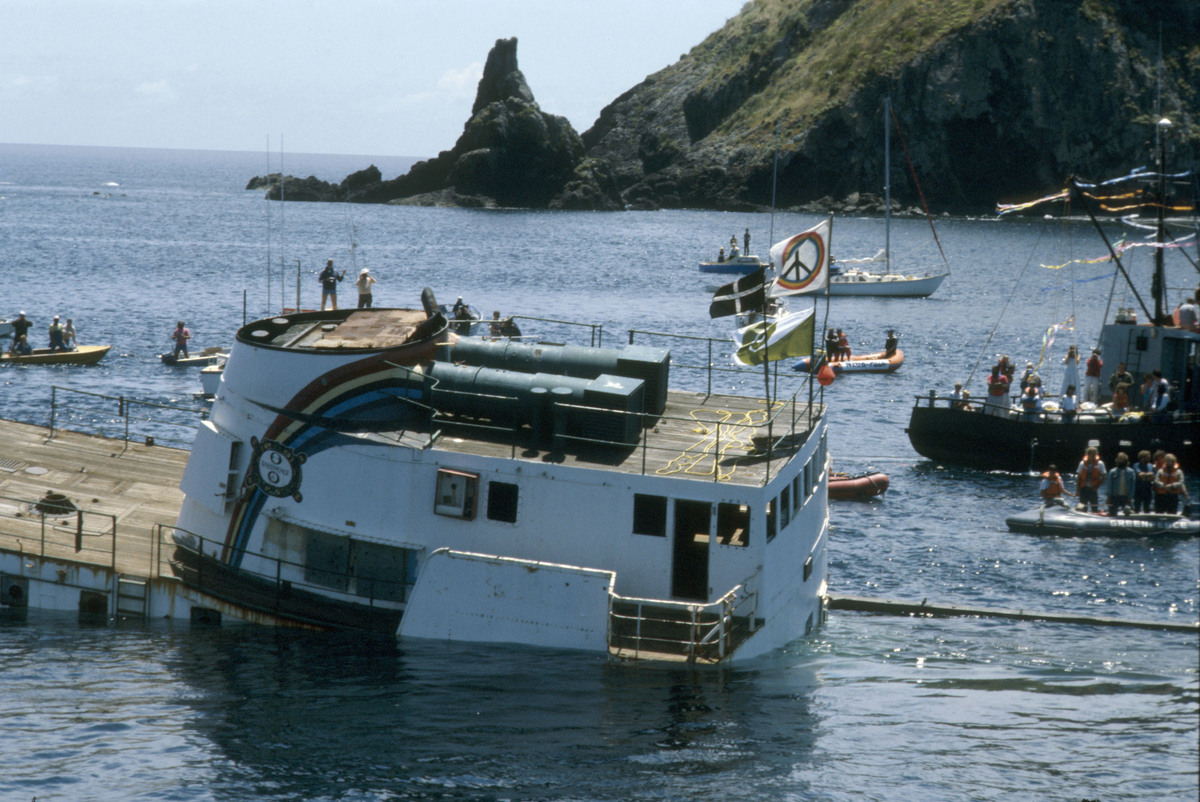
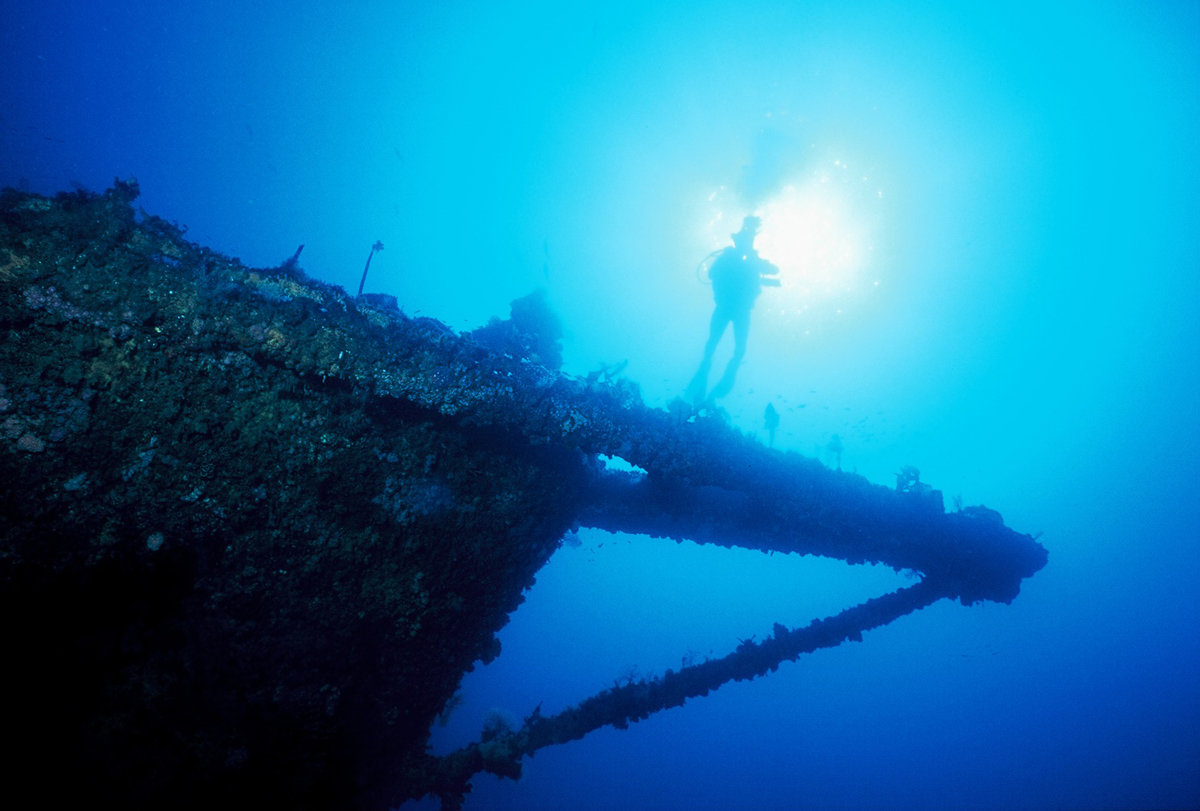
The Rainbow Warrior was towed north and scuttled at Matauri Bay. A memorial sculpture overlooks the water. Recreational divers are now able to admire the marine life surrounding the ship, that was used to protect the very creatures that now surround it.
Right now, the Rainbow Warrior is back in Auckland. Fresh from confronting destructive fishing in the Tasman Sea and off New Zealand’s East Coast, it stands as a symbol of resistance—then and now.
Back then, our enemies thought violence could silence our peaceful protest. We proved them wrong. Now, they think they can use the courts. And there’s no end of corporate powers with deep pockets trying to sink Greenpeace organisations in court.
The gravest and most unjust threat to date comes from Energy Transfer – the company behind the controversial Dakota Access Pipeline – who recently won an outrageous US$667 million jury verdict against Greenpeace in the US and Greenpeace International. An isolated attack? (S)hell no. It’s part of a global approach to quash dissent from those of us who want to protect the planet.
In 1985, bombs couldn’t stop us. In 2025, lawsuits won’t either.
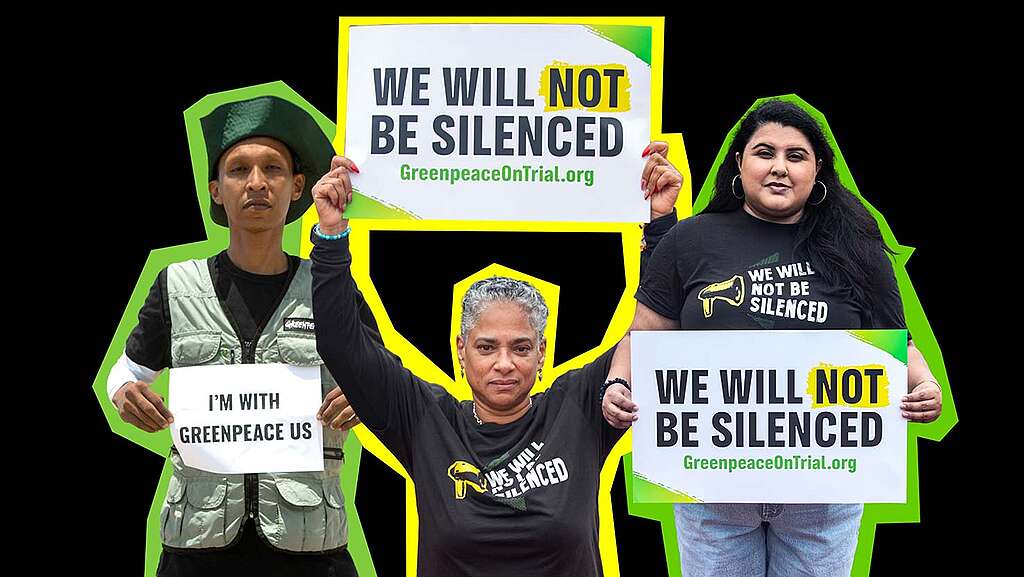
Greenpeace in the US is facing a AU$1 billion lawsuit from Big Oil. Will you help defend Greenpeace?
Donate nowRead more about the bombing of the Rainbow Warrior
-
When was the Rainbow Warrior Bombed? A Timeline of Events
The Rainbow Warrior bombing took place on July 10, 1985, but it had been in the planning for months, and had repercussions that would last for years.
-
The investigation of the Rainbow Warrior bombing
On 11 July 1985, news spread of dramatic explosions on the Auckland waterfront. Greenpeace flagship the Rainbow Warrior had been sunk while moored at Marsden Wharf. One crew member, Fernando…
-
Why did the French bomb the Rainbow Warrior?
The French government saw its nuclear testing programme as essential for France’s security. But negative publicity about the testing would put pressure on the French government to stop its programme. It wanted to stop the Rainbow Warrior’s upcoming anti-nuclear protest.
-
Who was Fernando Pereira?
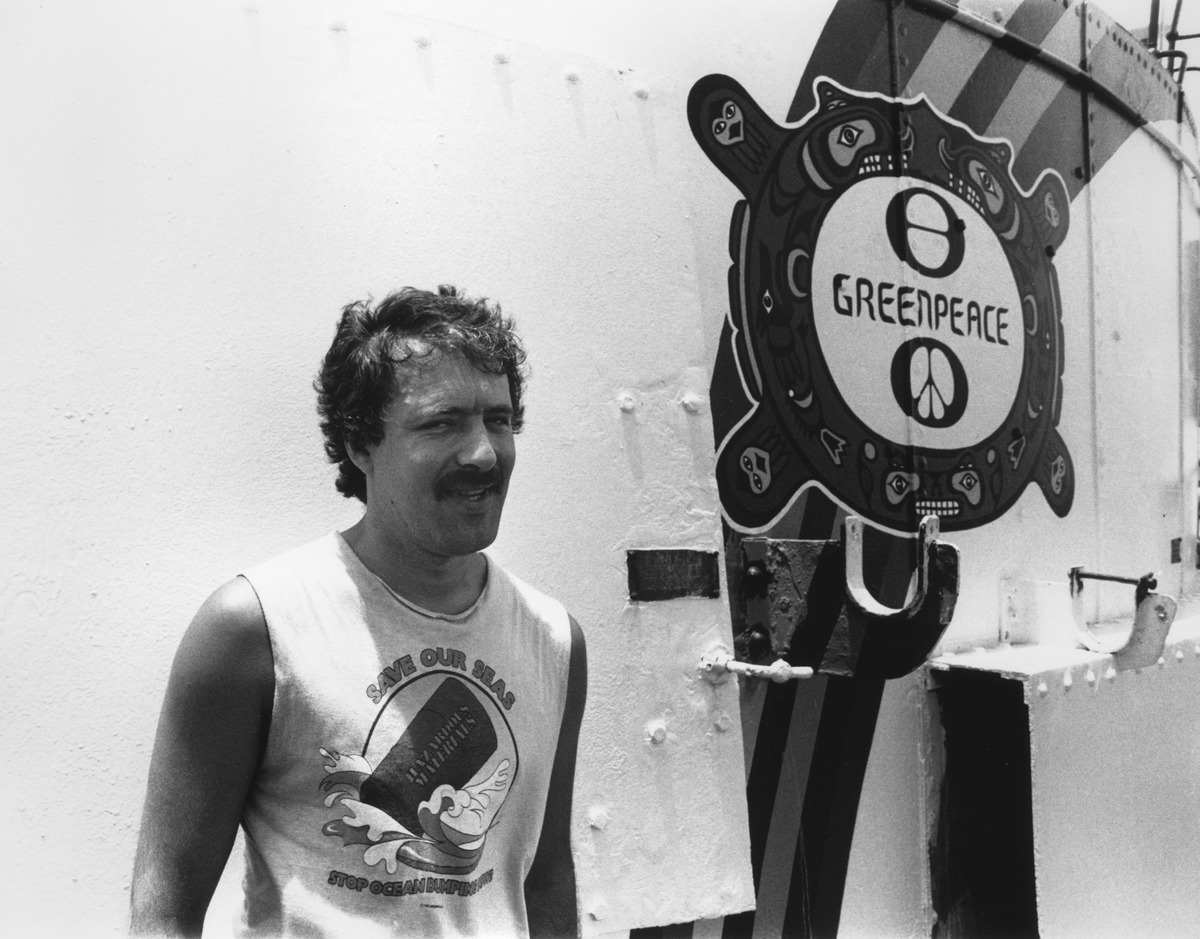
Fernando Pereira joined the crew of the Rainbow Warrior to bring his pictures of French nuclear testing to the world. A man who dedicated his life to peace. A determined photographer, a family man, a Rainbow Warrior – he will always be remembered.
-
Where is the Rainbow Warrior I now?
After the bombing, the Rainbow Warrior was given a final resting place at Matauri Bay, in New Zealand’s Cavalli Islands, where it has become a living reef, attracting marine life and recreational divers.