Global Ocean Treaty
The Global Ocean Treaty is one of the most important international conservation agreements in history and the first focused on conserving marine life on the High Seas.
How you can help
-
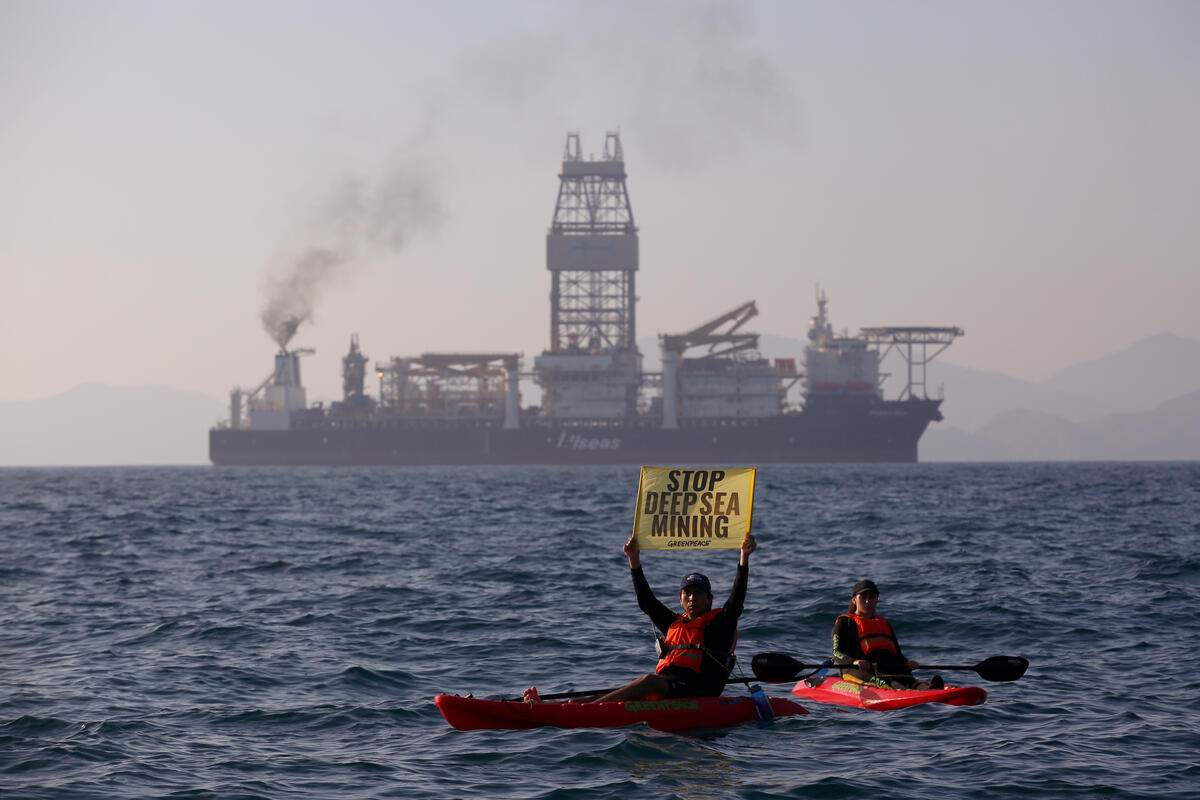
Stop Deep Sea Mining before it starts
Greedy companies want to mine the seafloor for profit. 2 million people worldwide say no to deep sea mining – will you join them?
-
Turn the Global Ocean Treaty into law
Sign the petition to demand the Australian Environmental Minister, Murray Watt, helps bring the Global Ocean Treaty into law.
-
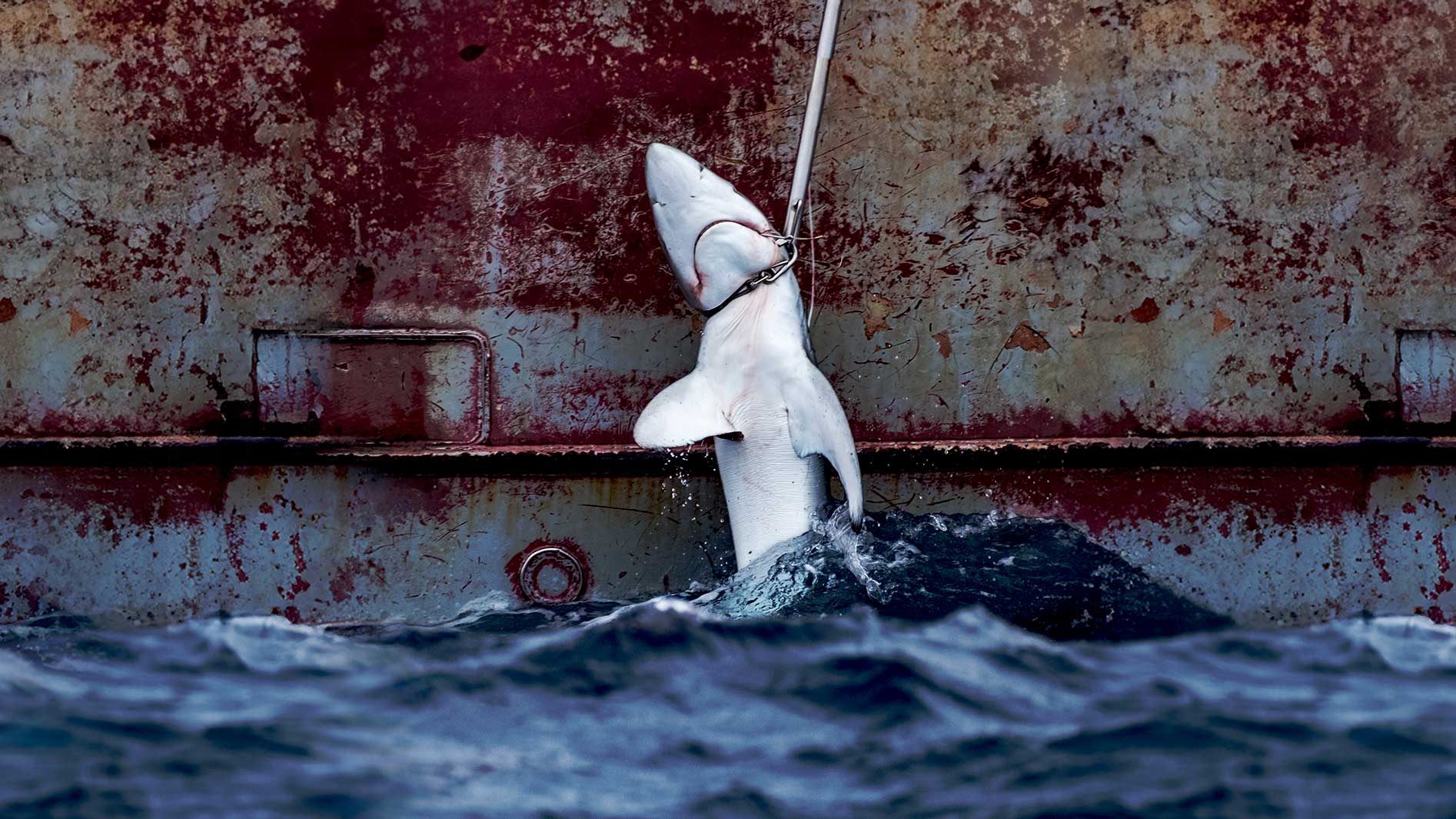
Make a donation to protect our ocean
Help create one of the world’s first global ocean sanctuaries free from destructive industrial fishing.
-
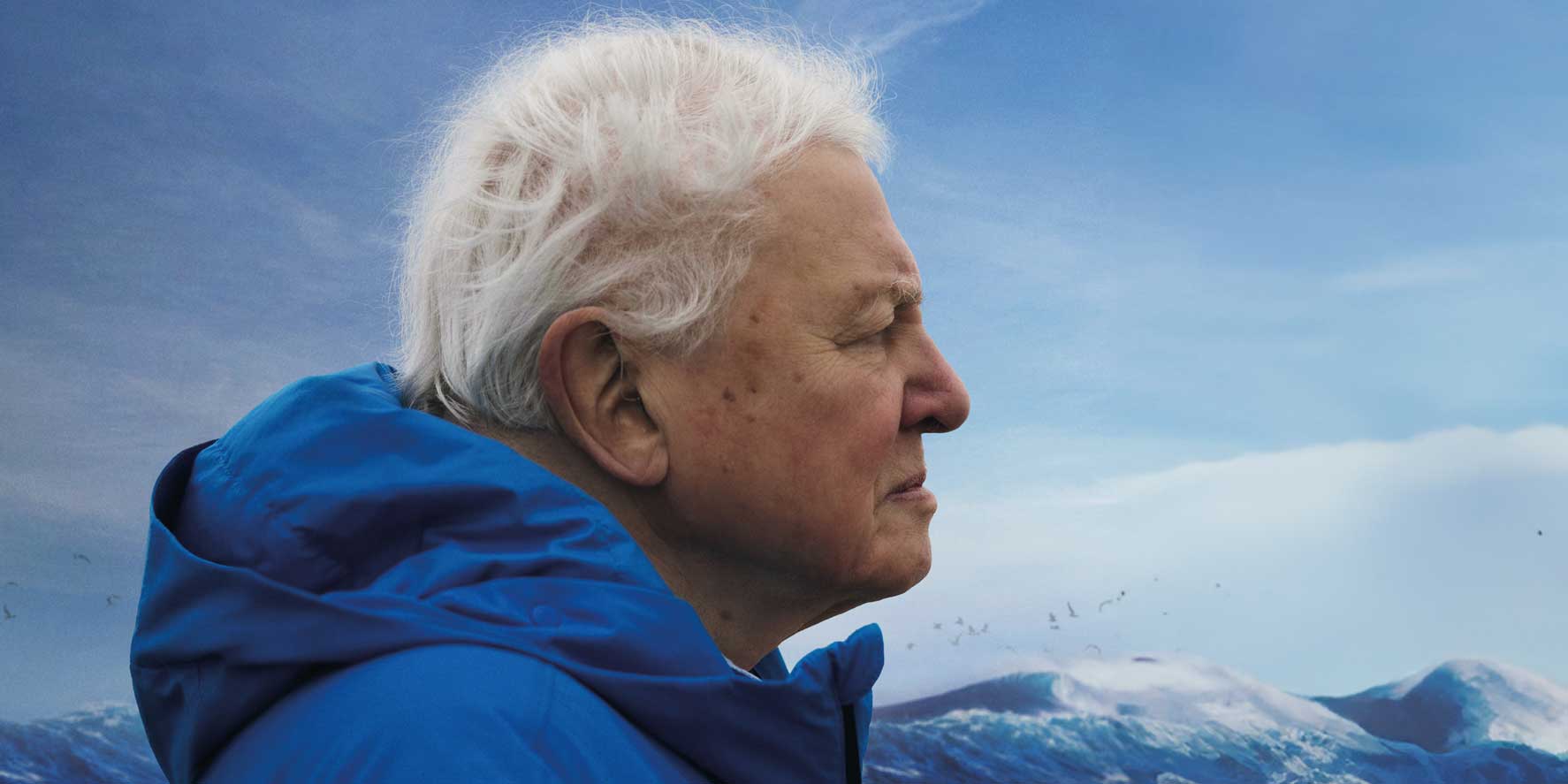
Save the Ocean. Save our World.
Ocean with David Attenborough is not just a visual spectacle but also an urgent call for action. Sign the petition to tell the Australian government to champion an ocean sanctuary in the Tasman Sea.
-

Sign up to be a regular giver today
As our thank you gift to you, we’ll send you this limited edition tee designed by Australian Illustrator Brentos.
-

Help protect the Great Barrier Reef
We call on the Australian Federal Government to protect the Great Barrier Reef from the impacts of climate change by replacing all coal-burning power stations with clean and safe renewable energy by 2030 and committing to net-zero by 2035.
What is the Global Ocean Treaty?
It is a legally binding pact to conserve international waters, a crucial component in global efforts to protect 30% of the world’s oceans by 2030.
Now the treaty is in force, governments can propose ocean sanctuaries for the high seas. A 2023 scientific report by Greenpeace identified the South Tasman Sea and Lord Howe Rise – the high seas between Australia and New Zealand – as being of critical importance for protection.
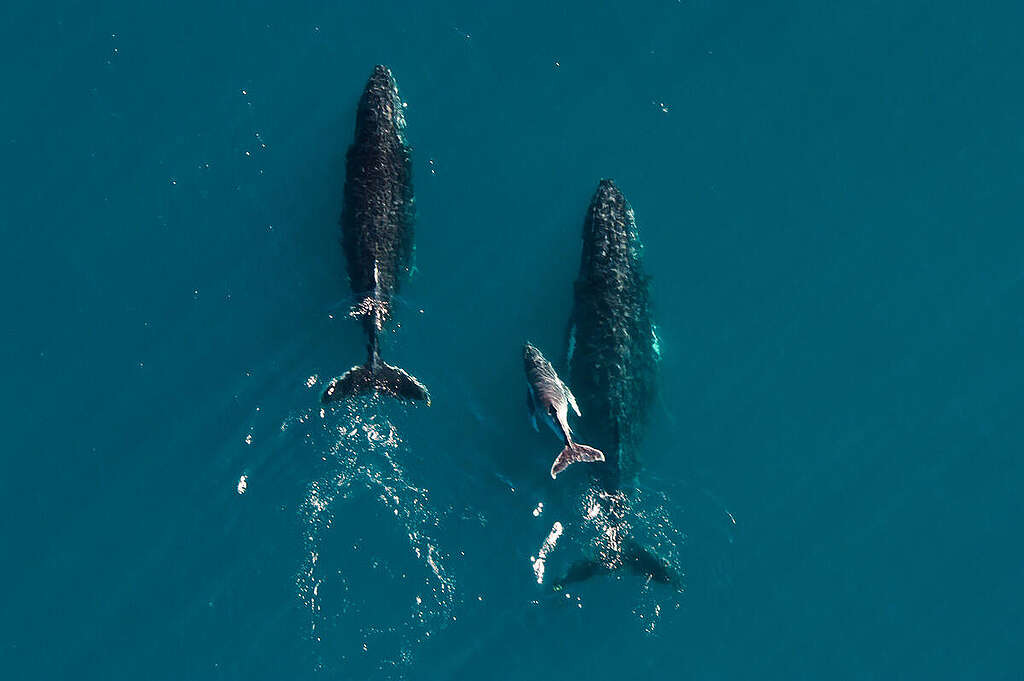
Why do we need a Global Ocean Treaty?
Before the treaty entered into force in January 2026, the management of our global oceans was very fragmented.
Due to decades of action from people like you. There is now a legal global instrument that allows for the creation of sanctuaries in international waters. To this day, less than 1% of the high seas – the largest habitat on Earth, comprising 64% of the world’s ocean – is fully or highly protected from human activities.
But here’s the catch: Australia still hasn’t ratified. Despite being one of the first countries to sign the treaty at the United Nations General Assembly in 2023, ratification has been delayed and deprioritised. This is cutting it fine if we want to hit the global goal of protecting 30% of our oceans by 2030.
The countdown is on, as the first ever Ocean COP under this new Treaty will take place in late 2026. This UN meeting will be a game-changer for ocean protection.
Here’s how it works, and how together we’ll make sure world leaders get it right
From climate change and plastic pollution, to mining and overfishing, the threats facing our oceans are getting more urgent every day.
Now though, there’s a ray of hope. Scientists have drawn up a bold rescue plan for our oceans – and it’s brilliantly simple: we cover the planet in ocean sanctuaries, putting a third of the seas off-limits to fishing, mining, drilling and other destructive industries.
If the plan goes ahead, it’ll be one of the biggest conservation efforts in human history, creating millions of square kilometres of new protected areas.
Clearing the way for ocean sanctuaries
This is an historic turning point, but the challenge isn’t over as the ocean is still at risk.
Even with the Global Ocean Treaty now in force, the future of the high seas depends on what governments do next. For decades, the vast ocean and precious marine life that call it home were beyond protection. Now, for the first time, we have the legal framework to create large-scale ocean sanctuaries beyond national waters – but only if countries use it boldly and responsibly. As nations move from ratification to implementation, the choices made now will determine whether this treaty delivers real protection or falls short. With Ocean COP 1 approaching in 2026, governments must act with ambition, urgency and science to turn this landmark agreement into thriving ocean sanctuaries that protect marine life and our shared future.
This COP isn’t just another international meeting, it’s about writing the rules for how the high seas are protected for generations to come.
Who’s backing a strong treaty?
Countries from around the world are now backing a strong, living Global Ocean Treaty. With the treaty in force, political leaders are responding to the science and to public demand – stepping up to protect the ocean in the global interest.
Governments from the African continent, the Pacific and Caribbean islands, Latin America, China and Europe have played a critical role in shaping a treaty that allows for the creation of ocean sanctuaries in international waters, moving beyond the fragmented and failing system of regional agreements that left much of the high seas unprotected.
Now, leadership matters more than ever. As negotiations continue to turn the treaty into real protection, these countries must keep pushing for ambition and integrity in its implementation. Our role is to stand with these governments – showing there is a powerful global movement behind them, and urging them to go further, faster, to secure a healthy ocean for generations to come.
Who’s holding things up?
Some governments, like the US, New Zealand and Canada still lack vision and ambition, while Norway, Iceland, and Russia largely fall behind. We’ll be doing everything we can to make these countries step up in their ambition, and make sure their people and scientists are heard.
Sticking to the status quo won’t bring life back to the ocean – we’ve seen over and over again that the current patchwork system we have can’t protect marine life from the multiple pressures they face today. Our oceans are in crisis and simply can’t wait while countries drag their feet.
The treaty is now in force – but the outcome is not guaranteed. As attention shifts to implementation, big fishing and mining companies are working hard to weaken key decisions and preserve the broken system that has put our blue planet at risk for decades. This is a decisive moment to counter that pressure and ensure governments stand firm and deliver the strong ocean protections the treaty was designed to achieve.
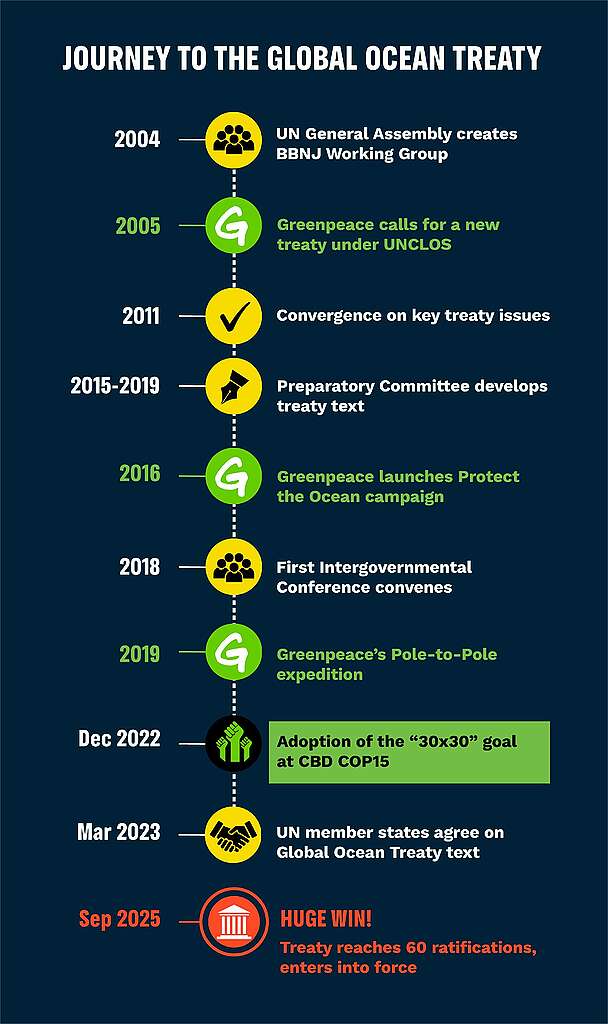
The Journey to a Global Ocean Treaty
-
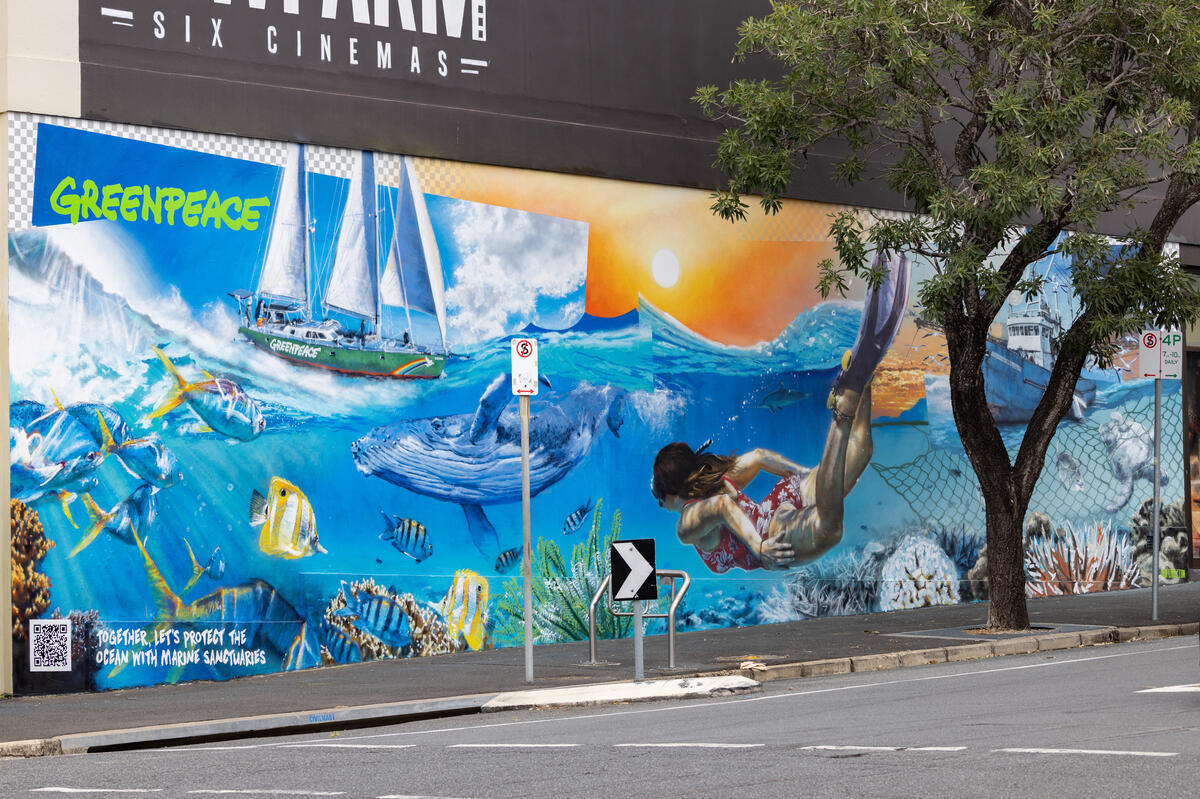
The Global Ocean Treaty Enters into force and we’re celebrating with a mural!!
Big news for our ocean, the Global Ocean Treaty enters into force today 17th January. Bringing this landmark treaty to life allows governments to create marine sanctuaries in international waters.…
-
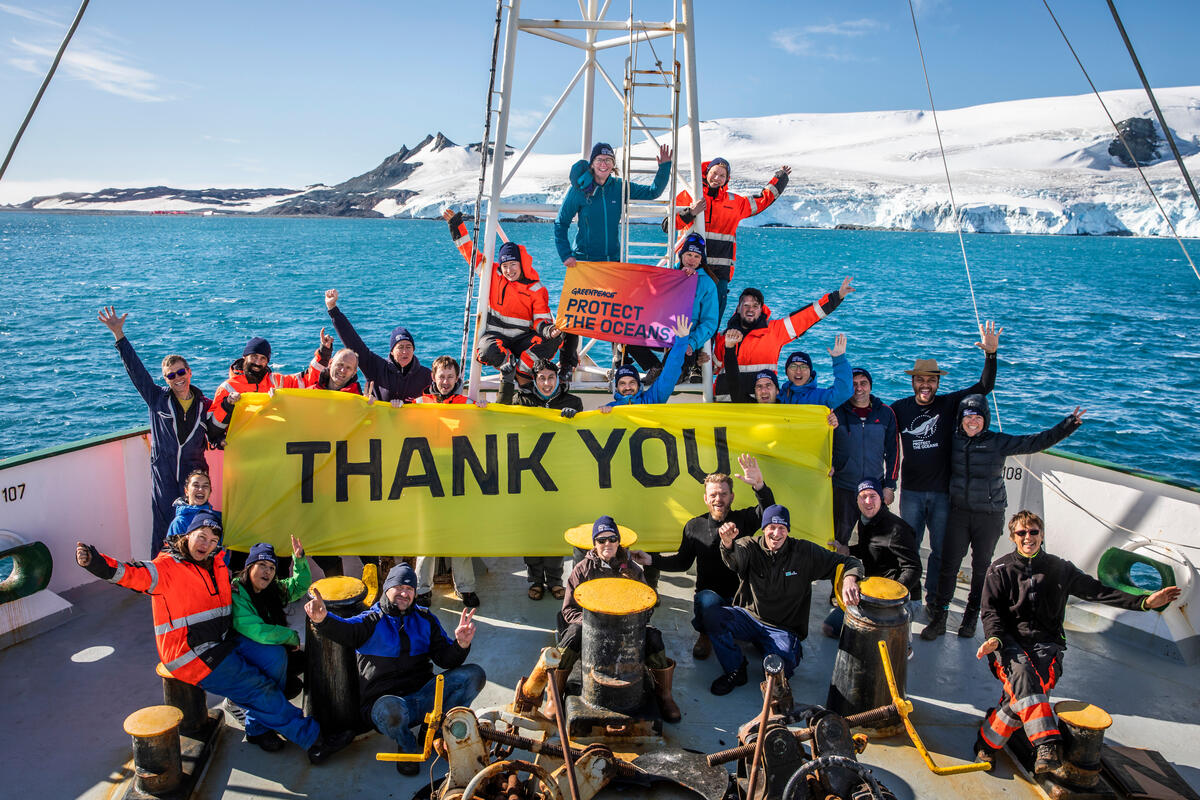
Historic Ocean Treaty kicks in as Australia warned: “no time to waste”
BRISBANE, Saturday 17 January 2026 — As one of the most significant nature protection agreements in history, the Global Ocean Treaty, comes into force today, Greenpeace Australia Pacific says there’s…
-
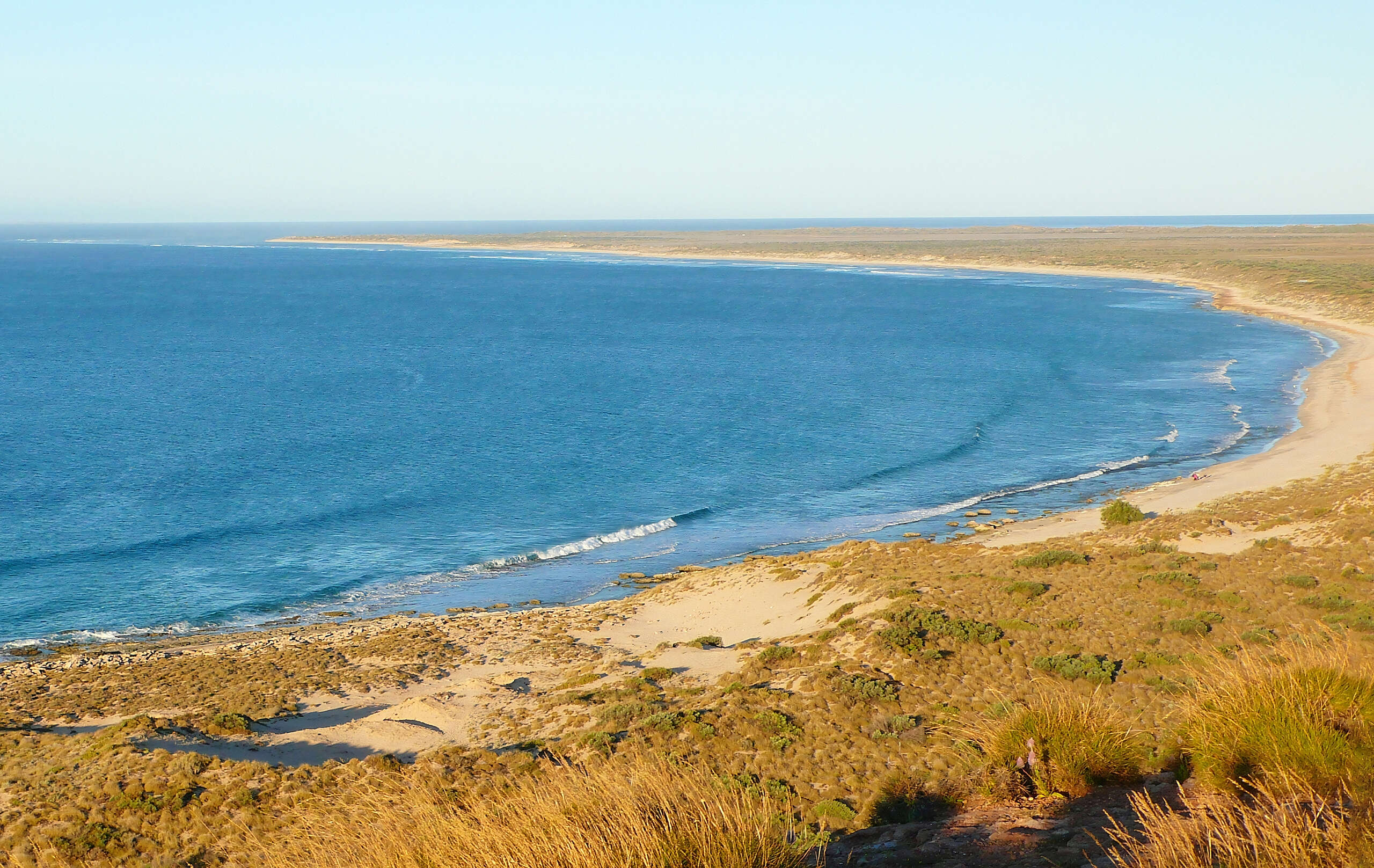
WA’s Demersal Fishing Ban Shows What Science Has Been Telling Us for Years.
Western Australia has just taken an historic step. The new ban on catching demersal species (fish that feed on or near the seafloor) across Perth and much of the West Coast is more than a policy change. It is a warning signal. Our oceans are under pressure like never before and marine life cannot withstand…
-
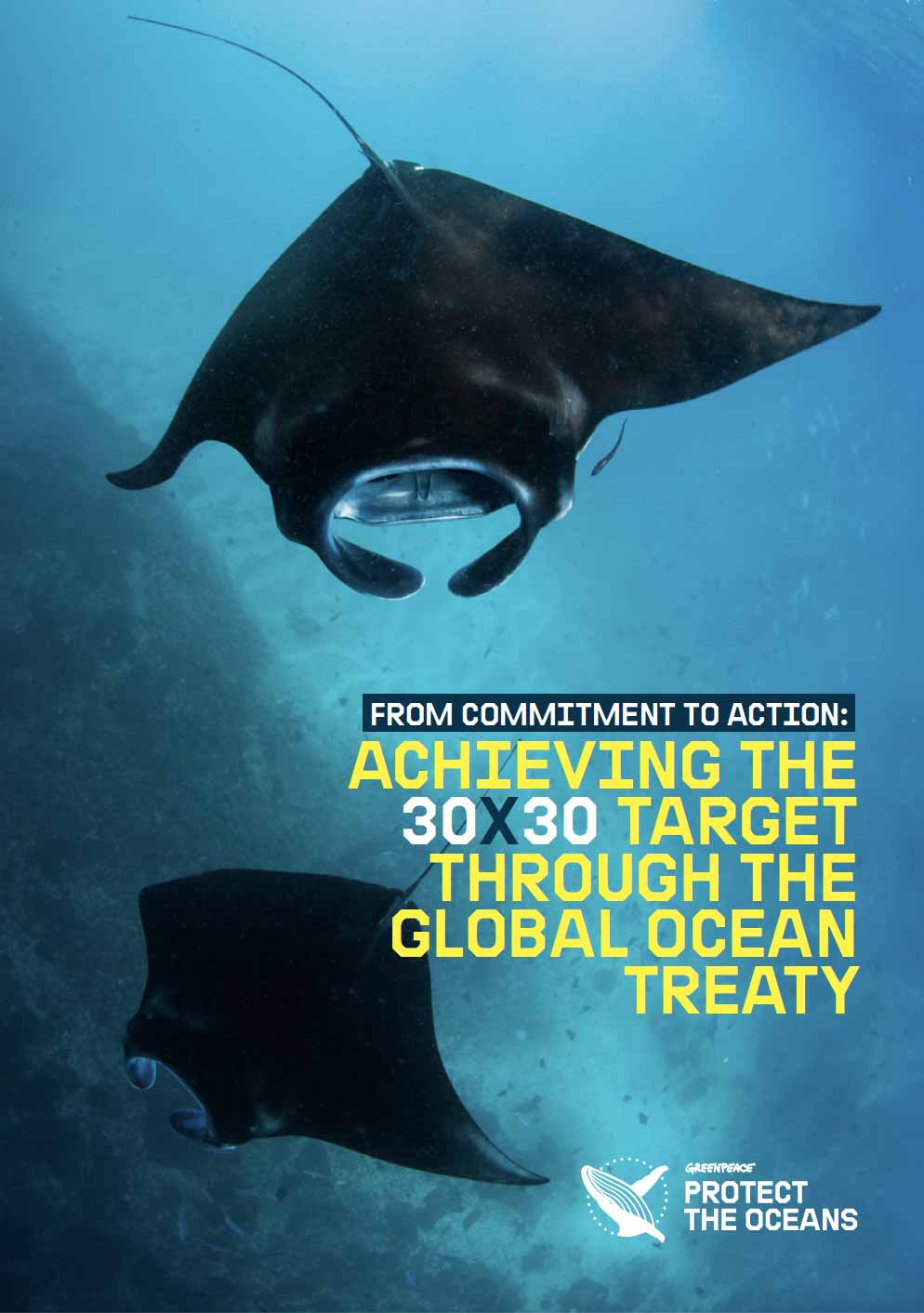
REPORT: From Commitment to Action – Achieving the 30×30 target through the Global Ocean Treaty
In 2022, the 15th Conference of the Parties to the Convention on Biological Diversity (CBD) adopted the Kunming-Montreal Global Biodiversity Framework (GBF), which aims to halt and reverse biodiversity loss.…
-
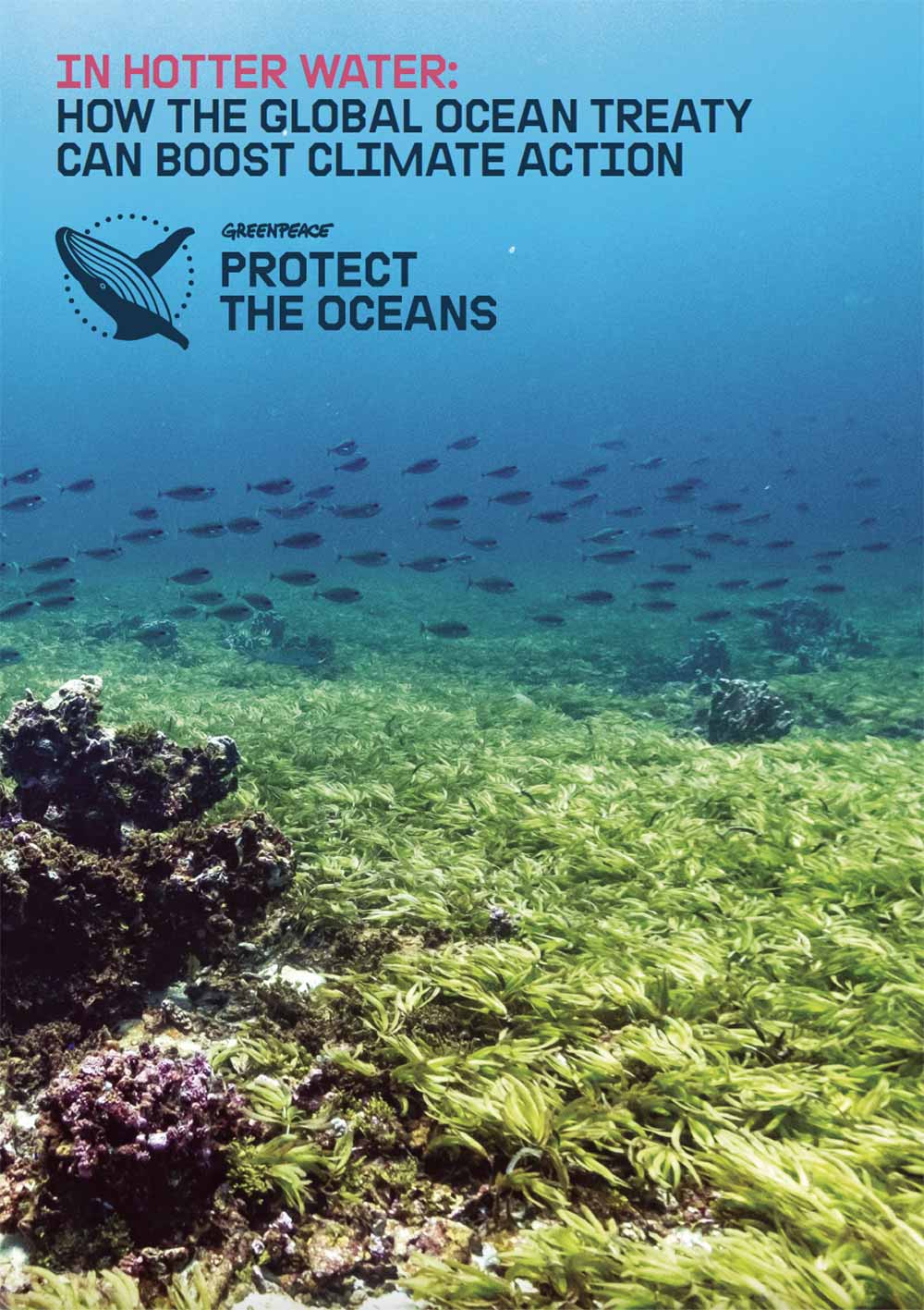
Report: In Hotter Water – How the Global Ocean Treaty can boost climate action
In December 2019, Greenpeace International released 30×30 In Hot Water: The climate crisis and the urgent need for ocean protection. This makes the scientific case for creating a network of marine sanctuaries covering at least 30% of the world’s ocean, both to increase marine life’s resilience to climate change and to help mitigate its effect…
-
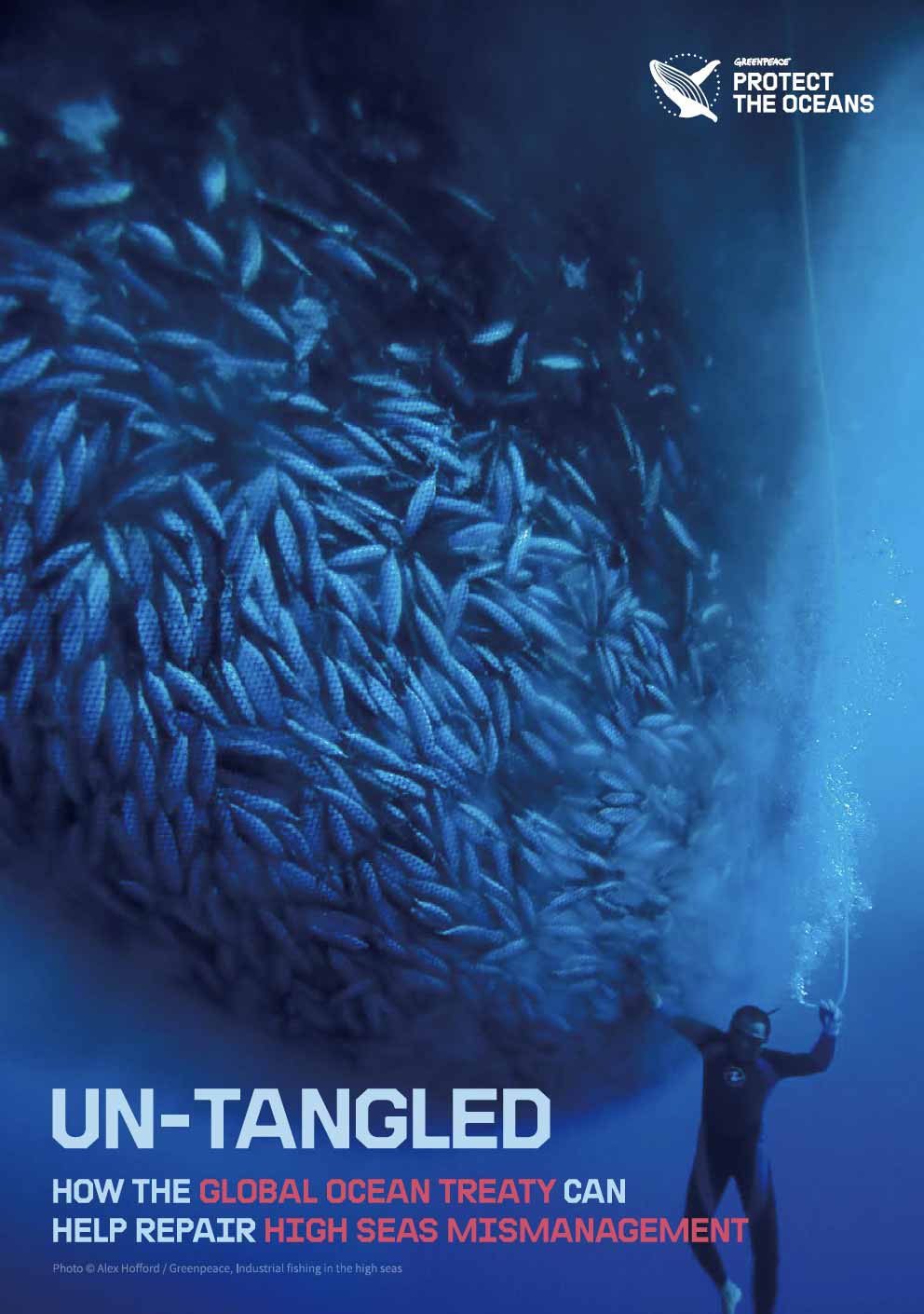
Report: How the Global Ocean Treaty can help repair high seas mismanagement
This report explores how Regional Fisheries Management Organisations (RFMOs) have not met their mandate for sustainably managing the impacts of fishing activity on biodiversity in international waters. It then sets out how the recently won Global Ocean Treaty (BBNJ Agreement) can remedy this systematic mismanagement of biodiversity on the high seas.
-
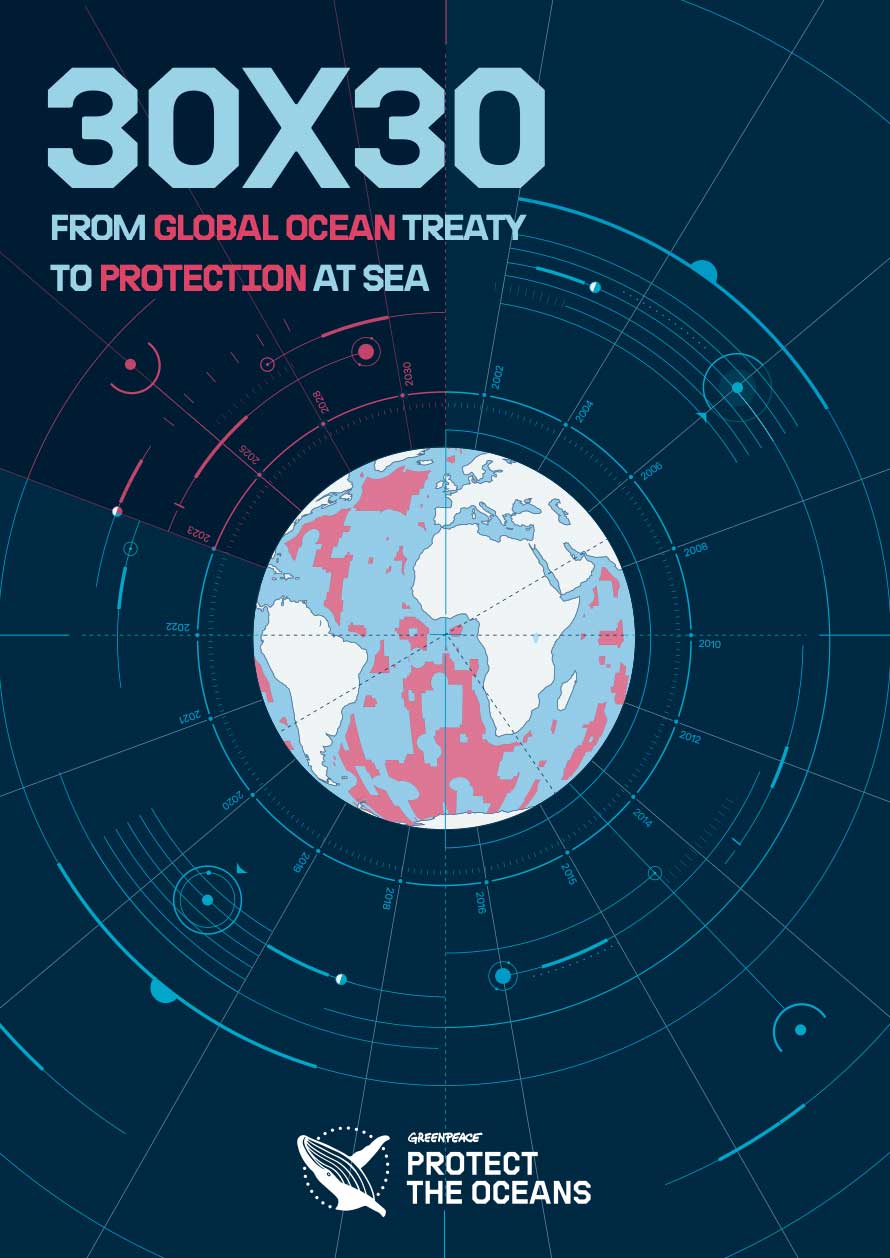
REPORT: 30×30 From Global Ocean Treaty to Protection at Sea
This report offers clear routes to action to get across the finishing line and help the oceans thrive again.
-
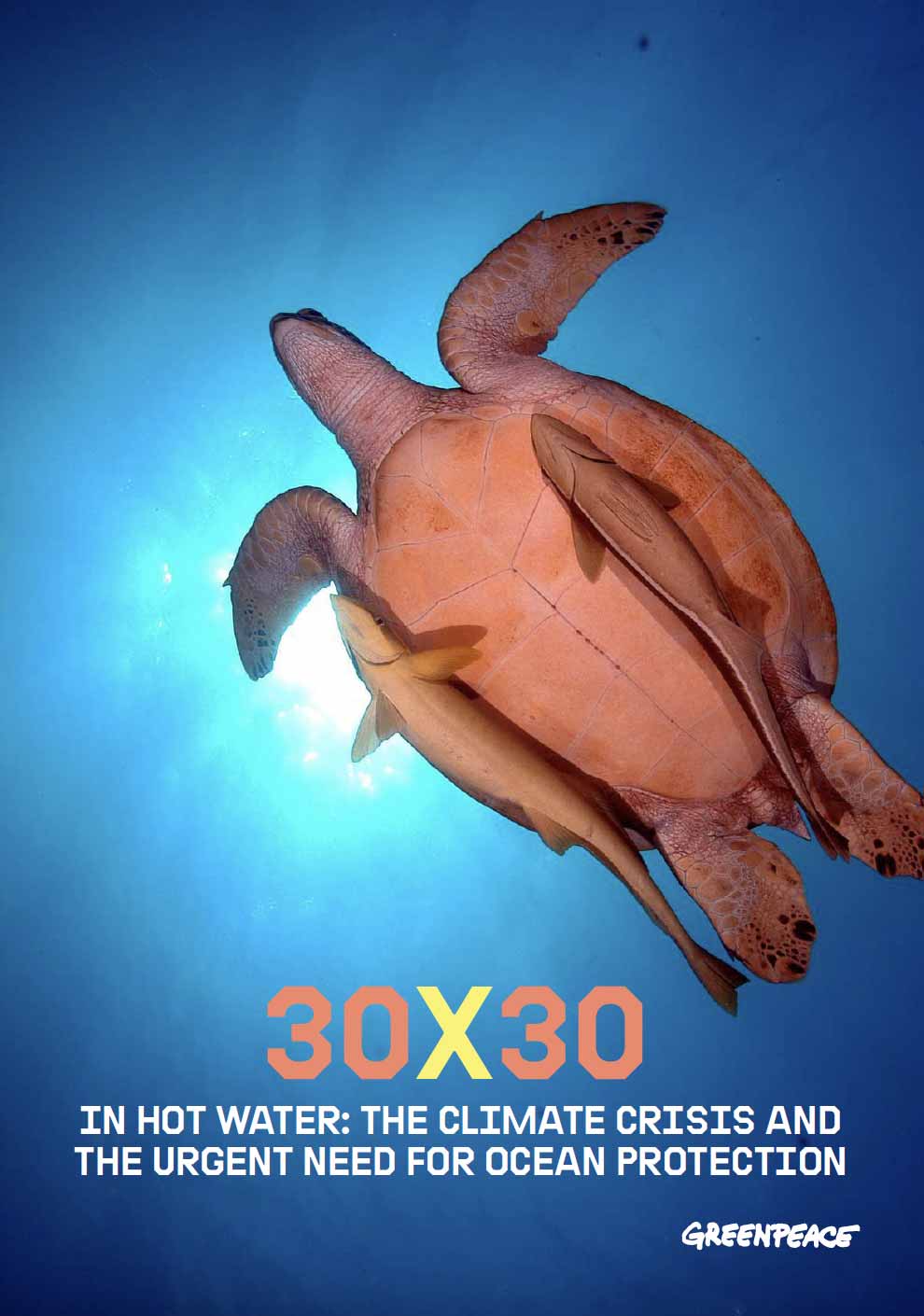
Report: In Hot Water – The Climate Crisis and the Urgent Need for Ocean Protection
We are standing at a pivotal moment in history. A global movement unlike anything we’ve seen before is demanding governments take action to address the climate emergency. Young people, inspired…
Keep informed
Together we are part of a growing, global movement determined to bring about the changes our planet desperately needs. Sign up to receive updates on our campaigns.