Skip to content
 

Stop industrial fishing in the Tasman Sea - There's no time to waste

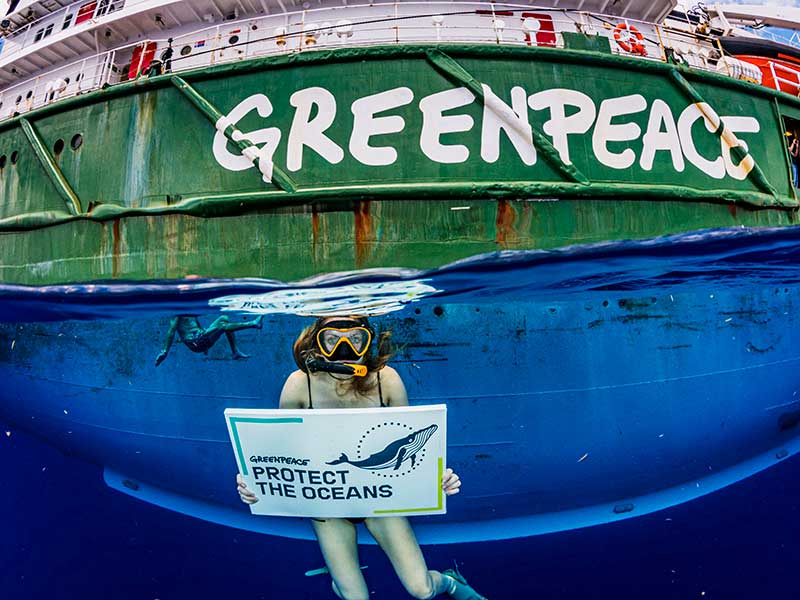
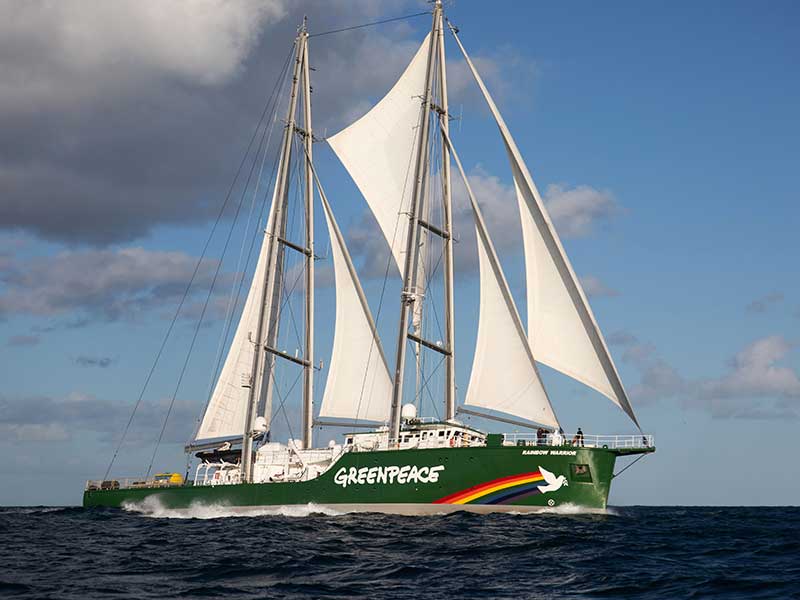
Greenpeace’s Rainbow Warrior ship disrupted an industrial fishing operation near Australia and New Zealand last year. Our crew retrieved almost 20km of longline fishing gear from an EU fishing vessel, and released dozens of animals caught on its hooks, including an endangered longfin mako shark.

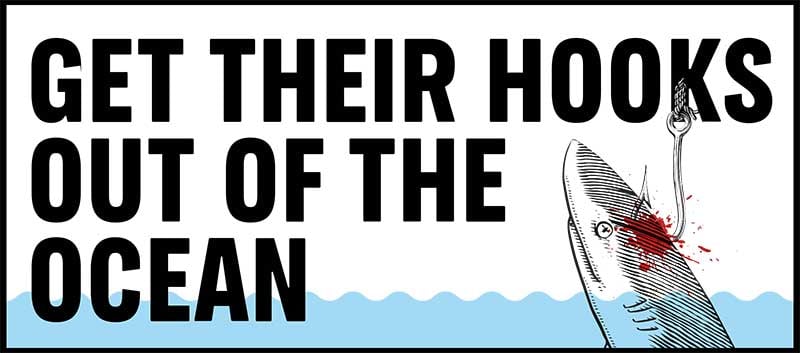
These longliners are killing machines, and right now, it is still legal for them to pillage our oceans. But the Global Ocean Treaty can change that, as long as Australia champions robust high-seas sanctuaries that exclude industrial fishing in protected areas.

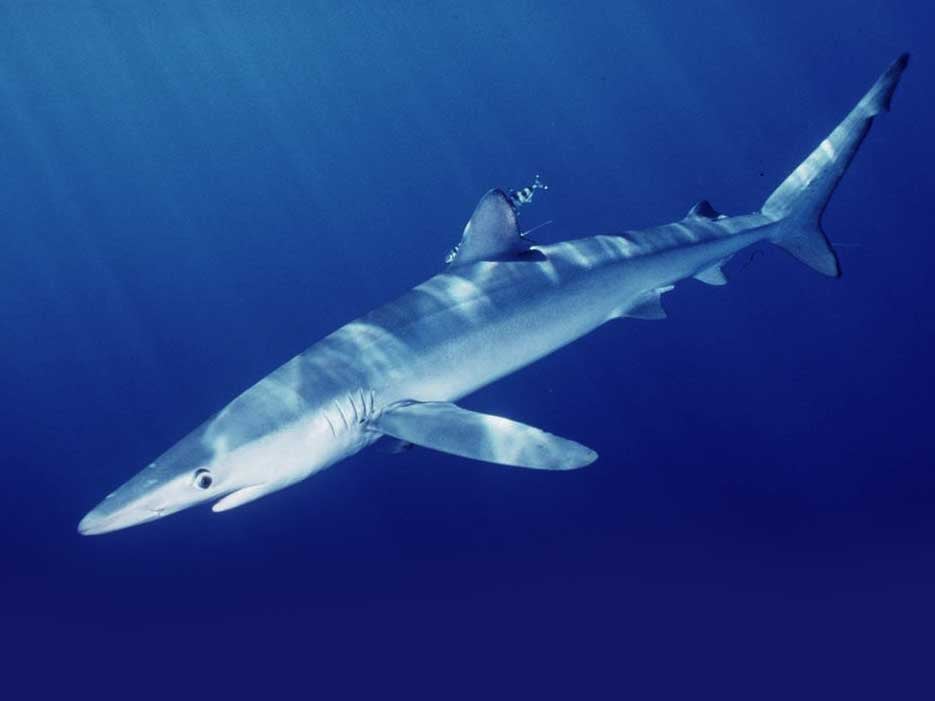
Longlining is killing blue sharks

Blue Shark Bycatch

 EXPOSED: 

At least 438,500 blue sharks were caught by longliners across the Pacific in 2023.

A Greenpeace investigation has exposed the number of sharks being caught as bycatch and discarded in the ocean. Tens of millions of sharks are caught every year around the world. Greenpeace is demanding protection through an ocean sanctuary.

Blue Shark Bycatch

Bottom trawling is destroying our ocean

Destructive bottom trawling is devastating deep sea ecosystems in the Tasman Sea. A staggering amount of marine life – including sharks and dolphins – is hauled up as bycatch, and then discarded overboard, dead or injured.

This brutal fishing method causes irreparable damage. It leaves the ocean floor scarred and threatens the survival of endangered species like the South Pacific humpback whale and rare Antipodean albatross, which rely on this fragile ocean habitat for feeding and breeding. We need your help to save them.

You can help us push the government to create ocean sanctuaries, off limits to ruthless fishing corporations, where marine life can recover and thrive.

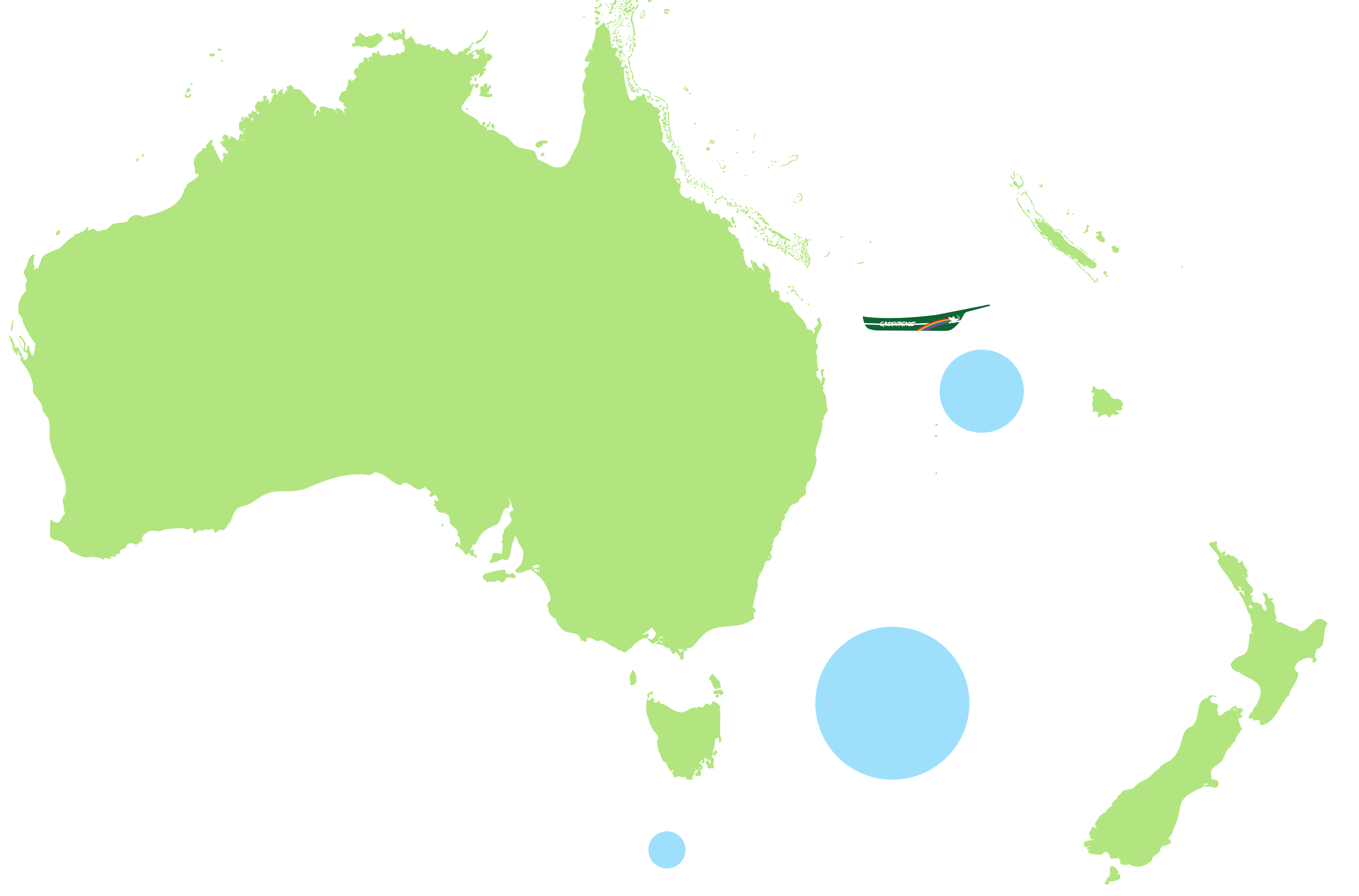
We need an ocean sanctuary in the Tasman Sea

Tasman-Sea-Ocean-Sactuary-3

We need an ocean sanctuary in the Tasman Sea

The Tasman Sea is more than a stretch of water. It is a living, breathing corridor of marine life. Recognised by the United Nations for its extraordinary biological significance, this region should be one of the first protected areas under the Global Ocean Treaty.

Lord Howe Rise and the South Tasman Sea are home to vulnerable sharks, turtles, whales and dolphins; ancient deep sea corals; colossal underwater mountains; and some of the world’s most important seabird populations.

An ocean sanctuary could mean an end to destructive practices like bottom trawling and longline fishing, creating a haven for a stunning array of marine life to recover and thrive. It could be the first of many under the new Global Ocean Treaty.


The Tasman Sea – what's at risk.

Special and endangered animals like turtles, sharks, dolphins, whales, and seabirds are often caught as bycatch by destructive longliners.

Blue Shark

Blue Shark

STATUS: Near-threatened

Blue sharks are the most heavily fished species in the world. Known for their intelligent and inquisitive nature, these champion long-distance swimmers can travel over 9,000 km across the global ocean during their annual migrations.

In the Tasman Sea, blue sharks are the most commonly caught shark. Most are caught as bycatch, hanging from longlines in their thousands and hauled on deck only to be unhooked and discarded – some maimed, dead, or dying.

Leatherback turtle

Leatherback turtle  

STATUS:  Vulnerable

Longline fisheries hook thousands of sea turtles each year. Many turtles swallow baited hooks or become entangled in lines, leading to injury, drowning, or deaths after being released.

Leatherback turtles are one of the most frequently caught species in the Tasman Sea. In the Pacific, leatherback turtles have declined more than 95% in the last 25 years.

Antipodean Albatross

Antipodean Albatross

STATUS:  Endangered

Endangered mostly due to high bycatch rates from longline fishing, particularly in the South Pacific and Tasman Sea, where they are frequently hooked and drowned while scavenging baited fishing lines.

Bottlenose Dolphin

Bottlenose Dolphin

Dolphins can become entangled in longlines or ghost gear while feeding. These lines, stretching up to 100 kilometres, can wrap around their fins, tails, or mouths, causing injuries, infections, or even starvation if they can’t swim or feed properly.

They can also target the baited hooks for food, risking injury or infection from accidentally swallowing them which can lead to swallowing hooks or getting their mouths injured, leading to infections or internal damage.

Humpback Whale

Humpback Whale

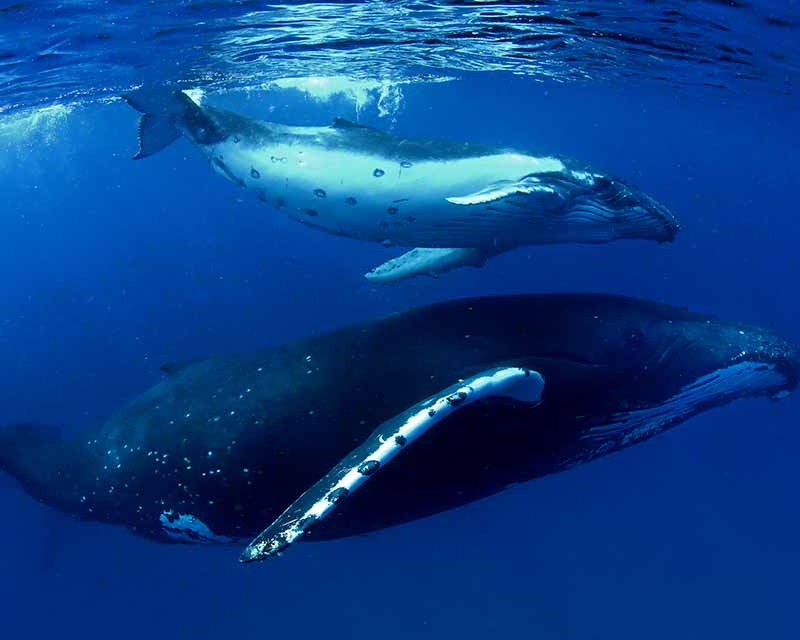
Humpback whales migrate through the Tasman Sea. The presence of longline fishing vessels in critical habitats can disrupt whale migration routes and may alter their natural behaviours, avoiding key feeding or breeding areas due to high fishing activity.

Whales can become entangled in longlines or ghost gear while foraging for food. They often get deep cuts or infections and can starve if they are unable to swim or feed properly.

You helped make the Global Ocean Treaty law

Shark-Bycatch-GP0SU5O2K-2

Together, we have brought the Global Ocean Treaty into force, turning years of people-powered action into real opportunity. 

The Australian government must now champion strong, robust and vast ocean sanctuaries in the high seas, including in the Tasman Sea. 

Will you help push Australia to seize this once-in-a-generation moment at the world’s first Oceans COP, and deliver real protection for the ocean?


Will you help push Australia to seize this once-in-a-generation moment at the world's first Oceans COP- and deliver real protection for the ocean?

Greenpeace crew releasing shark from longlines in the Pacific

Will you help draw the line on destructive fishing?

Image 1

49
Years

Greenpeace Australia Pacific has been fighting to protect our ocean

Image 2

438,500
Blue Sharks

Killed in 2023 by longlining in the Pacific, our investigation exposed

Image 3

54,363
People like you

Have made their voices heard to save our ocean

All donations over $2 are tax deductible.
Help create one of the world's first global ocean sanctuaries free from destructive industrial fishing.