Operation Exodus
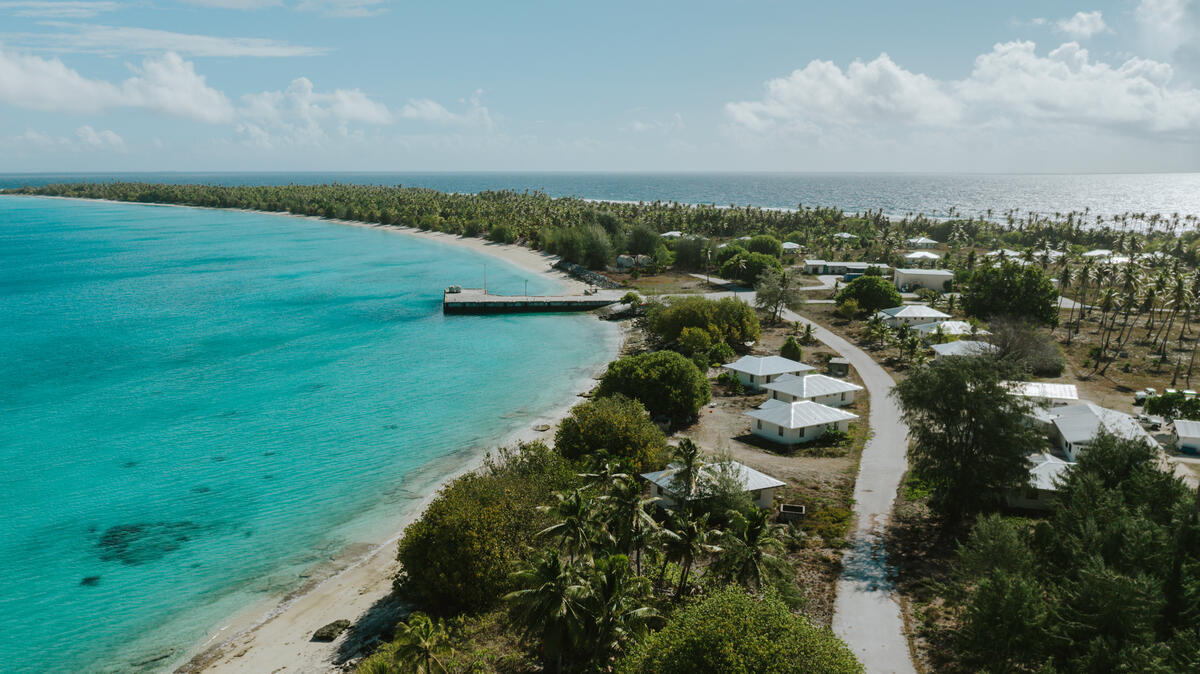
Rongelap is one of 29 atolls and 5 islands in the north-western Pacific that make up the Marshall Islands. Located just north of the equator, its closest neighbours are Australia, Kiribati, Nauru, and the Federated States of Micronesia.
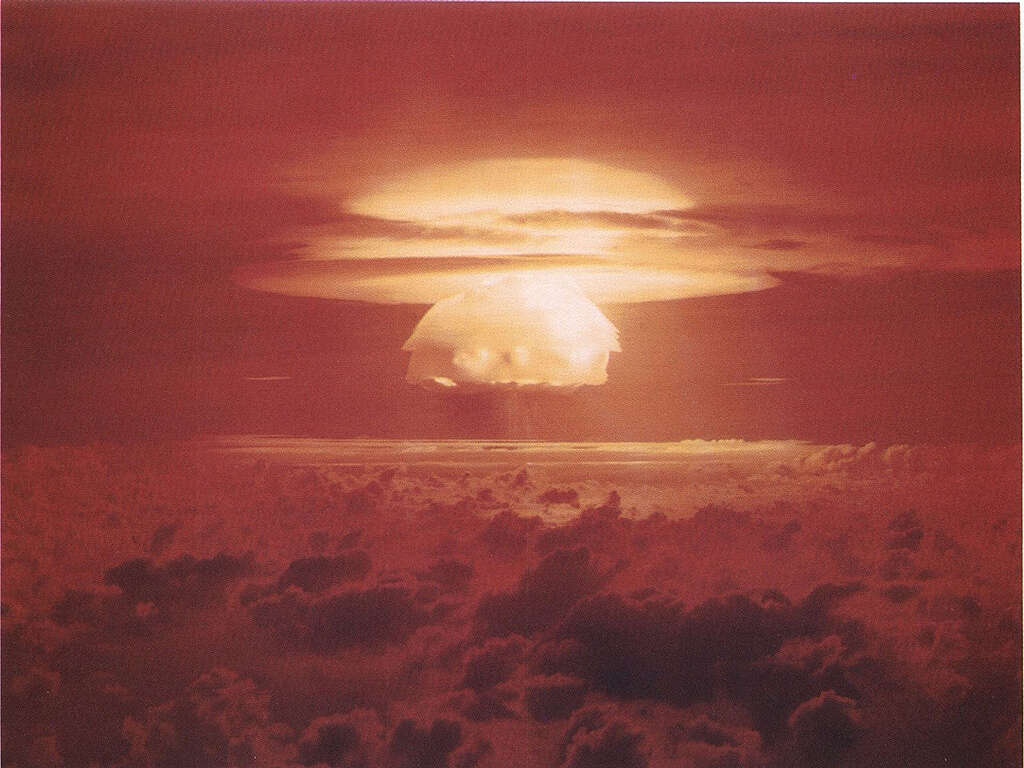
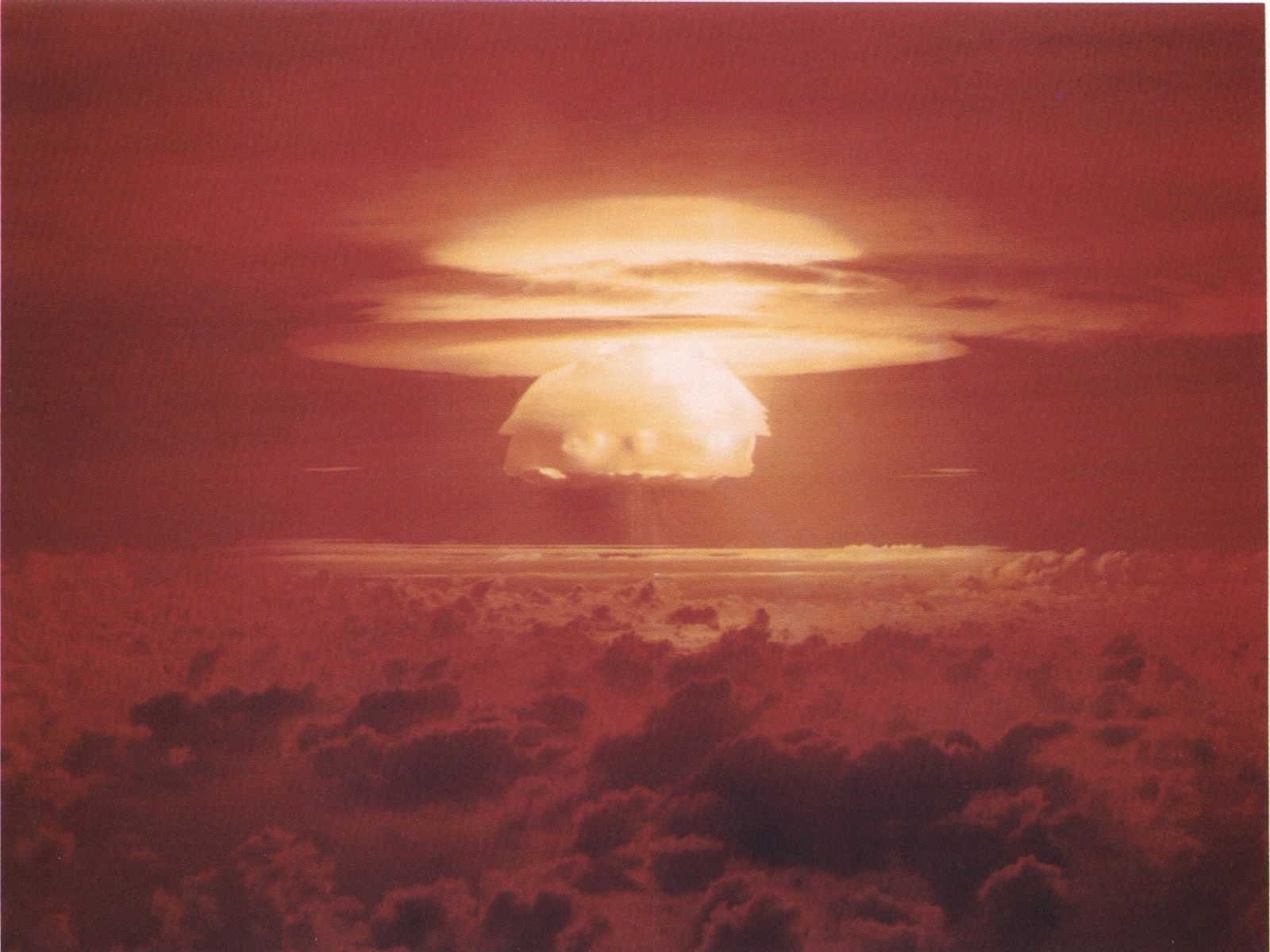
1 March 1954 – 70 years ago, on Bikini Atoll in the Marshall Islands, the United States conducted its largest ever thermonuclear weapons test, exploding a thermonuclear weapon codenamed ‘Castle Bravo’ with an energy of 15 megatons. The mushroom cloud from this “hydrogen bomb” reached 40 kilometres into the atmosphere, resulting in thousands of square kilometres of the Pacific Ocean being contaminated by radioactivity.
Its explosive yield was 1000 times more powerful than the Hiroshima bomb – and within 4 hours of the explosion, radioactive fallout made up of crushed coral, water, and radioactive particles, rained down over inhabited atolls, including Rongelap Atoll that is 150 kilometres away. Witnesses of the Bravo nuclear fireball described seeing a second sun rising in the west.
Three days after the detonation, the US government evacuated the residents of Rongelap to Kwajalein Atoll. Three years later the government officials claimed that Rongelap Atoll was safe again, and they returned the islanders to their home.
Over the next 30 years, the evidence of radioactive poisoning grew. Rongelap children were still born and many mothers experienced miscarriages. Just under 70% of the Rongelap children who were under 10 in 1954 developed thyroid tumours. United States scientists continued to monitor the people of Rongelap, believing that the condition of the people of Rongelap afforded an opportunity to observe the effects of prolonged exposure to high radiation levels.
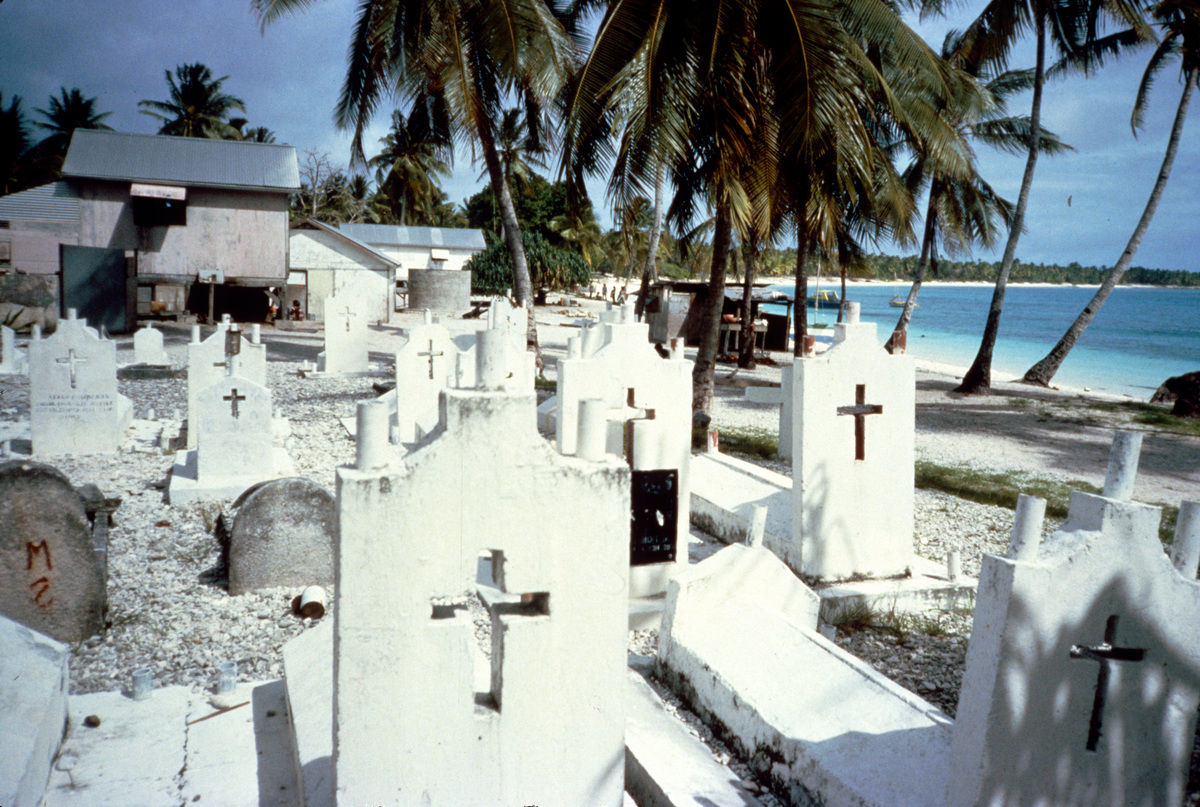
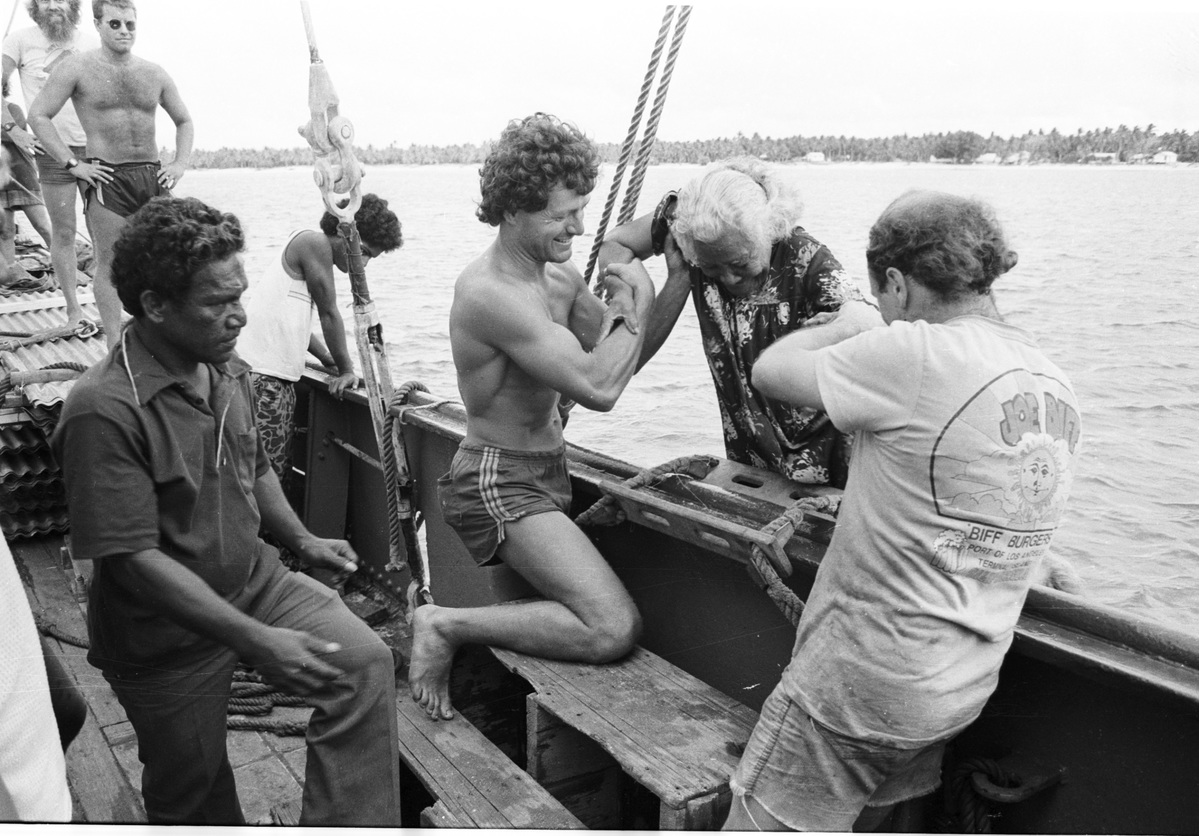
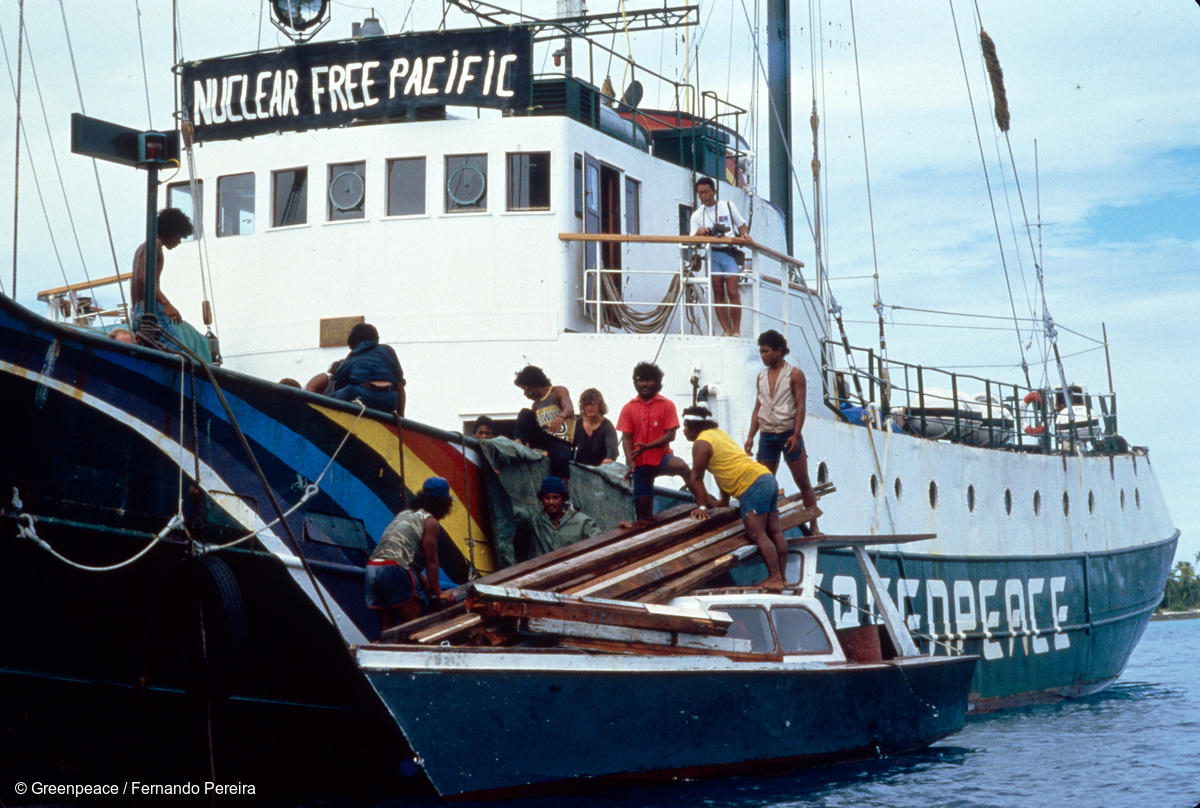
After decades of pleading with the United States government, in 1985 the Rongelap people turned to Greenpeace for help. They asked that Greenpeace send a vessel to evacuate them from their home and move them to nearby Mejatto Island. Greenpeace sent the Rainbow Warrior to Rongelap at the request of its people and in May 1985 moved them to Mejatto Island, 180 kilometres away in Kwajalein Atoll. This operation, involving many trips, took 11 days.
Read more about Operation Exodus
JUSTICE FOR THE
MARSHALL ISLANDS
40 years of solidarity with the Marshallese people in their intergenerational fight for nuclear and environmental justice, reparations, and accountability from US nuclear weapons testing.
-
A defining moment in history: 40 years ago the Marshall Islands fought to protect their future… and defied the US
In May 1985, Greenpeace took on a mission unlike anything they had done before – to mass relocate the people of Rongelap atoll in the Marshall Islands, whose ancestral home was no longer safe as a result of the US government’s nuclear testing in the region.
-

“We are not just welcoming you as allies, but as family” – Why The Rainbow Warrior is back to Marshall Islands 40 years later
Family isn’t just about blood—it’s about standing together through the toughest of times.
-
More powerful than Hiroshima: how the largest nuclear weapons test ever built a nation of leaders in the Marshall Islands.
71 years ago, on Bikini Atoll in the Marshall Islands, a nuclear bomb with the codename “Castle Bravo”, exploded with an energy of 15 megatons. The mushroom cloud reached 40…