Pacific Island countries have long been at the forefront of climate, ocean and biodiversity protection. Using their collective power, moral authority and skilful diplomacy, these ‘large ocean states’ have been responsible for numerous global environmental breakthroughs, including securing the all-important 1.5ºC temperature goal in the Paris Agreement, and leading the movement that led to last year’s historic ruling from the International Court of Justice.
Last week our team headed to Palau – this year’s host of the Pacific Islands Forum and current chair of the Alliance of Small Island States – to meet with community and government leaders and to plan for another big year in the fight for climate and ocean justice.
Here’s some of what we explored together, and what’s in store over the coming months.
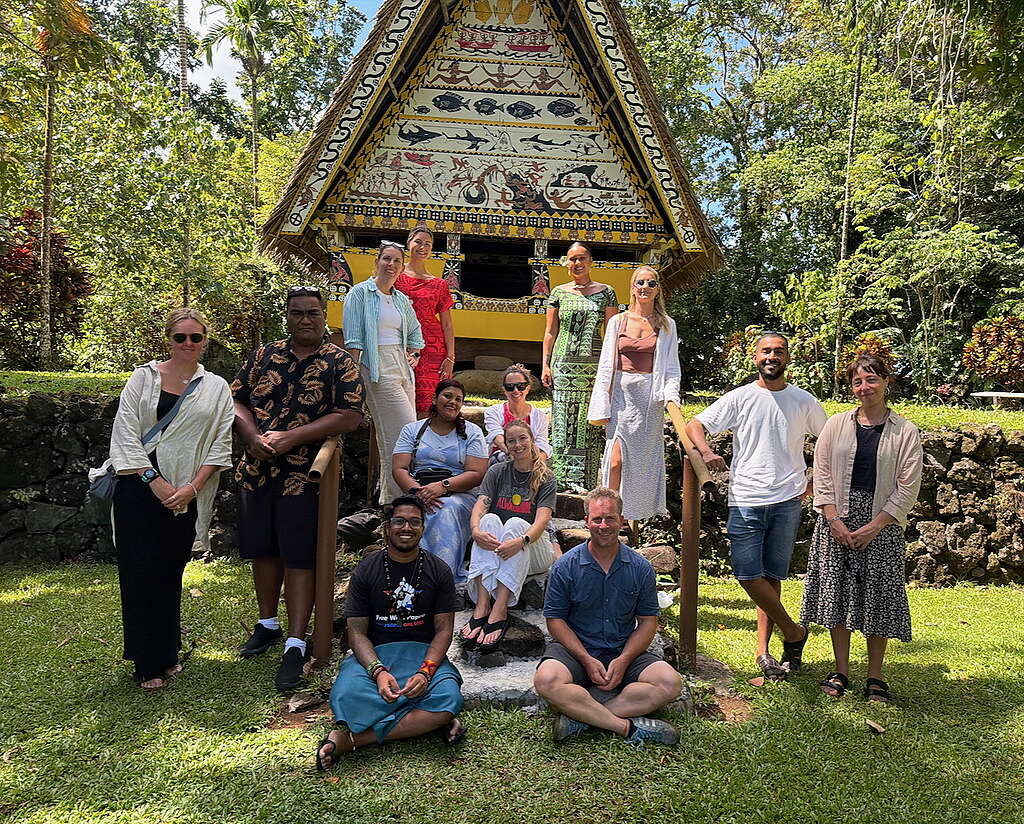
Pioneers of marine conservation
Palau (or Belau to its local inhabitants) is an archipelago of around 340 islands, 1,500km east of the Philippines. It is a global pioneer of marine conservation and was the first nation to sign the UN Ocean Treaty. Around 80% of Palauan waters – nearly half a million square kilometres of ocean – are fully protected marine sanctuaries, and the nation is home to some of the planet’s most pristine coral reefs, mangroves and seagrass meadows.
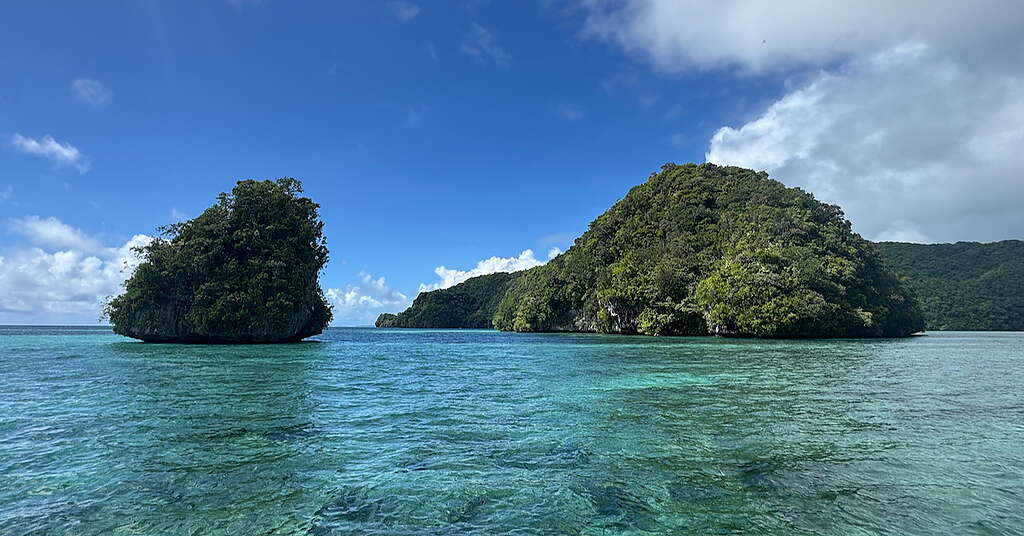
Along with Indigenous peoples the world over, Palauans’ relationship to their land and oceans was governed by a sophisticated system of traditional knowledge and customs, developed over countless generations and encoded through everything from songs and dances to carvings, tattoos and the design of traditional canoes.
Traditional knowledge and customs still play a vital role in environmental protection in Palau. However, today Palauans are confronting larger global forces, from the threat of deep sea mining, to plastic pollution carried across the ocean, to complex geopolitics, to the greatest of all threats – the climate crisis.
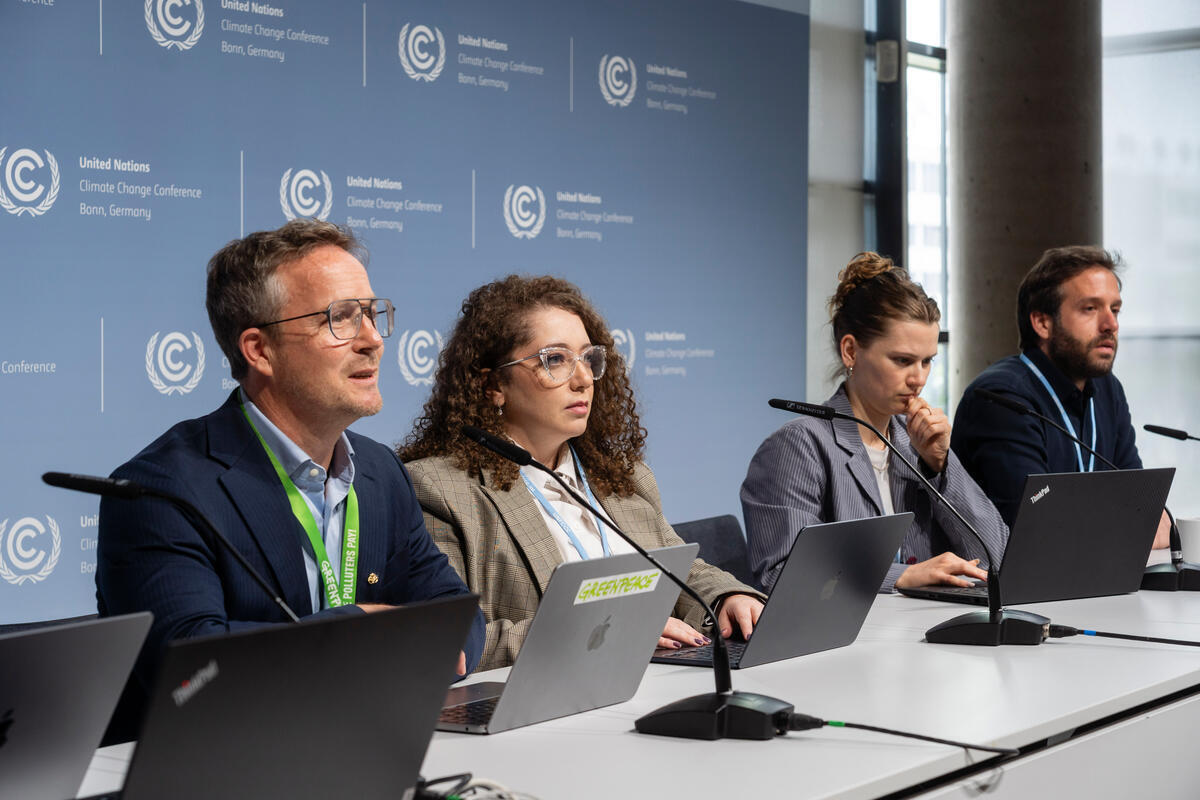
As chair of the Alliance of Small Island States (AOSIS), Palau will play a major role this year in carrying forward the collective power of the Pacific in global climate negotiations. AOSIS is an important negotiating bloc within the UN, comprising Pacific, Caribbean and Indian Ocean Island states. At last year’s crucial round of UN climate negotiations (COP30) in Belém, AOSIS forced nations to reckon with the gaping chasm between current global commitments and what the science tells us is necessary to limit warming to 1.5ºC.
While Australia and the Pacific may have lost out to Türkiye in their bid to physically host COP31, they have retained the important role of President of Negotiations. This means responsibility for setting agendas and drafting decisions. Chris Bowen, Australia’s Minister for Climate and Energy, has committed to approach this role as a partnership with the Pacific, per the original vision for COP31. Leadership from Palau, the Pacific, and AOSIS will be crucial to ensuring a suitably ambitious vision and objectives, including advancing work on the transition away from fossil fuels.
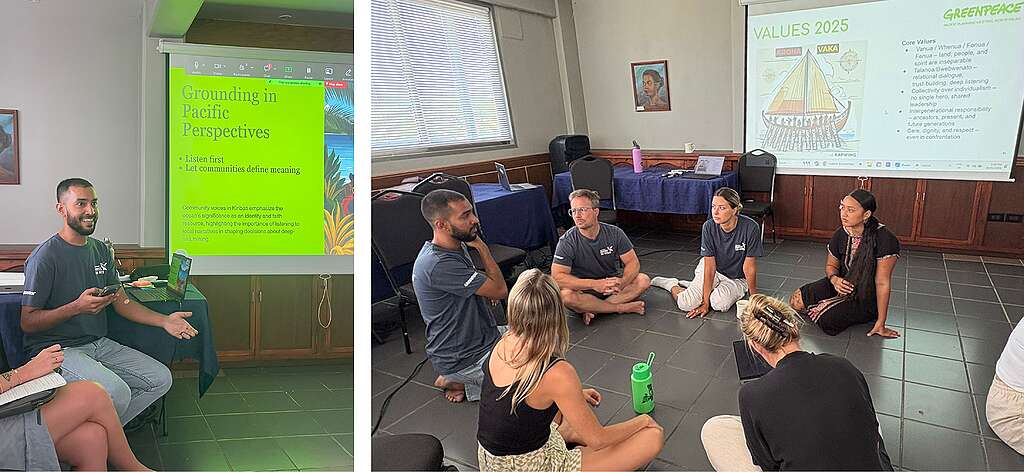
R: Greenpeace Australia Pacific staff workshopping campaign tactics for 2026.
Importantly, Palau is also one of the strongest opponents of deep sea mining. It has used international platforms including the UN Oceans Conference and the International Seabed Authority to champion a global moratorium, citing risks to ocean biodiversity, the rights of Pacific peoples, and their deep spiritual connection to the ocean.
Pulse of the Planet
“If the Amazon is the lungs of the planet, the Pacific Ocean is its pulse.”
– Joe Aitaro, climate change negotiator for Palau
In Palau we learned how Pacific climate leadership is grounded in Pacific culture and values, in deep connections to ancestral land and seas, and in Talanoa – a process of inclusive, heart-centred dialogue and storytelling that builds trust and empathy.
We also learned about Vā – another beautiful Pacific concept, and one that captures the relational space or interconnectedness between all things. People, communities, ecosystems, and the forces that sustain them, are all bound together in a sacred balance. One that is nurtured through tradition, language, family and cultural practices.
Talanoa and Vā are fundamental to understanding how Pacific peoples see and approach the climate crisis. For the Pacific, climate change is about more than the economic costs of disasters and the threats to livelihoods and security. Rather, it threatens something far more fundamental – a rupture of Vā.
By forcing people from their homes, it threatens to sever the deeply rooted relationships between people and their land and oceans. In this context, the fight for climate justice is about maintaining continuity of culture and connections to place, and the balance of the natural world upon which we all depend. It begins with actively nurturing Vā through building community and strengthening relationships between people, generations, nations and the ocean.
When Joe Aitaro spoke of the ocean as the pulse of the Earth, this was more than just a metaphor. Like the blood in our veins, ocean currents distribute nutrients, oxygen and heat around the planet. Without this planetary pulse, life simply would not exist. Yet climate change is profoundly changing our ocean, threatening all life and community as we know it.
Fighting climate change the Pacific way
Climate change is a global and cross-cultural challenge. One that requires us to work together despite our differences and individual interests. Talanoa, which is grounded in openness, respect and shared humanity, offers us a method. One that, following Fiji’s Presidency of COP23 in 2017, is now firmly embedded in global climate diplomacy.
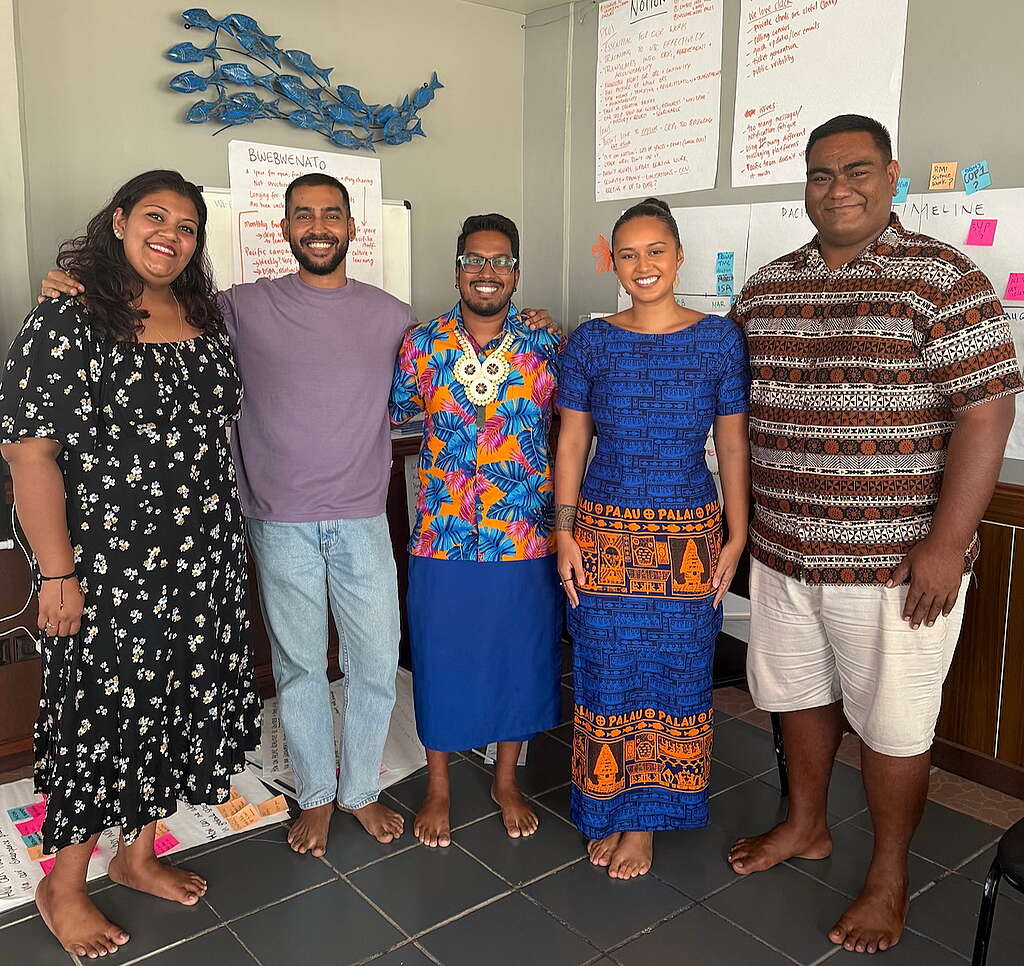
If you follow action on climate change, then you will have witnessed the incredible resolve and strength of Pacific peoples, despite the forces they are up against. It is a persistence that has led to remarkable breakthroughs, and to which the world owes an immense debt of gratitude. Sitting and listening to our Pacific team share their culture and what motivates them, and talk about Vā and Talanoa, is to glimpse into the deep well of strength and wisdom that underpins this resolve.
Put simply, Pacific climate leadership rests on a deep understanding of how the world works and what is at stake, in values that bind all in a shared purpose, and in a collective power that spans generations and this vast oceanic continent.
All in the same canoe
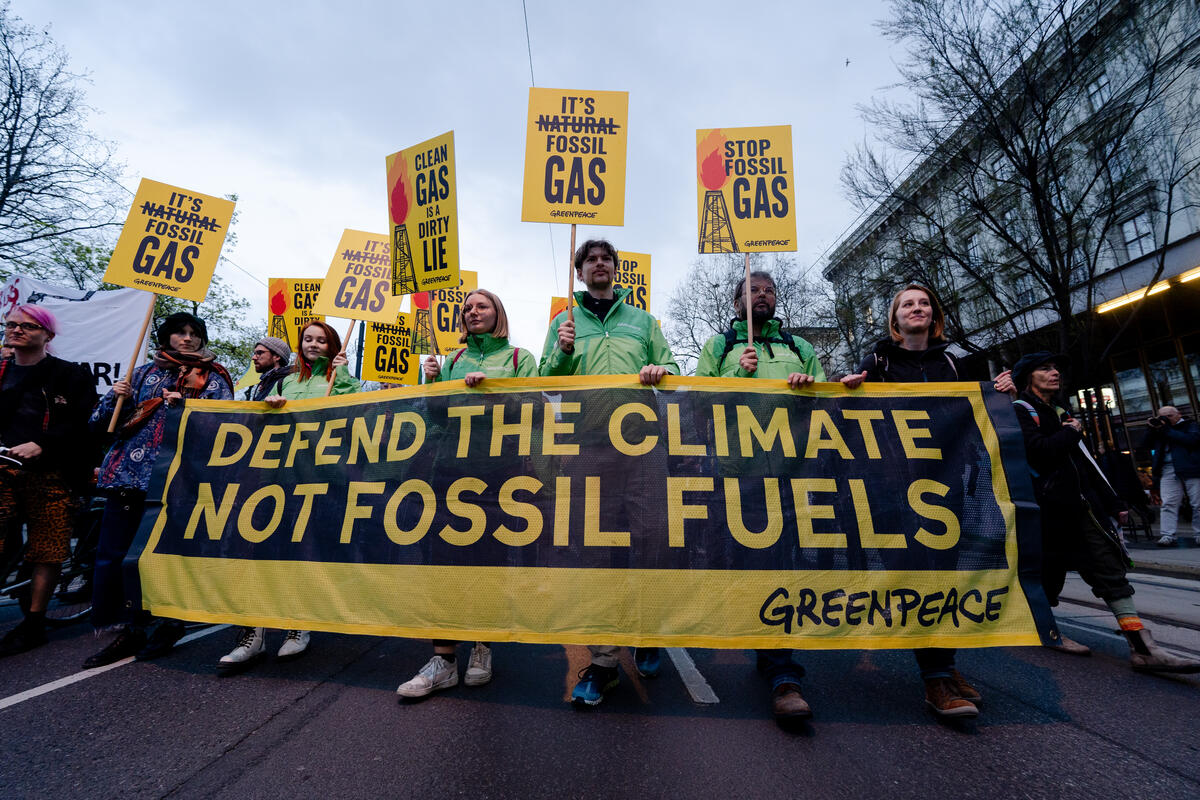
2026 will be a critical year in the fight for a fair, fast phase out of fossil fuels.
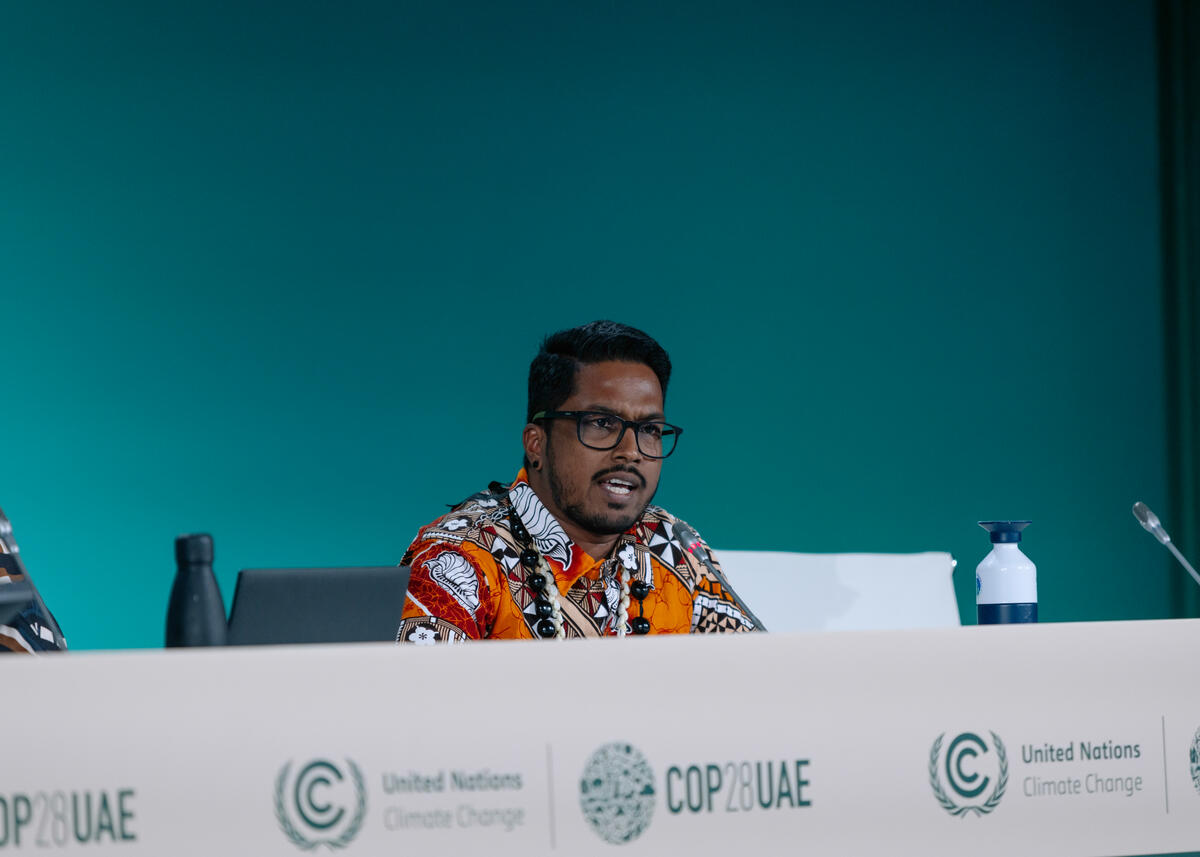
In 2023, at COP28 in Dubai, and following another determined push by the Pacific, the world finally agreed to “transition away from fossil fuels”. The problem? Since then, fossil fuel consumption has only increased, pushing global climate pollution to new highs and unleashing even more destruction.
Last year, at COP30 in Belém, a handful of petrostates blocked any agreement to develop a concrete roadmap away from fossil fuels. It has fallen instead to a coalition of likeminded nations to take forward this vital work. At the end of April, around 60 Governments, including those of many Pacific Island countries, will meet in Santa Marta, Colombia, for the First International Conference on the Just Transition Away from Fossil Fuels. This is expected to be followed later in the year or in 2027 by a further conference in the Pacific.
Come October, and the Pacific will be hosting the annual pre-COP gathering. This is a key agenda-setting moment ahead of the COP, and the opportunity to ensure that long-standing Pacific priorities including the phase out of fossil fuels are high on the agenda for COP31. Expect Pacific power to be on full display as governments and communities from across the region converge to continue the fight for climate and ocean justice.
Meanwhile, the fight to protect our ocean from deep sea mining has taken on a new urgency as Trump threatens to open US waters to mining activities, and even to bypass the International Seabed Authority and start mining in international waters. Our team will be working to ensure a united pan-Pacific opposition to this destructive practice, and that deep sea mining is stopped before it is started.
Greenpeace Australia Pacific will be there at every step, working with our local partners to amplify Pacific power and hold big polluters and corporations accountable.
It is about more than showing up in the negotiating rooms. It is about listening to communities and using storytelling to build community power and drive real, durable change from the local to the global. It is about using Talanoa to broker trust and develop shared solutions. It is about nurturing Vā, and drawing on deep cultural wisdom and ancestral strength to build a more just and sustainable for all.
Stay tuned for updates as we continue this voyage together.