
All articles
-

Major parties must reject Trump’s dangerous plans to mine the Pacific deep sea
SYDNEY, Wednesday 30 April 2025 — Ahead of the Federal Election, Greenpeace Australia Pacific is calling on all parties to support a moratorium on deep sea mining, with news today…
-

Meet 6 Marshallese women activists who are changing the world
Across cultures and religions, there are various stories of creation and beginnings. In the Marshall Islands, creation began with three sisters: Liwatuonmour, Lidepdepju, and Lijileijet. Traveling on a canoe from the…
-
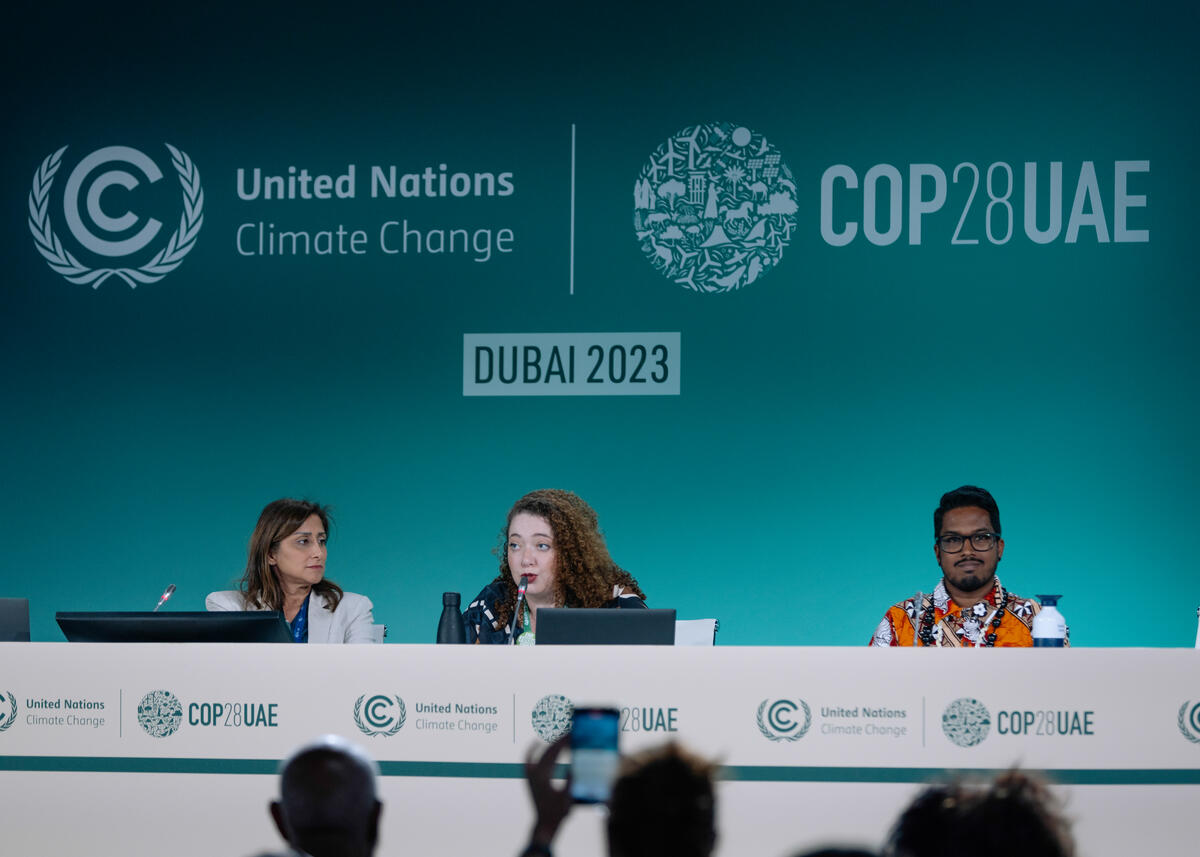
Hosting COP31: A critical opportunity for Australia and the Pacific
Liberal Party leader Peter Dutton has called the prospect of co-hosting COP31 “madness,” Labor Energy Minister Chris Bowen has called it “a great opportunity.” But what even is COP31, and…
-
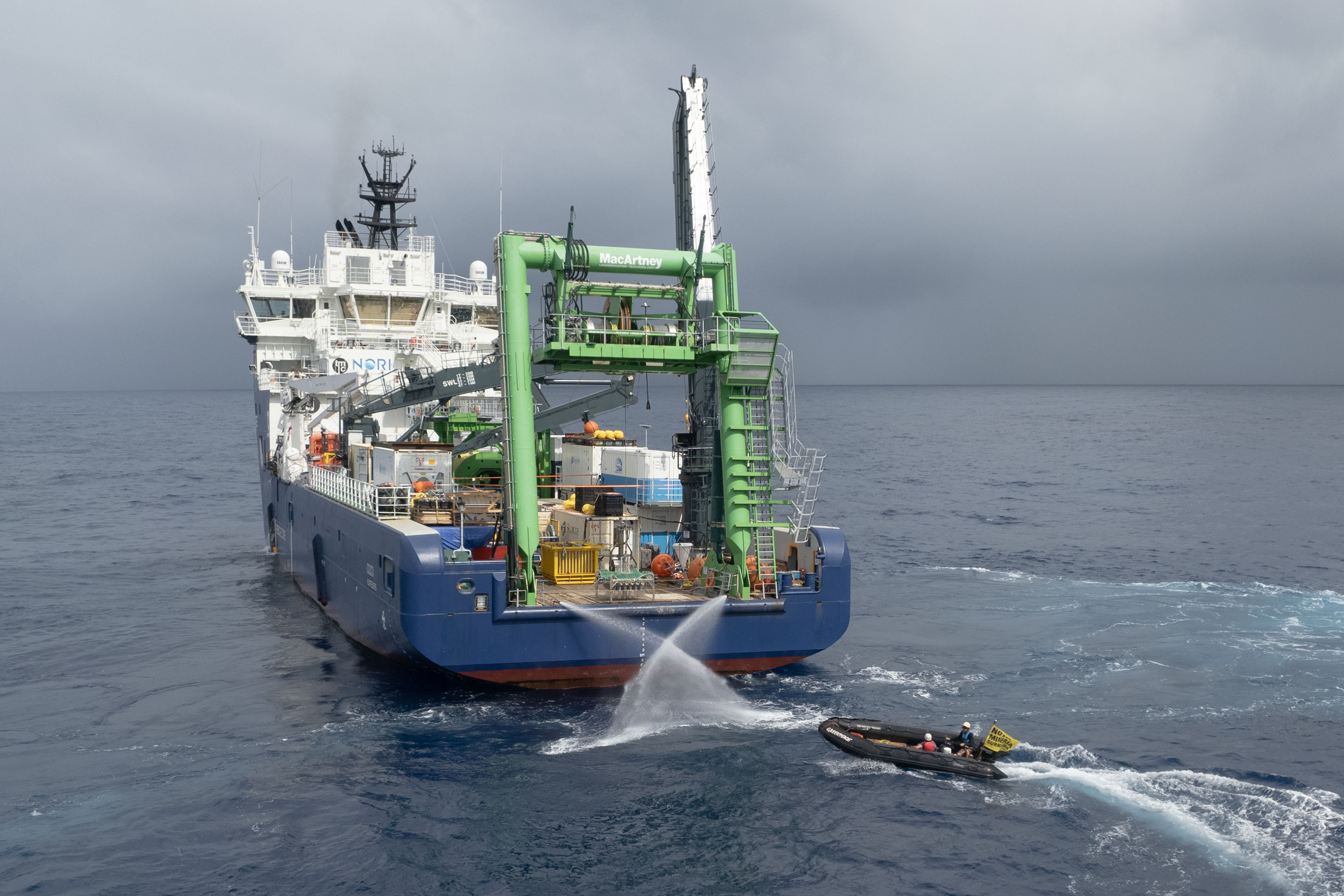
“Greedy, dangerous and desperate”: deep sea mining frontrunner turns back on Pacific for mining approval
SYDNEY, Friday 28 March 2025 — Greenpeace has slammed deep sea mining frontrunner The Metals Company (TMC) as ‘greedy, dangerous and desperate’ after it announced plans to bypass procedure at…
-
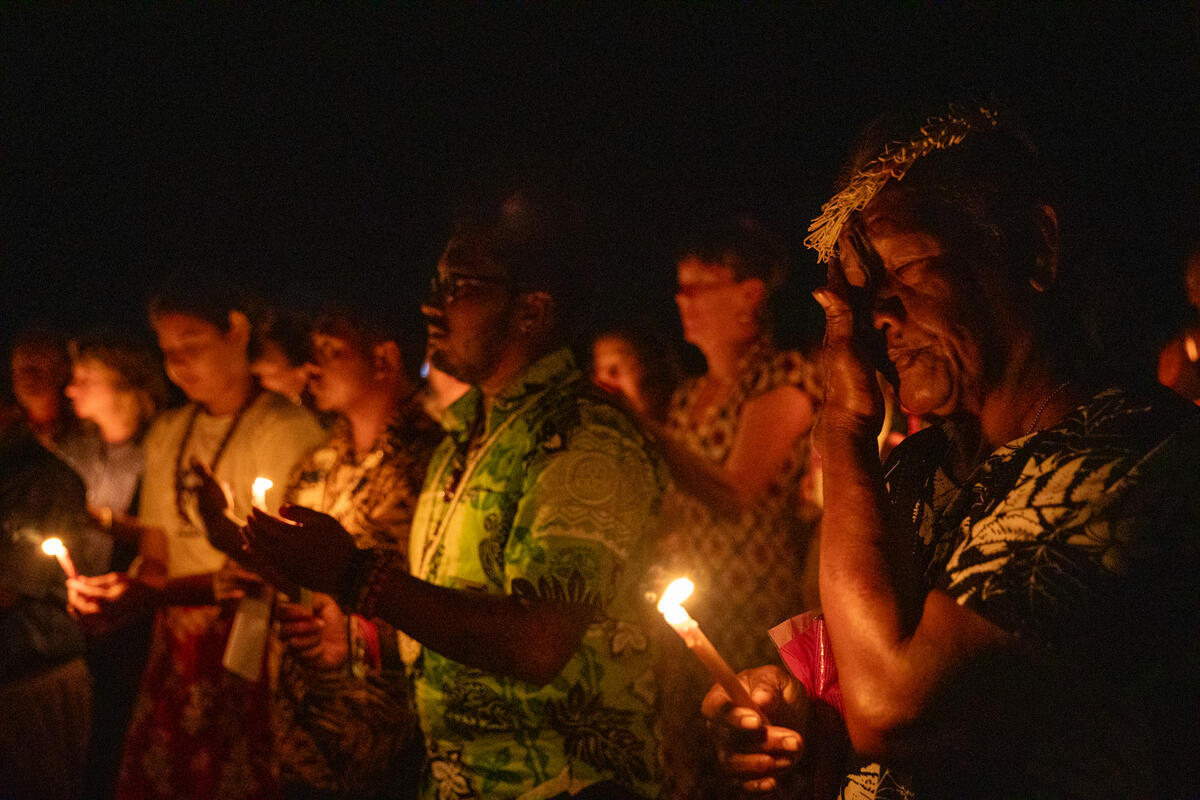
40 years since evacuation due to US nuclear tests, Greenpeace and displaced Rongelap community honour commitment to nuclear and climate justice fight
MEJATTO, MARSHALL ISLANDS, Thursday 27 March 2025 — Forty years since the Greenpeace ship the Rainbow Warrior evacuated the people of Rongelap Island to Mejatto due to decades of US government…
-

“We are not just welcoming you as allies, but as family” – Why The Rainbow Warrior is back to Marshall Islands 40 years later
Family isn’t just about blood—it’s about standing together through the toughest of times.
-
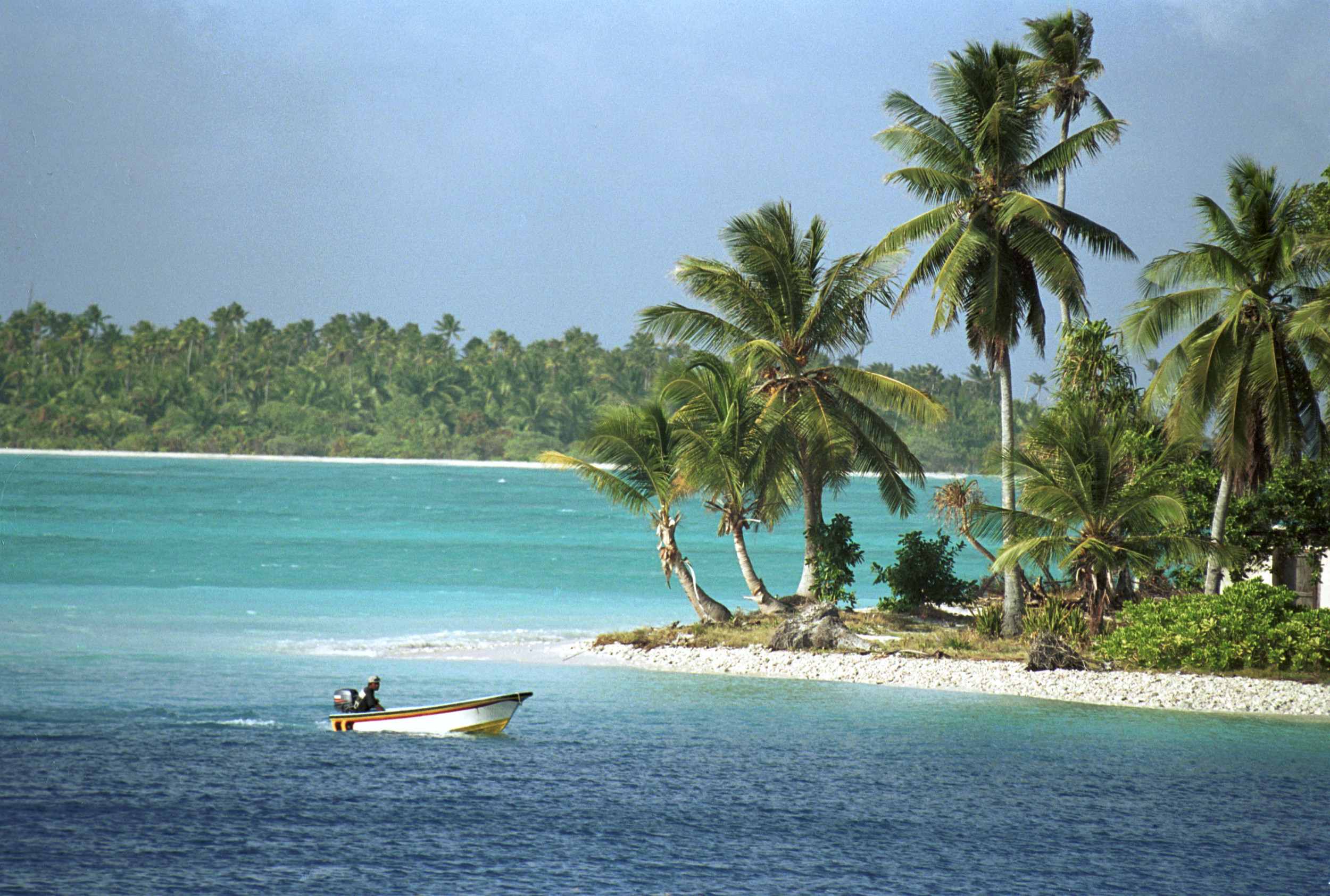
“A watch-and-learn moment”: Marshall Islands ratifies historic UN ocean treaty
SYDNEY/MAJURO, Friday 14 March 2025 — The Republic of Marshall Islands has become one of the first Pacific nations to ratify the historic Global Ocean Treaty, sending a powerful message…
-
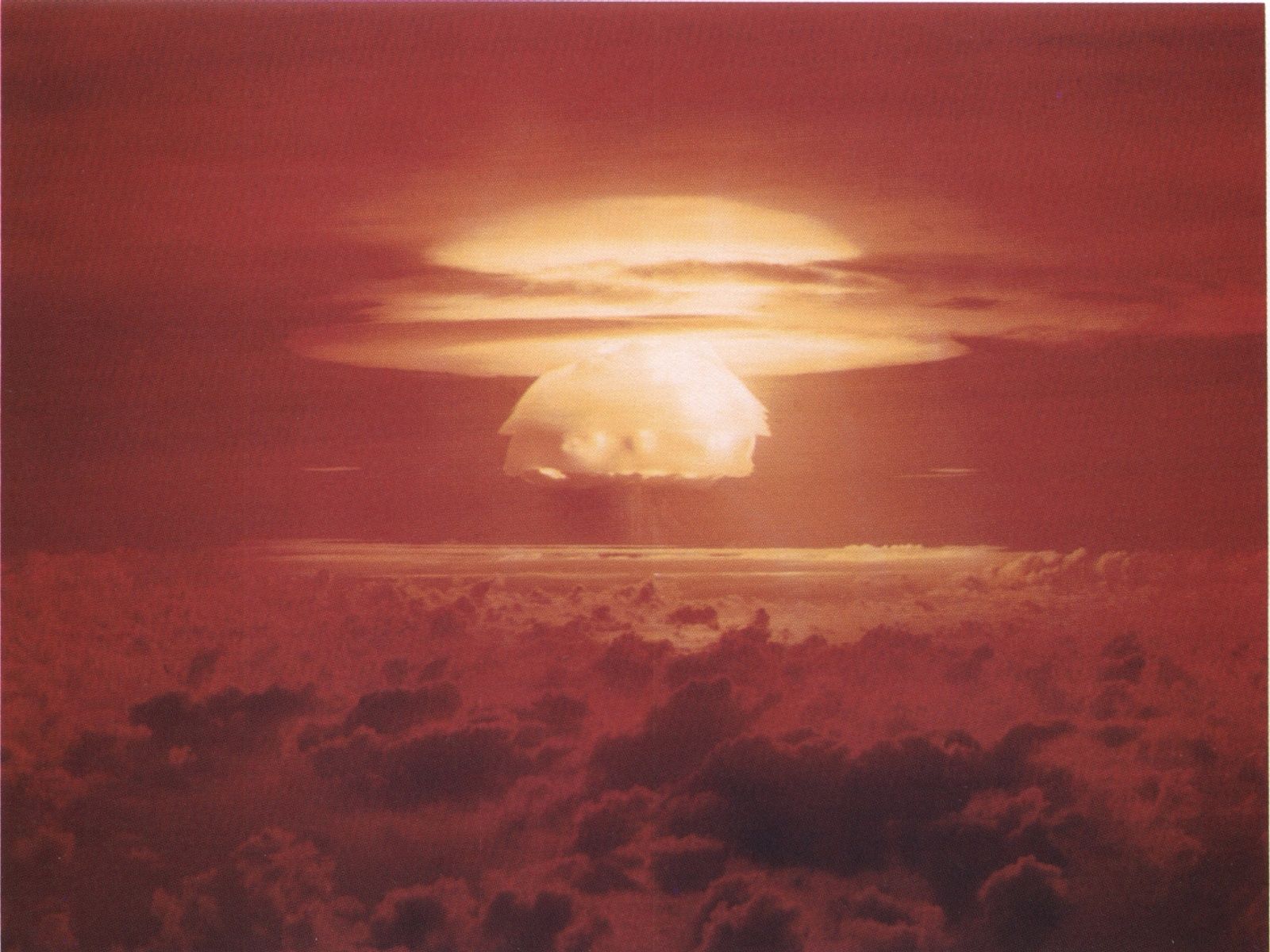
‘Warriors for Justice’: On anniversary of Castle Bravo nuclear test, Greenpeace calls for justice and reparations from United States
SYDNEY/MAJURO, MARSHALL ISLANDS, Saturday 1 March 2025 — 71 years since the most powerful nuclear weapons tests ever conducted were unleashed across the Marshall Islands by the United States, Greenpeace…
-
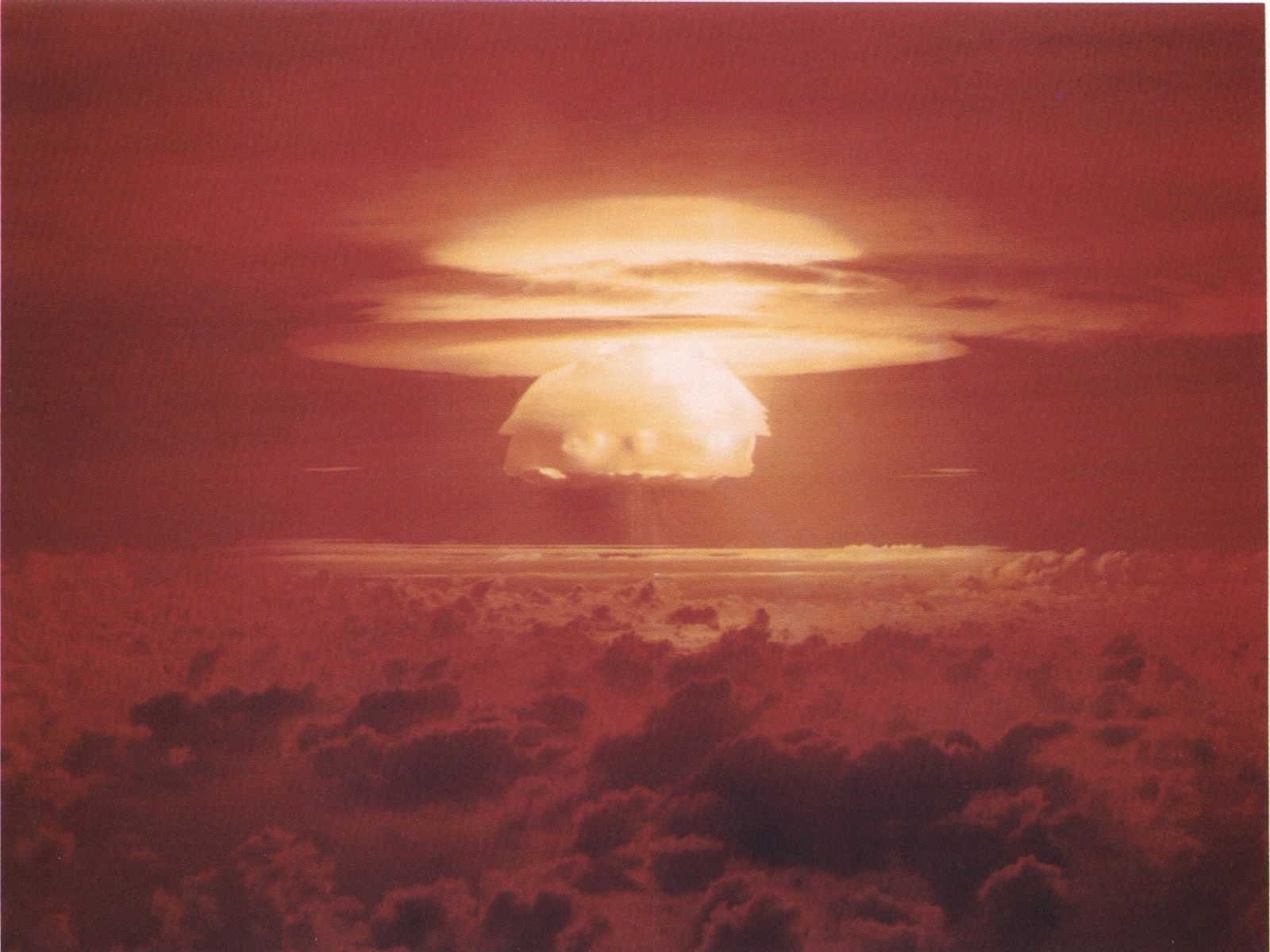
More powerful than Hiroshima: how the largest nuclear weapons test ever built a nation of leaders in the Marshall Islands.
71 years ago, on Bikini Atoll in the Marshall Islands, a nuclear bomb with the codename “Castle Bravo”, exploded with an energy of 15 megatons. The mushroom cloud reached 40…
-
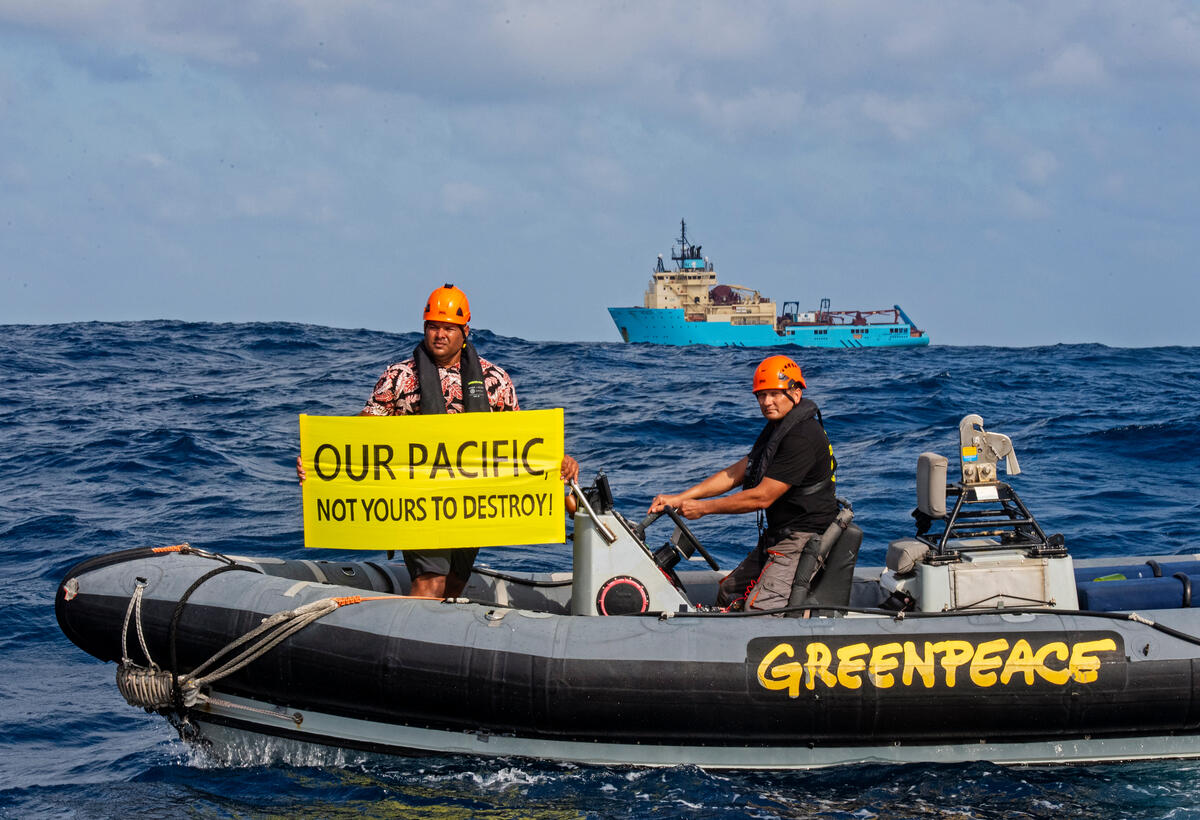
Who would be affected by deep sea mining?
Vulnerable coastal communities, especially in the Global South, , will pay the highest price. Peer-reviewed science shows that deep sea mining is almost certain to cause lasting damage to deep sea ecosystems. This means…