
All articles
-
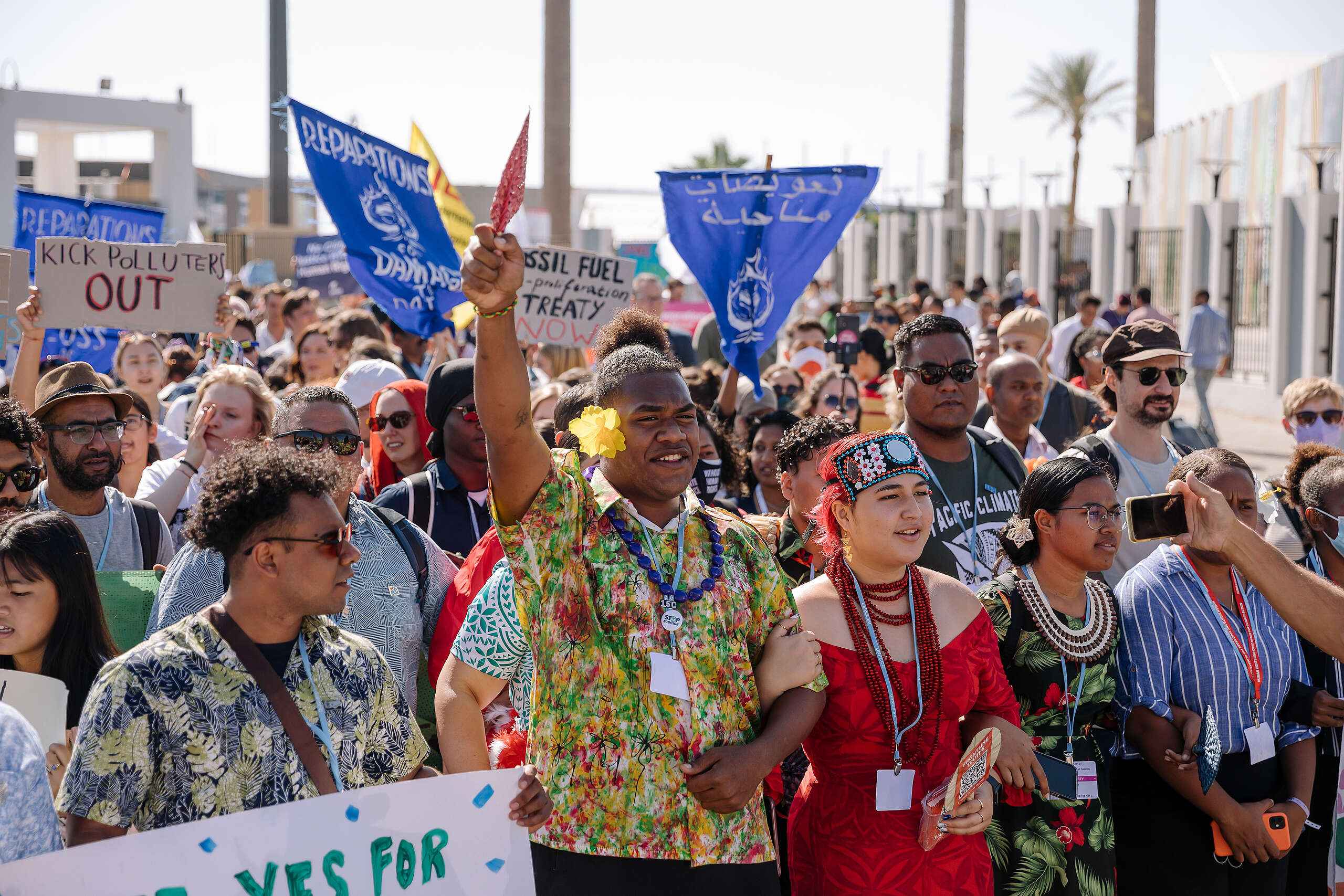
What does the UN’s COP29 climate talks mean for Australia and the Pacific?
As we approach COP29, we stand at a crucial crossroads in taking a stand against climate change. This global gathering presents a vital opportunity for countries to come together, share…
-
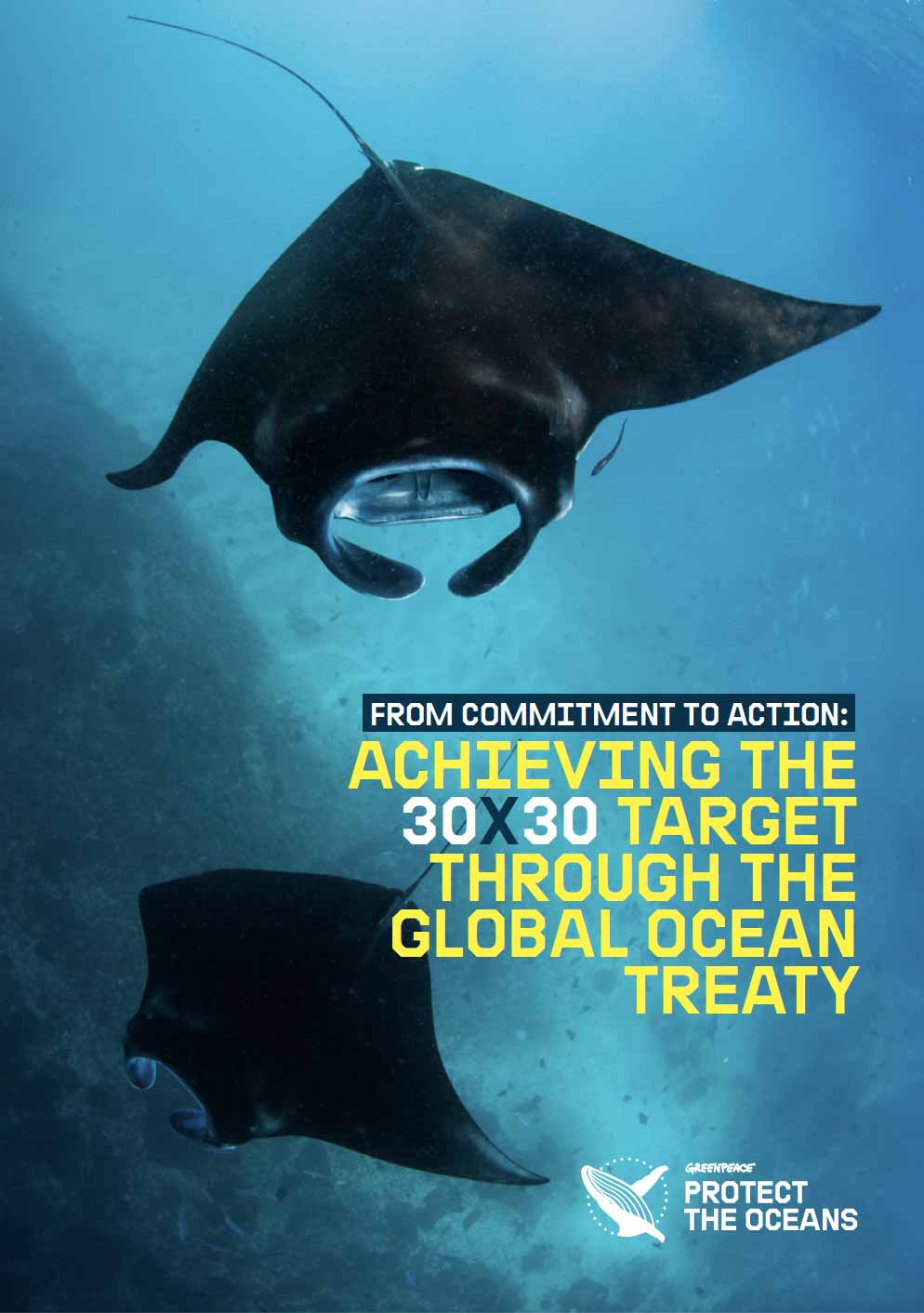
REPORT: From Commitment to Action – Achieving the 30×30 target through the Global Ocean Treaty
In 2022, the 15th Conference of the Parties to the Convention on Biological Diversity (CBD) adopted the Kunming-Montreal Global Biodiversity Framework (GBF), which aims to halt and reverse biodiversity loss.…
-
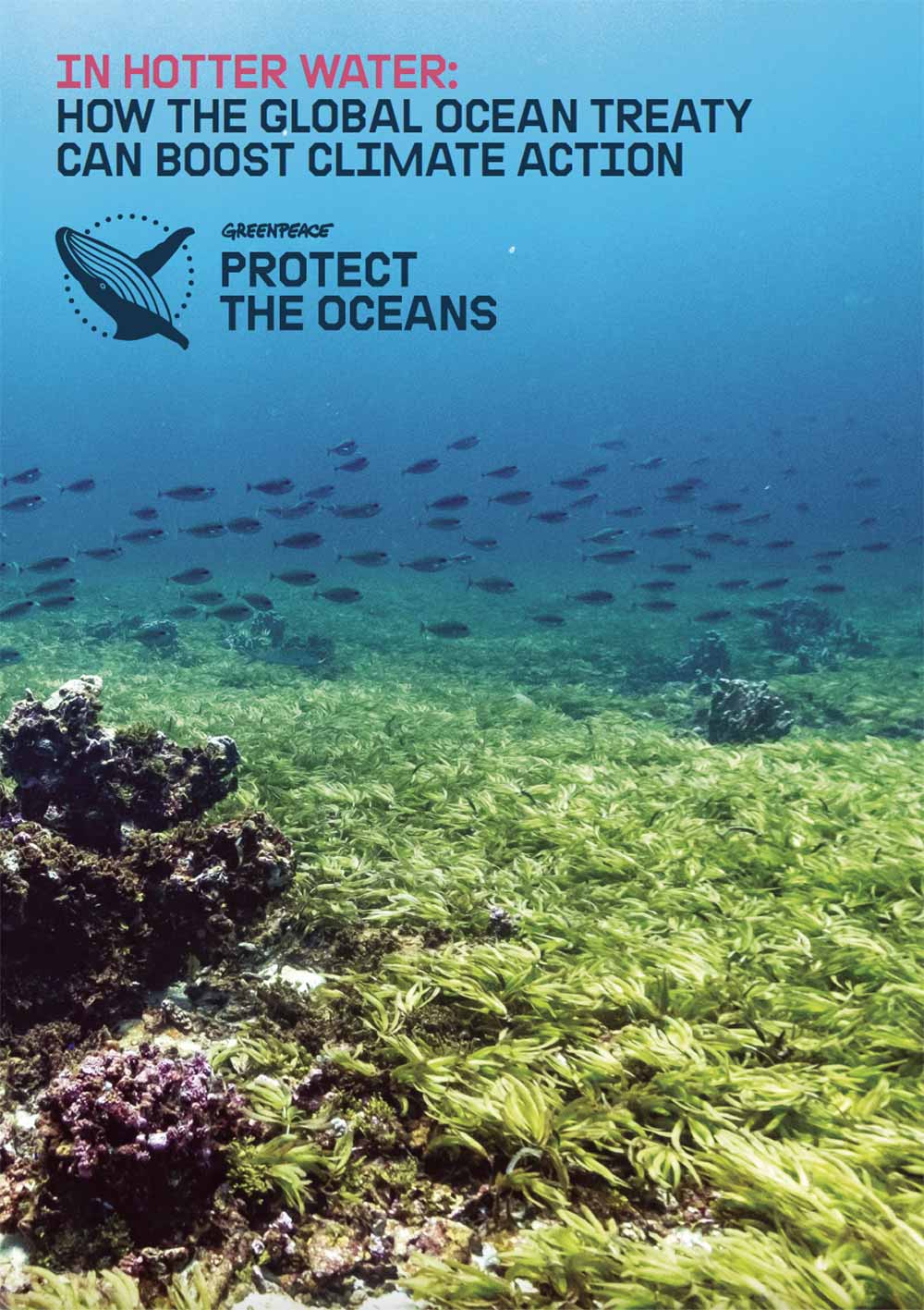
Report: In Hotter Water – How the Global Ocean Treaty can boost climate action
In December 2019, Greenpeace International released 30×30 In Hot Water: The climate crisis and the urgent need for ocean protection. This makes the scientific case for creating a network of marine sanctuaries covering at least 30% of the world’s ocean, both to increase marine life’s resilience to climate change and to help mitigate its effect…
-
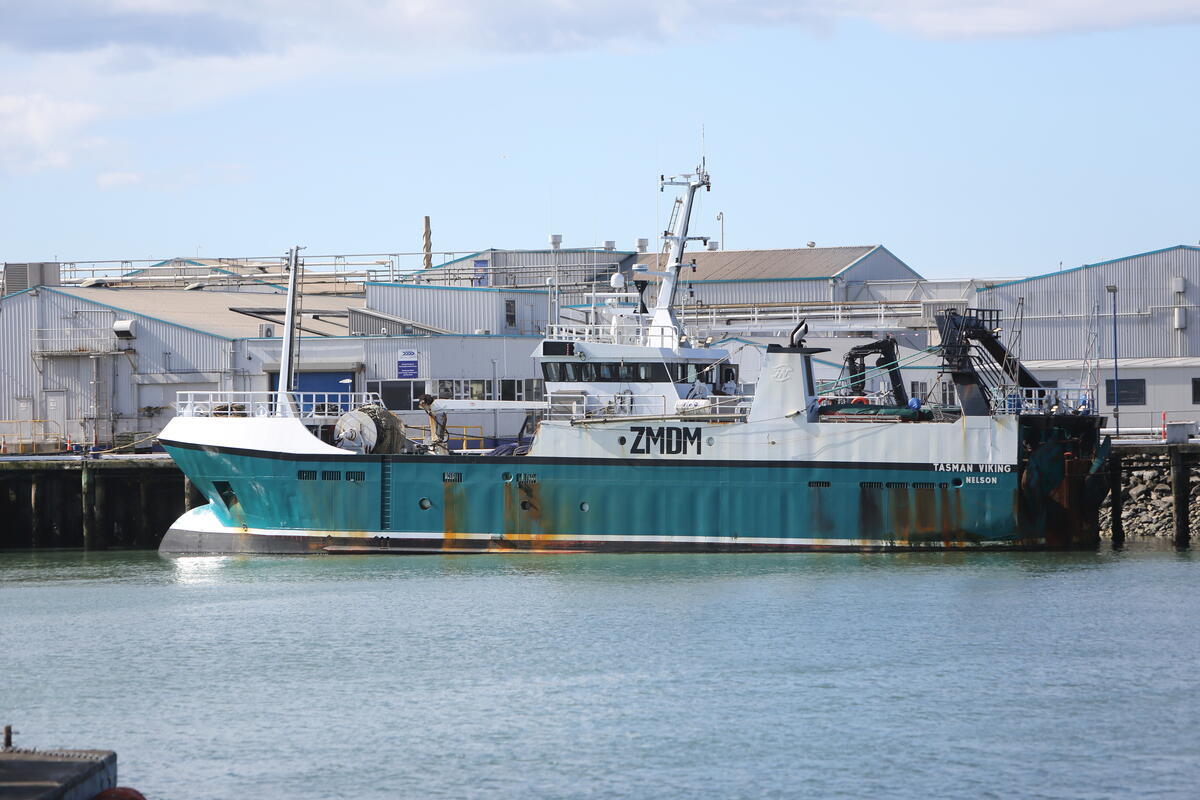
Coral pulled up by NZ trawler “environmental vandalism”, says Greenpeace
SYDNEY, Friday 01 November 2024 – Reports that a New Zealand trawler has destroyed almost 40 kilograms of deep sea corals in a region of the Pacific Ocean earmarked for…
-

What is the UN Biodiversity COP16 and why is it so important for nature and humanity
The 16th UN Biodiversity COP will take place in Cali, Colombia, from 21 October to 1 November 2024. But what exactly is COP16, and why should we care about this gathering of global leaders and civil society organisations?
-
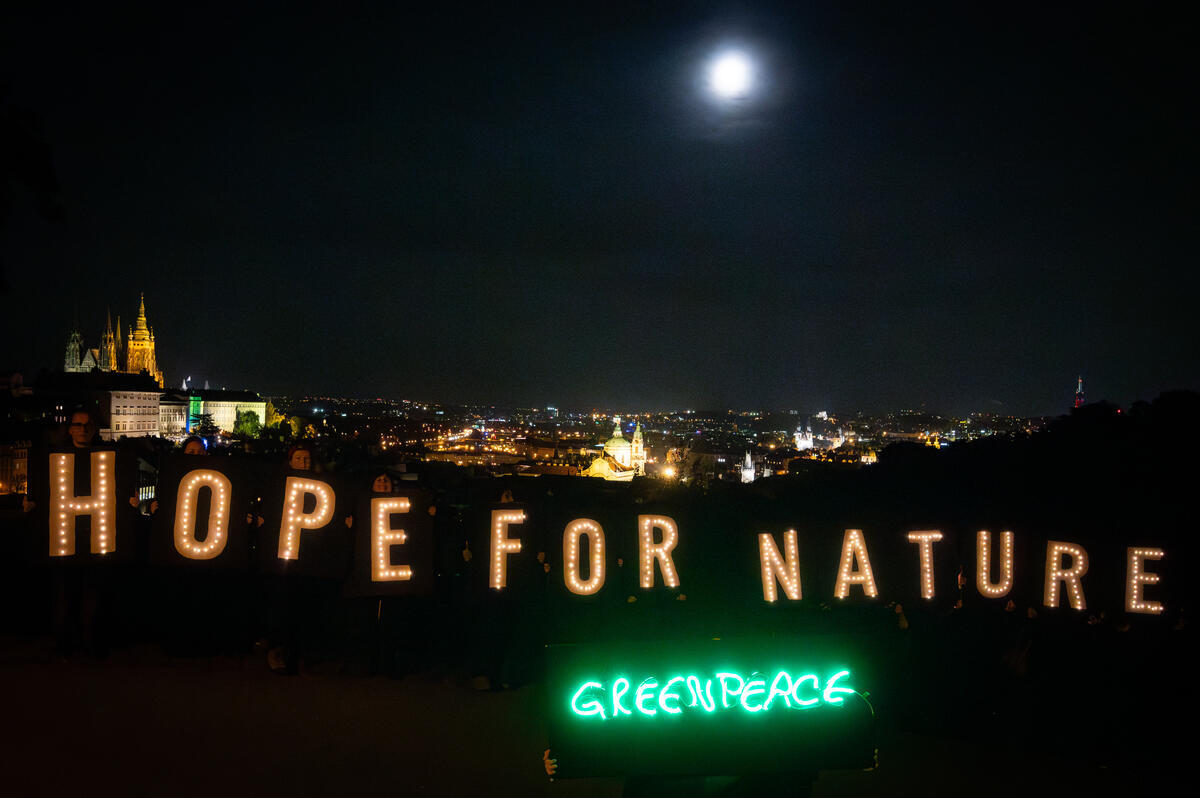
UN biodiversity target set to be missed by eight decades, Greenpeace warns
Cali, Colombia/Sydney, Monday 21 October 2024 – While governments begin talks at the UN Biodiversity COP16 in Cali, Colombia, a Greenpeace International report released today warns that at the current…
-
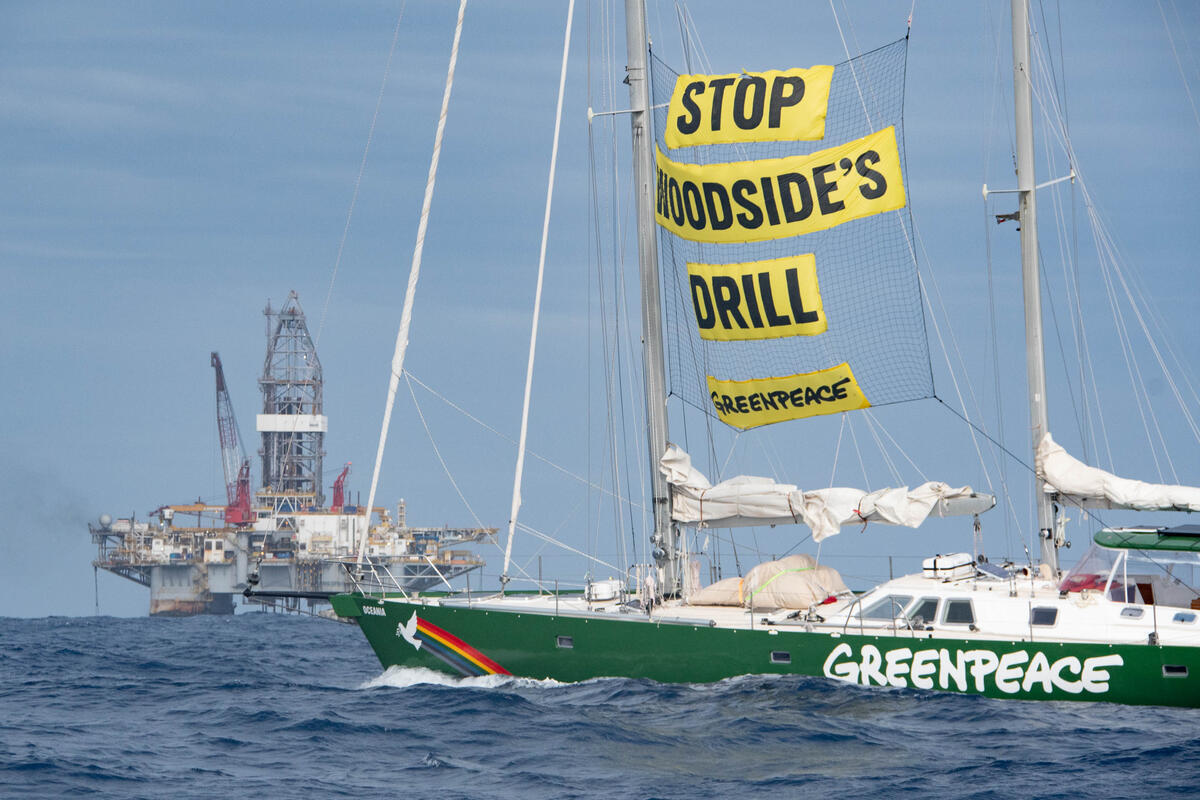
Australian coal, oil and gas companies are making climate change worse
Australia is the world’s third largest fossil fuel exporter, after only Russia and the US. Though often ignored in political discussions, these exports make up a whopping 80% of Australia’s global pollution. And who is responsible for all of those greenhouse gas emissions? A handful of Australian oil and gas companies.
-
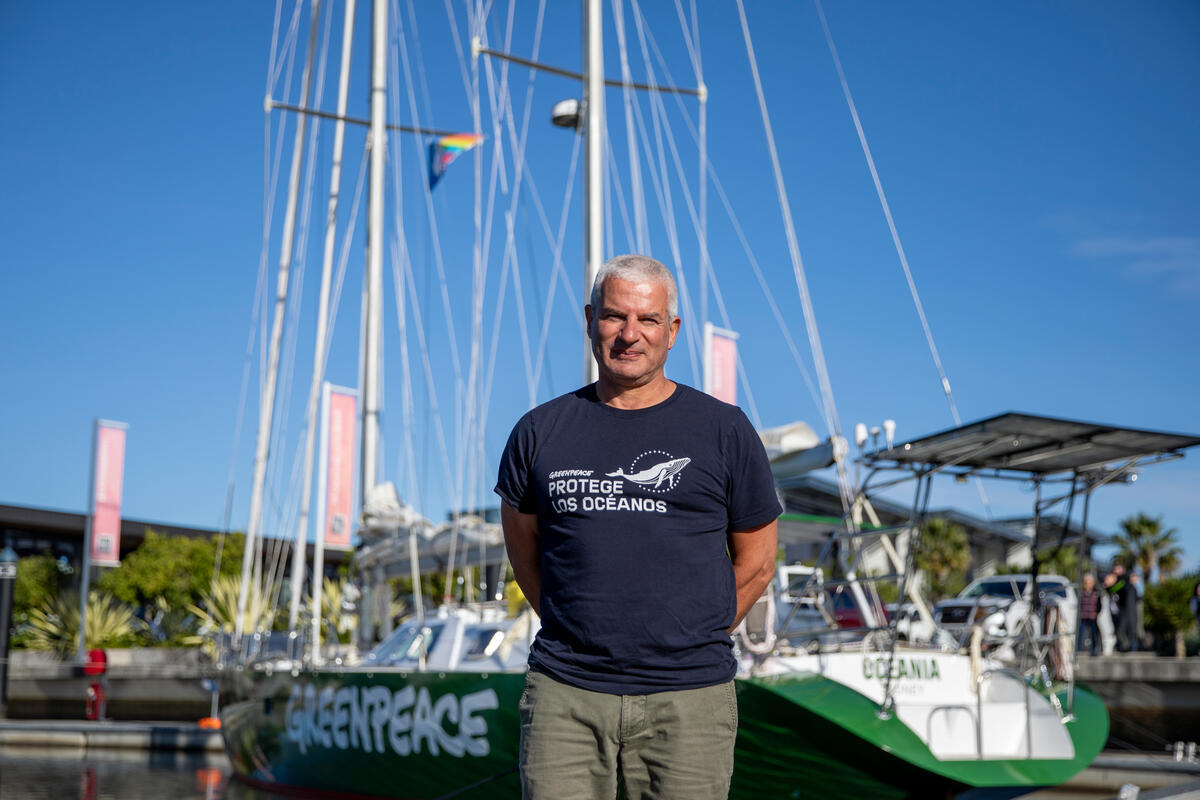
Greenpeace’s Ships at the Frontline of Marine Conservation
Greenpeace has been at the forefront of marine conservation, working on both land and sea. Our ships have been crucial in conducting groundbreaking scientific research and challenging destructive industries in areas proposed for sanctuary status. We have also worked with governments, local communities, and global citizens to amplify the call for ocean protection.
-
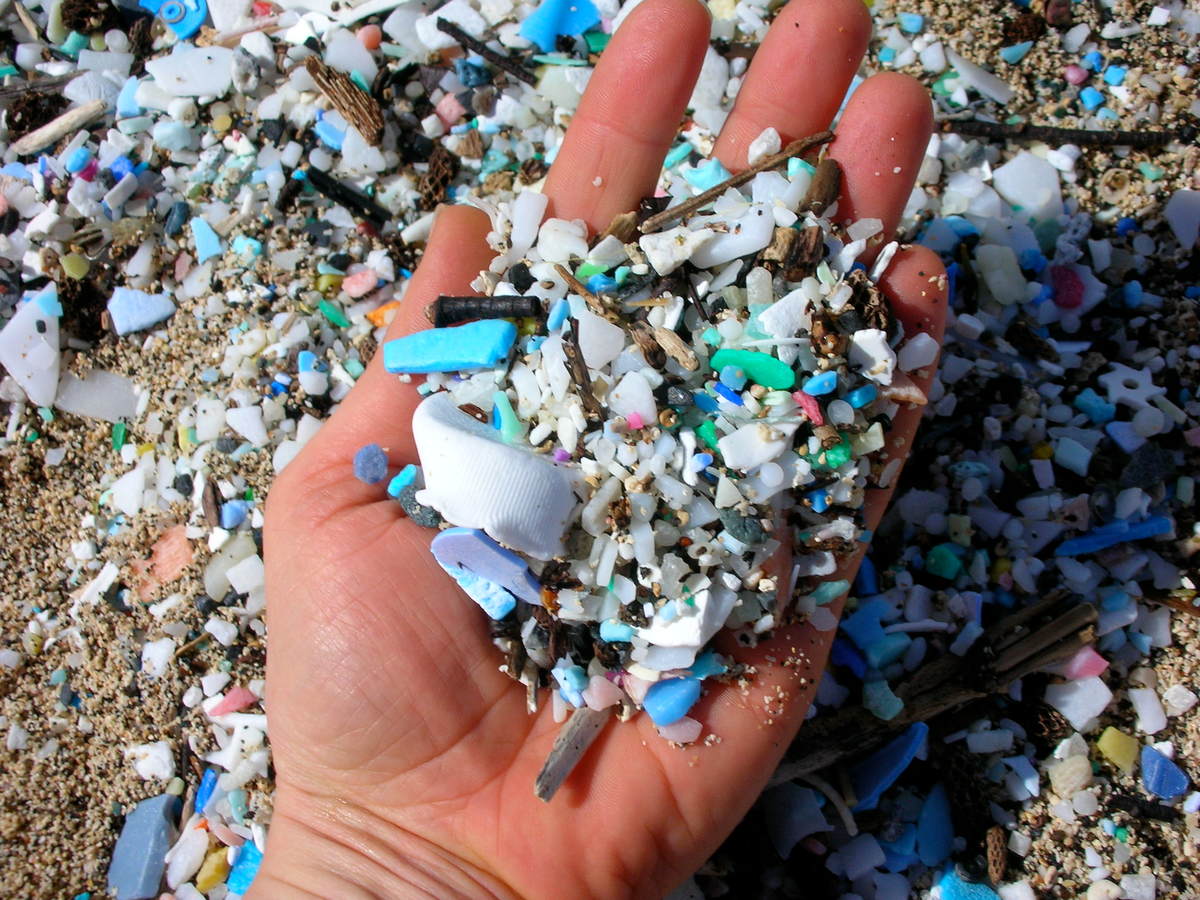
The Alarming Presence of Microplastics and Plastic in the Human Body
Plastic waste isn’t just found in our oceans and woodlands, our bodies are now contaminated with plastic too. It’s very literally in us.
-
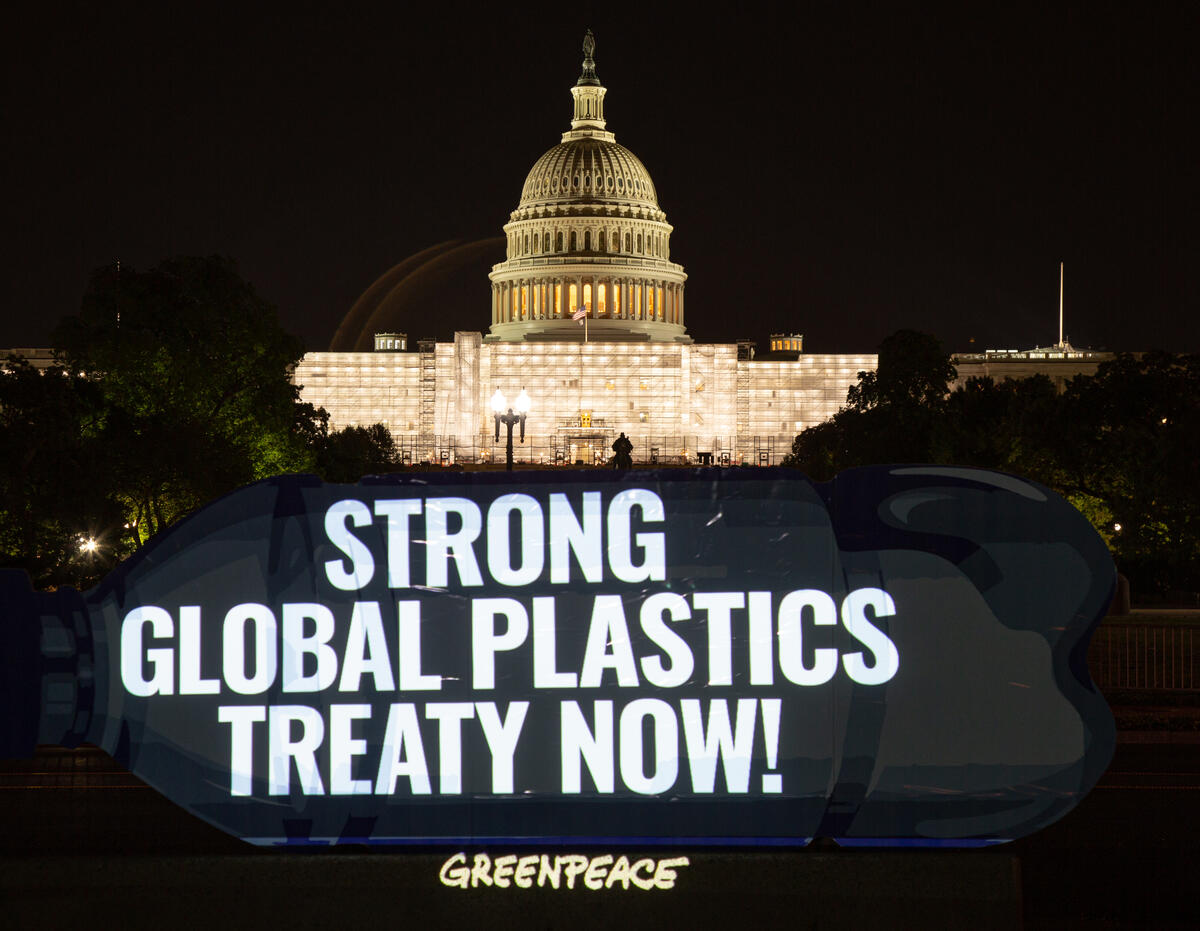
Greenpeace’s demands for the Global Plastics Treaty
The Global Plastics Treaty is a once-in-a-generation opportunity to solve the plastics crisis. For the sake of our collective future, we cannot waste this moment.