-
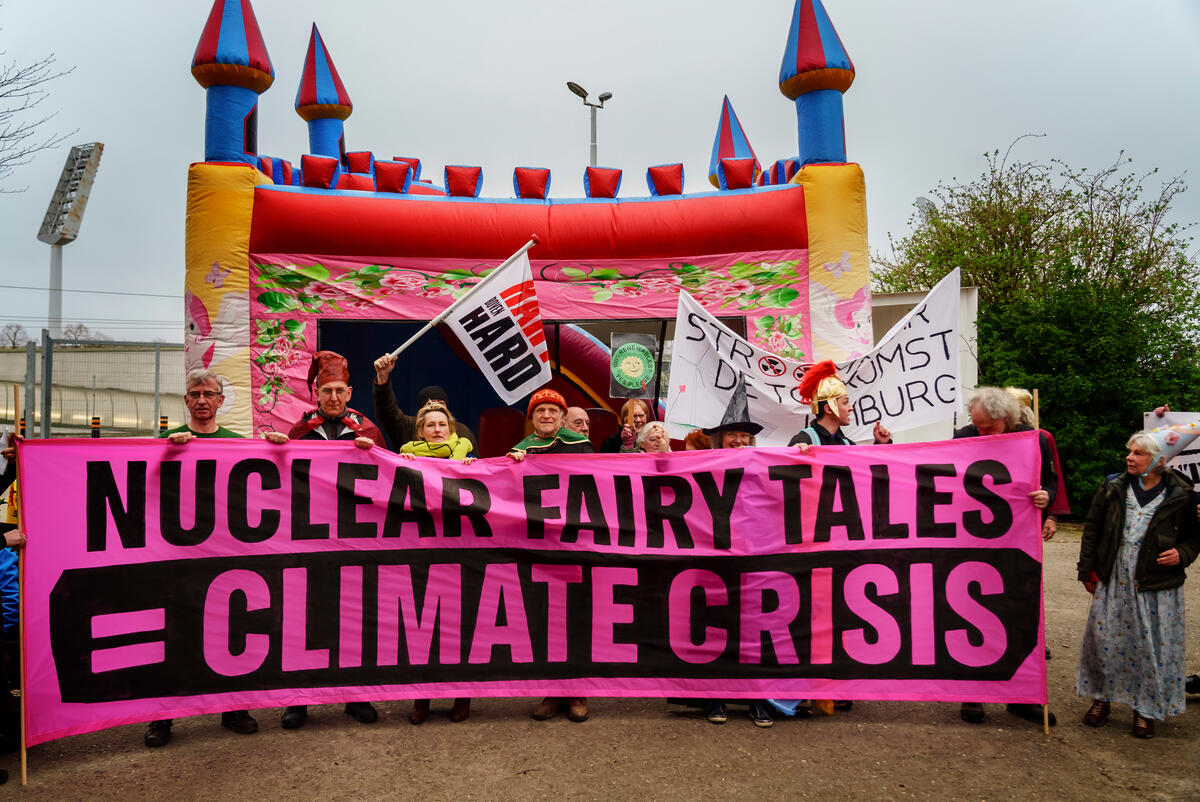
Too slow, too risky, too impractical: Interim report pans nuclear
SYDNEY, 26 February 2025: Greenpeace Australia Pacific has welcomed findings by an interim senate report that “there is limited utility in pursuing nuclear power at this point”, and called for…
-
Greenpeace organisations begin trial defense against Energy Transfer’s SLAPP
Mandan, North Dakota — Ten years after the world watched the Indigenous-led protests at the Dakota Access Pipeline unfold, representatives from Greenpeace International (GPI) and two Greenpeace entities in the…
-

This anglerfish captured hearts across the world, but the future of her species hangs in the balance
Emerging from the abyssal depths into the realm of humans, the rare black seadevil swims toward the light of the world above. The anglerfish’s usual home is in the deep sea, up to 1,500 metres below the water's surface, where the sun doesn't reach. The viral footage of her ascent sent the world into a…
-

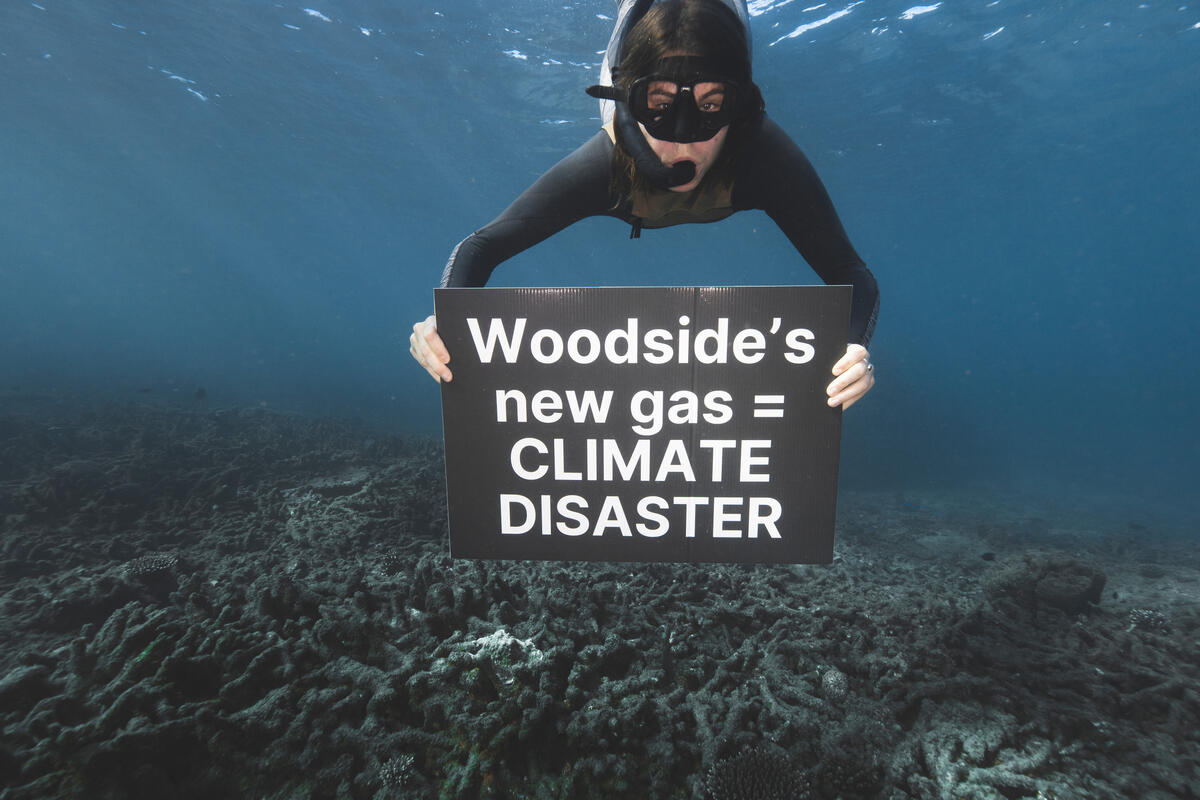
‘Drill Baby, Drill’: Report shows Woodside hell-bent on profit while people and nature pay the price
SYDNEY/PERTH, Tuesday 25 February 2025 — Greenpeace Australia Pacific has condemned gas corporation Woodside’s annual earnings announcement today, saying its billion dollar profits come at the expense of Australian communities…
-
‘No going back’: Greenpeace applauds Albanese gov’s investment in green industry and jobs
SYDNEY, Thursday 20 February 2025 – Greenpeace Australia Pacific has welcomed the Albanese government’s announcement of a new Green Iron Fund in Whyalla today, a move it says will support…
-
Environment Minister must thoroughly assess impacts of Woodside’s North West Shelf gas project
PERTH, Wednesday 19 February 2025 — In response to the news that federal assessment of Woodside’s North West Shelf gas project will be delayed, the following statement can be attributed…
-
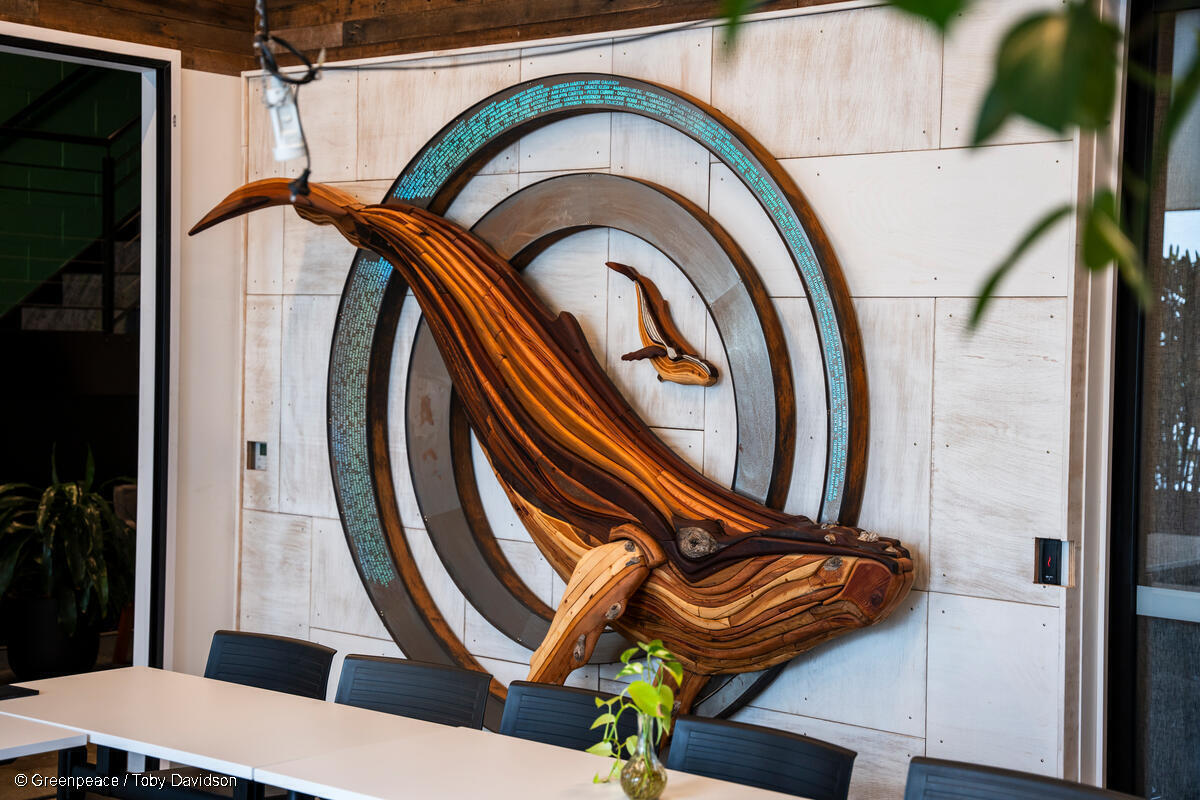
Touch has a memory
As a poet once wrote, touch has a memory. To know touch is to have lived.
-
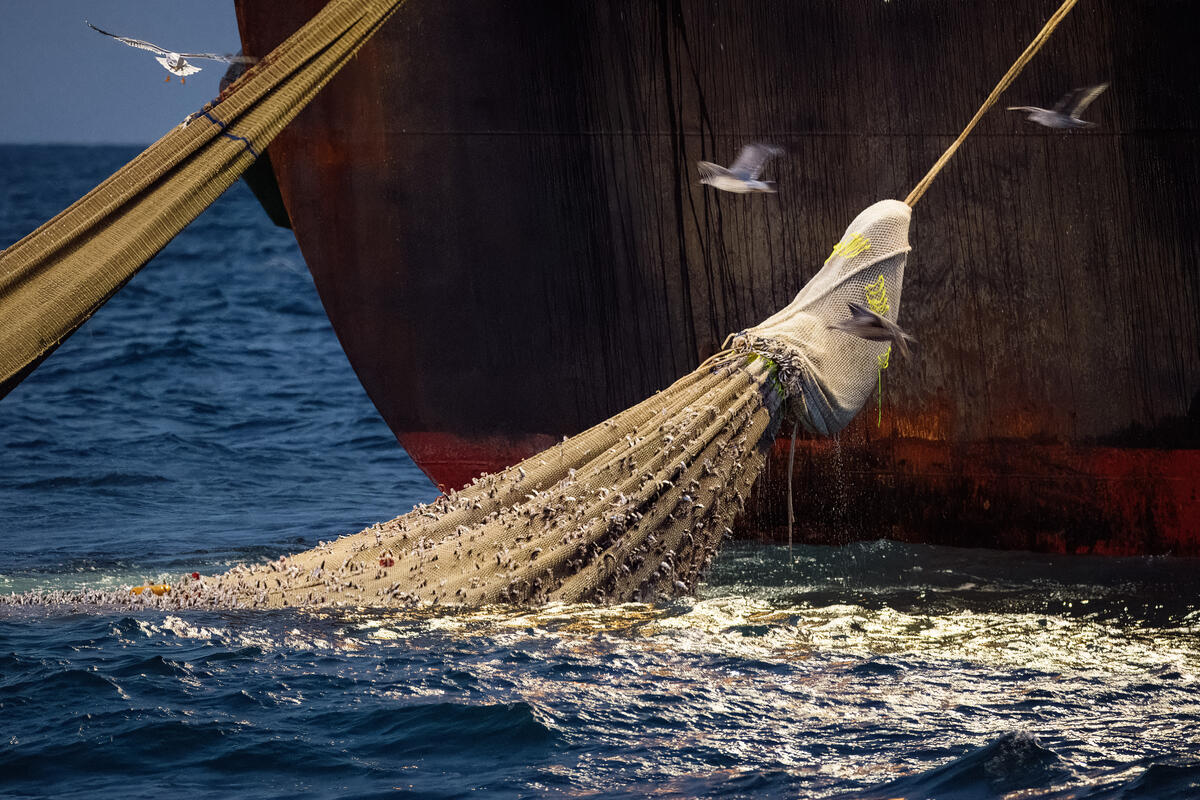
What is Bottom Trawling?
Bottom trawling is a commercial fishing method that involves dragging heavy, weighted nets across the ocean floor to catch large quantities of fish in a single pass. This fishing technique…
-
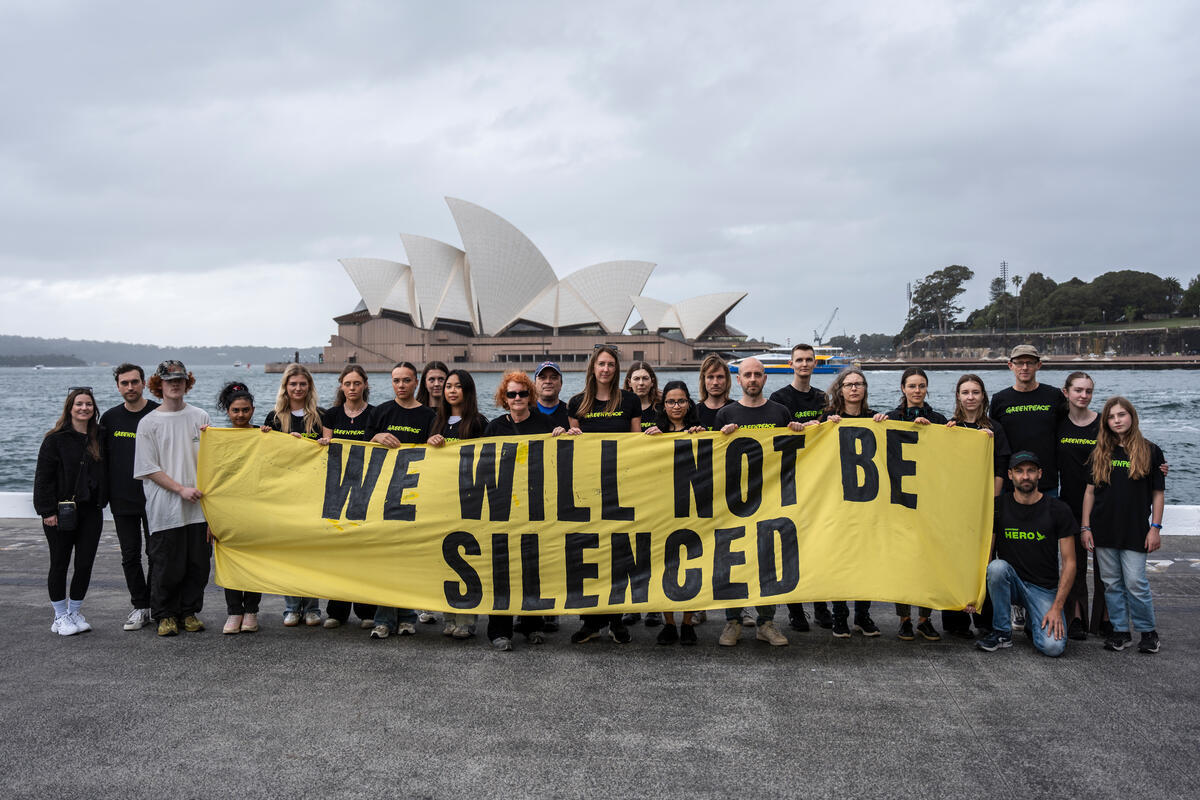
‘Silencing our voices’: Greenpeace Australia Pacific slams charity restrictions in electoral reform
CANBERRA, 12 FEB 2025—Greenpeace Australia Pacific has warned that the Electoral Reform Bill that has just passed the Parliament contains a restriction that will severely curtail the ability of charities…
-
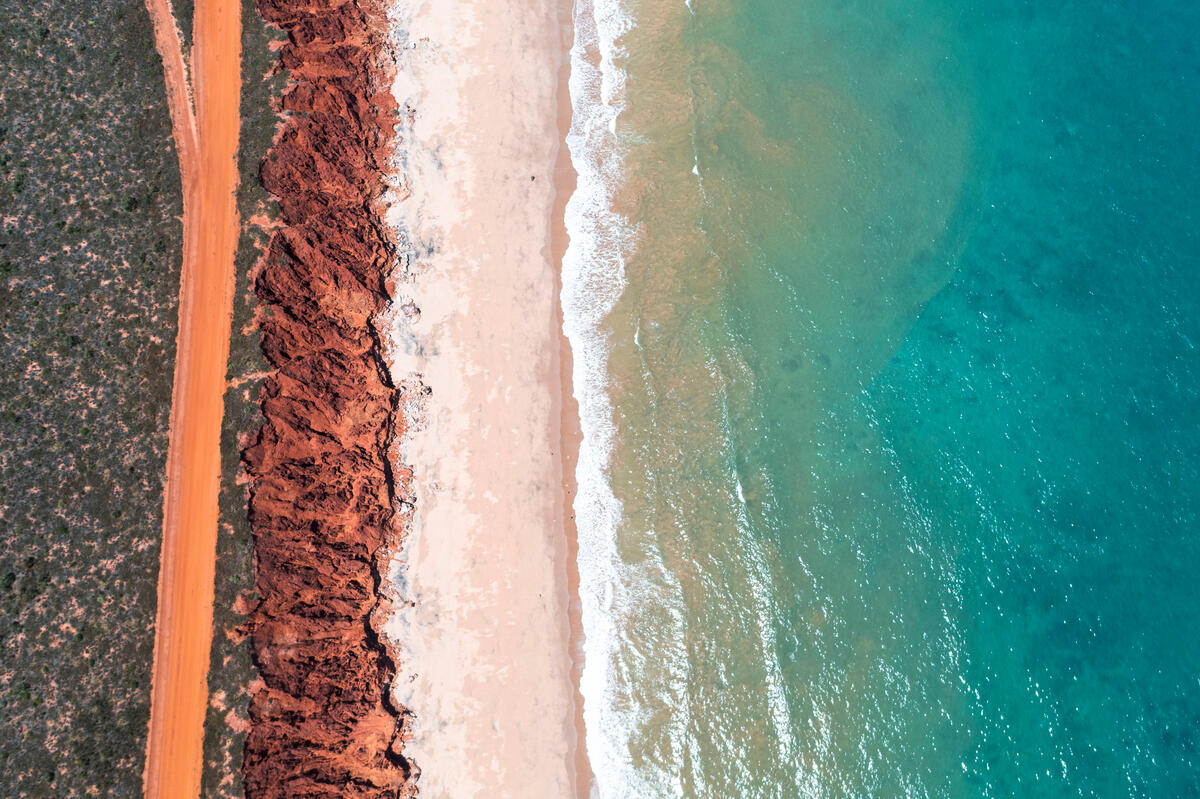
Kimberley Faces Unlivable Future as WA Experiences a Summer of Heatwaves
Western Australia is sweating through another unusually hot summer this year1 with parts of the state almost reaching a blistering 50°C.2 The upward trending heat in the state is not just unusual—it is predicted to become life-threatening, pushing communities, ecosystems, and infrastructure to the brink.
