
All articles
-
Is Australia Shooting Itself In The Foot With Reef Port Expansions?
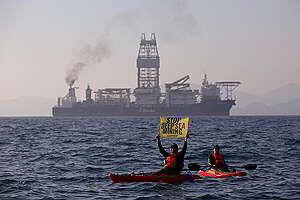
With the approval of dredging as part of the Abbot Point port expansion, Australia has given the green light to an increase in coal exports.
-
6 reasons why The Star’s latest promotion is a face-palm to the oceans
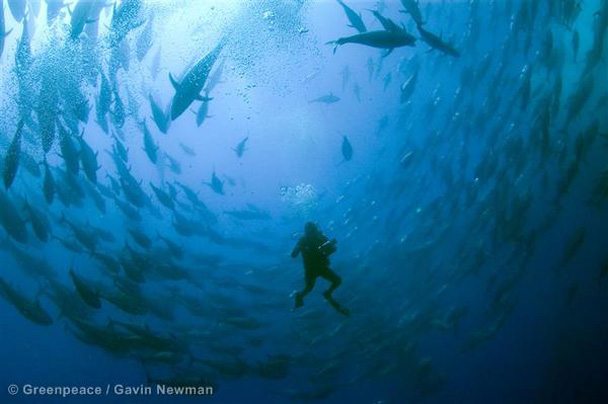
Who’s up for some barbecued endangered species? This March down at The Star, until recently known as Star City Casino, it’s tuna month. Is this a new campaign from the high-rollers about conserving endangered species perhaps? Think again – at The Star, they’re serving endangered species. Years of overfishing means 95% of the southern bluefin…
-
Is this our canary in the coal mine?
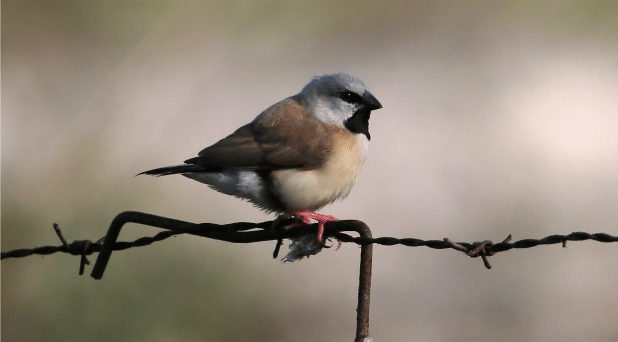
Q: What’s white bottomed and sweet as a button and will not take well to an Indian coal giant clearing its home as part of exploration works for Australia’s biggest black coal mine? © Ian Montgomery birdway.com.au A: The Black –Throated Finch (Southern). This little fellow…
-
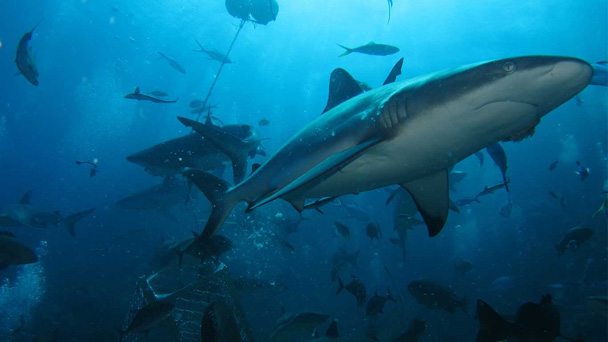
Sharks face the death penalty
Sharks have a reputation for being pretty tough, but has the Western Australian Premier based the new shark culling policy on the plot of Jaws? Sharks have had a bad reputation for a very long time; people don’t like to be bitten. But their reputation has become worse with multiple shark films and now YouTube…
-

Survival guide to holiday parties with climate deniers
Last year, UN general secretary Ban Ki-moon said it was time to “prove wrong” those who still have doubts about climate change at the climate talks in Doha. Since it’s the festive season and you never know when you’ll wind up at the same holiday party as Donald Trump, we’ve answered Ban Ki-moon’s demand. Here…
-
Countries leave Pacific tuna commission with license to overfish
Press release – 9 December, 2013Cairns, 6 December 2013 – The Western and Central Pacific Fisheries Commission 10th meeting ended today. The discussions had been at a deadlock over conservation and management measures needed to reverse overfishing of the region’s bigeye tuna stocks. As a result, the meeting failed to take action to end overfishing…
-
Enough is enough; we need to reclaim our seas and fisheries now
The Western and Central Pacific is the world’s largest tuna fishery, with millions of people depending on it for food and their livelihoods. It is also an economic lifeline for many of our region’s small island states. But there is trouble in paradise. More and more boats are entering the fishery from developed nations eager…
-
Greenpeace urges Cairns tuna summit to end overfishing and control fleets
Press release – 30 November, 2013Suva/Sydney, 1 December 2013 – Greenpeace activists today deployed a floating banner at a harbour in the Pacific, reading: “Fewer boats more fish WCPFC Act Now!” This message is directed at the members of the Western and Central Pacific Fisheries Commission (WCPFC), who are meeting in Cairns, Australia next week.…
-
Longline fisheries are out of line – Greenpeace
Press release – 26 November, 2013Sydney, Wednesday 27 November 2013: The world’s longline tuna fisheries are out of control, rife with illegal fishing and responsible for killing hundreds of thousands of marine turtles and threatened sharks every year.These are some of the findings of a new report ‘Out of line, the global failure of tuna…
-
Industrial fishing in the Pacific is out of control: Greenpeace
Press release – 17 November, 2013Suva, 18 November, 2013 – Comprehensive measures need to be put in place to reduce fishing capacity to save the region’s tuna fisheries, Greenpeace Australia Pacific urged in a new report launched today.In 2012 there was a record tuna catch and record number of vessels in the purse seine fishery.…