Protecting the Amazon Rainforest
The Amazon rainforest is the world’s largest intact forest. Despite its importance, the Amazon is under serious threat from deforestation, mainly to make space for industrial agriculture.
How can you help?
-
You can help protect our homes before it’s too late
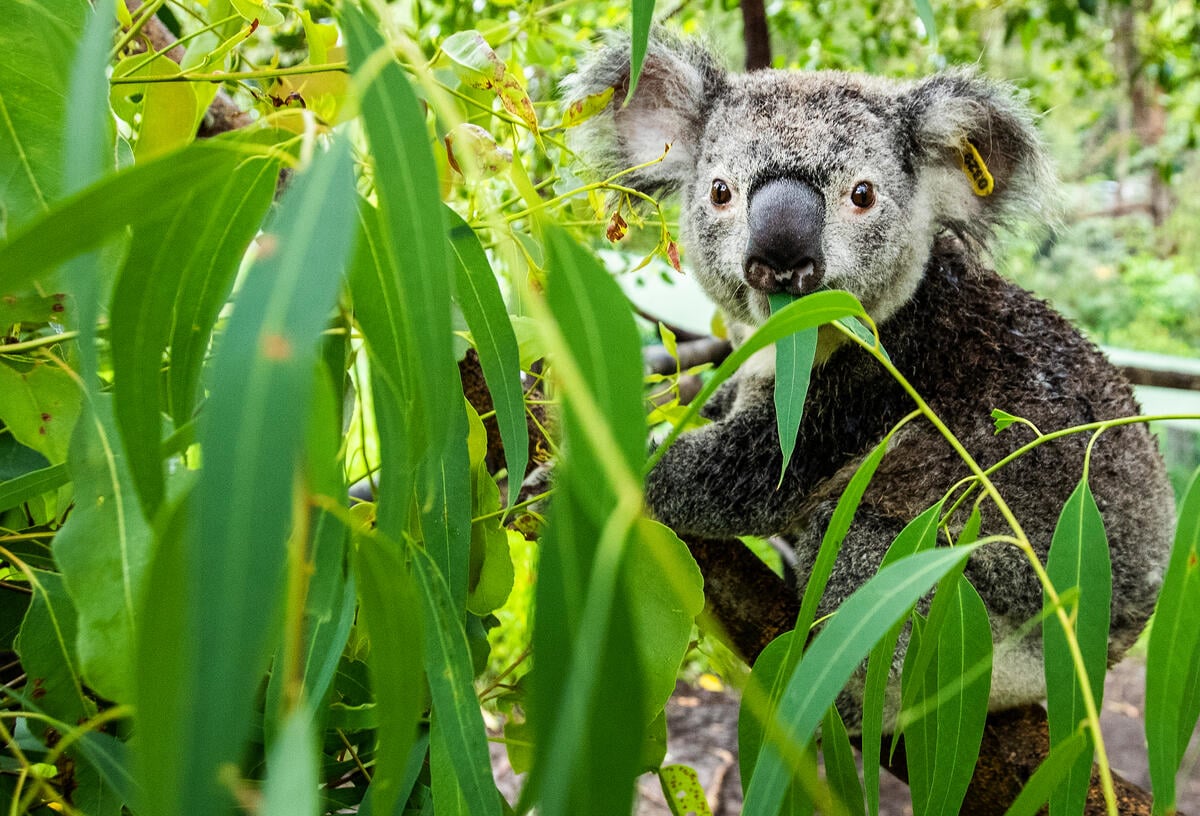
Animals are being pushed to extinction from the Amazon to Australia as greedy corporations destroy the world’s forests. Donate now to stop this destruction.
-
Call on PM Albanese to defend the Amazon
World leaders will soon be meeting to discuss the future of the Amazon…your voice can make a difference.
Threats to the Amazon
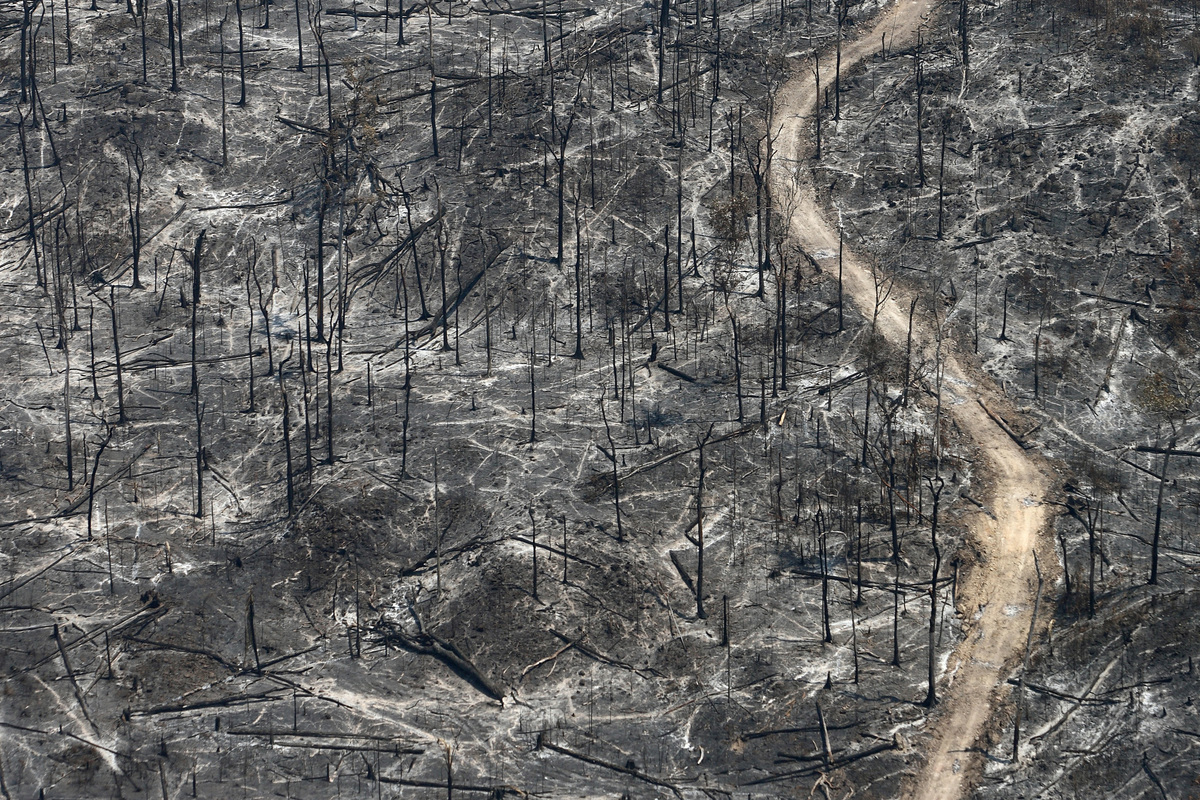
In the last 40 years, the Brazilian Amazon has lost more than 18 percent of its rainforest — an area about the size of California — to illegal logging, soy agriculture, and cattle ranching. Despite the creation of protected areas in recent decades, most of the remaining forest is under threat.
Around the world, people like you have stepped up to demand policy reform, additional protected areas, and commitments from corporations that have slowed the rate of deforestation. Still, forest areas the size of entire cities are burned in the Brazilian Amazon every year to make way for cattle ranching and soy plantations. This has resulted in record-breaking level fires that are catastrophic for the climate and for Indigenous Peoples’ that rely on these forests.
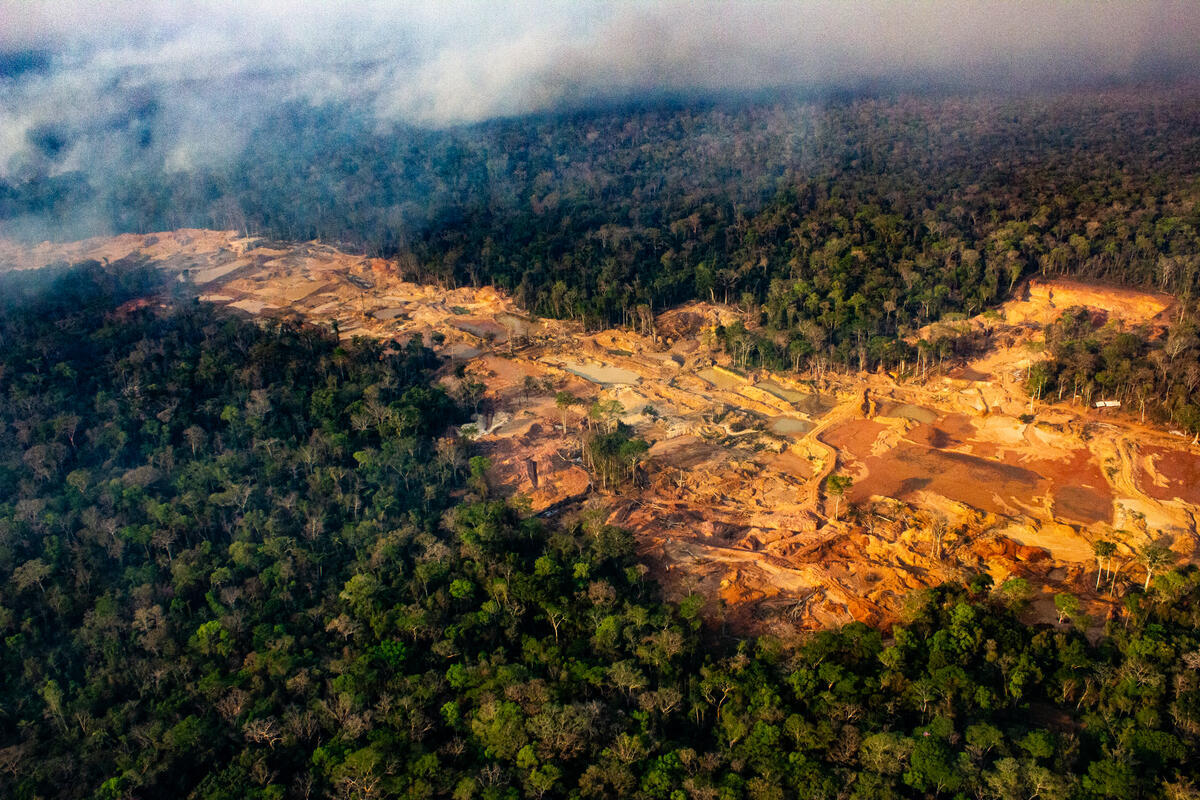
Illegal gold mining in Indigenous Lands in Brazil surged by 265% in just five years, between 2018 and 2022. The activity poses a severe threat to the health and the lives of Indigenous People, destroying rivers, contaminating communities with mercury and bringing violence and death to their territories.
But illegal gold mining doesn’t impact just the forest and Indigenous People. A recent study showed that mercury-contaminated fish are being sold in markets in major Amazonian cities, putting the health of millions at risk.
It’s time to fight for the future of the Amazon
This November at COP30, political leaders, surrounded by corporate lobbyists, will meet in the heart of the Brazilian Amazon in Belém, to decide the future of the planet.
Communities across the Amazon—in the forest and in cities—are standing on the frontlines, pushing back these destroyers. Join us in demanding they take action to end forest destruction around the world.
This is our chance to demand our political leaders move beyond words to urgent action. They must stop granting permission and public funds to Earth-destroying industries. Instead, our leaders must respect, pursue, and support real solutions that already exist—solutions that put the forest and her people at the heart of the response. Indigenous guardians of the forest hold true authority, and they must be respected and heard. The moment is now. We are the turning point!
When we stand together, we stand stronger than the corporations destroying the Amazon rainforest—and forests around the world.
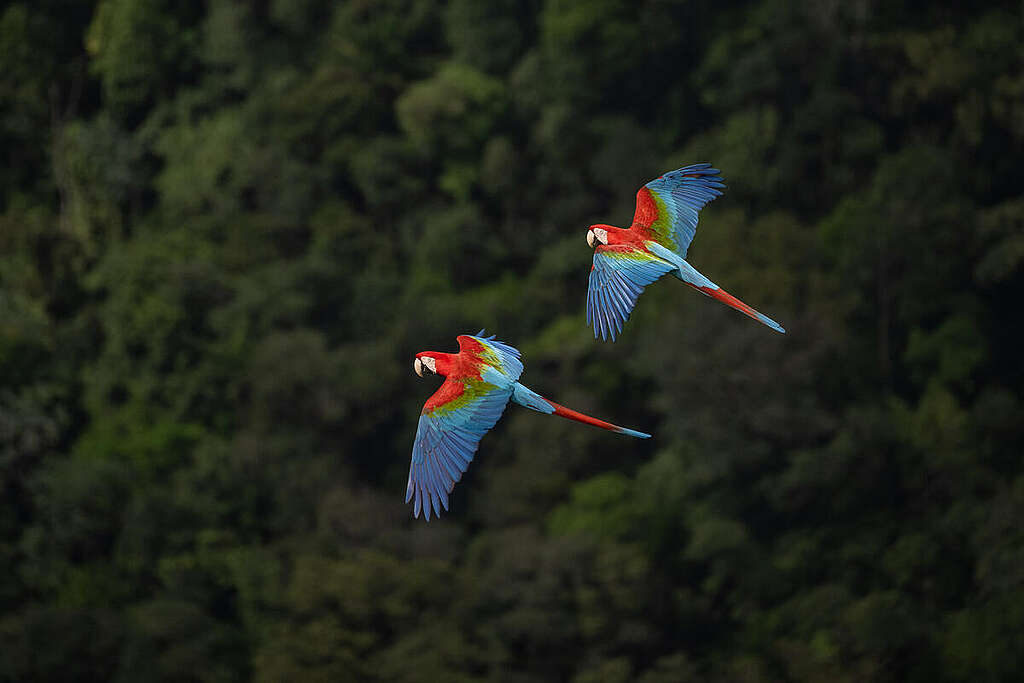
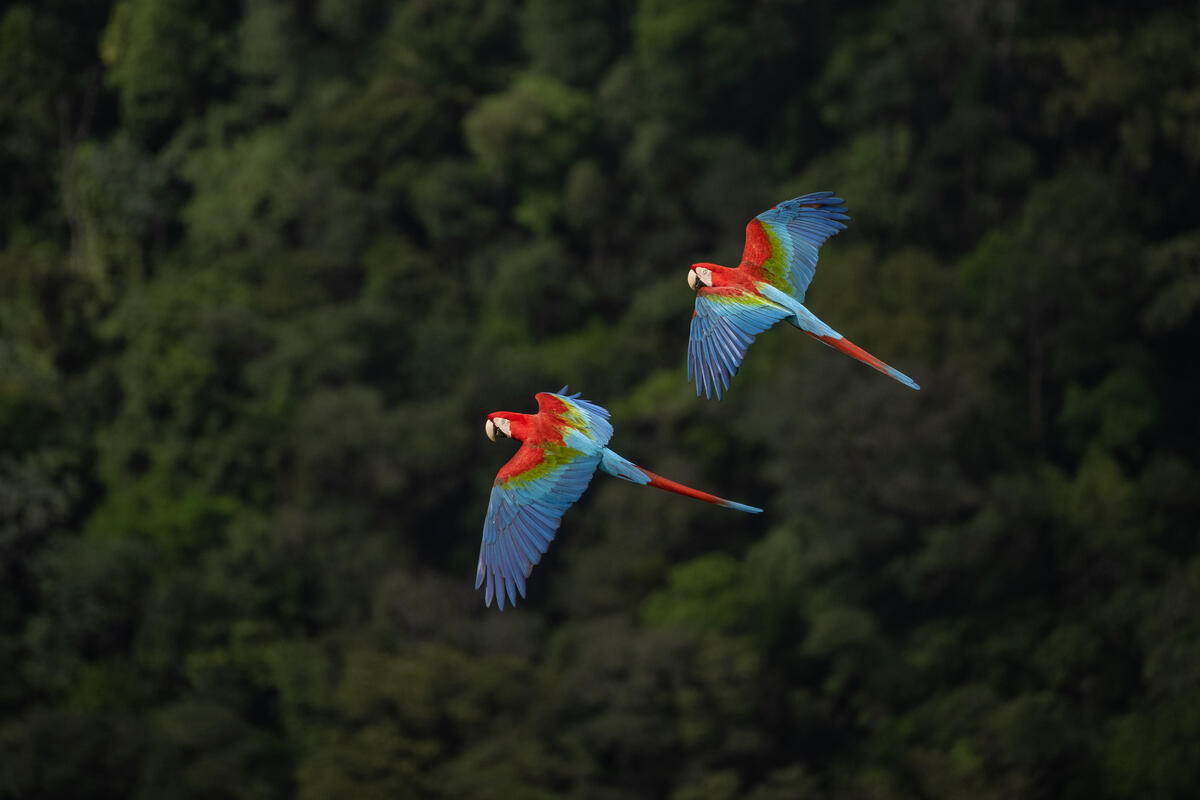
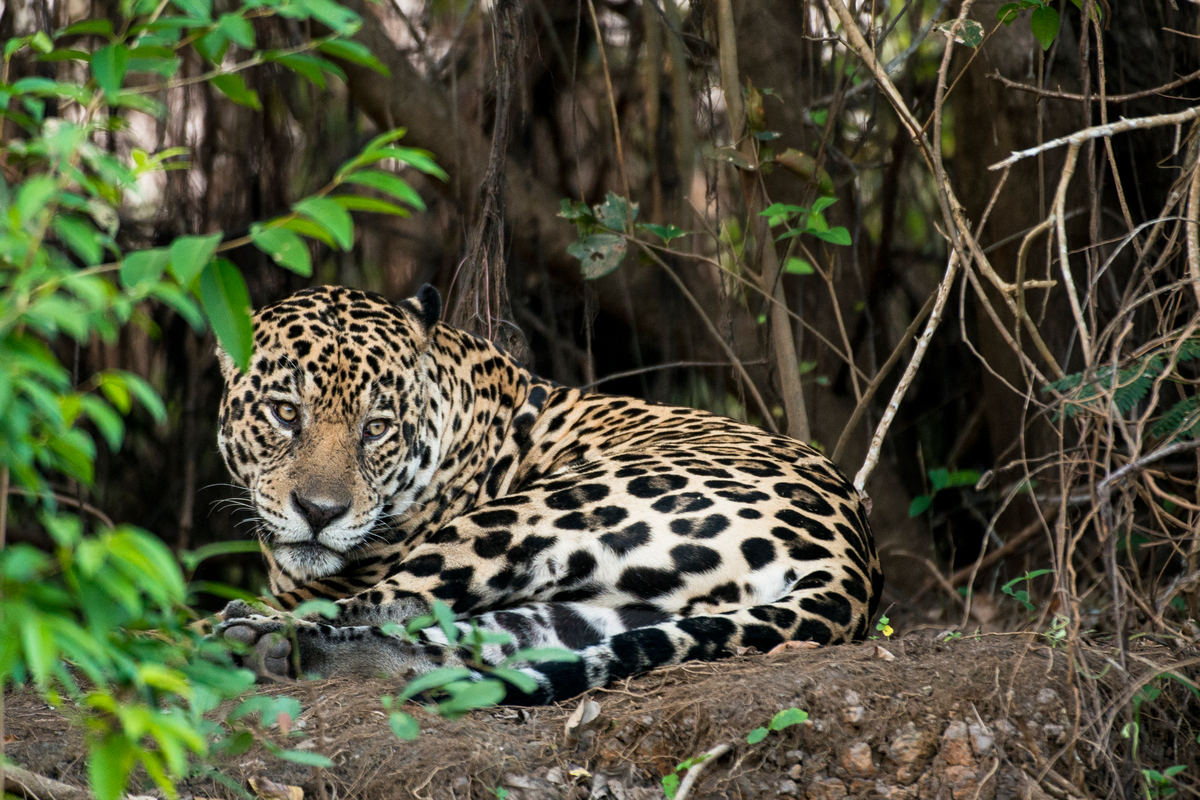
There’s a reason the Amazon was the place that inspired scientists to coin the term “biodiversity.” The region is home to 10 percent of all plant and animal species known on Earth. There are approximately 40,000 species of plants and more than 400 mammals, with almost 1,300 different varieties of birds and an insect population in the millions. From the beautiful hyacinth macaws to fearless jaguars and the amazing pink dolphins, this vibrant ecosystem is teeming with life.
In addition to its unparalleled diversity of life, the Amazon plays an essential role in helping to control the planet’s climate. The Amazon Basin stores approximately 100 billion metric tons of carbon — that’s more than ten times the annual global emissions from fossil fuels.
While it covers 2.6 million square miles across nine countries — Brazil, Bolivia, Peru, Colombia, Ecuador, Venezuela, Guyana, Suriname, and French Guiana — about 60 percent of the Amazon Basin is in Brazil, where Greenpeace has focused its efforts.

You can help bring an end to the destruction of our forests
Your ongoing support is the most effective way to contribute by helping us with long term campaign strategies.
Learn more about the Amazon
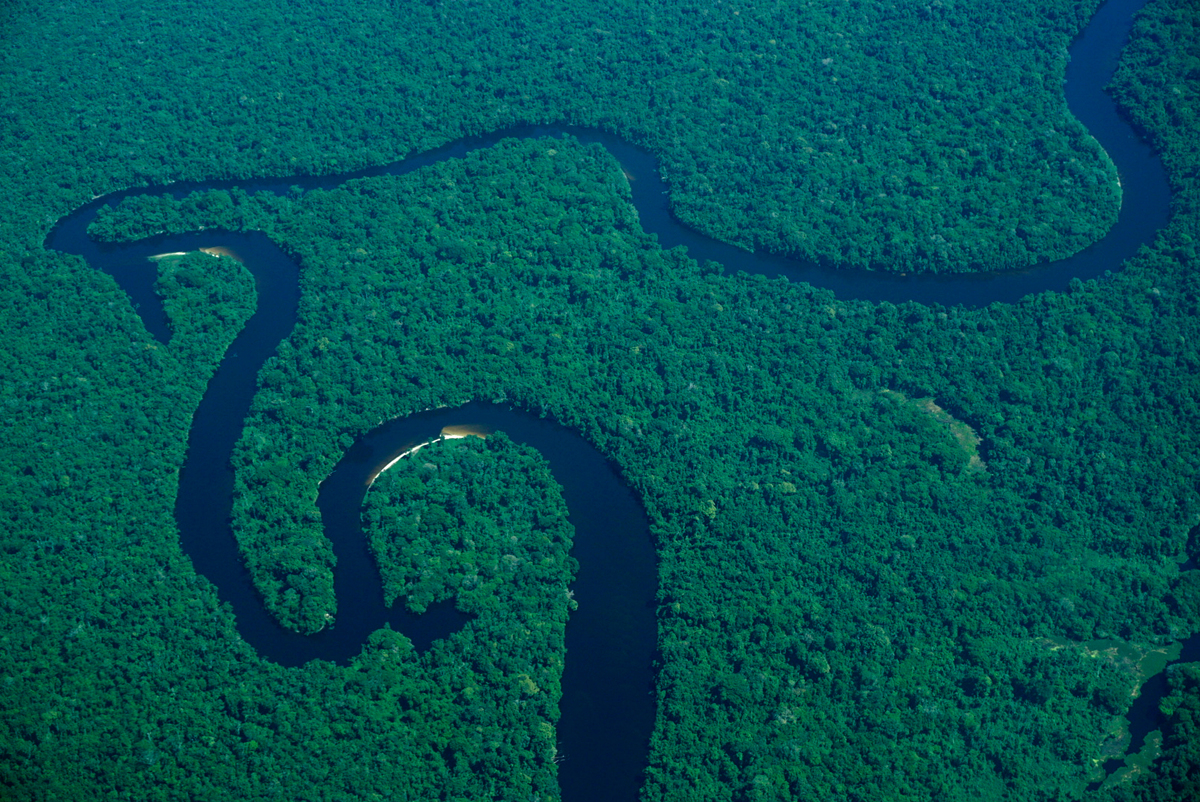
Frequently asked questions about the Amazon
The Amazon rainforest is the largest rainforest on Earth, at 5.5 million square kilometres. It covers nearly all of the Amazon River basin in South America.
The Amazon is home to over 40,000 plant species, of which 16,000 are different types of trees. It is thought that there are nearly 400 billion trees across the Amazon rainforest. Amazon rainforest trees absorb carbon and are even able to create their own rain, sustaining rainforest biodiversity.
The biodiversity of plant species in the Amazon is the highest on Earth, with one in ten known species in the world found there.
The rainforest includes land belonging to nine South American countries. Brazil has the most by a long way, with nearly 60% of the rainforest within its borders. Peru and Colombia have 13% and 10% of the rainforest respectively.
The Amazon is home to over 30 million people, around 2.7 million of whom are Indigenous people.
Rather than being an unpopulated wilderness as was previously assumed, archaeologists now believe that human inhabitants first lived in the Amazon 11,000 years ago, shaping the land through forest gardening and Indigenous soil fertility management.
Some estimates suggest that before Europeans colonised South America in the 1500s, there was a population of around 5 million Indigenous People in the Amazon region. Diseases from Europe such as smallpox drove the population down to under 1 million in the 1900s, and under 200,000 by the early 1980s
The Amazon rainforest is home to one-tenth of the animal species in the world, according to some scientists.
Jaguars, sloths, caimans, howler monkeys, capybaras, pink river dolphins, macaws, anacondas, piranhas, electric eels and poison dart frogs are some of the more unusual animals that live in the Amazon rainforest.
The region is also home to around 2.5 million different species of insects, one in five of the world’s bird species, and one in five of the world’s fish species.
The Amazon rainforest is important to the rest of the planet because it helps to regulate the world’s climate. The Amazon rainforest stores 90–140 billion metric tonnes of carbon, making it the world’s largest land carbon ‘sink’.
As climate change is caused by excess carbon emissions from industry, these carbon stores or ‘sinks’ help keep the climate stable. When trees are cleared or burned, the rainforest loses its ability to store carbon.
Deforestation releases carbon as trees are left to rot, or are burned – both of which releases more carbon into the atmosphere, making climate change worse.
Protecting the Amazon isn’t just about the forest. It’s about respecting the basis of a balanced relationship with nature and a path to a safe and healthy planet for all of us.
Related Articles
-
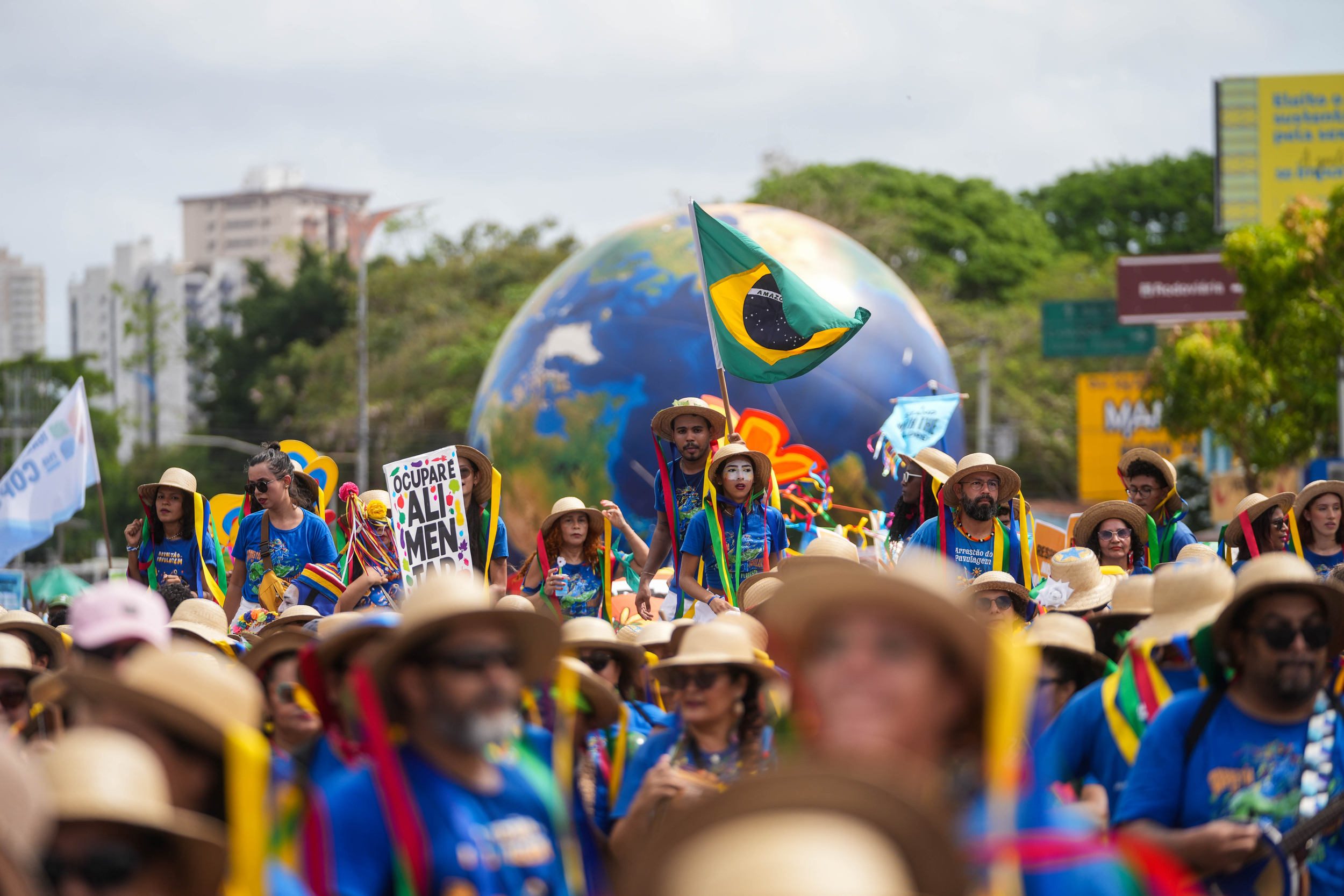
COP30 falls short, but momentum builds behind a fossil fuel phase out
BELÉM, BRAZIL, Saturday 22 November 2025 — The UN COP30 summit has ended without actionable roadmaps to transition from fossil fuels and end forest destruction, but a new coalition of…
-
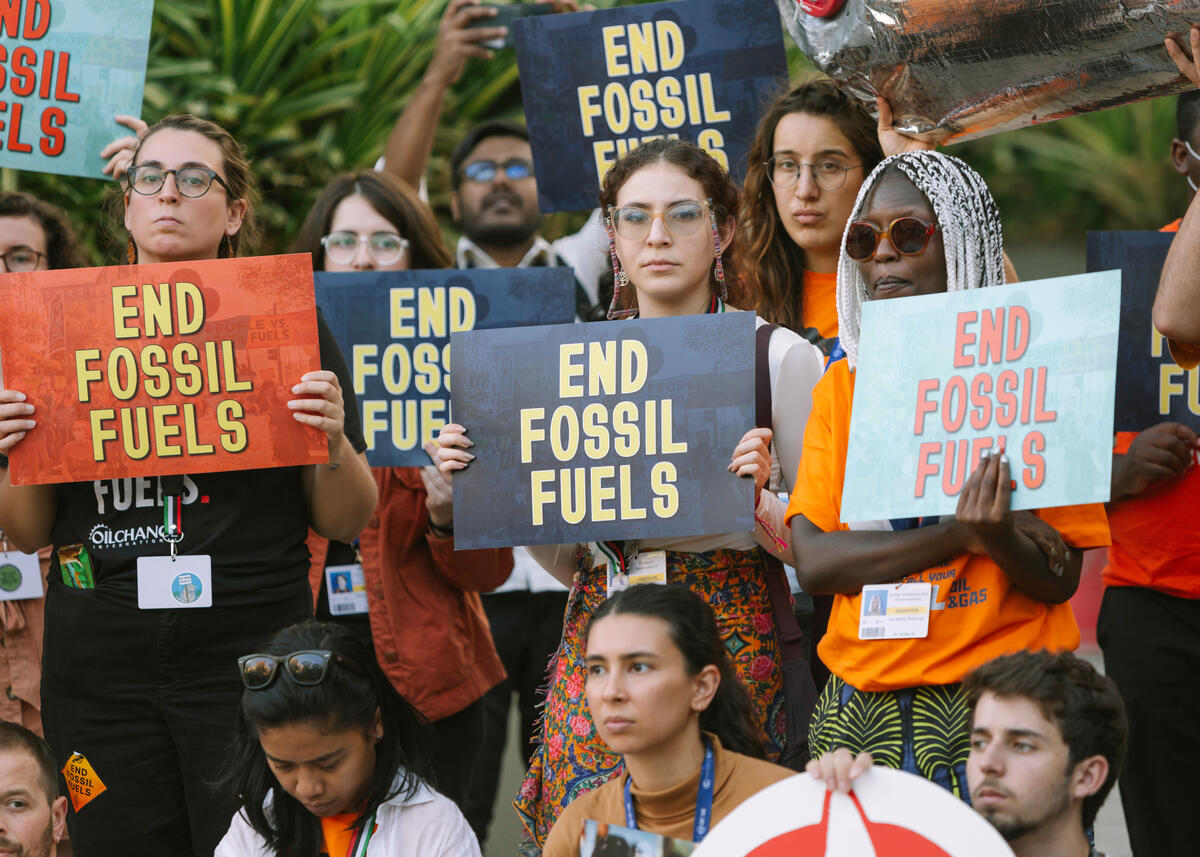
COP30 in Belém must be a turning point for global climate and forest action
BELÉM, BRAZIL, Monday 10 November 2025 – As the COP30 UN climate conference begins in Belém today, Greenpeace Australia Pacific is urging the Australian government to drive forward the action…
-
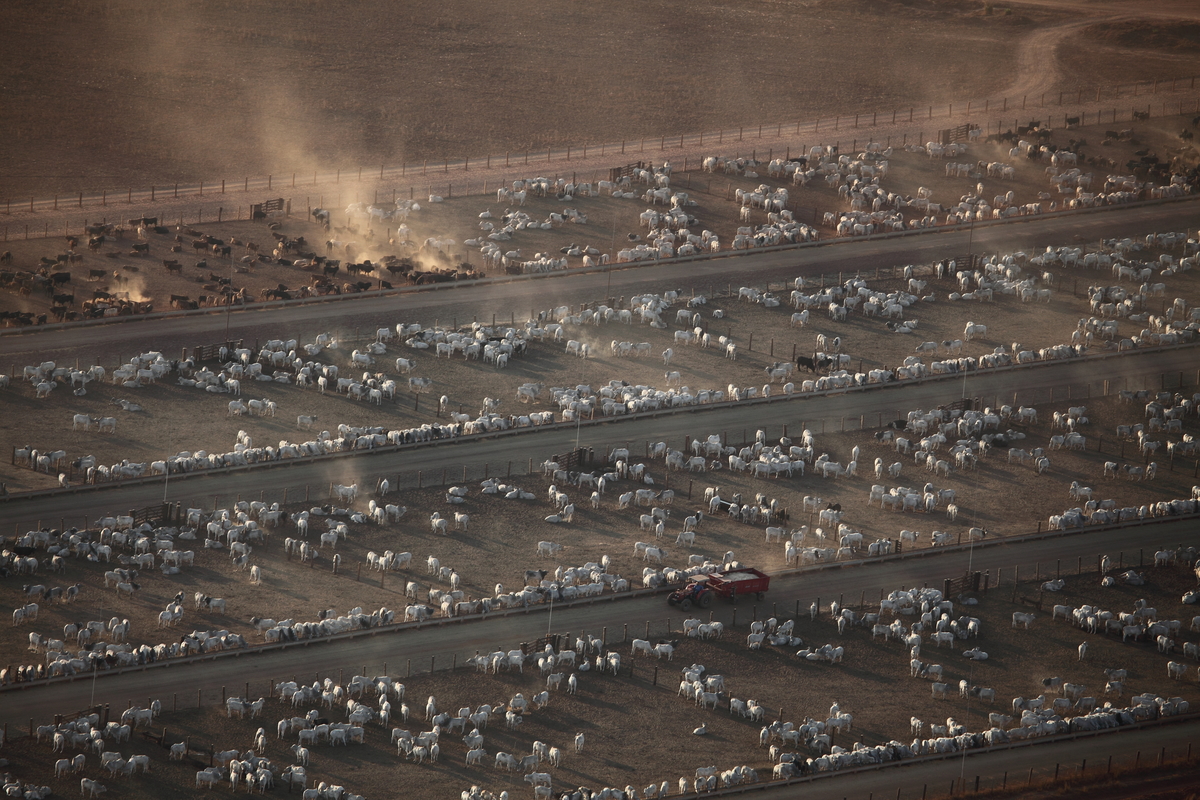
Toxic Skies: The Amazon is now breathing dirtier air than the world’s biggest cities
A new Greenpeace International report, Toxic Skies: How Agribusiness is Choking the Amazon, reveals how fires linked to industrial agriculture are turning the forest’s air toxic during the dry season. The…
-
The 2023 Climate Ambition Gap
Ten years after the Paris Agreement, taking stock of 2035 climate action plans on the road to achieving the 1.5°C limit.
-
Report: Toxic Skies – How Agribusiness is Choking the Amazon
This report tracks air pollution across key regions of the Amazon, revealing how fires related to agricultural activity, in particular cattle pastures and deforestation, are degrading air quality, threatening public health, and accelerating climate and biodiversity crises.
-
Public Poll: People want more forest action
9 in 10 people view forest action as critical to fight climate change.
-
Report: Deforestation Crisis on Their Watch
Australia is a global deforestation hotspot, driven primarily by the beef industry. About every two minutes, a large football field-sized area of forest and bushland is bulldozed, putting Australia alongside places like the Amazon, Congo and Borneo on the scale of destruction.
-
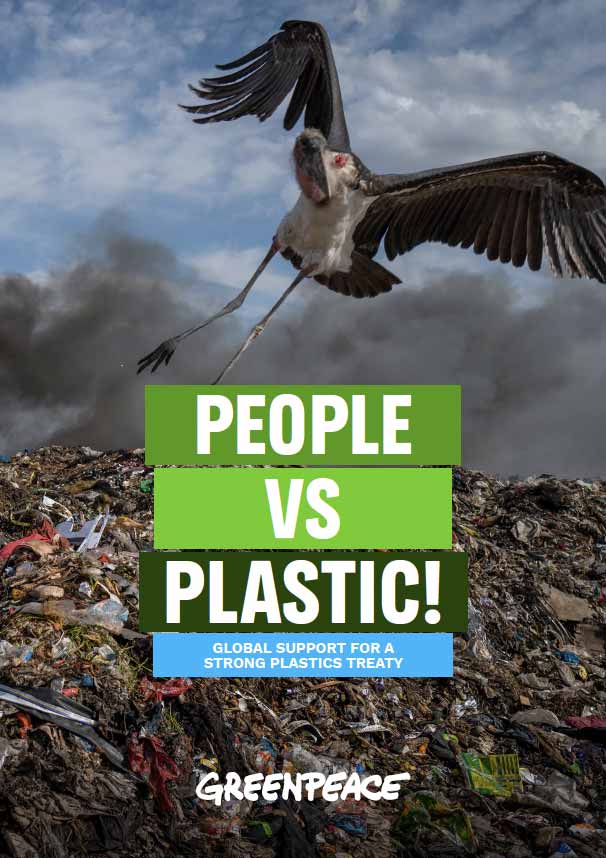
Report: People vs Plastic – Global support for a strong Plastics Treaty
Plastic pollution has flooded our planet. Pollution from plastics touches every corner of the globe reaching the deepest parts of our oceans, the highest mountain peaks and even contaminating our rainwater. Plastics harm multiple ecosystems at every stage of their life cycle, damaging people’s health, accelerating social injustice, destroying biodiversity and fuelling the climate crisis.
Keep informed
Together we are part of a growing, global movement determined to bring about the changes our planet desperately needs. Sign up to receive updates on our campaigns.