

All articles by Greenpeace Australia Pacific
-
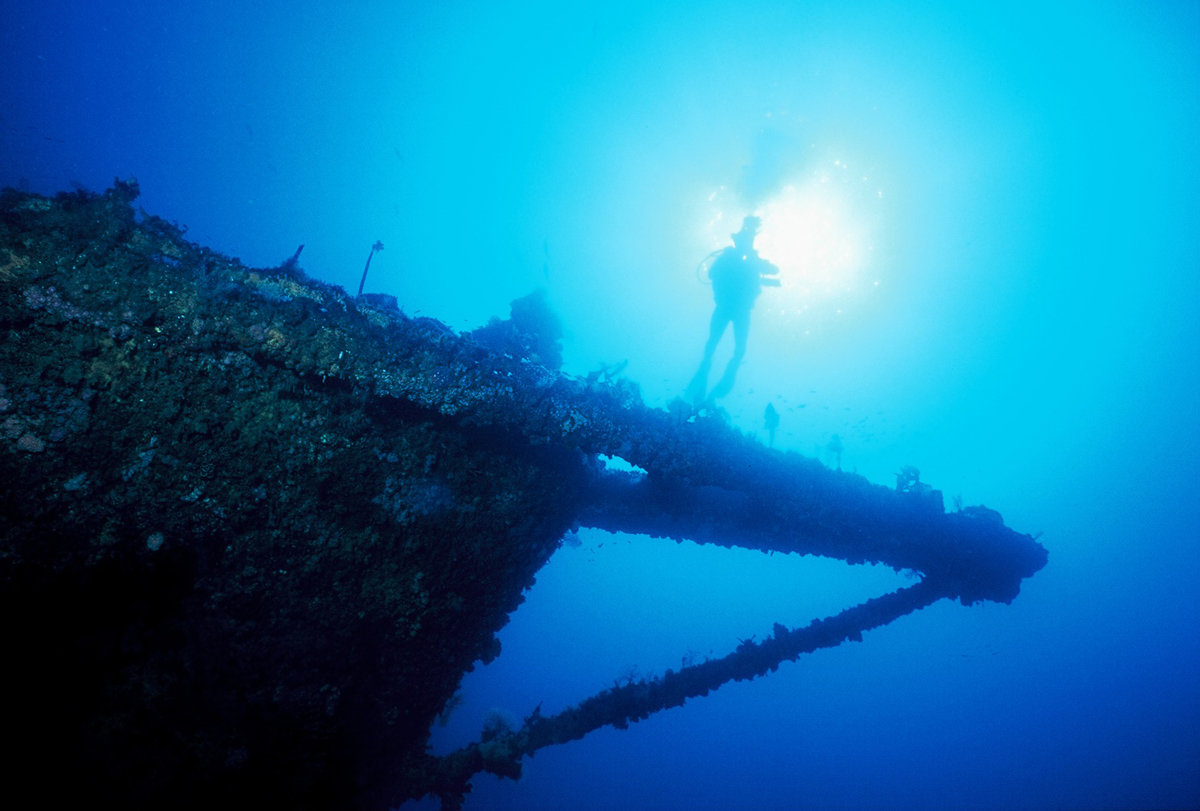
Where is the Rainbow Warrior I now?
After the bombing, the Rainbow Warrior was given a final resting place at Matauri Bay, in New Zealand’s Cavalli Islands, where it has become a living reef, attracting marine life and recreational divers.
-
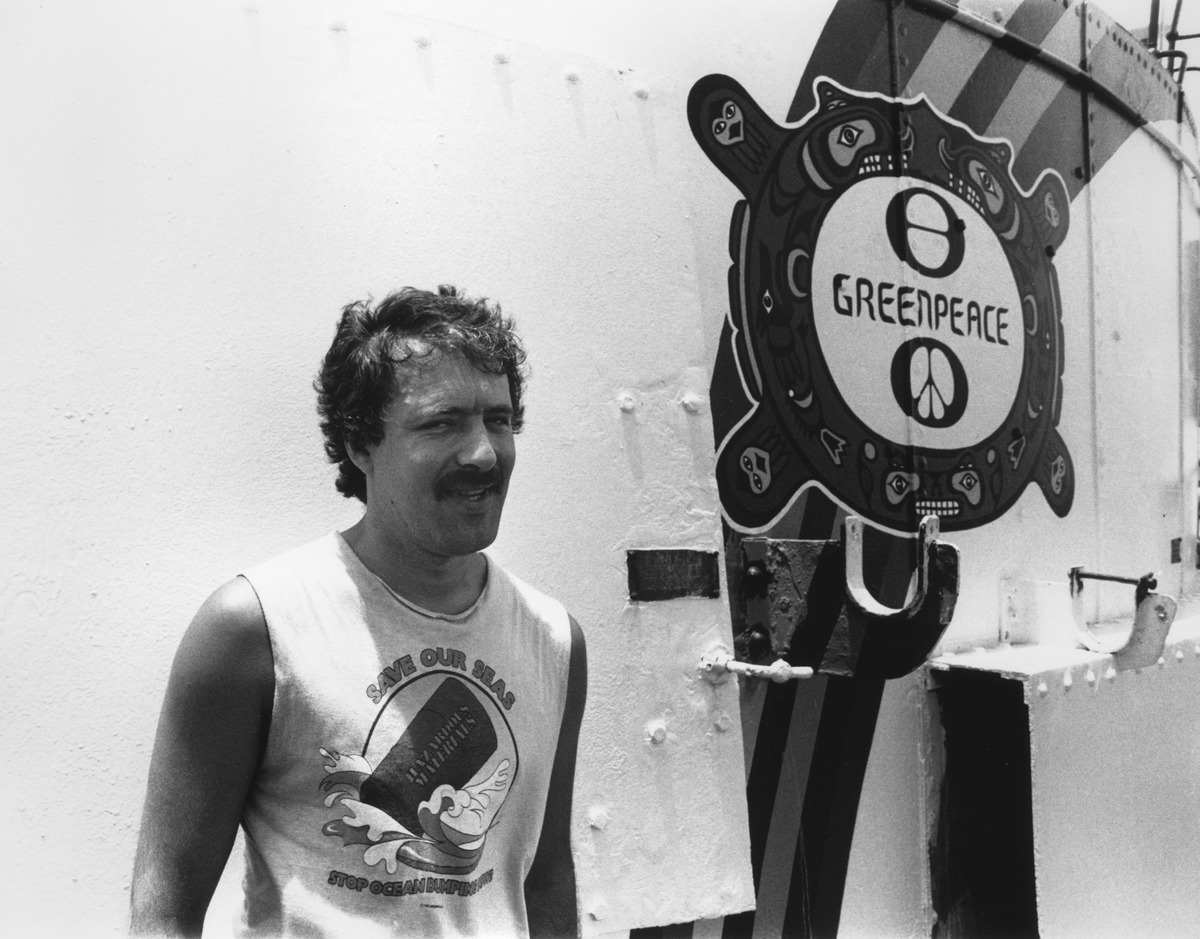
Who was Fernando Pereira?
Fernando Pereira joined the crew of the Rainbow Warrior to bring his pictures of French nuclear testing to the world. A man who dedicated his life to peace. A determined photographer, a family man, a Rainbow Warrior – he will always be remembered.
-
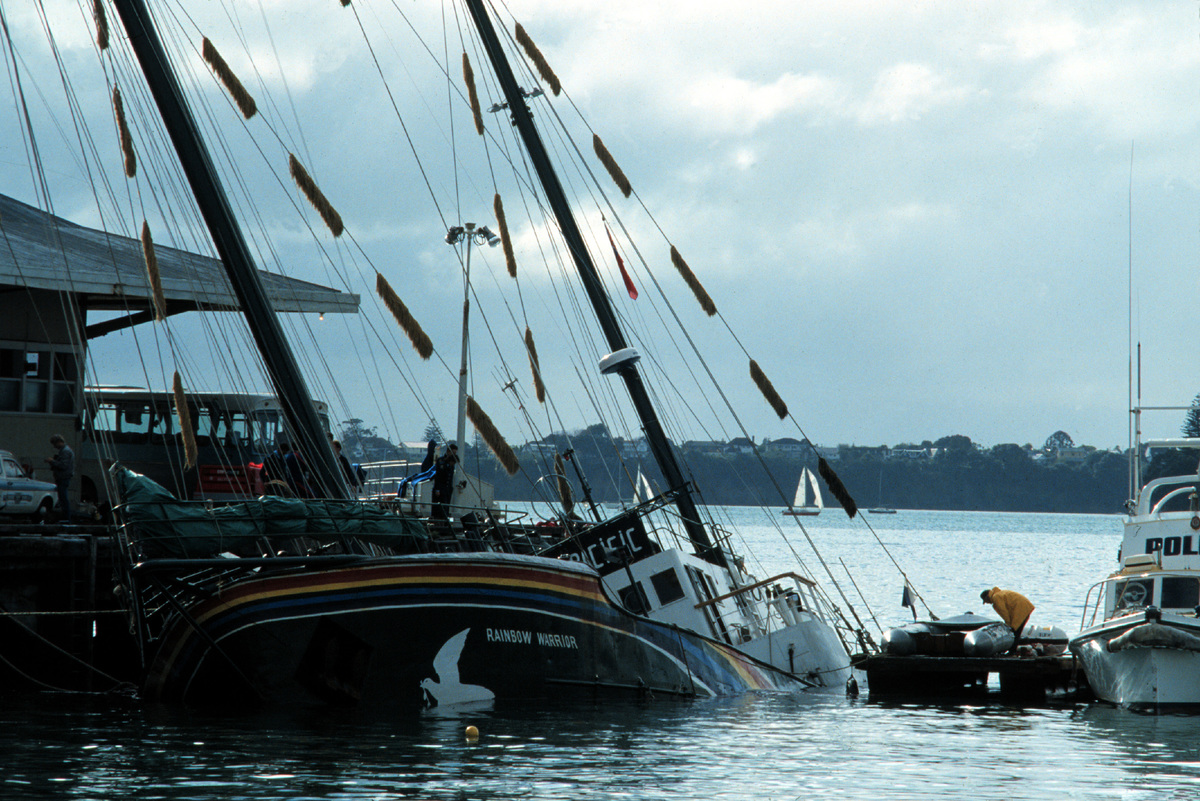
When was the Rainbow Warrior Bombed? A Timeline of Events
The Rainbow Warrior bombing took place on July 10, 1985, but it had been in the planning for months, and had repercussions that would last for years.
-
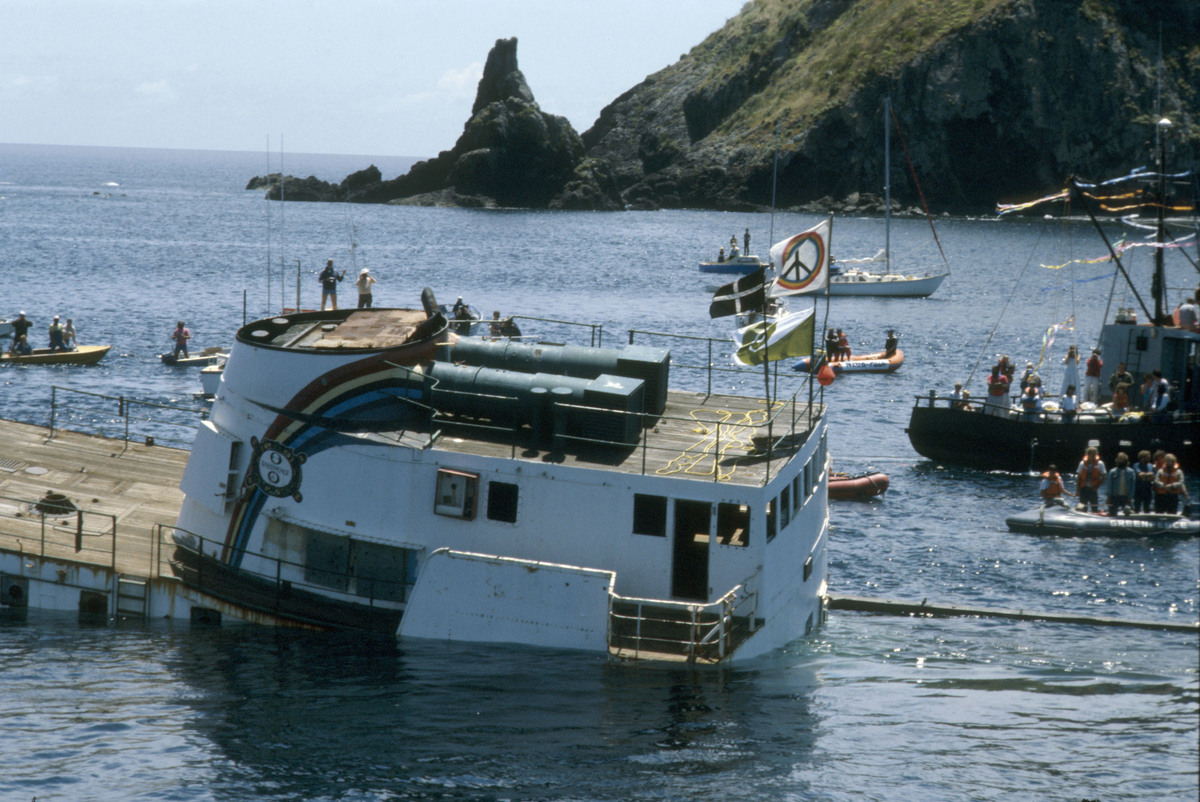
The investigation of the Rainbow Warrior bombing
On 11 July 1985, news spread of dramatic explosions on the Auckland waterfront. Greenpeace flagship the Rainbow Warrior had been sunk while moored at Marsden Wharf. One crew member, Fernando…
-
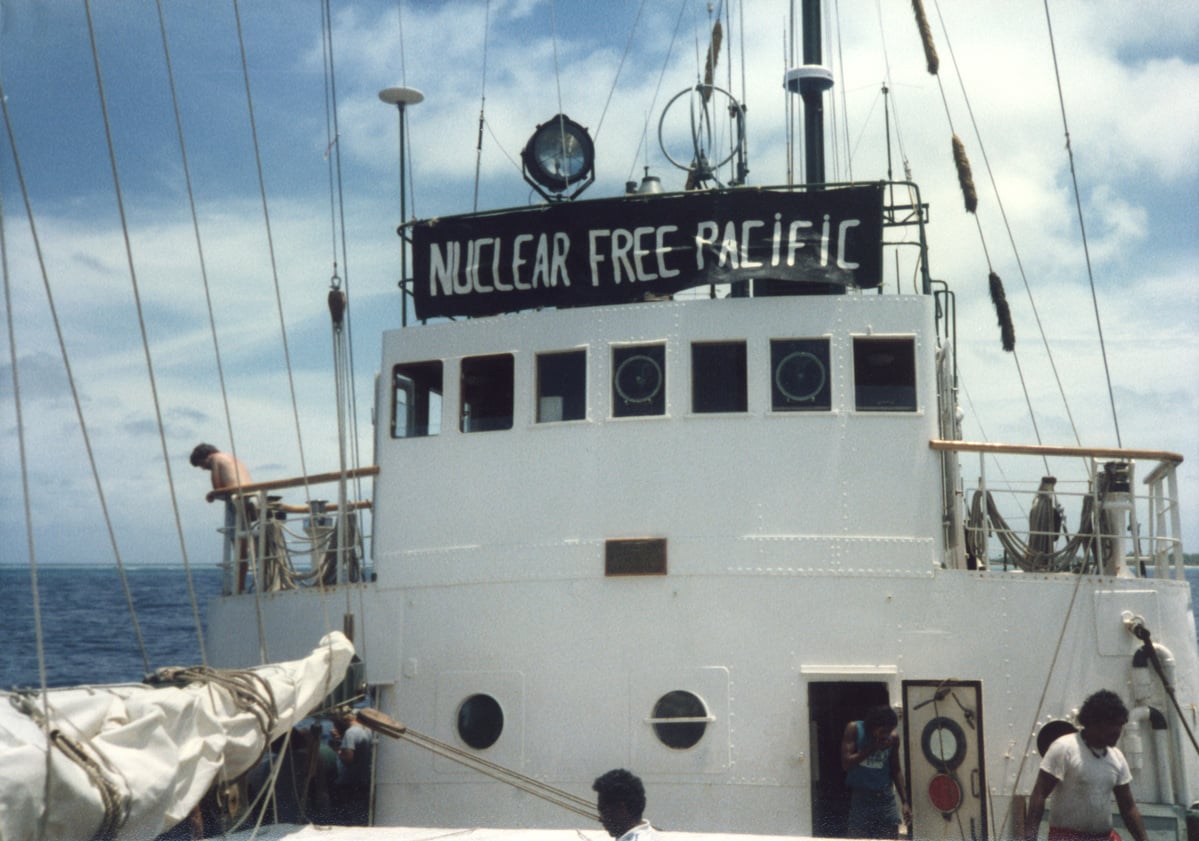
Why did the French bomb the Rainbow Warrior?
The French government saw its nuclear testing programme as essential for France’s security. But negative publicity about the testing would put pressure on the French government to stop its programme. It wanted to stop the Rainbow Warrior’s upcoming anti-nuclear protest.
-
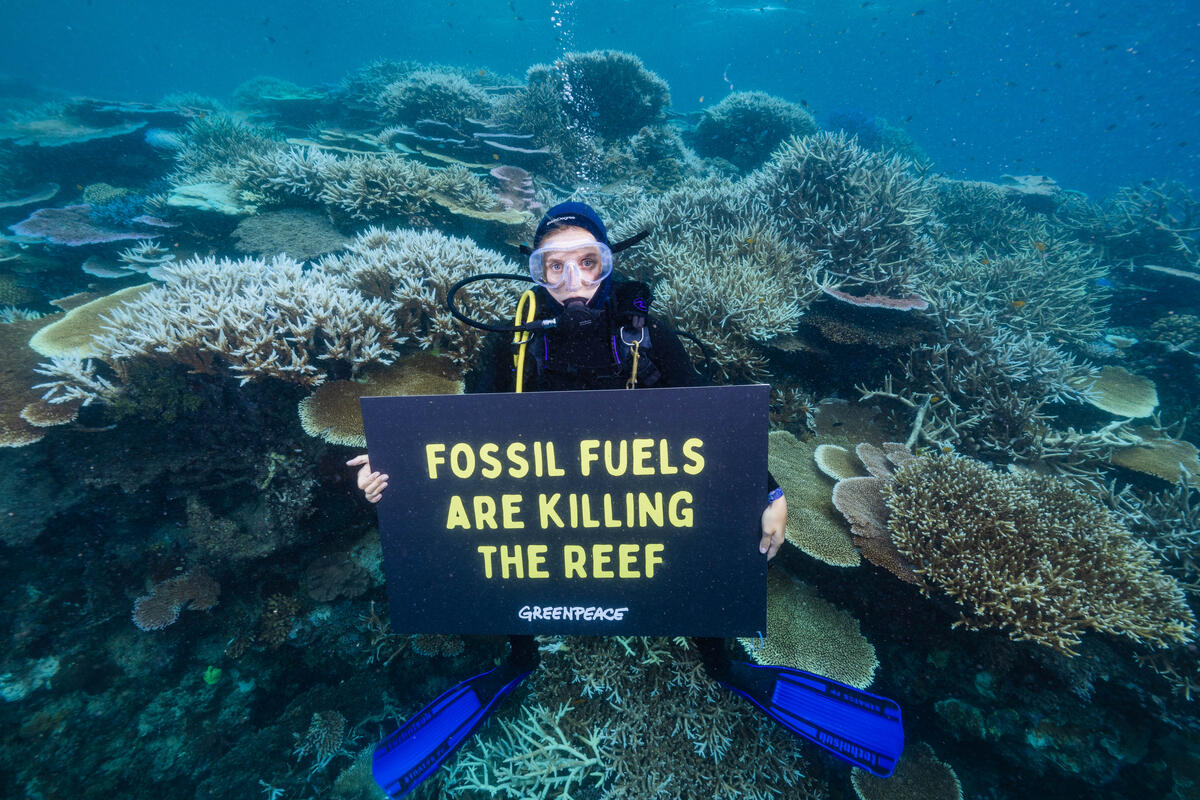
Reef call a final warning on fossil fuels: Greenpeace
SYDNEY, 25 JUNE 2024 – Following an overnight report from UNESCO urging Australia to set more ambitious climate targets for the Great Barrier Reef but leaving the World Heritage site…
-
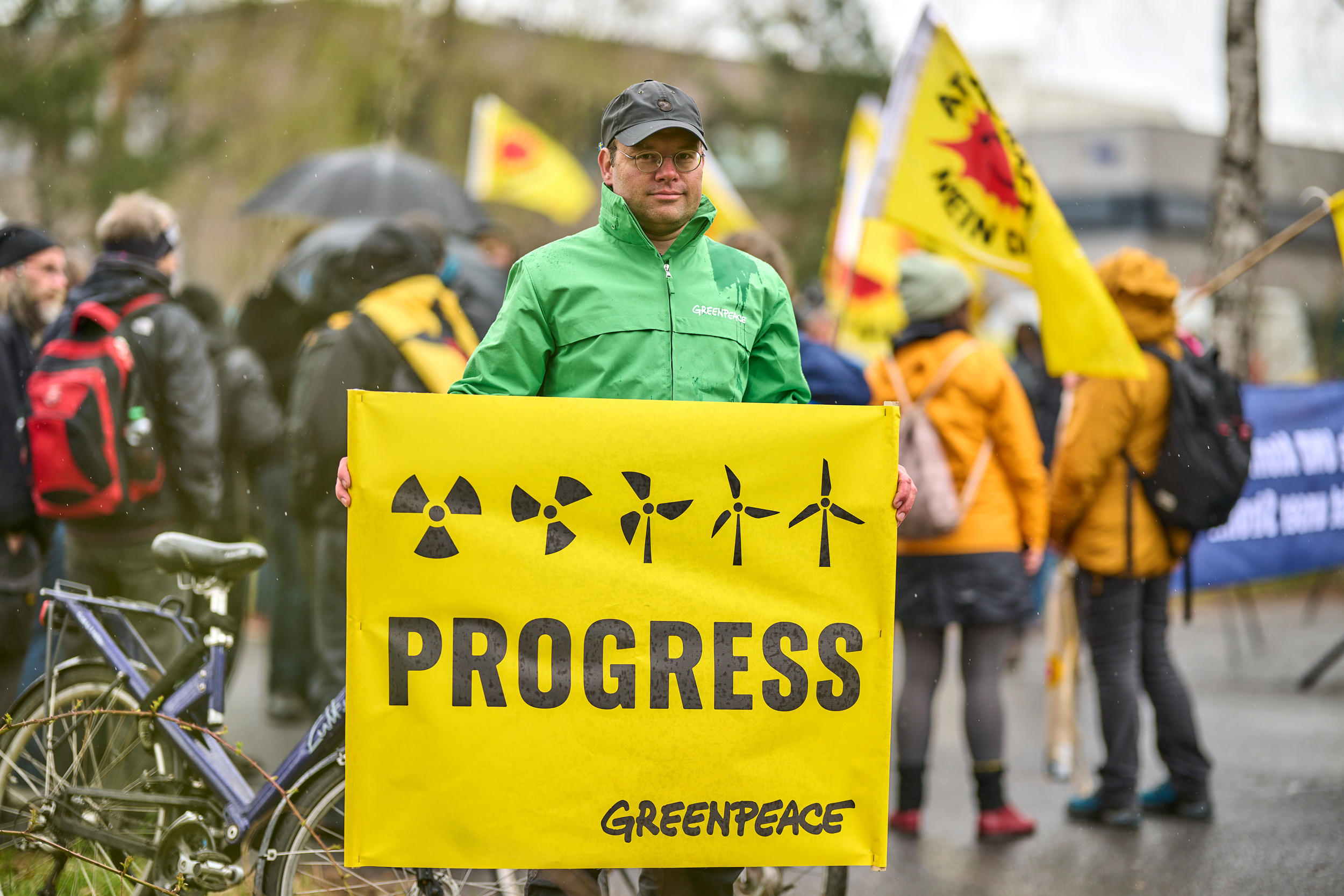
Coalition’s nuclear site plans a climate poison pill
The debate around nuclear is a dangerous distraction from what we need to deliver climate action in Australia today: move rapidly to 100% renewable energy.
-
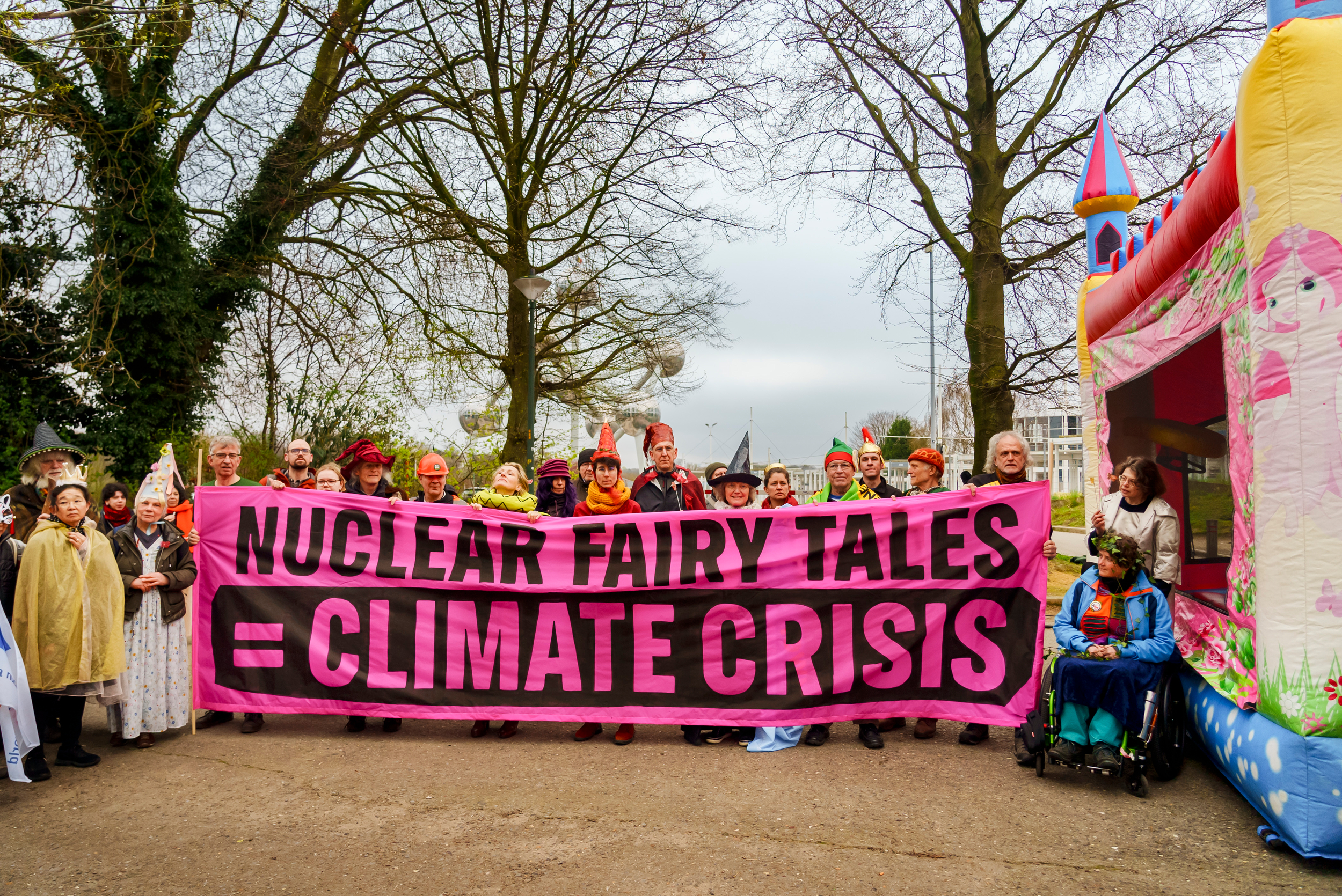
Coalition’s nuclear site plans a climate poison pill: Greenpeace
SYDNEY, 19 June 2024 – Greenpeace Australia Pacific has dismissed the federal opposition’s nuclear plans as a distraction from the urgent need to transition Australia to clean and affordable renewable…
-
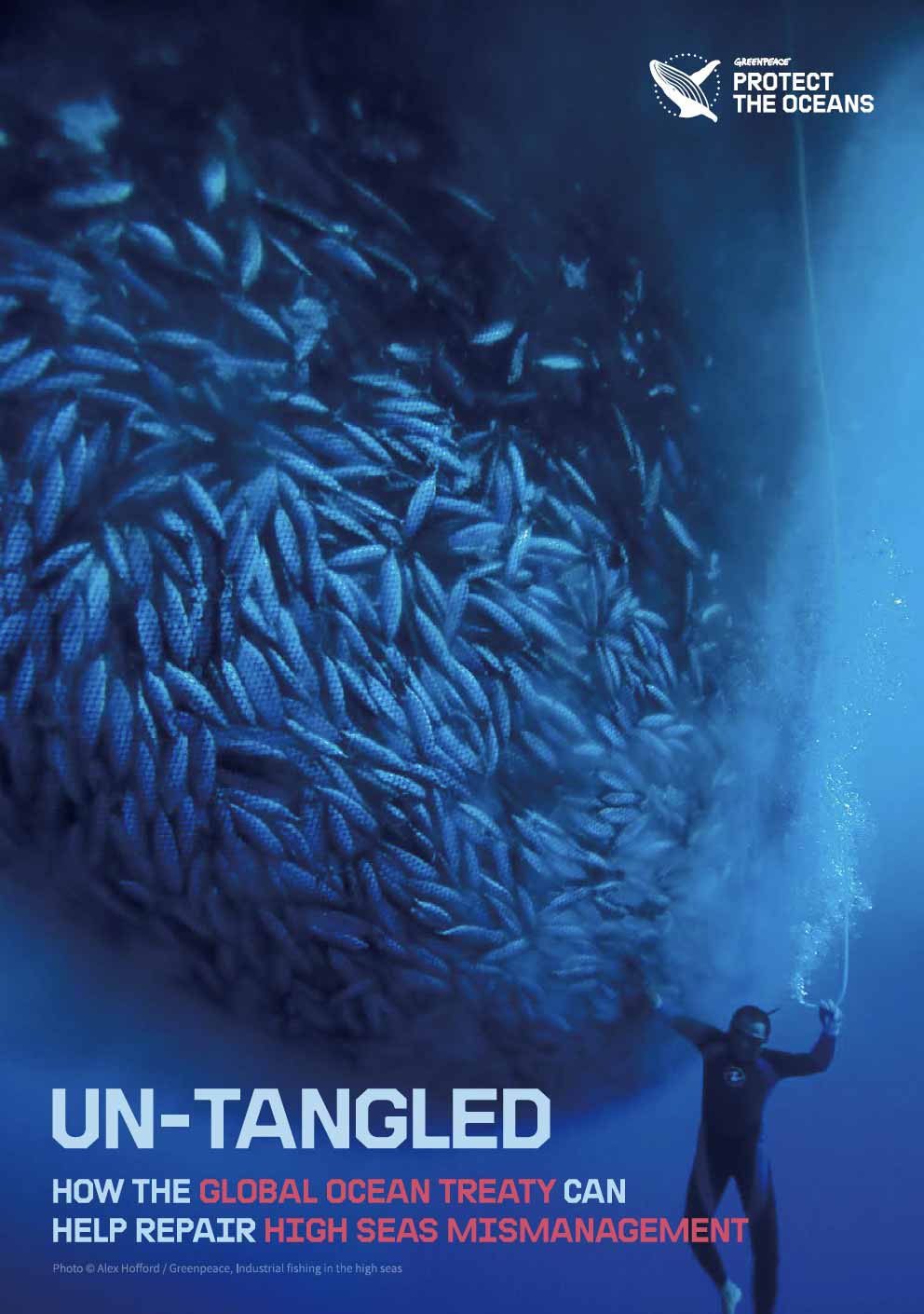
Report: How the Global Ocean Treaty can help repair high seas mismanagement
This report explores how Regional Fisheries Management Organisations (RFMOs) have not met their mandate for sustainably managing the impacts of fishing activity on biodiversity in international waters. It then sets out how the recently won Global Ocean Treaty (BBNJ Agreement) can remedy this systematic mismanagement of biodiversity on the high seas.
-
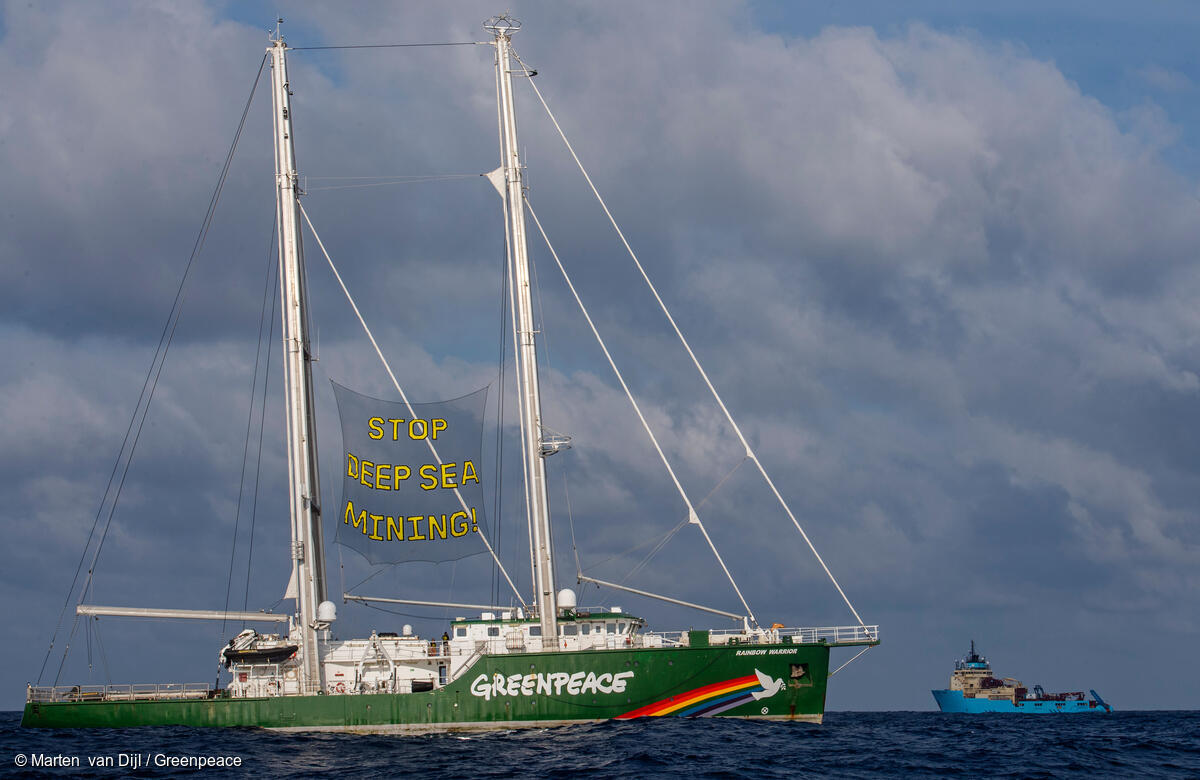
A deep dive into ScoMo, AUKUS and Deep Sea Mining
Remember Scott Morrison, Australia’s former Prime Minister? (We know, we’re trying our best to forget him too.) Well, brace yourselves because he’s back in the spotlight, and this time it’s…