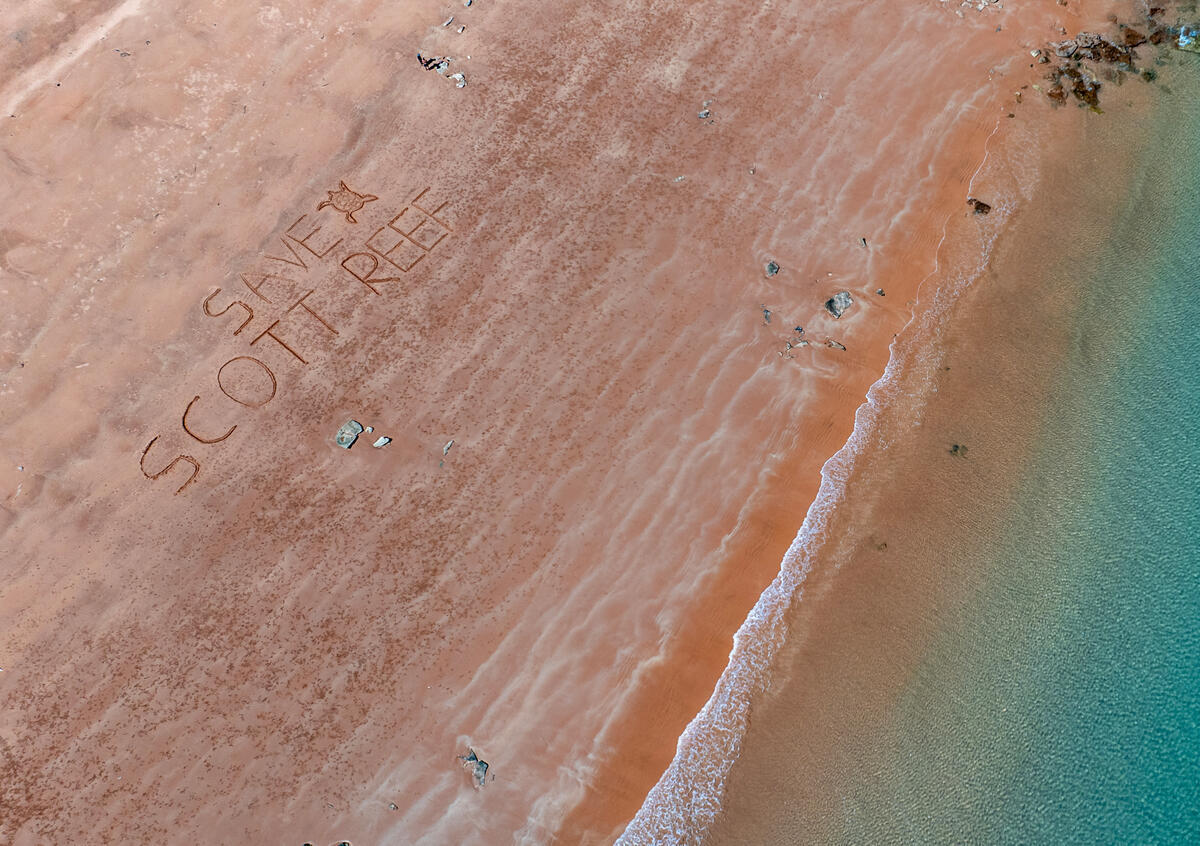
Out on the remote, turquoise edge of Australia’s northwest waters lies Sandy Islet—a speck of coral sand at Scott Reef, and a quiet nesting haven for one of the planet’s most ancient mariners: the green turtle.
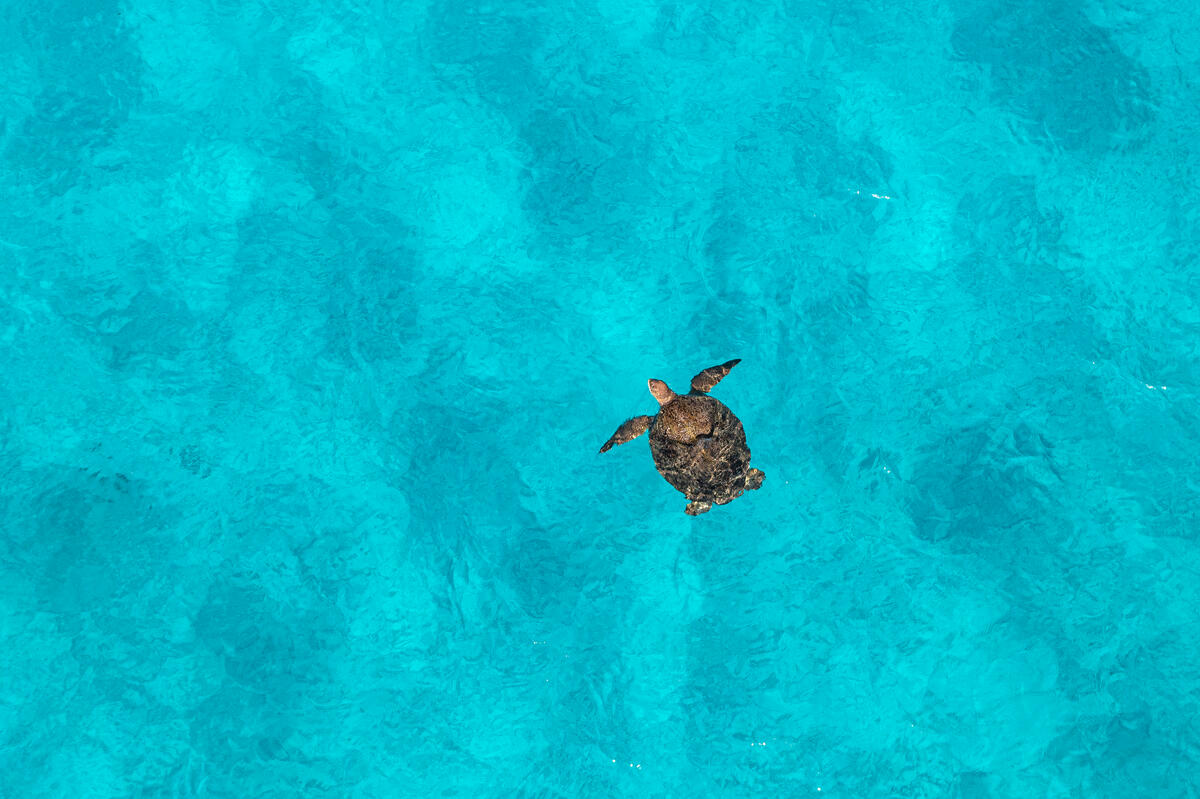
These turtles glide gracefully through the water, following the ancient migratory pattern traced through the ocean for thousands of years. These gentle creatures come to this remote spectacular reef to feed, rest and nest returning to the very beaches they were born. The coral rich lagoons provide a sanctuary, rich with food and shelter from predators. But the sandy islet’s ancient residents are at grave risk.
These genetically distinct turtles have been returning to this tiny two-hectare island for generations, burying their eggs in warm sand under moonlit skies. Two to three months later, the newly hatched green turtles make their way to the ocean. But now, that peaceful rhythm is under threat.
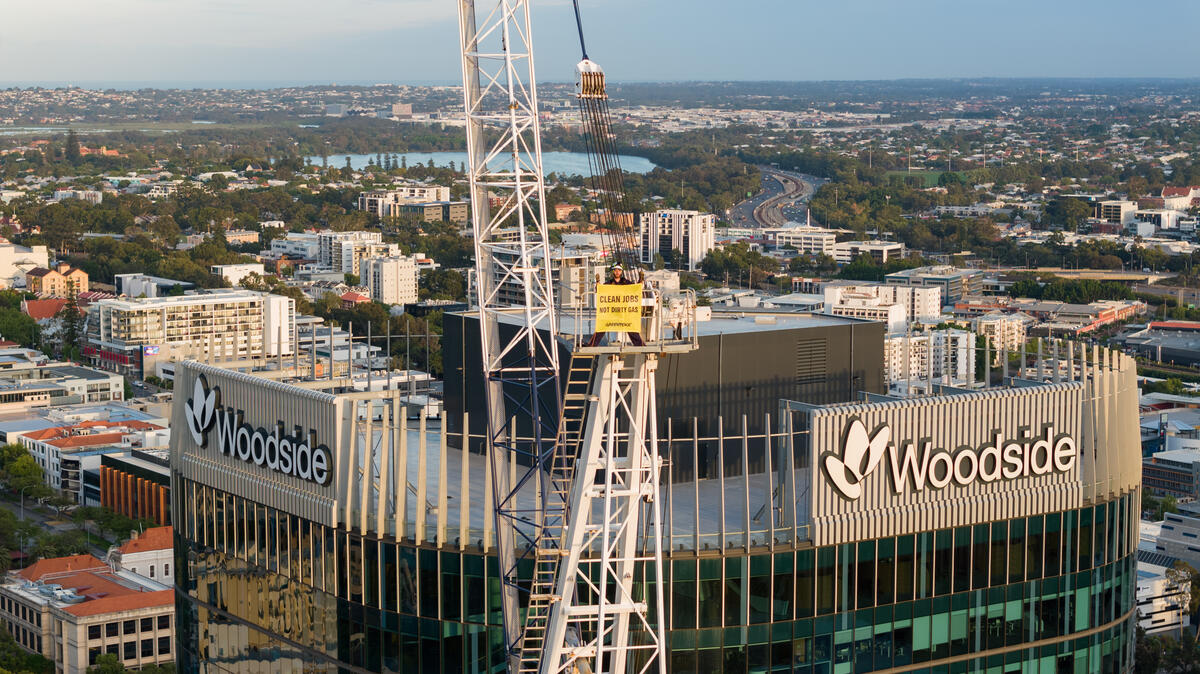
And the danger is coming from none other than Woodside’s massive Browse gas project, part of the company’s climate-wrecking Burrup Hub expansion.
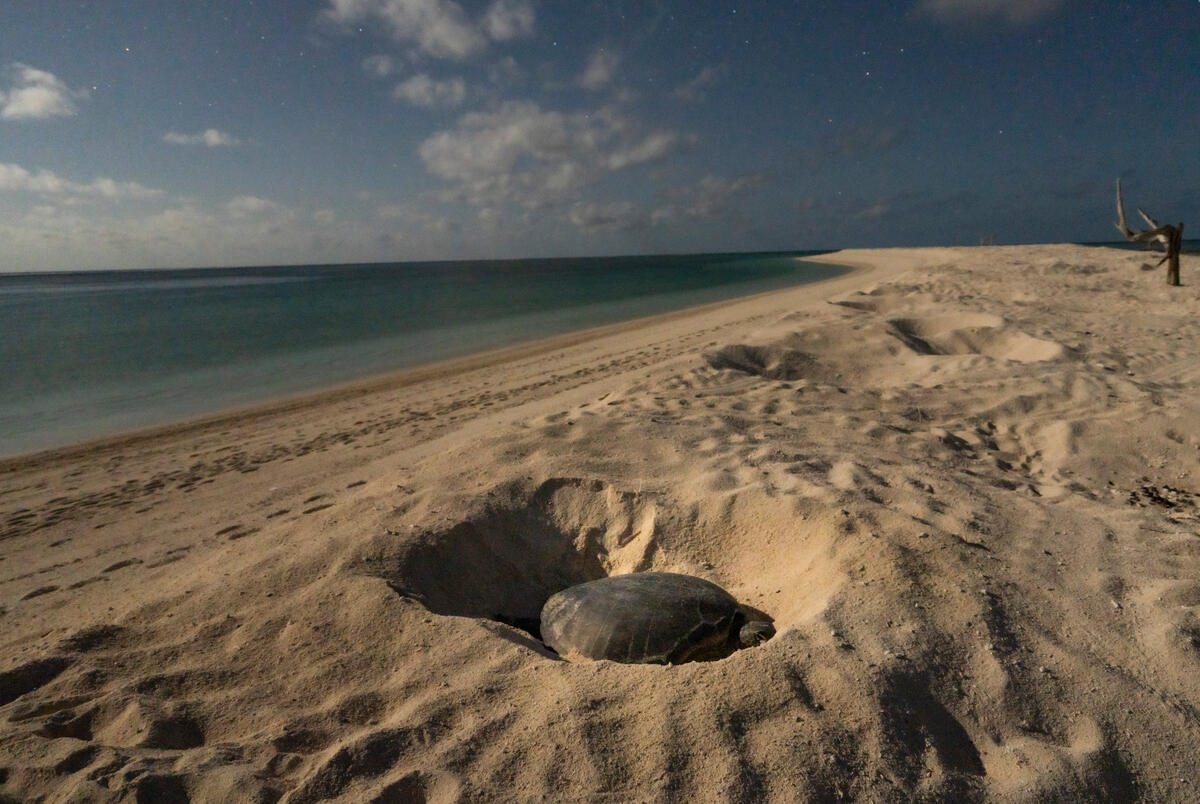
What We’ve Found
Scott Reef’s green turtles aren’t just a local wonder—they’re a globally important breeding stock, part of a species that’s already struggling in the face of climate change and habitat loss. Every nesting beach matters.
Looking at Woodside’s Turtle Management Plan (TMP) for the Browse project— is deeply concerning.
Let’s start with the basics: the green turtle population at Sandy Islet is listed as vulnerable under Australian law. That means it’s supposed to get the highest level of protection. But the TMP doesn’t even meet the minimum standard set by the national Marine Turtle Recovery Plan.
Instead, it underestimates the risks, delays action until damage is done, and relies on outdated data and flawed assumptions.
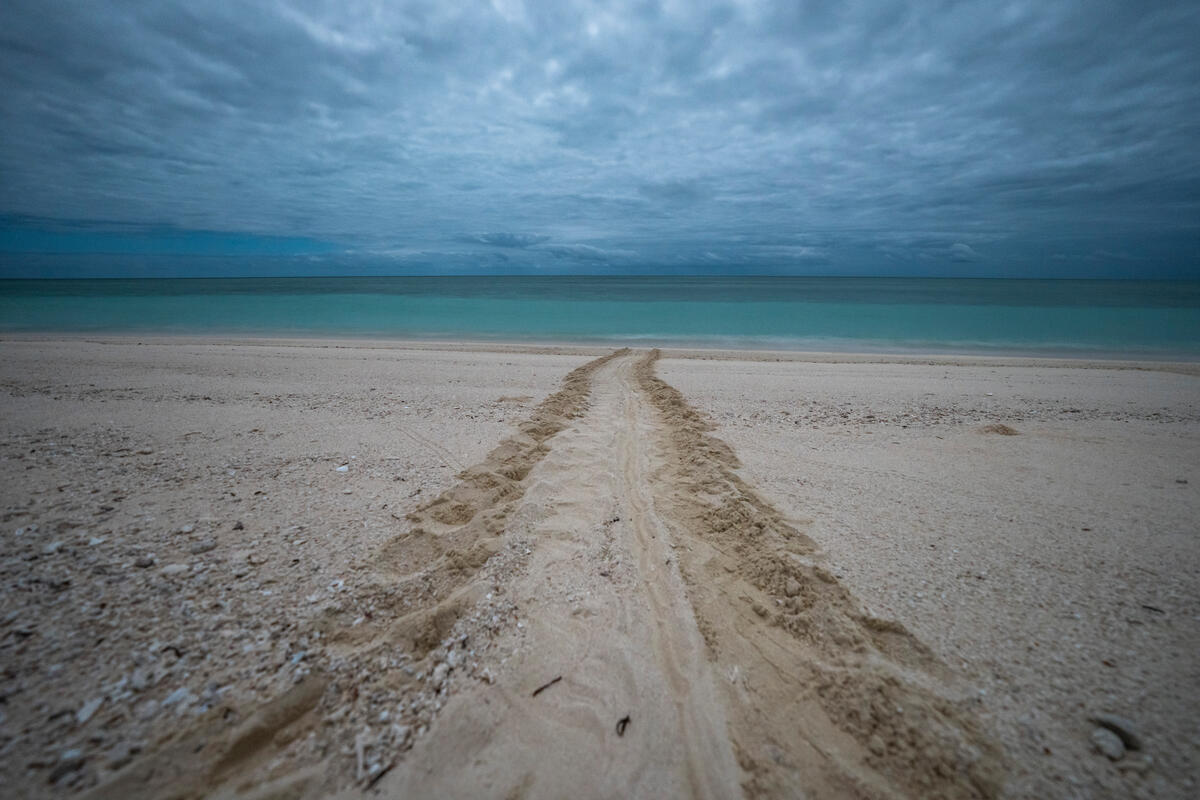
How Woodsides dirty gas plans will hurt turtles
Subsidence and Silent Extinction
When Woodside is sucking out gas from under Scott Reef the threat is that it will cause the seabed around Scott Reef to slowly sink, submerging the turtle’s Sandy islet. Woodside has their own (over 20 years old) data on this and will not make it public.
Light Pollution
Turtles are very sensitive to light pollution caused by drilling and extracting gas. While adult nesting females experience some disturbance from lighting, hatchlings are especially vulnerable as they can become disoriented or mis-oriented by artificial light sources, potentially leading them away from the ocean and increasing their vulnerability to predation. Woodside’s plan to drill for gas at Scott Reef will introduce multiple sources of artificial light including fixed lights and vessel lighting.
The Risk of an Oil spill
A blowout at one of Woodside’s wells could see Scott Reef and Sandy Islet covered in oily pollution. Woodside has conceded that the impacts to Scott Reef from a major spill like this “would likely be severe and potentially irreversible”.
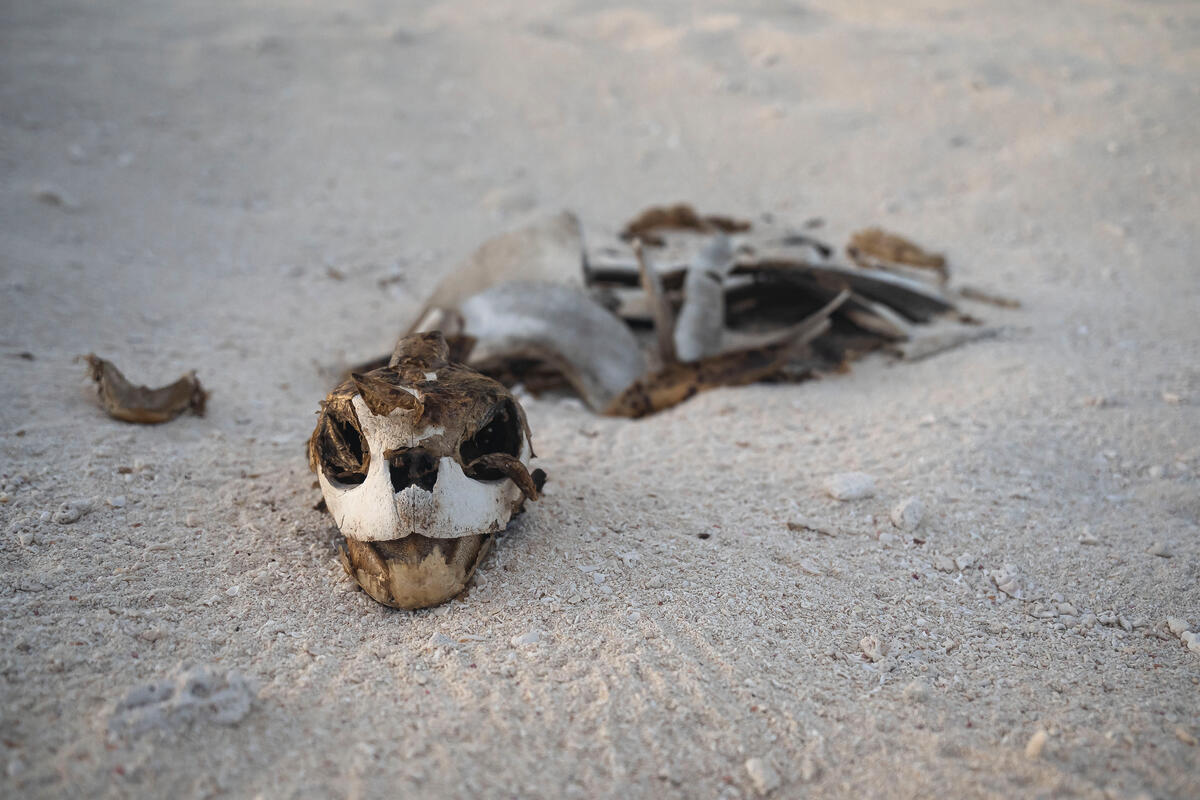
What’s at Stake
If Sandy Islet vanishes, or if hatchlings can’t survive, this population could collapse. And once that happens, there’s no going back.
Because this isn’t just about turtles. It’s about how far fossil fuel companies will go to push their projects forward, even when it puts vulnerable wildlife at risk.
What we need now
On this world turtle day, we need decision-makers—and the public—to see this for what it is: a reckless gamble with one of Australia’s most iconic marine species. The solutions are clear: collect real data, plan ahead, and follow the law.
Greenpeace will keep fighting for the turtles of Sandy Islet—and the countless other communities and ecosystems threatened by the Burrup Hub.
Stay tuned. The turtles can’t speak, but we can speak for them.