Big news for our ocean, the Global Ocean Treaty enters into force today 17th January. Bringing this landmark treaty to life allows governments to create marine sanctuaries in international waters. This people-powered win shows just how much we can achieve when we come together to demand ocean protection.
Because of you, and millions of others who have spoken up around the world, we now have the chance to create vast ocean sanctuaries in the high seas, safe havens where marine life can recover and flourish.
The Global Ocean Treaty is one of the most important international protection agreements in history and the first focused on conserving marine life on the high seas.
We’re celebrating with a mural in Brisbane
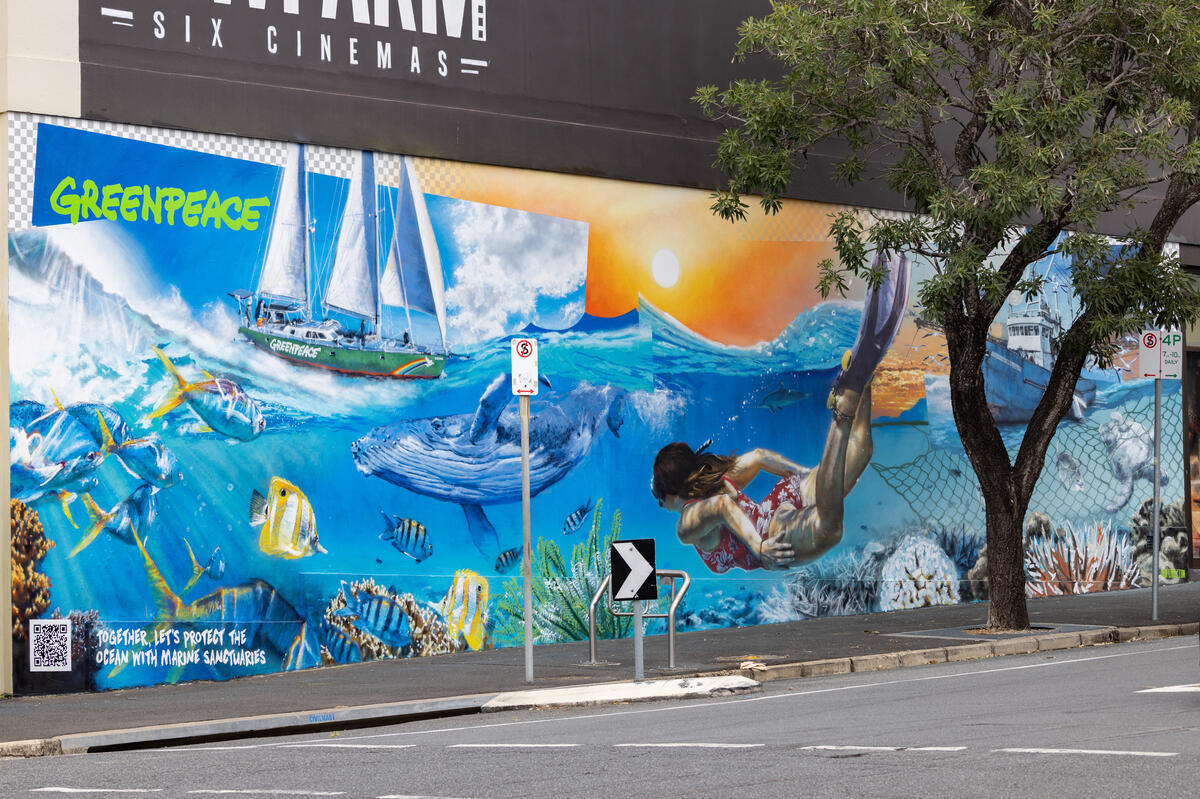
To mark this historic moment, we’re unveiling a powerful new mural on 17 January when the Global Ocean Treaty officially enters into force.
Created by acclaimed artist Gus Eagleton, the mural is located in New Farm, Brisbane, just a stone’s throw from Environment Minister Murray Watt’s office, a deliberate reminder that Australia has the opportunity to lead on ocean protection, the world is watching, and the ocean can’t wait.
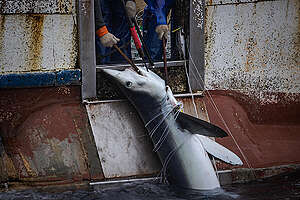
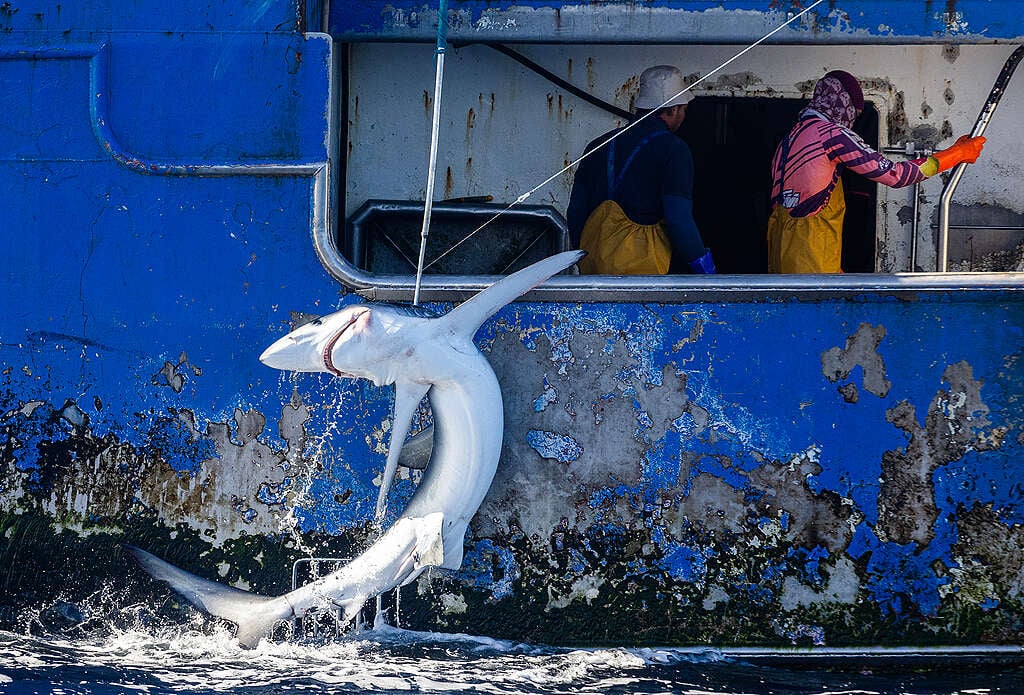
The artwork is both a celebration and a call to action. It captures the extraordinary diversity of ocean life in the Tasman sea. From deep corals to whales and seabirds, while also confronting the threats they face from industrial longline fishing. It tells a clear story: why ocean sanctuaries are urgently needed, and what’s at stake if we fail to act.
This mural exists to spark conversation, inspire hope, and send a loud, public message to decision-makers: Australia must step up and protect the high seas.
If you’re in Brisbane, we’d love you to check out the mural located on the corner of Brunswick St and Barker St, New Farm. Why not grab a couple of happy snaps and share them to socials and tag us!!!

But here’s the catch: Australia still hasn’t ratified
Despite being one of the first countries to sign the treaty at the United Nations General Assembly in 2023, ratification has been delayed. This is cutting it fine if we want to hit the global goal of protecting 30% of our oceans by 2030.
Less than 1% of the High Seas are currently fully or highly protected.
The treaty is crucial to expanding protection, establishing sanctuaries that help mitigate the climate crisis, and safeguarding food security for the billions who depend on ocean resources. Without it, the grim fate of our oceans is clear: more severe marine heatwaves, more loss of species and more ocean acidity. Time is running out.
The Tasman Sea: Australia’s chance to lead
Our region has some of the most extraordinary oceans on Earth, but being surrounded by sea is meaningless if we fail to protect it. The Tasman Sea is home to unique and precious marine life, from whales to seabirds to deep and diverse ecosystems, but without strong safeguards, it remains vulnerable to destructive fishing including long lining and bottom trawling.
The Global Ocean Treaty gives us the tool we need to change that. If Australia ratifies early 2026, we can move quickly to propose one of the first ever high seas ocean sanctuaries, in the Tasman Sea. This would be a legacy making step for the Albanese Government, proving that Australia can be the ocean leader we aspire to be.
The Road to Oceans COP1
The first Conference of the Parties (COP1) under the Global Ocean Treaty is on track to take place in 2026, and it will be a defining moment for the future of the high seas. This meeting is critical to keeping the global goal of protecting 30% of the world’s oceans by 2030 within reach.
COP1 will focus on setting the technical and governance foundations that will shape high seas protection for decades. But there’s a problem: Australia must ratify the treaty to even have a seat at the table.
If Australia ratifies in time, it must come to COP1 ready to lead. That means:
- Showing up as a constructive, ambitious, and science-driven voice
- Supporting strong scientific standards for ocean protection
- Rejecting loopholes that allow industrial fishing or extractive activities to continue in sanctuaries
- Declaring its intention to formally propose a Tasman Sea high seas sanctuary at COP2
This COP isn’t just another international meeting, it’s about writing the rules for how the high seas are protected for generations to come.
Add your voice
Thanks to people-power, the Global Ocean Treaty has become a reality. But unless Australia joins in, we risk being left behind and the Tasman Sea will remain unprotected.
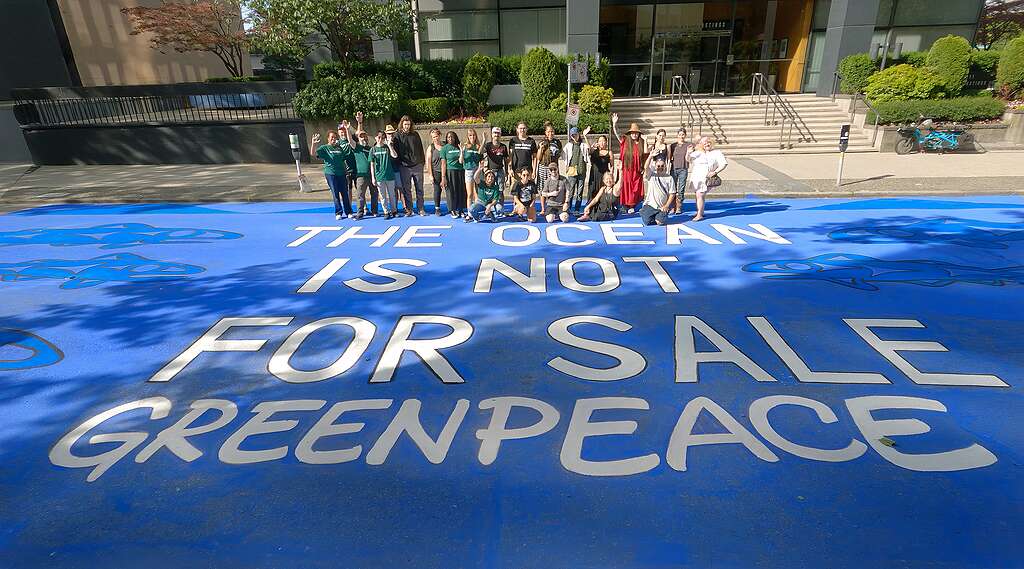
Together, we can push the government to act with urgency. Sign the petition today and tell Minister Watt: Create a First-Generation Ocean Sanctuary in the Tasman Sea.
We need to keep the issue of ocean protection high on the government’s radar to create political momentum and get this treaty ratified. Following ratification, there is also the crucial task of making the case for marine protected areas, and specifically for the protection of the Lord Howe Rise and South Tasman Sea as one of the first sites protected under the Treaty. The Global Ocean Treaty is one of the most significant protection treaties in history, and it should be prioritised by Australia.