It’s World Wetlands Day! Today marks the 44th anniversary of the signing of the Convention on Wetlands of International Importance (otherwise known as the Ramsar Convention).
Just in time for World Wetlands Day, last weekend brought some great news for our Caley Valley wetlands! The people of Queensland voted out the Newman government – who had proposed to dump millions of cubic metres of seabed inside the internationally significant wetlands. Home to thousands of birds and endangered species – dumping on the Caley Valley wetlands would have been disastrous for the animals that rely on them. Luckily, the newly elected state government in Queensland has promised to keep these precious wetlands protected.
So today, let’s celebrate this win for the Caley Valley wetlands, and acknowledge the beauty of wetlands around the world. Enjoy Greenpeace’s most beautiful photos of wetlands below!
Australia
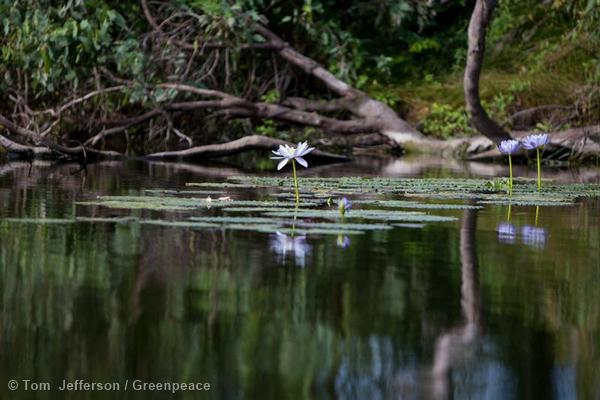
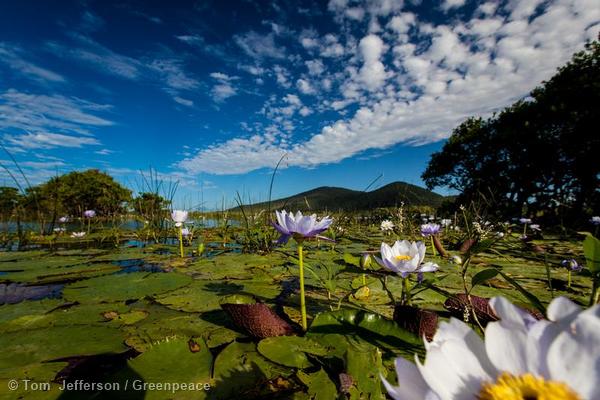
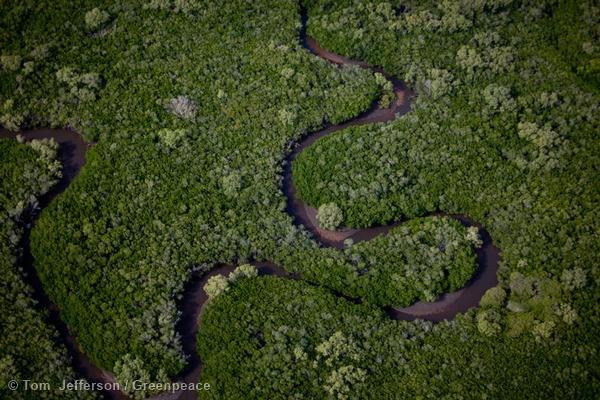
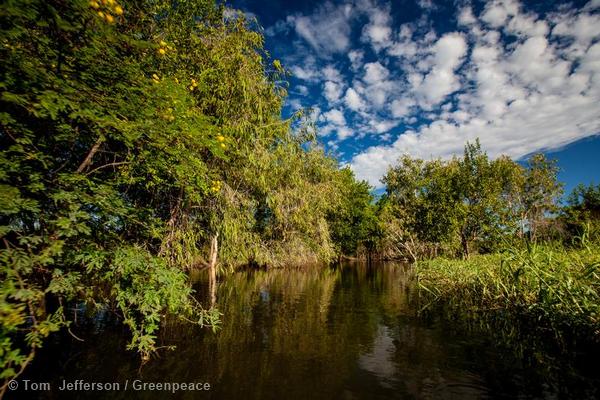
Caley Valley Wetlands. The wetlands are a habitat for over 200 species of birds including the Australian Painted Snipe. The area is also home to endangered turtles, dugongs, whales and over 40,000 water birds.
![Humans have a big problem: we love stuff. The rate at which we’re using the world’s resources is unsustainable - so it’s time we do all we can to tread lightly on the environment.
<figure class="wp-block-image size-large"><img src="https://www.greenpeace.org.au/static/planet4-australiapacific-stateless/2024/02/e478cdb4-upcycling-header.jpg" alt="upcycling-header" /><figcaption class="wp-element-caption"></figcaption></figure>
Many Australians are lucky enough to be able to buy stuff. We’ve been taught that with money and resources comes happiness - and that happiness can be found in our material possessions.
<a href="https://www.greenpeace.org.au/static/planet4-australiapacific-stateless/2024/02/e478cdb4-upcycling-header.jpg"><img class="alignnone wp-image-8871 size-full" src="https://www.greenpeace.org.au/static/planet4-australiapacific-stateless/2024/02/e478cdb4-upcycling-header.jpg" alt="upcycling header" width="600" height="315" /></a>
<strong>Thankfully, many Australians are also lucky enough to be exposed to information about the unsustainable ways our possessions are made, used and disposed of.</strong> The truth is, a lot of our stuff comes from the sacrifice of the natural world and other people. It’s time to see possessions as a privilege and do all we can to cut back.<!--more-->
<h2><strong>What can we do about our obsession with 'stuff'?</strong></h2>
The best way to do this is to stop buying new things altogether. But short of moving to an isolated island and living off the grid as well as self-sufficiently, it's difficult to completely escape our pervasive purchase culture while living in the city. Instead, try asking yourself these three questions when you're buying something new:
1. What resources went into creating, producing, packaging, and delivering this product to me?
2. Will my use of this product achieve a good return on investment for those resources?
3.<strong> Is there another way?</strong> Do I already have something like this at home? Could I borrow this from someone I know? Is there a less resource-intensive alternative? Could I buy this second-hand? Could I make this out of something I already have?
Upcycling could be the answer to that last question. According to Wisegeek:
<p style="padding-left: 30px;"><em>"Upcycling is designed to work in opposition to consumer culture, encouraging people to think of new and innovative ways to use things, instead of simply buying new consumer goods. It also benefits the environment, by promoting reuse over discarding whenever possible".</em></p>
This is particularly important when many of today's products are designed not only for a single use, but will also often outlive their owner. <strong>To give you an idea of how bad this system is, think about this: nearly every single piece of plastic ever created still exists somewhere.</strong> This can't go on.
<h2>In Australia, many know the easily remembered, harder to implement anti-waste mantra of the beginning of this century: reduce, reuse, recycle. In this three word anti-waste slogan, upcycling fits within the realm of reusing.<strong>What's the difference between upcycling and recycling?</strong></h2>
Where recycling takes consumer products like plastic and paper, and breaks them down to make other products - usually of lower quality or value - upcycling turns low value consumer products into new items that ideally are of higher value or need. <strong>It's the deliberate action of seeing a need and filling it not with a new product, but rather a mix of those you have or aren't using.</strong>
TIP: When venturing into the world of upcycling, it's important to remember this caveat: there's a difference between starting an upcycling project because it's fun or creative, and upcycling because you have a need. If you're upcycling for fun, try to make sure you're not wasting products you might otherwise use, buying too many new products for your product, or making something you'll never use.
There's no better place to find upcycling and DIY how-to's than the Internet. So we've scoured the web to find some of the best upcycling tips for your home. Check them out below.
<h2><strong>5 quick upcycling DIYs for your home</strong></h2>
<h4>Bamboo Skewer Scent Diffuser</h4>
<a href="https://www.greenpeace.org.au/static/planet4-australiapacific-stateless/2024/02/ce00c0a2-bamboo-skewer-scent-diffuser.jpg"><img class="alignnone wp-image-8872 size-full" src="https://www.greenpeace.org.au/static/planet4-australiapacific-stateless/2024/02/ce00c0a2-bamboo-skewer-scent-diffuser.jpg" alt="Bamboo-Skewer-Scent-Diffuser" width="600" height="600" /></a>
<a href="http://www.popsugar.com/smart-living/Homemade-Reed-Diffuser-30009693">Find the tutorial on PopSugar here</a>. Photo: Sarah Lipoff
<h4>Bottle Charging Station</h4>
<a href="https://www.greenpeace.org.au/static/planet4-australiapacific-stateless/2024/02/711d4bf2-bottle-charging-station.jpg"><img class="alignnone wp-image-8873 size-full" src="https://www.greenpeace.org.au/static/planet4-australiapacific-stateless/2024/02/711d4bf2-bottle-charging-station.jpg" alt="Bottle-Charging-Station" width="600" height="500" /></a>
PopSugar also put together this handy DIY - <a href="http://www.popsugar.com/smart-living/Upcycled-Plastic-Bottle-Charging-Station-32356988">read the instructions here</a>. Photo: Sarah Lipoff
<h4>Mason Jar Planters</h4>
<a href="https://www.greenpeace.org.au/static/planet4-australiapacific-stateless/2024/02/65d980c5-mason.jpg"><img class="alignnone wp-image-8874 size-full" src="https://www.greenpeace.org.au/static/planet4-australiapacific-stateless/2024/02/65d980c5-mason.jpg" alt="mason" width="600" height="769" /></a>
<a href="http://www.notjustahousewife.net/2011/08/mason-jar-wall-planter.html">Tutorial via notjustahousewife.com.</a>
<h4>Milk Carton Watering Can</h4>
<a href="https://www.greenpeace.org.au/static/planet4-australiapacific-stateless/2024/02/f59704c2-watering.jpg"><img class="alignnone wp-image-8875 size-full" src="https://www.greenpeace.org.au/static/planet4-australiapacific-stateless/2024/02/f59704c2-watering.jpg" alt="watering" width="600" height="600" /></a>
This one’s pretty straightforward, but you can <a href="http://ajourneytoadream.blogspot.co.uk/2012/03/helpful-yet-simple-diy-for-spring.html?showComment=1332868588728">check out the tutorial from ajourneytoadream.co here.</a>
<h4>Plastic Bottle Bird Feeder</h4>
<a href="https://www.greenpeace.org.au/static/planet4-australiapacific-stateless/2024/02/d1f65f9b-feeders.jpg"><img class="alignnone wp-image-8877 size-full" src="https://www.greenpeace.org.au/static/planet4-australiapacific-stateless/2024/02/d1f65f9b-feeders.jpg" alt="feeders" width="600" height="512" /></a>
<a href="http://www.inriodulce.com/links/plastic%20uses.html">Learn more at inriodulce.com.</a>
[optin-monster-shortcode id="yvqepuxvguhcvfh22aie"]
<h2><span style="font-size: 16px;">
Right now, Greenpeace is running a Green Living blog series. </span><a style="font-size: 16px;" href="https://feedburner.google.com/fb/a/mailverify?uri=org/gpap">If you want more tips about how to make more environmentally-friendly and sustainable lifestyle choices, you can subscribe for blog updates here.</a></h2>
<h2>Want more upcycling tips?</h2>
If you like our content, have suggestions, or would like to request a blog on a Green Living topic - let us know in the comments section below!
<h2>Learn more about the impacts of our consumer culture</h2>
For more information about the cycle of goods we perpetuate - check out this great mini-documentary called ‘The Story of Stuff’.
<iframe src="https://www.youtube.com/embed/9GorqroigqM" width="600" height="338" frameborder="0"></iframe>
<a href="https://www.greenpeace.org.au/signup/email/?subscribe=month&src=hpw"><b><i>Want to do more? Sign up to join 400,000 Greenpeace supporters and get opportunities to create change straight into your inbox!</i></b></a>](https://www.greenpeace.org.au/static/planet4-australiapacific-stateless/2024/02/40c6626e-gp04926-1.jpg "Upcycling 101: How to turn your stuff into other stuff")
Balaclava Island off the coast of Gladstone. The area is under threat from coal mining and in particular the loss of the Bimblebox nature reserve – home to the endangered Black-Throated Finch.
Indonesia
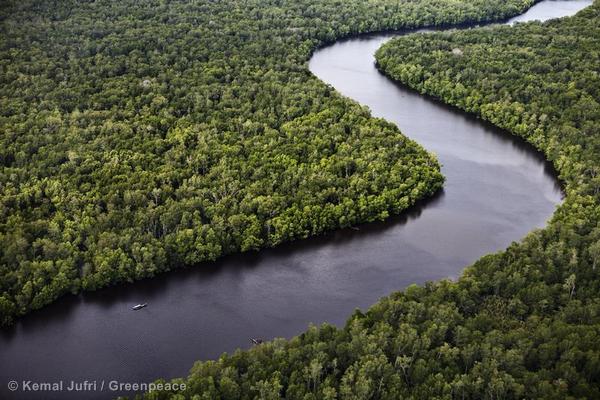
Sungai Sembilang Nature Conservation Park in South Sumatra.
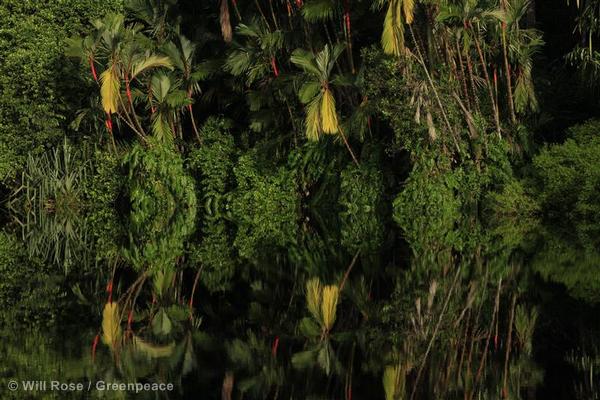
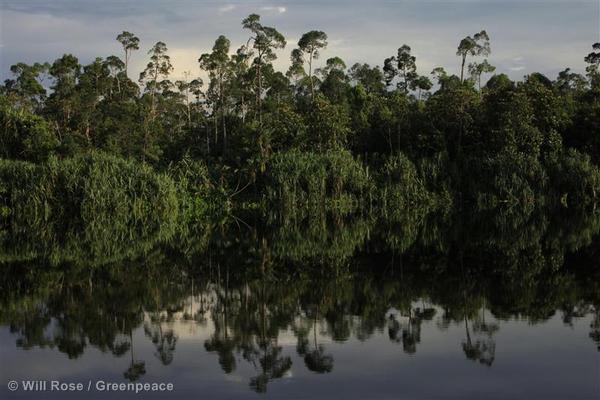
Intact peatland rainforest reflected in the afternoon sunlight on ‘Lake Besar’, during a journey through some of Riau’s most beautiful forests up the Serkap river.
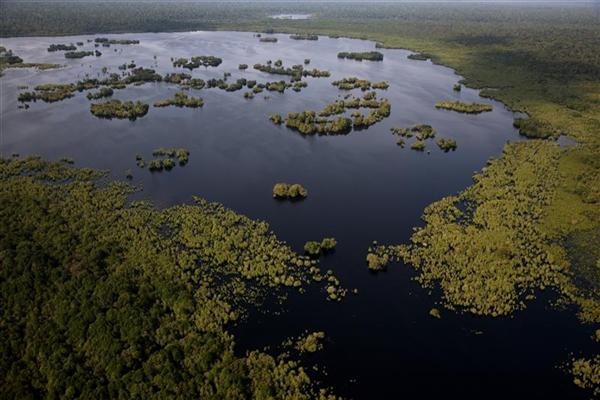
Peatlands (wetlands) in the Kampar peninsula. The Kampar peninsula is the last large intact area of peat swamp forest in Riau with some of the deepest peat in Indonesia, the rest has been destroyed by the agriculture and logging industries.
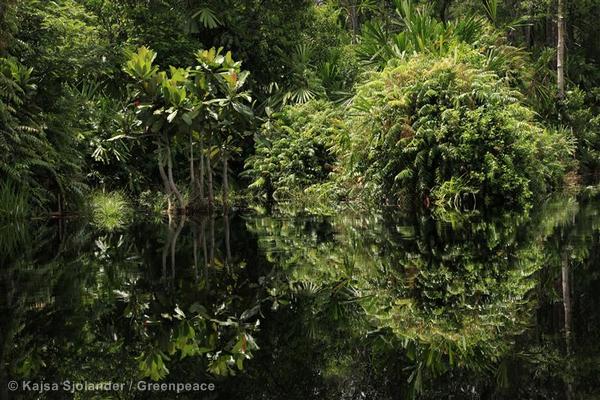
Peatland rainforest reflected on the Serkap river.

Old peatland trees inside the Karuputan Nature Reserve in the Kampar Peninsula. This area is a good example of protected peatland forest.
Brazil
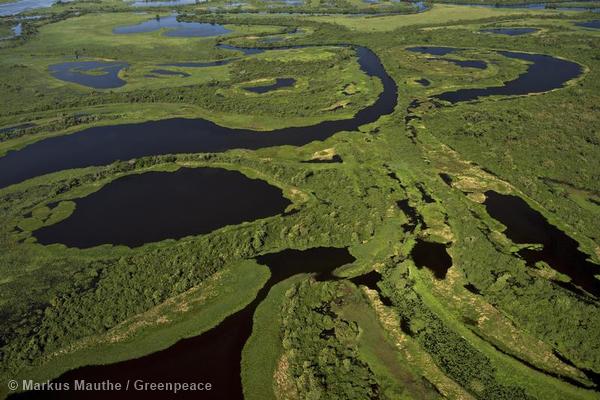
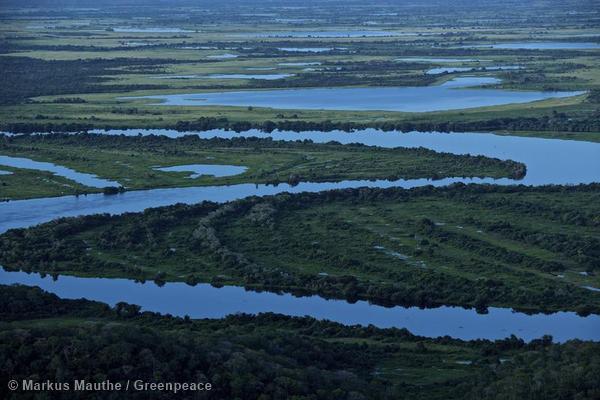
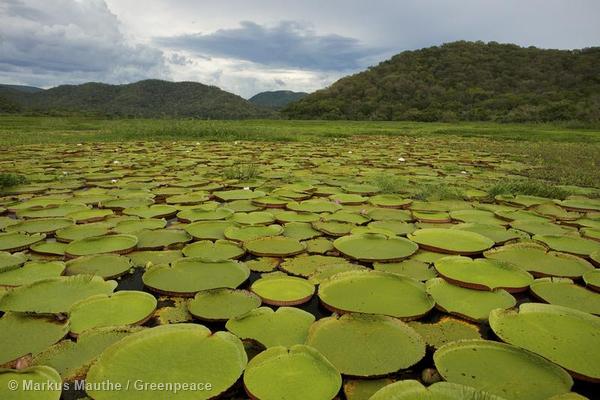
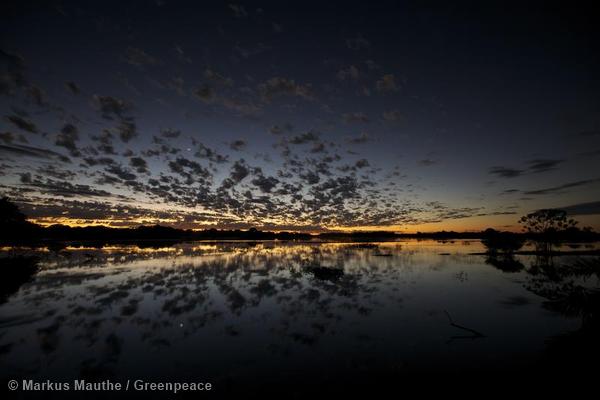
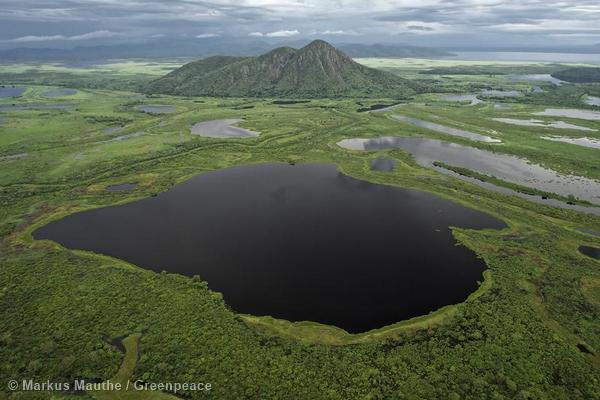
Photos from the Pantanal Wetlands in Brazil.