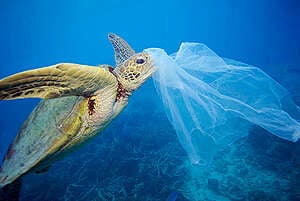
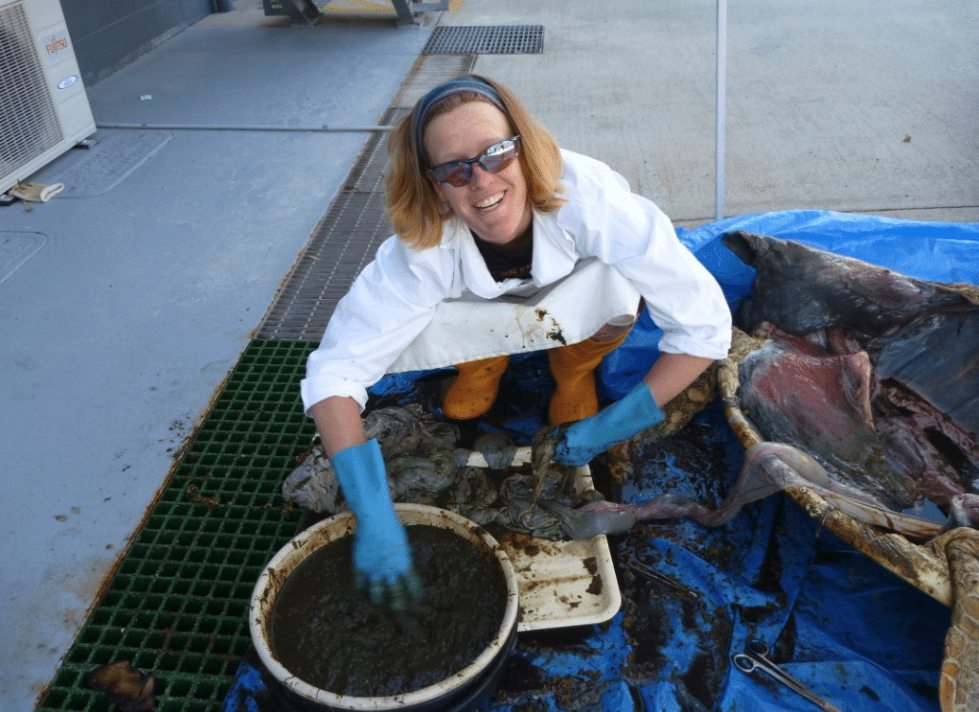
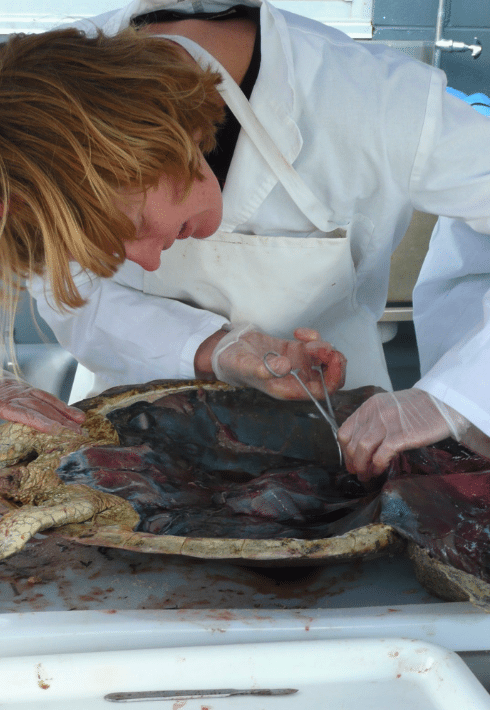
I’ve spent a significant portion of the last 6 years forcing turtle poop through a sieve. Seriously. As a sea turtle researcher focused on understanding the what, why, and where of turtles eating harmful plastics, I’ve had to cut open hundreds of sea turtles stranded dead on beaches in Moreton Bay and the Queensland coast to see what is in their digestive system.
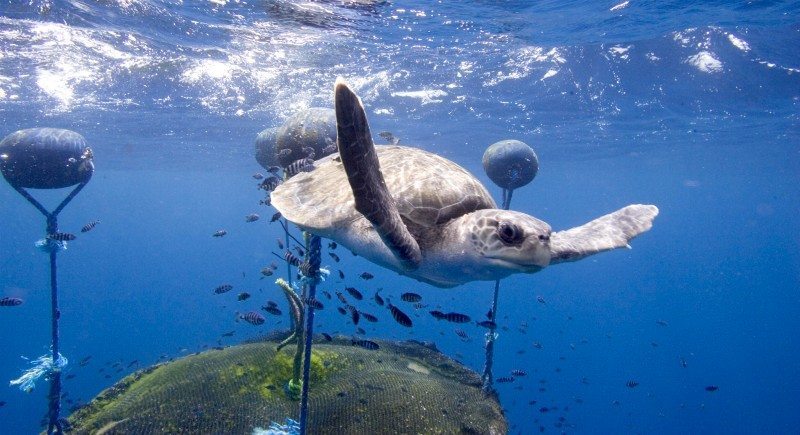
Turtle and FAD in East Pacific Ocean
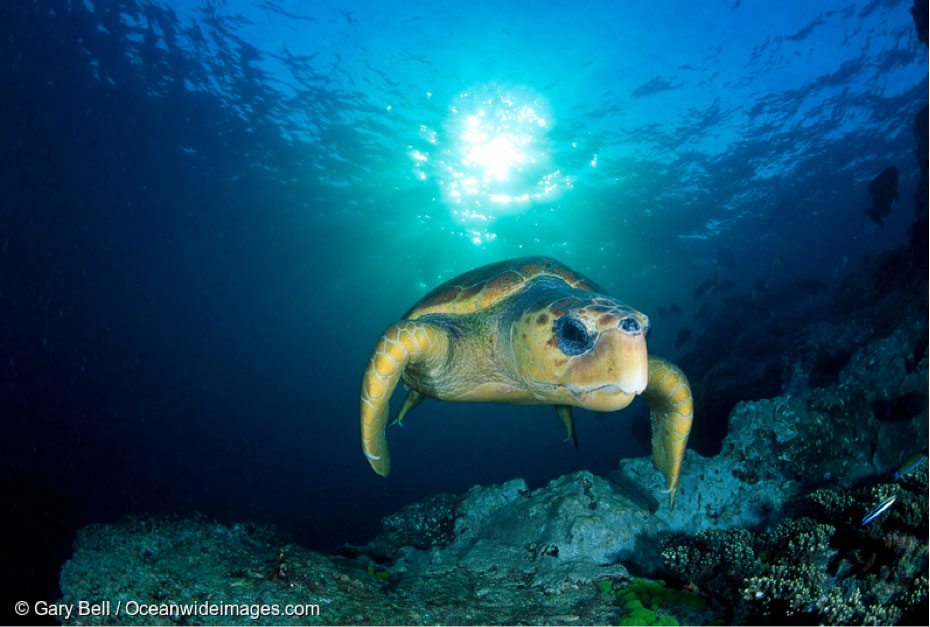
Loggerhead turtle swimming around a fish aggregation device

By Dr Qamar Schuyler, Marine Scientist at The University of Queensland.

What I found was scary
<!-- wp:paragraph -->
<p>In <strong>Sydney</strong>, streets were awash in a sea of red on Saturday as thousands of Sydneysiders joined the national climate rally. We were there to demand the government step up its response to the climate emergency. Polar bears and families mingled with people dressed in red (to symbolise urgency). Others marched in groups: climate justice, trade unions, multifaith, Greenpeace, students, The Greens.</p>
<!-- /wp:paragraph -->

<!-- wp:paragraph -->
<p>The rally began with moving speeches and a sense of community spirit was strong as we marched through The Rocks and Circular Quay. There was intense interest from tourists enjoying a sunny winter’s Sunday. When we arrived at Kevin Rudd’s office on Phillip St, people spontaneously sat down in the road, their gesture protesting the government’s sellout to big polluters and calling for an urgent transition to renewable energy.</p>
<!-- /wp:paragraph -->

<!-- wp:paragraph -->
<p>The scene was similar in climate rallies held simultaneously in capital cities across Australia. In <strong>Melbourne</strong>, 4000 people turned out on a chilly 12-degrees day, stopping mid-march to sit down outside the ALP Conference and rattle their keys to make their protest heard. Another 1200 took to the streets in <strong>Hobart</strong>, despite the cold and wet, with a great vibe among the crowd.</p>
<!-- /wp:paragraph -->

<!-- wp:paragraph -->
<p>In <strong>all state capitals</strong>, people stood for a minute’s silence for the past, present and future victims of climate change, and wrote messages to Kevin Rudd on long strips of red fabric. These messages will be delivered to the Australian delegation to the Copenhagen global climate talks.</p>
<!-- /wp:paragraph -->

<!-- wp:paragraph -->
<p>>> <strong><a href="https://www.greenpeace.org.au/climate/TakeAction.html" target="_blank" rel="noopener">Take action: Use your power to get climate action</a></strong></p>
<!-- /wp:paragraph -->
Dr Qamar Schuyler performing a necropsy on a dead turtle to see if it ingested plastic debris.

About 30 per cent of turtles in Moreton Bay have eaten plastics. But if you look a little more closely, you’ll find that not all turtles are equal in their appetite for plastic. Young, ocean going sea turtles are far more likely to ingest harmful bits of plastic. About 55 per cent of the ocean-going turtles we surveyed had eaten plastics, while only 25 percent of the coastal dwellers had.

How far would you go for what's right? Would you risk arrest? How high you would climb to save a planet?

In 2007, six volunteer activists scaled a 220-metre chimney at a UK coal power station to protest against government plans to build new coal plants. If the action wasn't breathtaking enough (vertigo sufferers be warned), a landmark court case followed, with supporting testimony by the world's leading climate scientist, Dr James Hansen of NASA. The New York Times listed the defence of "lawful excuse" as one of the ideas that defined 2008.

Inspired by their story, internationally acclaimed director Nick Broomfield made a 20-minute film celebrating the spirit of direct action. <strong>A Time Comes</strong> (Bright Green Pictures) follows the protest of the Kingsnorth Six and the court case that made history.

>> <strong><a href="http://www.vimeo.com/4891783" target="_blank" rel="noopener">Watch the full movie</a></strong> [20 mins]

[youtube]https://youtu.be/NvCxrI75R04[/youtube]
Plastics found in the stomach of turtles.

Most turtles spend the early part of their lives floating around at the surface of the ocean, moving with the ocean currents… as does plastic. These young turtles eat as much as they can, trying to grow big and strong before they move back to coastal waters, where more predators live. Unfortunately, when they come into contact with plastic, they eat that along with everything else. Much of what we see in these turtles’ guts is hard, white bits of plastic.

Once the turtles move back to the coast, however, they begin feeding at the bottom of the ocean. They are less likely to come into contact with plastics at the surface, but when they do, they typically eat soft, translucent plastics. We think turtles mistake these plastics for jellyfish, one of their food sources.

The numbers in Moreton bay are scary, but it gets even more scary when you look at the rest of the world. We compiled studies from around the world, and plugged them into a computer model to estimate how many turtles worldwide had ingested debris. According to the model, over 50% of turtle worldwide are likely to have debris in their bellies.
turtle 2

So what does that really mean for these guys? Well, plastic can have a number of harmful impacts for turtles and other wildlife.

Only a few pieces of plastic are enough to kill a turtle by blocking its gut or piercing the gut wall. So many of these animals are at risk of dying. But that’s not all. Plastic can also potentially cause a host of non-lethal problems by leaching toxic compounds into the animal. Scientists still don’t have a full understanding of the impacts from these toxic compounds, but we think they can affect reproduction and have other impacts on turtle populations.
turtle

Well, it all sounds like pretty dire news, doesn’t it? From my years of heartbreaking work on these beautiful animals, I will admit that it can be hard at times to look on the bright side. But the great thing is, I have also been very lucky to spend a lot of time teaching non-scientists about what I have learned. And the even greater thing is that I have seen them take the message on board, and not only change things in their lives, but also tell others about what they’ve learned.

For example…a year 1 class in South Australia did playground clean ups and found that the most commonly littered item was the plastic wrapper from their juice box straws. So, they asked the lunch ladies to collect a 5 cent deposit from anyone buying a juice box. When they brought the straw wrapper back, they got their deposit back. Just like a container deposit scheme, and after a week, there were almost no plastic straw wrappers on the school grounds.

If a year 1 class can make a difference, surely all of us more educated people can as well. I don’t have to tell you how to reduce your plastic usage…just get out there and do it. And even more importantly, talk about what you’re doing! Get your friends and families and the politicians and the retailers on board as well, that’s the only way we’ll make a difference!

<!-- wp:paragraph -->
<p><strong>Today, 12 environmental organisations representing more than 400,000 Australians launched <a href="http://www.greenpeace.org/australia/resources/reports/climate-change/planb-110609"><em>Plan B</em></a>, calling for immediate action on climate change in the absence of an effective policy to price greenhouse pollution and cut emissions. </strong></p>
<!-- /wp:paragraph -->

<!-- wp:paragraph -->
<p>Penny Wong once said that the Government’s Carbon Pollution Reduction Scheme, as a vehicle for reducing greenhouse gas emissions, was “no Ferrari”. It would appear not, but whatever kind of vehicle does suit the CPRS analogy (my old scrap-heaped EA Falcon springs to mind), it has clearly stalled.</p>
<!-- /wp:paragraph -->

<!-- wp:paragraph -->
<p>With the opposition refusing to allow the legislation to pass until next year and the Greens holding out for unconditional targets that at least show some respect for the science, the CPRS is looking dead-on-arrival into the Senate.</p>
<!-- /wp:paragraph -->

<!-- wp:paragraph -->
<p>We’re facing the likelihood of being two years on from the last election and still without a policy instrument that forces Australia’s greenhouse gas emissions to fall. That’s an awfully long time to wait. Especially when climate scientists are warning that we only have a few years in which to make major cuts in emissions.</p>
<!-- /wp:paragraph -->

<!-- wp:paragraph -->
<p>Of course, the CPRS in its current form was never going to be that policy instrument. A pathetically low target; the ability for polluters to offset all of their emissions through the international market; granting of property rights to polluters; obscene levels of compensation; and too many other flaws to list here, have turned the CPRS into dangerous legislation for the climate, locking Australia into high emissions. The treasury modelling also indicated that despite the government having an aspirational target of 60 per cent by 2050, actual emissions by that time would be the same as in 1990.</p>
<!-- /wp:paragraph -->

<!-- wp:paragraph -->
<p>This being the case, we should watch with relief as the CPRS flounders in the Senate: not to say we abandon the idea of a policy that puts a price on carbon - a well-designed policy of that ilk would play an important role in the transformation to a low-carbon society. However, as far as the CPRS is concerned, it’s back to the drawing board.</p>
<!-- /wp:paragraph -->

<!-- wp:paragraph -->
<p>So what to do in the meantime? The science tells us that climate change is still just as urgent and each day we delay takes us ever closer to triggering runaway climate change. It’s time to implement Plan B. If we are going to reduce our greenhouse gas emissions in a way that reflects the urgency of climate change, it will mean a massive shift from coal-fired electricity to renewable energy over the next decade. We can act now to prepare Australia for this energy revolution.</p>
<!-- /wp:paragraph -->

<!-- wp:paragraph -->
<p>We need to set our sights high, and with our unparalleled renewable energy resources and the technical reality of large-scale baseload renewable energy, Australia should be aiming for all of our electricity to be coming from renewable sources by 2020: 100 per cent.</p>
<!-- /wp:paragraph -->

<!-- wp:paragraph -->
<p>That’s a challenging proposition - 100 per cent renewable energy by 2020 - but preferable to the frightening prospect of catastrophic climate change. But here is the point. Any major transformation in how we produce and use energy will depend on early action to give us the capacity to deliver this rapid change. This is why we need to lay down our ambition now: it will force us to contemplate what action we must take now to achieve this transformation.</p>
<!-- /wp:paragraph -->

<!-- wp:paragraph -->
<p>And having thought about it, there is plenty Australia can do right now to make deep cuts in our energy emissions. Here are just a few examples:</p>
<!-- /wp:paragraph -->

<!-- wp:list -->
<ul><!-- wp:list-item -->
<li>double the size of the renewable energy target, using it to support wind, biomass and hydro power, which are the technologies best suited to take advantage of this policy;</li>
<!-- /wp:list-item -->

<!-- wp:list-item -->
<li>use feed-in tariffs, where renewable energy producers are paid a premium rate for their energy, to drive the uptake of solar thermal, solar PV, geothermal and wave power. These technologies can then be developed independently of the renewable energy target, allowing an even greater share of renewable energy into the mix;</li>
<!-- /wp:list-item -->

<!-- wp:list-item -->
<li>redirect subsidies that encourage fossil fuel use towards restructuring the electricity network to support large-scale renewable energy;</li>
<!-- /wp:list-item -->

<!-- wp:list-item -->
<li>introduce a program that gives every building in Australia an energy and water efficiency overhaul in the next decade, including mandatory solar hot water;</li>
<!-- /wp:list-item -->

<!-- wp:list-item -->
<li>plan with education sector to introduce courses, apprenticeships and on the job training that will create the green collar workforce required to deliver the energy revolution; and</li>
<!-- /wp:list-item -->

<!-- wp:list-item -->
<li>develop a plan to provide new opportunities, compensation, re-training, priority access to services and other support measures to communities adversely affected by the transition from coal to renewable energy.</li>
<!-- /wp:list-item --></ul>
<!-- /wp:list -->

<!-- wp:paragraph -->
<p>All of this could be done in the next 12 months and we certainly don’t need to wait for an effective emissions trading scheme to make them happen. Of course, much more than this list alone will be required, but the point is that with immediate action, Australia can make deep and rapid cuts in greenhouse gas emissions.</p>
<!-- /wp:paragraph -->

<!-- wp:paragraph -->
<p>We were always going to need a plan B to deliver the necessary cuts, with or without the CPRS. Fortunately the solutions can still be implemented, making a genuinely low-carbon future achievable.</p>
<!-- /wp:paragraph -->

<!-- wp:paragraph -->
<p><em>Originally posted in <a href="http://www.onlineopinion.com.au/view.asp?article=9028" target="_blank" rel="noopener">Online Opinion</a></em></p>
<!-- /wp:paragraph -->

Dr Qamar Schuyler