Our Oceans Need Protection from Industrial Fishing Now.
Western Australia has just taken an historic step.
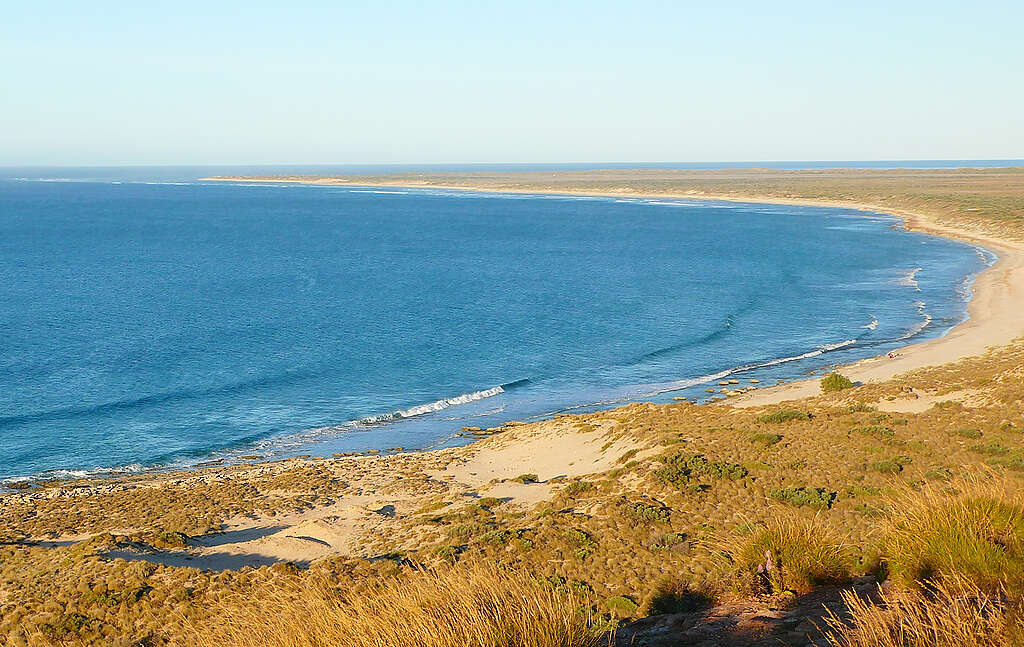
The new ban on catching demersal species (fish that feed on or near the seafloor) across Perth and much of the West Coast is more than a policy change. It is a warning signal. Our oceans are under pressure like never before and marine life cannot withstand business as usual.
Demersal species like WA dhufish, pink snapper and red emperor have been pushed to the brink after decades of intense fishing pressure. Some populations have been reduced to a fraction of their healthy levels. When a Government steps in to halt both commercial and recreational fishing, it shows just how dire the situation has become. Recovery will take years and in some places even decades.
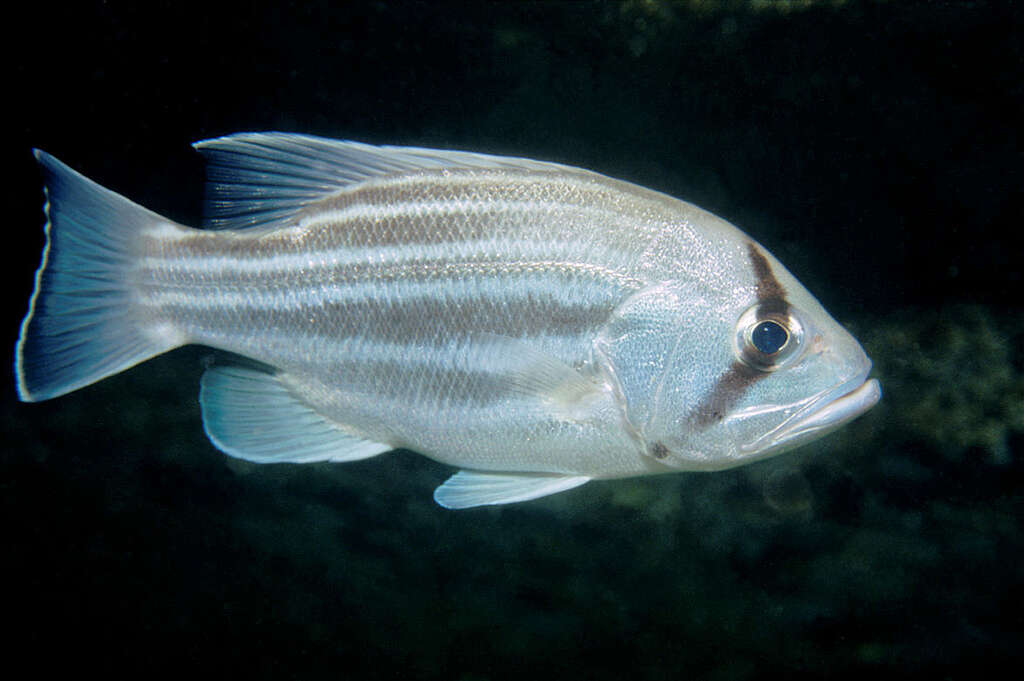
This moment makes one thing absolutely clear. If we want oceans that are alive, abundant and resilient, we must take bold action to protect them from industrial fishing. But there will only be a 21-month ban on people recreationally fishing for demersal species from boats. What is actually needed are permanent fully protected sanctuaries where recreational and industrial fishing is never allowed again.
Industrial fishing is emptying our oceans
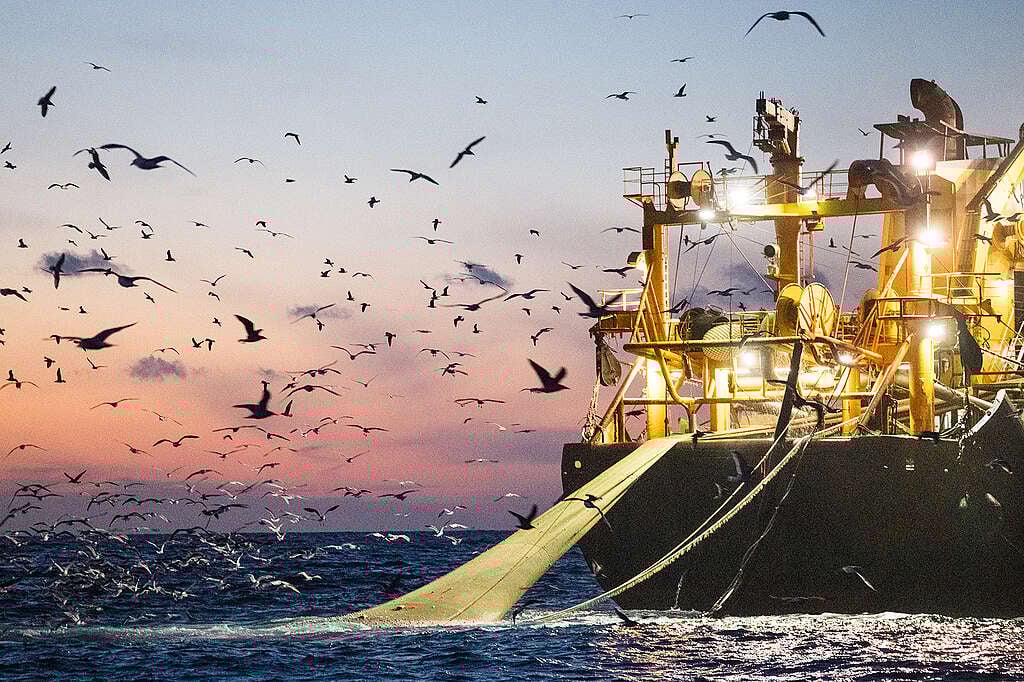
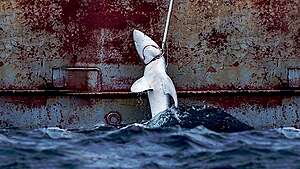
Across Australia and around the world industrial fishing is the biggest threat to marine life. Giant trawlers and longliners drag fishing nets and hooks across enormous stretches of ocean every single day. They remove fish faster than species can reproduce and they damage the habitats those species need to survive.
Trawling is one of the most destructive methods. Heavy weighted nets are dragged across the seafloor where they smash corals, destroy sponge gardens and uproot ancient marine habitats. Entire seafloor ecosystems can be wiped out in a single tow. The science is clear. Trawling has to stop if we want healthy oceans and thriving marine life.
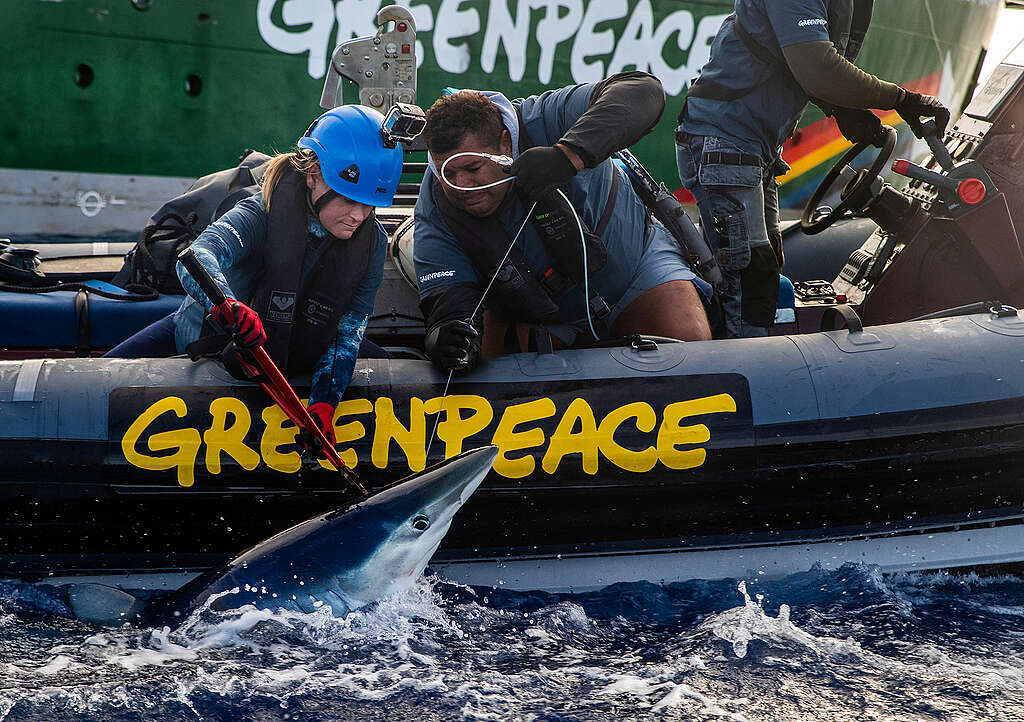
Longlining is equally harmful in the open ocean. Tens of thousands of baited hooks are suspended in the water for hours at a time. Sharks, seabirds, marine mammals and turtles become accidental victims. These methods are designed for maximum catch but they come at a devastating cost to marine life.
The new WA ban proves a simple truth. When governments listen to science and acknowledge ecological limits, marine species can finally begin to recover.
This is why we need marine sanctuaries
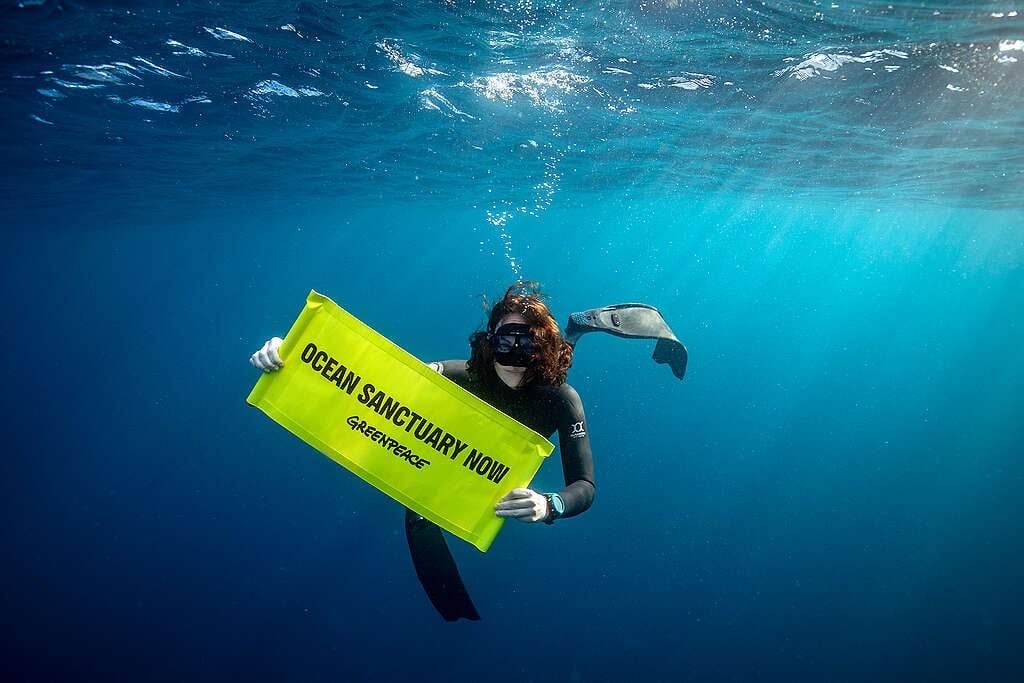
Greenpeace has spent decades advocating for marine sanctuaries around the world. Sanctuaries are areas fully protected from industrial fishing and other extractive industries. They act as safe havens where marine species can feed, breed and rebuild their populations without pressure.
Science shows that fully protected marine areas lead to more fish breeding, as well as the protection of turtles, whales, sea birds and dolphins that are harmed and killed as a result of industrial fishing, and therefore healthier ecosystems overall. Sanctuaries also help rebuild the fisheries that coastal communities depend on. When oceans flourish, everyone benefits.
Right now the world has a once in a generation opportunity to create the largest network of ocean sanctuaries in history.
The Global Ocean Treaty
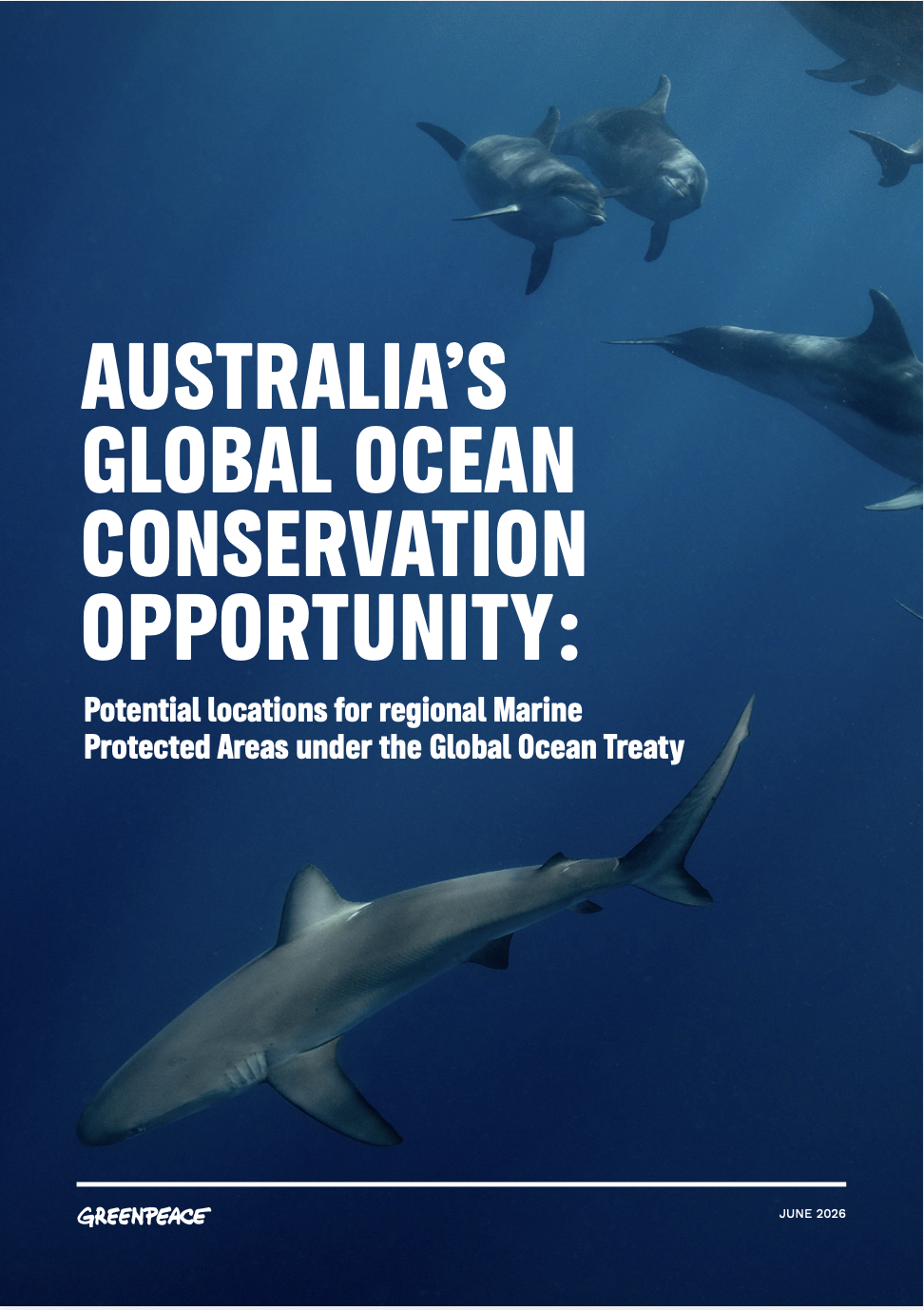
On the 17th of January the Global Ocean Treaty will enter into force. It is the first international agreement that allows the creation of marine sanctuaries in the high seas. These waters make up almost half the planet. They are home to extraordinary wildlife but until now they have been almost entirely unprotected and heavily targeted by industrial fishing.
The Treaty has been ratified by the required number of countries which means it can now enter into force. But for Australia to help create new high seas sanctuaries our Government must ratify it too. Until that happens Australia cannot vote to protect any part of the high seas from destructive activities including longlining and bottom trawling.
This delay is holding back global ocean protection at a moment when marine life does not have time to spare.
Protecting Australian waters at home
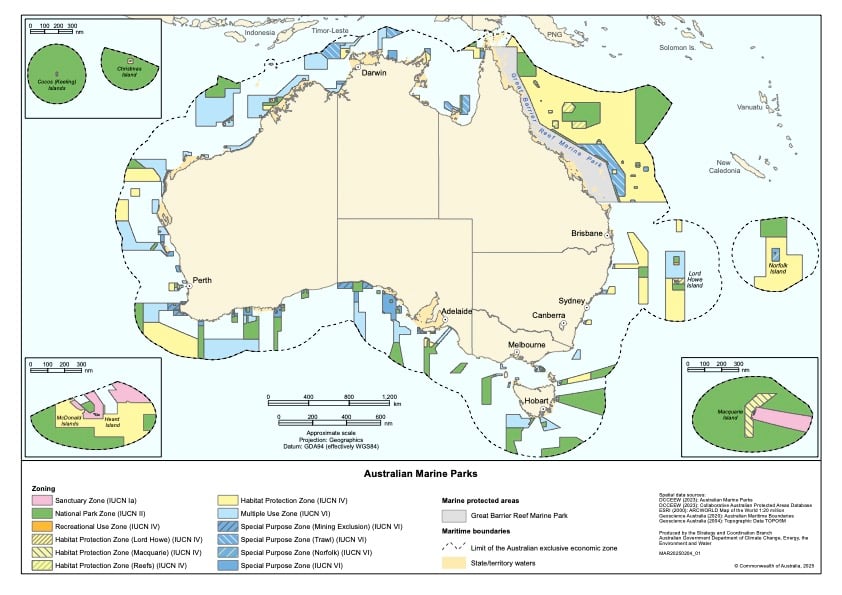
Our work does not stop at the high seas. Next year Australia begins the ten year review of Commonwealth Marine Parks. This is a crucial chance to strengthen protections in our own backyard. Many parks still allow industrial fishing inside their boundaries which makes them protected in name only.
We need large areas that are fully protected. Areas where no industrial fishing, gas or oil extraction is allowed. Areas that safeguard biodiversity and build resilience against climate change. Areas that secure the long term health of our oceans and the species that call them home.
The truth is our oceans at home are still under threat
Research from ocean conservation groups, shows that many Australian waters that appear protected on paper are still exposed to industrial pressure. Commercial fishing continues inside large areas of Commonwealth Marine Parks and offshore oil and gas exploration threatens sensitive marine ecosystems. Seismic blasting, drilling and industrial fishing have long lasting impacts on marine life. These activities continue even in zones that Australian communities believe are safe. True protection means removing these threats entirely and creating sanctuaries where marine species can recover without the constant stress of extraction.
A welcome step from Western Australia
The WA Government has shown what leadership looks like when marine life is in crisis. The demersal ban is necessary. It gives species a chance to recover and shows that governments can act decisively when science demands it. The next step is to introduce permanent marine sanctuaries where species are protected in perpetuity.
A healthy ocean benefits all of us. It supports livelihoods, provides food security and helps stabilise our climate. Most importantly it is home to extraordinary wildlife that deserves to thrive.
What Australia needs to do now
If we want healthy oceans now and for future generations we need strong action at every level.
- Australia must ratify the Global Ocean Treaty as soon as possible
- We need fully protected marine sanctuaries in the high seas
- We need stronger protections in Australia’s Commonwealth Marine Parks
- We need an end to harmful industrial fishing practices including longlining and bottom trawling
The WA ban shows what happens when we wait too long. Marine species face collapse and emergency measures become the only option. We cannot let that happen on the high seas or in the rest of Australia’s domestic waters.
The decisions we make in the next few years will build the future of our oceans for decades to come. We’re shaping up bold and impactful campaigning for 2026 to protect our oceans here in Australian waters and the high seas.
Now is the moment to choose protection over exploitation.Have your voice heard, call on the Australian government to hurry up and ratify the Global Oceans Treaty to create a first generation marine sanctuary in the Tasman Sea https://www.greenpeace.org.au/act/ocean-treaty