It’s been a huge week for our oceans, and I have some great news to share with you.
On Friday, <strong>the world’s largest marine protected area was created in the Ross Sea, off the coast of Antarctica!</strong> It’s a huge win for this pristine part of the world and the incredible marine life like emperor penguins, orcas and minke whales that call it home.

It took years of hard work to get here and was only made possible thanks to millions of people, and the Antarctic Ocean Alliance which Greenpeace is a part of, speaking out. We can achieve so much when we persevere together.

<strong><a href="https://www.facebook.com/dialog/feed?app_id=134530986736267&link=https%3A%2F%2Fwww.facebook.com%2Fgreenpeaceaustraliapacific%2Fvideos%2F10155071388882971&redirect_uri=http://facebook.com/&utm_campaign=GPAP&utm_source=Website&utm_term=Blog&utm_medium=referral&bucket=GPAP&source=ca_GPAP_.uso_Website_.uter_Blog_.umed_referral_._20161031163502_&src=Blog&ea.tracking.id=ca_GPAP_.uso_Website_.uter_Blog_.umed_referral_._20161031163502_" target="_blank" rel="noopener">Watch and share our new video on Facebook</a>, or forward this email to celebrate the news:</strong>

<a href="https://www.facebook.com/dialog/feed?app_id=134530986736267&link=https%3A%2F%2Fwww.facebook.com%2Fgreenpeaceaustraliapacific%2Fvideos%2F10155071388882971&redirect_uri=http://facebook.com/&utm_campaign=GPAP&utm_source=Website&utm_term=Blog&utm_medium=referral&bucket=GPAP&source=ca_GPAP_.uso_Website_.uter_Blog_.umed_referral_._20161031163502_&src=Blog&ea.tracking.id=ca_GPAP_.uso_Website_.uter_Blog_.umed_referral_._20161031163502_" target="_blank" rel="noopener"><img class="emailImage aligncenter" src="https://www.greenpeace.org.au/static/planet4-australiapacific-stateless/2024/02/7ff9bcfd-screenshot-2016-10-28-16.08.56.png" alt="" data-ratio-lock="true" data-unit="px" /></a>

The great news doesn’t end there. <strong>The International Whaling Commission (IWC) - the global body that decides how the world should manage whales - made huge waves for the tiny vaquita porpoise.</strong> With just 60 left in the wild, the vaquita is on the brink of extinction and desperately needs action to save it. This week, all the countries present at the IWC voted for concerted international cooperation to do just that. They will work together for a permanent ban on gillnets, the number one killer of these beautiful porpoises.

This is a huge moment: it’s not often the global community commits to working together to save a species.

<img class="emailImage" src="https://www.greenpeace.org.au/static/planet4-australiapacific-stateless/2024/02/f7493816-vaquita_fb_800x542.jpg" alt="" data-ratio-lock="true" data-unit="px" />

But it wasn’t all good news from the IWC. <strong>Sadly, world leaders failed to agree on a new whale sanctuary in the South Atlantic.</strong> More than 1 million people - including you - from countries around the world added their voice to the call for a new sanctuary. And despite getting a majority of votes in favour (38 for, 24 against), it fell short of the three-quarter majority it needed to pass.

It’s a huge disappointment, but <strong>we can't give up the fight for whale conservation.</strong> Together, we need to take all of the public and political support we know is out there for a South Atlantic Whale Sanctuary, and make sure we win for the whales when the IWC meets next year. <strong>We’ve just achieved what seemed impossible with the world’s largest marine protected area in the Ross Sea, and we know we can win again for whales.</strong>

With so much pressure on our oceans - from overfishing to plastic pollution to climate change - it’s up to us to be the voice for our marine life.

Together, we’ve made some incredible progress this year. <strong>So take a moment to be proud of what we’ve achieved, and <a href="https://www.facebook.com/dialog/feed?app_id=134530986736267&link=https%3A%2F%2Fwww.facebook.com%2Fgreenpeaceaustraliapacific%2Fvideos%2F10155071388882971&redirect_uri=http://facebook.com/&utm_campaign=GPAP&utm_source=Website&utm_term=Blog&utm_medium=referral&bucket=GPAP&source=ca_GPAP_.uso_Website_.uter_Blog_.umed_referral_._20161031163502_&src=Blog&ea.tracking.id=ca_GPAP_.uso_Website_.uter_Blog_.umed_referral_._20161031163502_" target="_blank" rel="noopener">share the good news</a>.</strong>

Keep up the great work,

Jacki, Jess, Alix and Sam
Greenpeace Australia Pacific

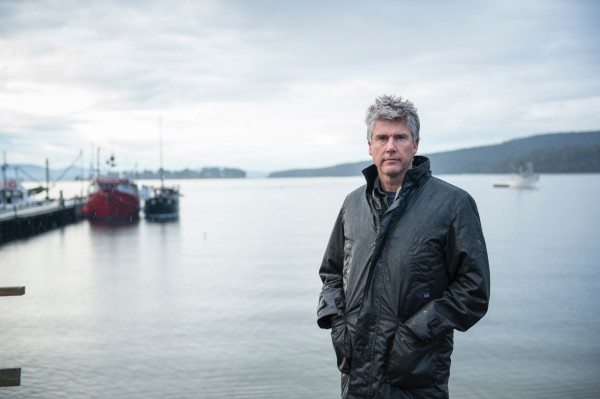
Over time I’ve come to the conclusion that the only way Australians can make informed choices about what we’re eating is if we’re given sufficient information, if we’re told exactly what’s on the plate.

From my work as a restaurant critic, consumer advocate and in recent research for the SBS TV series, What’s the Catch? , which looks at the truth behind Australia’s seafood, I know this just isn’t happening when it comes to seafood.

This is particularly the case with cooked seafood served up in cafes and restaurants.

Imagine a menu that offered ‘mammal and root vegetable’, or ‘bird and green leaf’.

It would be considered ridiculous.

But when it comes to seafood, you can simply write ‘fish’ on a menu in Australia, without much of a problem. So long as it is fish (and not mammal, or bird), then it’s okay, under current legislation, to not say exactly which fish it is.

It’s time for reform.

We need to stop allowing seafood to be described in obscure, obfuscating, or misleading terms and provide consumers with what they deserve – clear and accurate seafood labelling. What we really need, is to know just what’s on our plates. Only then can we make decisions about what we put in our mouths, and what our actions may have on the seas that provide for our tables.

While we’re waiting, here’s a simple dish to cook at home with sustainable Sand or King George whiting.
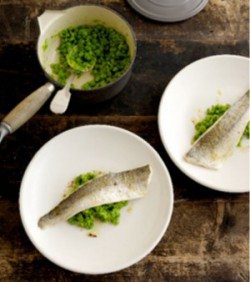
© Alan Benson

Grilled Lemon Whiting with Crushed Peas

(Serves 4)

A quick dish that shouldn’t tax the cook. Start the peas first, as the fish should take less than a minute to cook on each side.

300g peas (frozen is just fine)
40g butter
salt and freshly milled pepper
1/2 tsp finely grated lemon zest
4 large sand or King George whiting fillets
flour for dusting (optional)
butter for frying
fresh lemon for squeezing

Cooking time: 10 minutes

Simmer peas until tender and mash gently with the butter, some salt, pepper and the lemon zest. Season the whiting, flour lightly, and fry in hot butter until just changed colour inside. Lay fish over the peas, reheat the whiting pan (add a little more butter if dry) until the butter goes a nut-brown colour. Squeeze in some lemon and tip this over the fish and peas.
Take action to protect our oceans! Tell the Federal Government: I want to know what seafood I am eating – and demand accurate labelling now.