Between production, packaging, transport and cooking, the things we eat can have a massive impact on the earth. Luckily, they’re also some of the easiest habits to change. Here are the first steps to going on an environmentally-friendly diet.
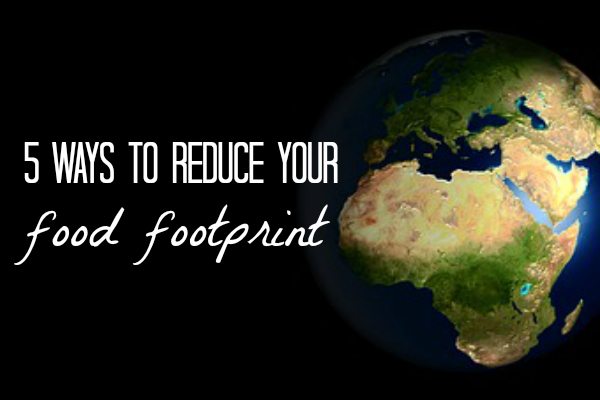
If you’re thinking about changing what you eat to get a healthy body for summer, maybe it’s also time to think about what you should eat for a healthy planet. Here are five things you can try to reduce your impact on the world:
1. Try some hipster greens
You may have heard about kale – the leafy green that has become a hipster health-food superstar lately. Scientists are hoping kelp – that’s right, seaweed – will follow in its footsteps as the ultimate in environmentally-friendly nutrition.
Kelp can be grown in dense coastal sites rather than fresh water and space hogging fields, minimising the precious resources needed to cultivate it. According to Grist, not only can kelp grow in salt water, it helps clean nutrient runoff and similar toxics that damage our oceans. Kelp also grows so fast that scientists claim it’s particularly good at sequestering our carbon emissions. It’s a winner all round!
2. Minimise your food waste
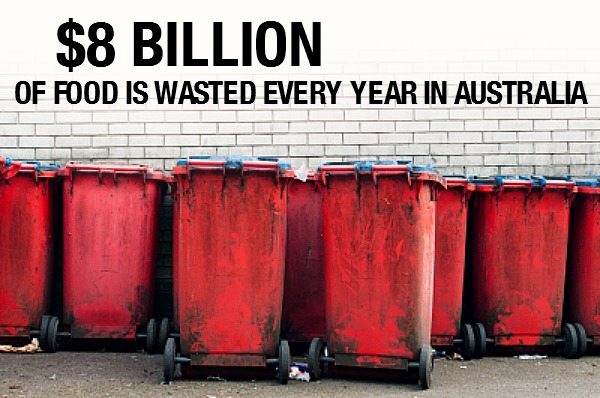
According to Grist, if the world’s wasted food became its own island – it would be the third biggest contributor to climate change globally. In the West, much of this occurs due to poor composting practises, wastefulness, cosmetic selection by farmers and supermarkets, and inefficient supply chains – all of which are preventable. Australians alone let $8 billion worth of edible food hit the bin every year – wasting massive amounts of water and energy.
The United Nations Food and Agriculture Organisation say roughly one-third of food globally is wasted. In a new report, the UNFAO traces the massive environmental impacts of this waste:
Without accounting for [greenhouse gas] emissions from land use change, the carbon footprint of food produced and not eaten is estimated to 3.3 Gtonnes of CO2 equivalent: as such, food wastage ranks as the third top emitter after USA and China. Globally, the blue water footprint (i.e. the consumption of surface and groundwater resources) of food wastage is about 250 km3, which is equivalent to the annual water discharge of the Volga River, or three times the volume of Lake Geneva. Finally, produced but uneaten food vainly occupies almost 1.4 billion hectares of land; this represents close to 30 percent of the world’s agricultural land area.
What you can do:
- Check your fridge and pantry and make a shopping list before you hit the supermarket
- Use your leftovers wisely – try turning fruit and veg that’s slightly past peak into yummy smoothies and soups!
- If you can – grow your own food!
3. Cut down on meat and fish consumption
We’ve previously talked about the water-intensive process used to take meat from farm to fork – but new research has found the meat you eat – and in particular, red meat – also has massive impacts on your contribution to climate change.
The Guardian reports that giving up red meat could be as effective at cutting your carbon emissions as giving up your car. Further research into daily eating habits found that the diets of British meat lovers amounted to double the climate-warming emissions of their vegetarian peers.

And it’s not just on land that we’re eating unsustainably – our seafood consumption habits and man-made climate change are hurting our oceans. We need to dramatically improve global fishing practises and combat air pollution and ocean acidity. Learn more here.
What you can do:
- Choose grass-fed beef rather than grain-fed
- If you can’t cut meat out of your diet – try joining people like Sir Paul McCartney and Chris Martin by adopting Meatless Mondays
- Check out our Tuna Guide and the Sustainable Seafood App from our friends at the Australian Marine Conservation Society
- If you’re already vegetarian and loving it – you could try reducing your footprint even more by cutting down on dairy
4. Find out who made your food
One of the most blissful ignorances that many people harbour today is that slavery is a nightmare of the past. Unfortunately, slavery is still a $32 billion dollar global industry that likely spans the entire supply chain of your favourite foods.
Right now, Greenpeace is working to help industry and governments improve conditions for workers in the fishing industry – who face among the worst working conditions in the world. Workers can encounter a whole spectrum of issues ranging from extremely low wages, inadequate sanitation, lack of safety equipment, lack of personal space and long working hours to documented cases of forced labour, human trafficking and even murder at sea.
Slavery has no place in our world, our supermarket shelves, or our restaurant tables. You can use the wonderful Shop Ethical guide to find food with clean supply chains.
5. Eat local, eat organic
According to the EPA, food accounts for around 30% of the Australian ecological footprint.
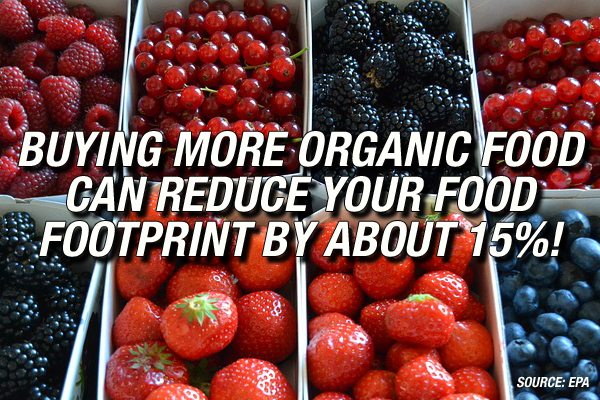
Luckily, eating local produce can be a great way to cut down on unsustainable production, extreme travel distances and excess packaging. In a country where about 60% of the food retail market is owned by two companies, it’s becoming increasingly important for our climate, environment and economy that we find out where and how our food is grown – and what better way than buying from the source?
Check out more reasons why eating local produce is for everyone in our Green Living blog here.