

Take action to protect the ocean NOW
Destructive fishing like longlining and bottom trawling are destroying the ocean and harming innocent marine life every day. It's out of control.
We must raise our voice now and tell the Australian Government to commit to protecting the ocean by championing high seas ocean sanctuaries in our region.
Sign the petition now.
TIME IS RUNNING OUT
Sign now to demand Australian Environmental Minister Murray Watt to urgently create ocean sanctuaries.
0 signatures. Help us get to 75000!
Aakriti R signed 1 day ago
Geoff T signed 1 day ago
Marg C signed 1 day ago
Ann W signed 2 days ago
mareta E signed 177 days ago
Teresa J signed 177 days ago
Sylvia B signed 177 days ago
Sandra R signed 177 days ago
Libby E signed 178 days ago
Global Oceans Treaty Petition
By signing this petition you give permission for Greenpeace Australia Pacific to contact you with campaign updates. Your information is safe and secure with us – for more information please see our Participant Collection Notice and Privacy Policy.
Help stop this destruction
Ocean with David Attenborough (In cinemas from 8 May), exposes the realities of industrial fishing practises.
People like you helped secure Australia’s ratification of the Global Ocean Treaty this year. This was a historic moment. But a Treaty only has power if governments use it ambitiously and urgently.
We are calling on the Australian Government to deliver real ocean protection and propose high seas sanctuaries at the very first Oceans COP within the next year. This will pave the way for one of the first high seas ocean sanctuaries in the Tasman Sea, protecting marine life from destructive fishing.
The clock is ticking. For the ocean to recover, we must cover 30% of the high seas with sanctuaries by 2030.
Will you help push the Australian Government to seize this once-in-a-generation chance to show real global leadership in ocean protection?
Ocean with David Attenborough (In cinemas from 8 May), exposes the realities of industrial fishing practises.
Industrial fishing is destroying wildlife

Marine life is being devastated by industrial fishing in the Tasman Sea.
Industrial fishing vessels from around the world are laying silent traps that stretch over 100 km — each line bristling with thousands of deadly hooks. These hooks indiscriminately catch and kill marine wildlife, including sharks, turtles, seabirds and other animals.
We need to stop this destruction.
An ocean sanctuary in the Tasman Sea could make it off-limits to destructive industries and give marine life a safe haven to recover and thrive. Help push the Australian government to create a first generation ocean sanctuary under the Treaty.

Which of these marine treasures are at risk? All of them
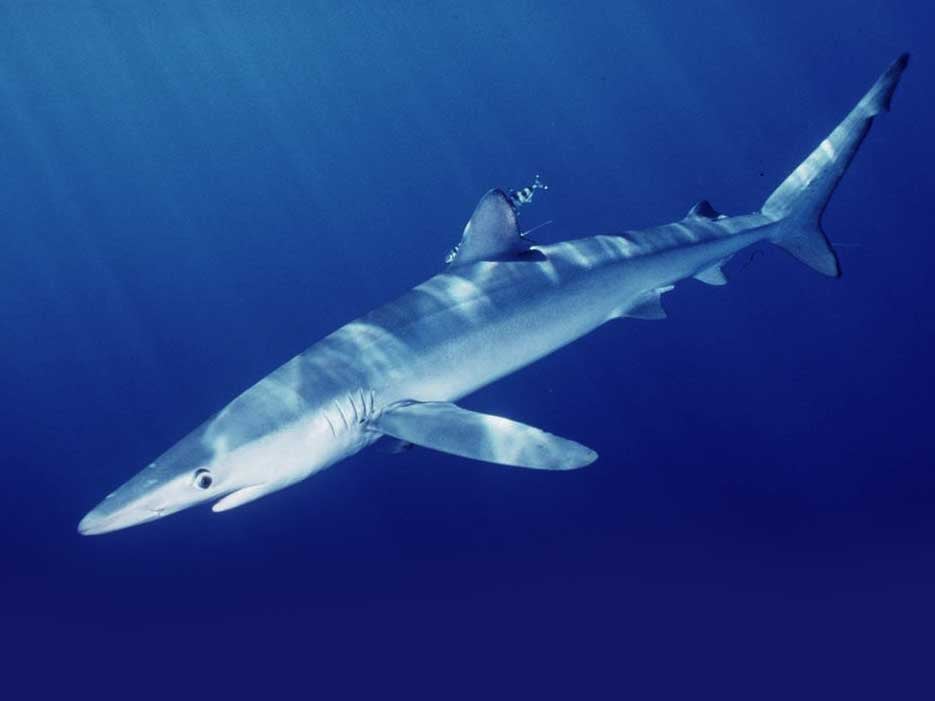
Blue Shark
STATUS: Near-threatened
Blue sharks are the most heavily fished species in the world. Known for their intelligent and inquisitive nature, these champion long-distance swimmers can travel over 9,000 km across the global ocean during their annual migrations.
In the Tasman Sea, blue sharks are the most commonly caught shark. Most are caught as bycatch, hanging from longlines in their thousands and hauled on deck only to be unhooked and discarded – some maimed, dead, or dying.
Leatherback turtle
STATUS: Vulnerable
Longline fisheries hook thousands of sea turtles each year. Many turtles swallow baited hooks or become entangled in lines, leading to injury, drowning, or deaths after being released.
Leatherback turtles are one of the most frequently caught species in the Tasman Sea. In the Pacific, leatherback turtles have declined more than 95% in the last 25 years.
Antipodean Albatross
STATUS: Endangered
Endangered mostly due to high bycatch rates from longline fishing, particularly in the South Pacific and Tasman Sea, where they are frequently hooked and drowned while scavenging baited fishing lines.
Bottlenose Dolphin
Dolphins can become entangled in longlines or ghost gear while feeding. These lines, stretching up to 100 kilometres, can wrap around their fins, tails, or mouths, causing injuries, infections, or even starvation if they can’t swim or feed properly.
They can also target the baited hooks for food, risking injury or infection from accidentally swallowing them which can lead to swallowing hooks or getting their mouths injured, leading to infections or internal damage.
Humpback Whale
Humpback whales migrate through the Tasman Sea. The presence of longline fishing vessels in critical habitats can disrupt whale migration routes and may alter their natural behaviours, avoiding key feeding or breeding areas due to high fishing activity.
Whales can become entangled in longlines or ghost gear while foraging for food. They often get deep cuts or infections and can starve if they are unable to swim or feed properly.
Will you call on the Australian government to stop ocean destruction?
Australia now has the critical tools it needs to protect the ocean and safeguard beautiful and endangered species like whales, dolphins and sharks from destructive fishing methods in the high seas.
We are calling on Murray Watt to ensure this landmark agreement delivers lasting protection for the ocean by creating five high seas sanctuaries in our region, starting with a large ocean sanctuary between Australia and Aotearoa.
49
Years
Greenpeace Australia Pacific has been fighting to protect our ocean
438,500
Blue Sharks
Killed in 2023 by longlining in the Pacific, our investigation exposed
54,363
People like you
Have made their voices heard to save our ocean
Greenpeace is 100% funded by people just like you
Did you know: We don’t take any money from government or corporations, allowing us to stay fiercely independent in our fight for a greener, more peaceful future.

